

Why Was St Kilda Evacuated? The True Story of Scotland’s Remote Island Community
On the morning of 29 August 1930, the last 36 islanders of St Kilda gathered their belongings and made their way down to Village Bay.
In some cottages, a Bible was left open on the table and a peat fire was banked in the hearth. Then the islanders boarded HMS Harebell and watched their home recede into the Atlantic.
The evacuation is sometimes told as the moment a remote people were finally defeated by the weather. The real story is more complicated—and more human. A community that had adapted to one of Britain’s most demanding environments for generations had become too small to keep going in a rapidly changing world.
Where is St Kilda?
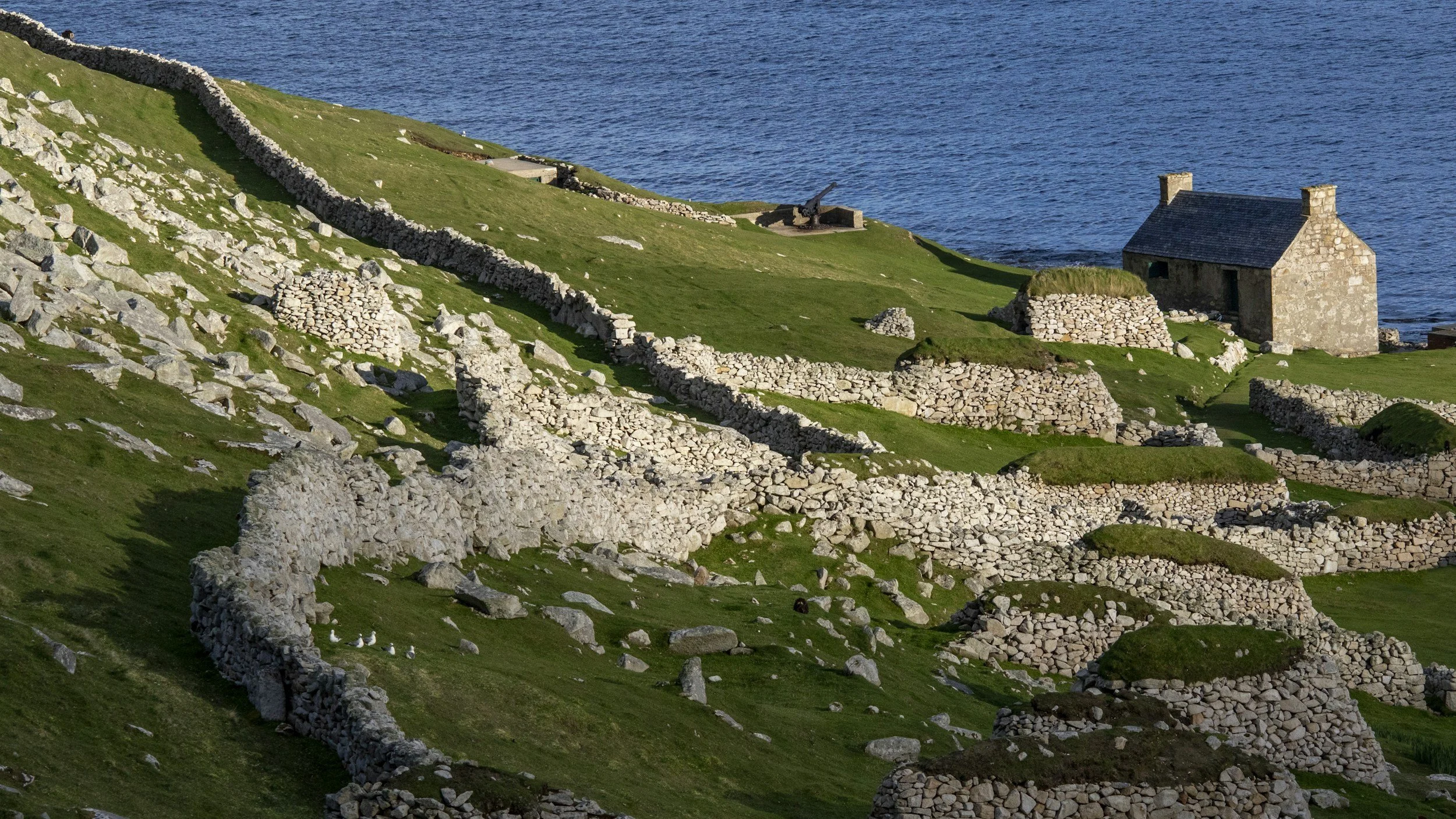
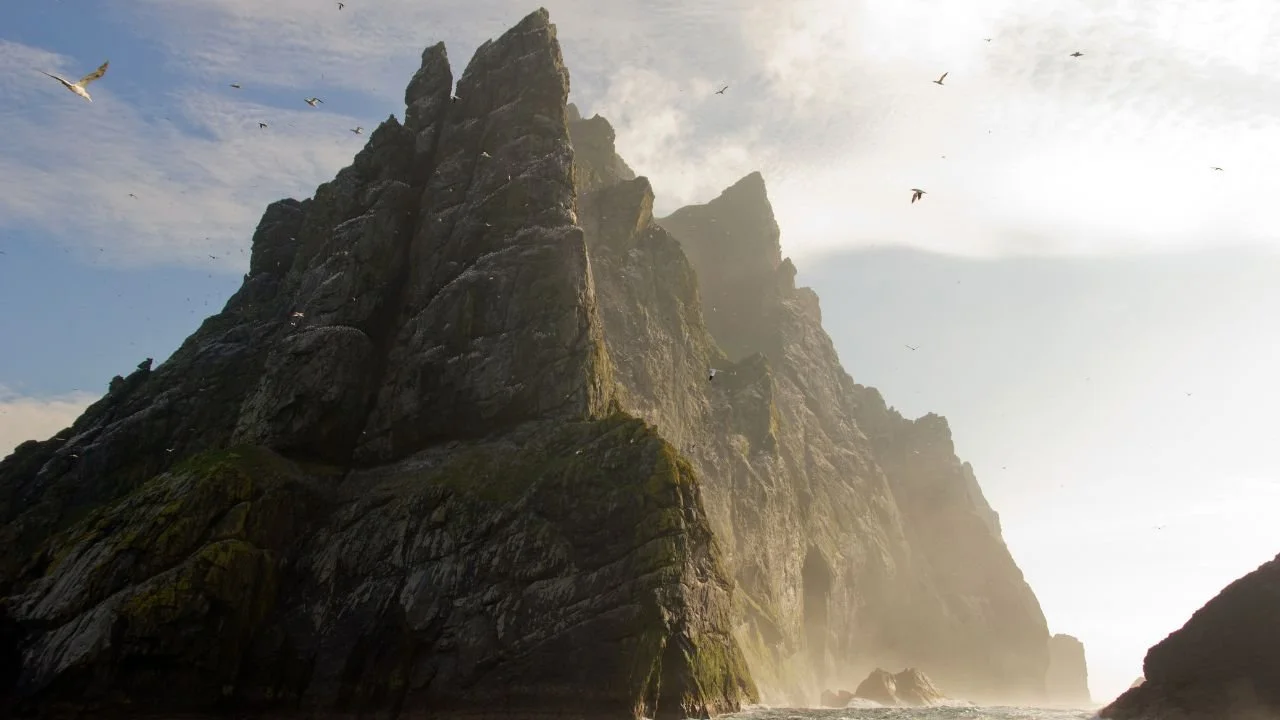
St Kilda is not one island but an Atlantic archipelago, lying more than 40 miles west of the Outer Hebrides. Hirta is the largest island and was home to the only permanent settlement. Around it rise the smaller islands of Soay, Boreray and Dùn, along with great sea stacks crowded with seabirds.
Even by Hebridean standards, it is remote. The open ocean separates St Kilda from the nearest inhabited islands, and bad weather can make the crossing impossible. Yet people lived here for at least two millennia, and possibly much longer.
How people survived at the edge of the Atlantic
Life on Hirta depended on a detailed knowledge of the landscape and the sea. Freshwater springs supplied the village. Families grew barley, oats and potatoes, kept sheep and a few cattle, fished the surrounding waters and harvested seabirds from the cliffs.
Gannets, fulmars and other seabirds provided meat, eggs, feathers and oil. Reaching their nests required exceptional skill. St Kildan men climbed rock faces or lowered one another by rope onto narrow ledges above the Atlantic—work that was dangerous, but central to the island economy.
Across the archipelago, the islanders built hundreds of small drystone storehouses known as cleits. Their loosely built walls allowed air to circulate while crops, peat, feathers, eggs and preserved birds were kept inside. Many still stand today, scattered across Hirta like stone markers of a way of life found nowhere else.
This was never a completely sealed world. St Kildans traded with the owners of the islands and received occasional visitors. What changed in the 19th century was the frequency of that contact.
When the outside world moved closer
In 1852, 36 islanders emigrated to Australia. The population never fully recovered.
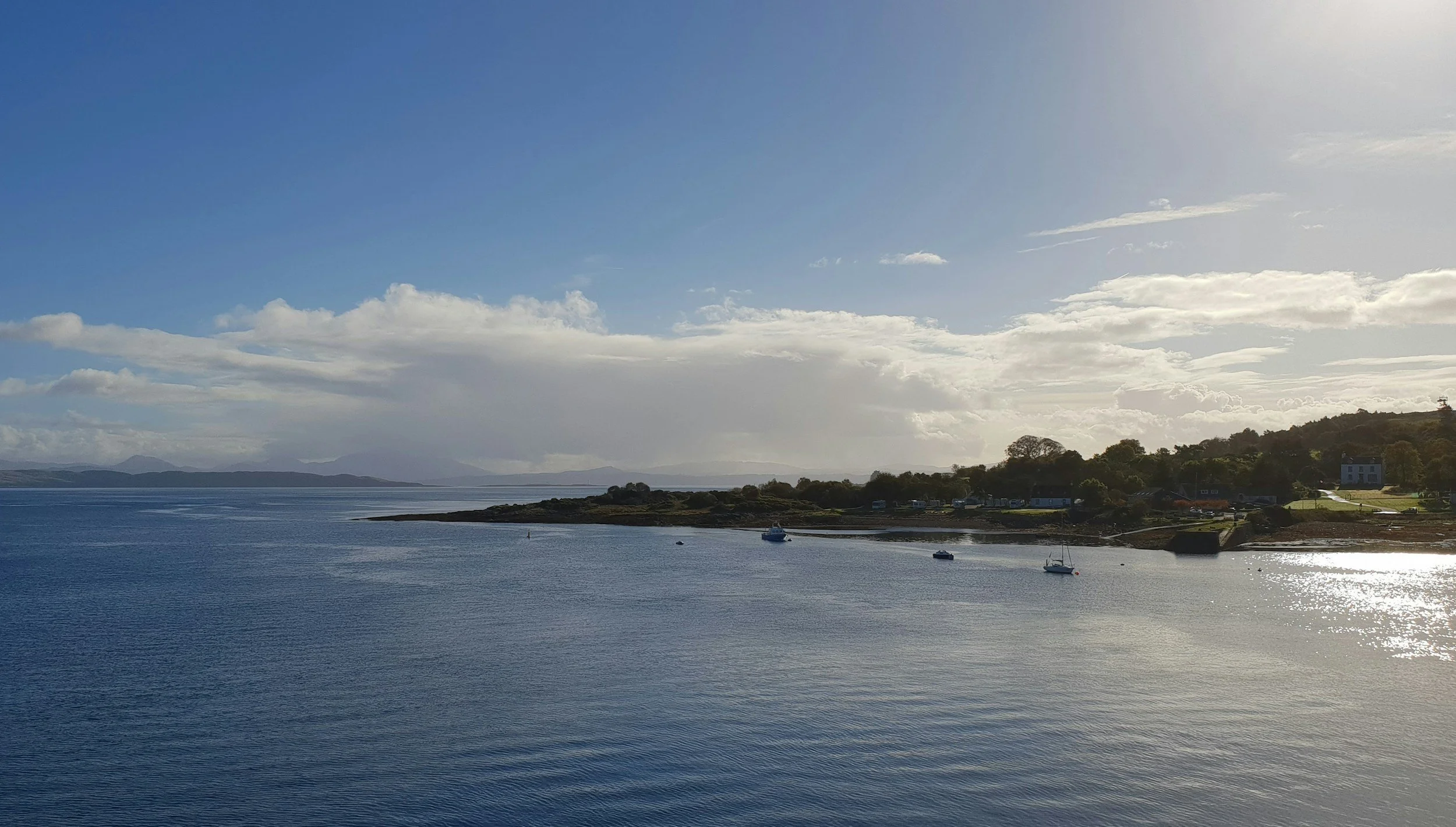
From 1877, the steamship Dunara Castle began making regular summer visits, followed by other cruise ships, fishing boats and whalers. Visitors bought tweed, knitted goods, sheepskins, eggs and feathers. They also brought food, fuel, building materials and news of opportunities elsewhere.
Contact made some parts of life easier, but it also changed the island economy. St Kilda became increasingly reliant on supplies that could not be produced locally. Young people saw possibilities beyond Hirta, while those who stayed became more aware of what isolation meant when a doctor, reliable post or a steady wage could be found elsewhere.
The First World War briefly brought a naval detachment to the island, along with regular mail and food deliveries. When those services ended, the old uncertainty returned. A boat might arrive; a storm might keep it away.
The community became too small to sustain itself
There were serious food shortages in 1912, followed by an outbreak of influenza in 1913. More young islanders left in the years that followed, and by the beginning of 1930 only 36 people remained: 13 men, 10 women, eight girls and five boys.
That number tells only part of the story. Six of the adults were widows, several cottages already stood empty and there were no longer enough able-bodied people to maintain every part of island life. Tending the sheep, weaving cloth, harvesting birds and supporting older neighbours all depended on shared labour.
Healthcare was another constant worry. The winter of 1929–30 had been particularly hard. In 1930, the deaths of two young women named Mary Gillies—one after complications following childbirth and the other from illness—made the cost of living so far from medical help painfully clear.
The islanders had not lost the knowledge needed to live on St Kilda. They were losing the number of people needed to make that life work.
Did the St Kildans choose to leave?
Yes. On 10 May 1930, 20 islanders signed a petition asking the government to help them resettle on the mainland. Several of the remaining men had already decided to go. Without them, the petition explained, “it would be impossible to stay on the island another winter”.
The request was accepted. Officials arranged homes and employment, and on 29 August HMS Harebell carried the final 36 St Kildans away from Hirta.
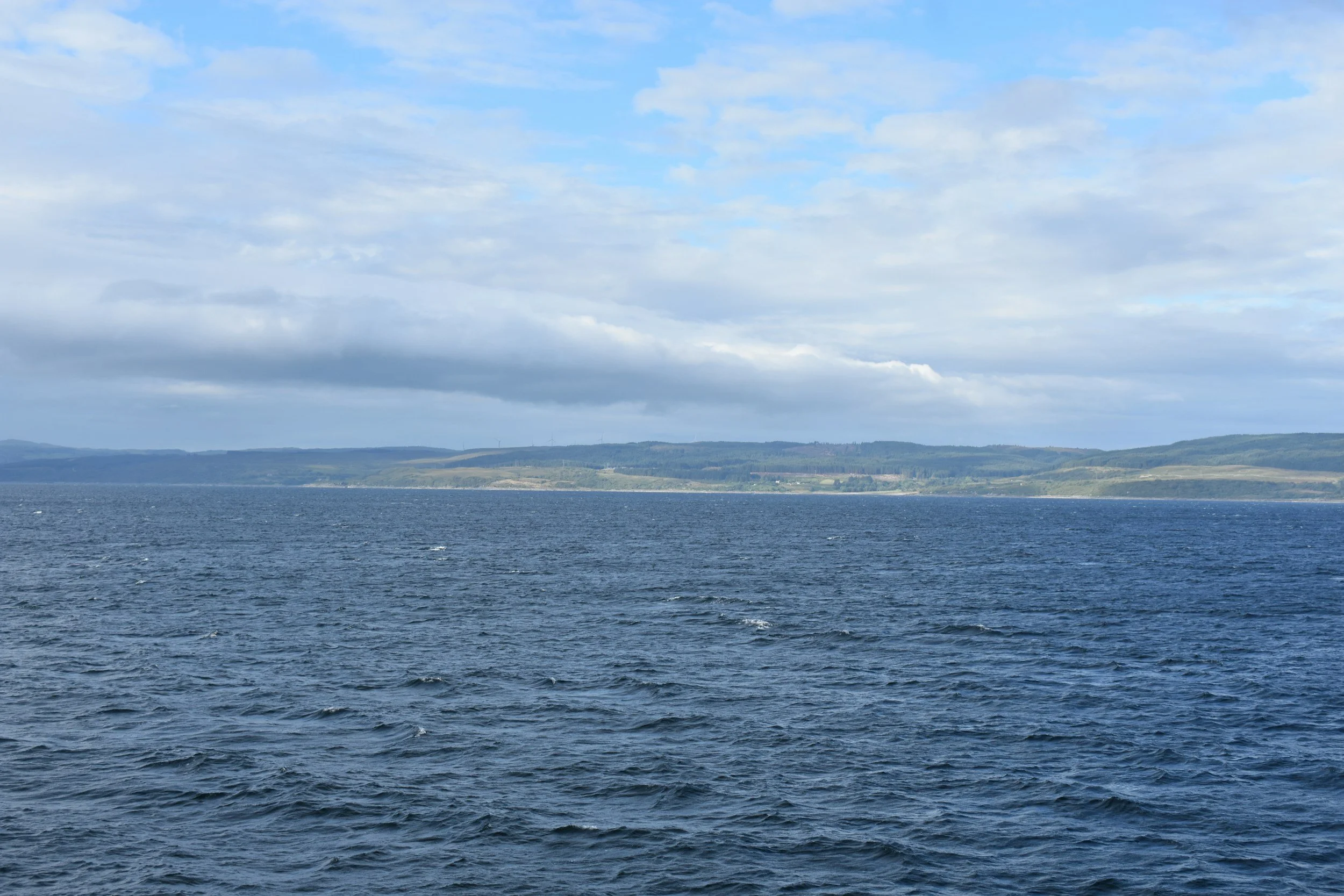
Most were resettled around Lochaline in Morvern, where forestry work had been found. Others went to Strome Ferry, Inverness and Culross. The authorities tried to keep relatives and neighbours together where they could, but the old community was inevitably dispersed.
Some former residents returned to Hirta during later summers. There would never again be a permanent native community.
What happened to St Kilda after the evacuation?
St Kilda was bought as a bird sanctuary in 1931 and was later bequeathed to the National Trust for Scotland, which has cared for the archipelago since 1957. It became a UNESCO World Heritage Site in 1986 and is now the UK’s only site recognised for both its cultural and natural importance.
The empty village, the cleits and the traces of centuries of farming preserve the human story. Around them, the islands remain alive with seabirds, Soay sheep and species found nowhere else in Britain.
St Kilda is therefore not quite an “abandoned island”. Defence personnel, conservation staff and researchers still spend time on Hirta, and visitors arrive during the sailing season. What disappeared in 1930 was the community whose families had made the islands their year-round home.
Can you visit St Kilda today?
Yes, but a visit takes more planning than the average Scottish day trip.
Specialist boat operators sail to St Kilda from the Outer Hebrides, including Harris. Every trip is weather-dependent, and Atlantic conditions can force a cancellation or a last-minute change. If St Kilda is a priority, give yourself several days in the islands rather than building your plans around one possible sailing.
There are also strict biosecurity rules. Rats and other invasive species could be devastating to St Kilda’s seabird colonies, so visitors must follow the operator’s and National Trust for Scotland’s guidance carefully. Clean footwear and bags before travelling, take everything you need for the day and leave nothing behind.
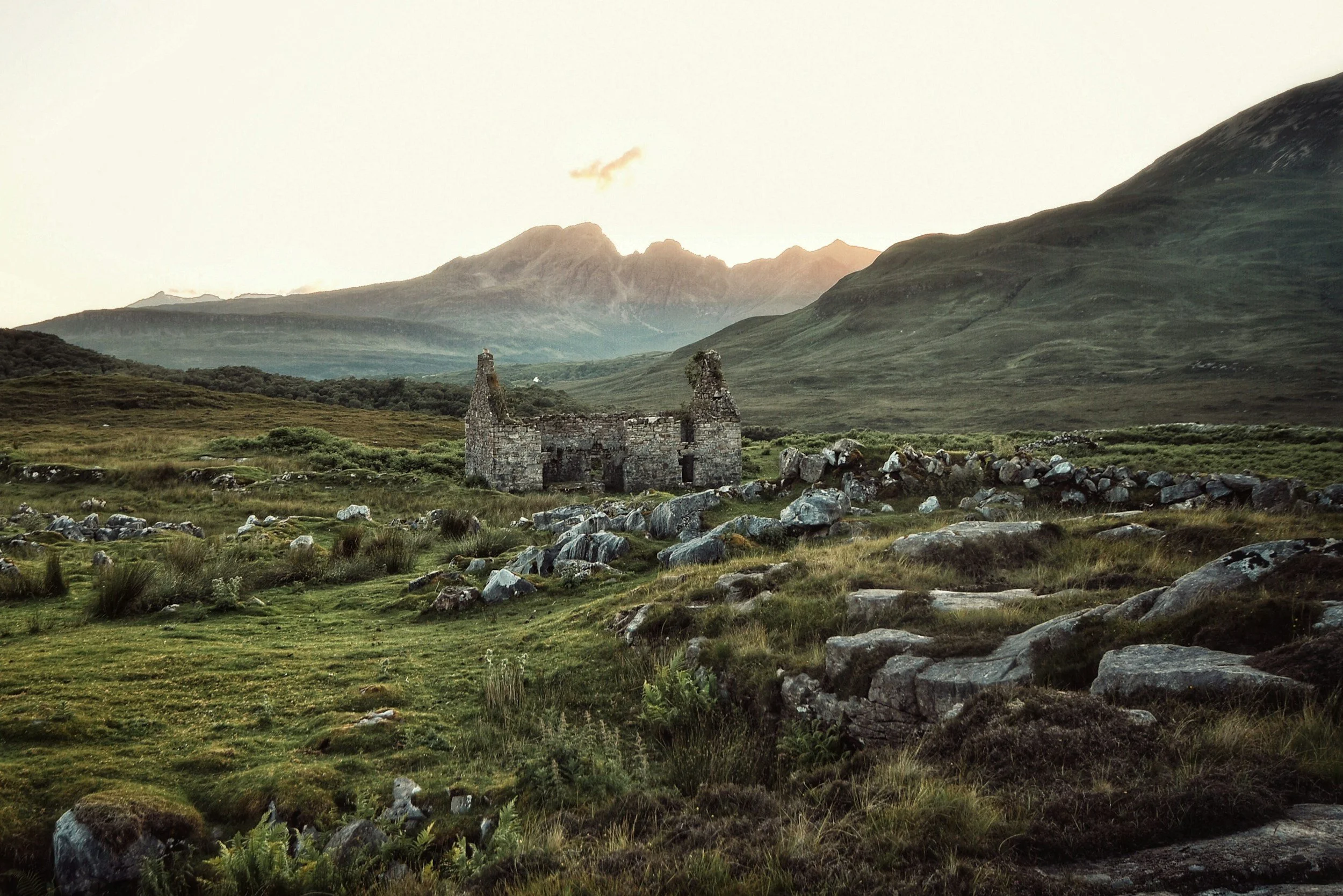
Once ashore, take time to look beyond the dramatic cliffs. Walk the old village street. Notice the storehouses on the hillsides and the narrow strips of cultivated land. This is not scenery with a few picturesque ruins added to it. It is a complete cultural landscape, shaped by ordinary families over hundreds of years.
Planning a wider Outer Hebrides adventure
St Kilda deserves a specialist journey of its own. It is not included on our scheduled Scotland’s Wild tours, and any operator who visits must work around the Atlantic weather.
If the story has made you curious about the wider islands, our five-day Lewis and Harris tour from Edinburgh and five-day Lewis and Harris tour from Glasgow offer a more accessible introduction to the Outer Hebrides. You can explore the islands’ Gaelic culture, ancient sites and Atlantic landscapes with a local storytelling guide—and, if you plan an independent extension from Harris, leave a few flexible days for a possible St Kilda sailing.