
The Complete Scotland Travel Guide: Plan Your Perfect Scotland Trip
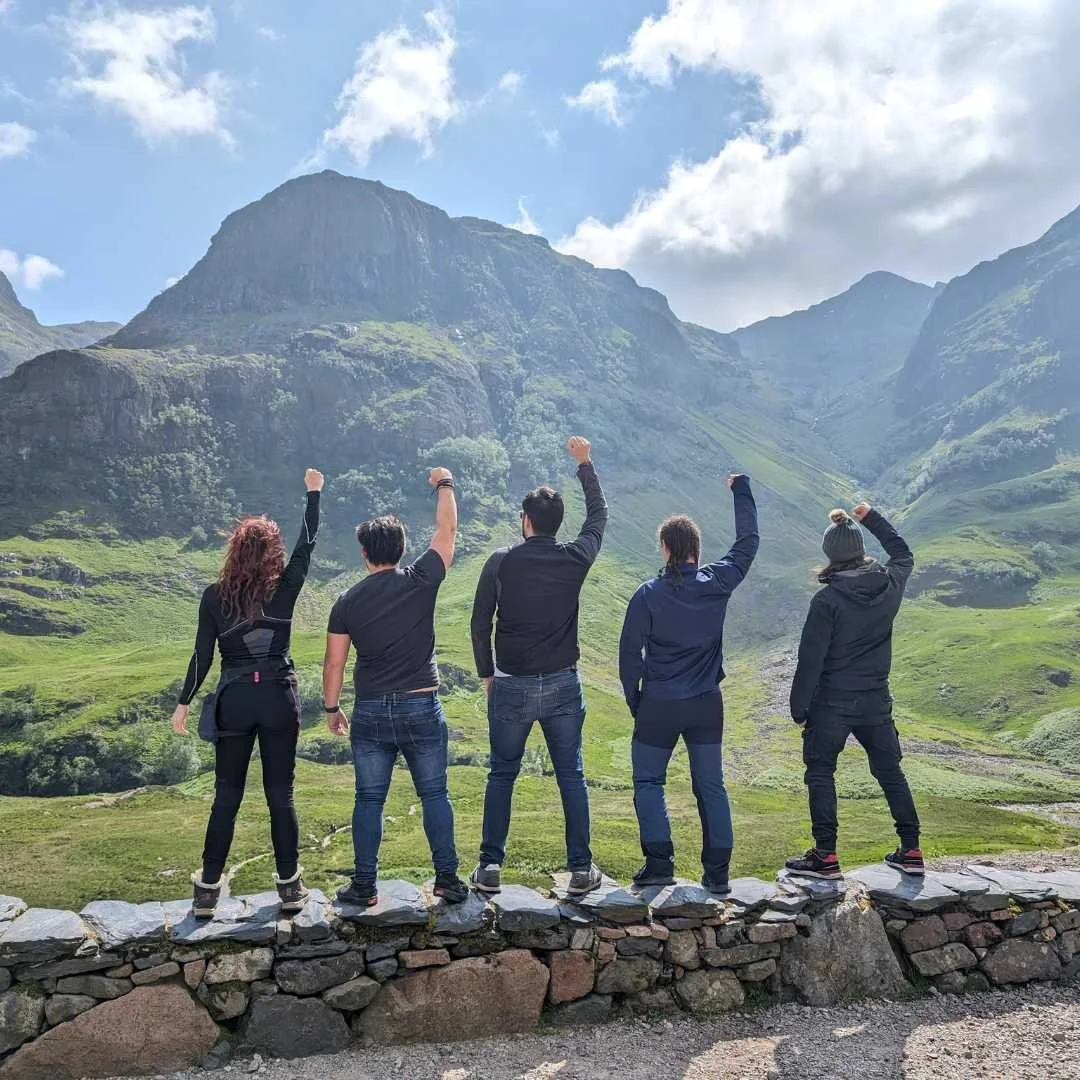
Planning a Trip to Scotland? Start Here.
Build a Scotland trip that actually works. This complete guide covers where to go, how long to stay, realistic itineraries, islands, driving, ferries, weather, packing, entry requirements and the decisions that make the difference between simply seeing Scotland and experiencing it.
Scotland Looks Small on a Map. Don't Plan It Like It Is.
Scotland rewards slower travel. The distance between two Highland destinations might look modest, but the journey can involve narrow roads, ferries, single-track sections, weather, livestock and the almost unavoidable urge to stop whenever the landscape changes.
That is why the best Scotland itineraries are usually built around two or three areas experienced properly rather than a race to collect every famous place.
Edinburgh, Glencoe, Skye, Loch Ness, Orkney and the Outer Hebrides are all remarkable. They do not all need to appear in the same week.
How Many Days Do You Need in Scotland?
There is no perfect trip length, but these ranges give a much more realistic idea of what comfortably fits.
City + One Adventure
Base yourself in Edinburgh or Glasgow, explore the city and add one carefully chosen Highlands, Stirling, Loch Ness or west-coast day trip.
City + Highlands
Enough for Edinburgh or Glasgow plus a multi-day journey through Glencoe, Loch Ness and perhaps the Isle of Skye.
See Scotland Properly
Combine a major city with the Highlands and an island without every day becoming a transfer. This is the range we favour for many first-time visitors.
Go Further
Now Orkney or the Outer Hebrides can fit alongside the Highlands, Skye and city time without turning the entire holiday into motorway mileage.
Where Should You Go on a First Scotland Trip?
Think in regions and experiences rather than creating one enormous list of attractions.
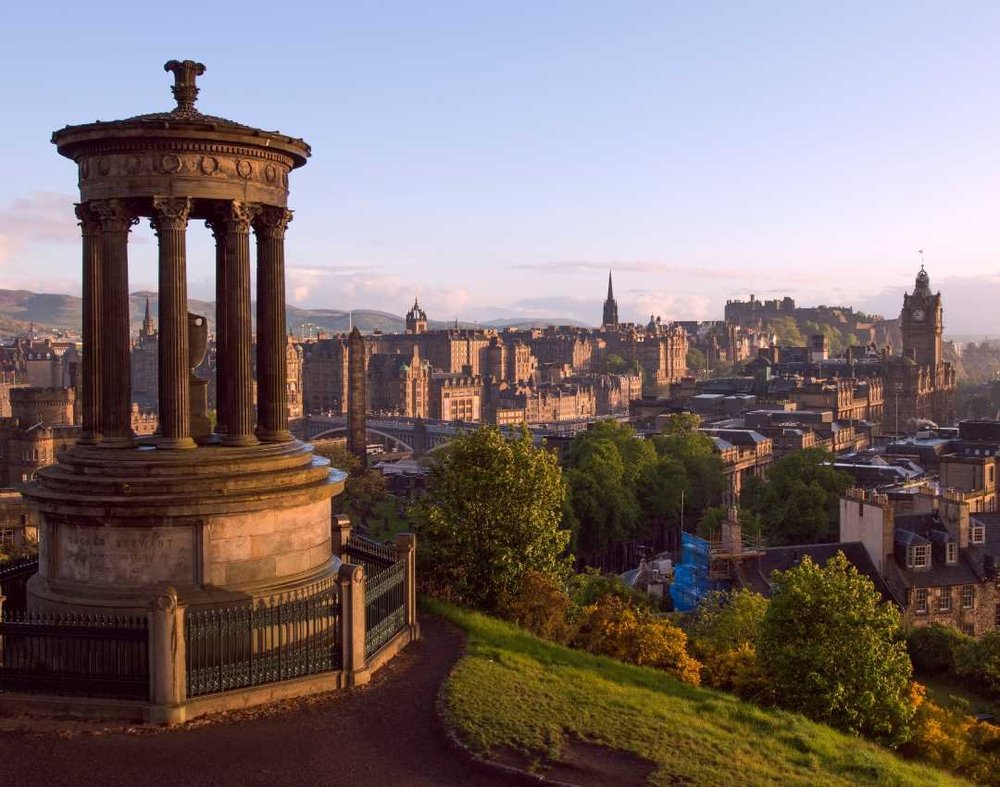
Edinburgh
Scotland's historic capital combines medieval Old Town, Georgian New Town, Edinburgh Castle, museums and wild viewpoints within a very walkable centre.
Plan Edinburgh →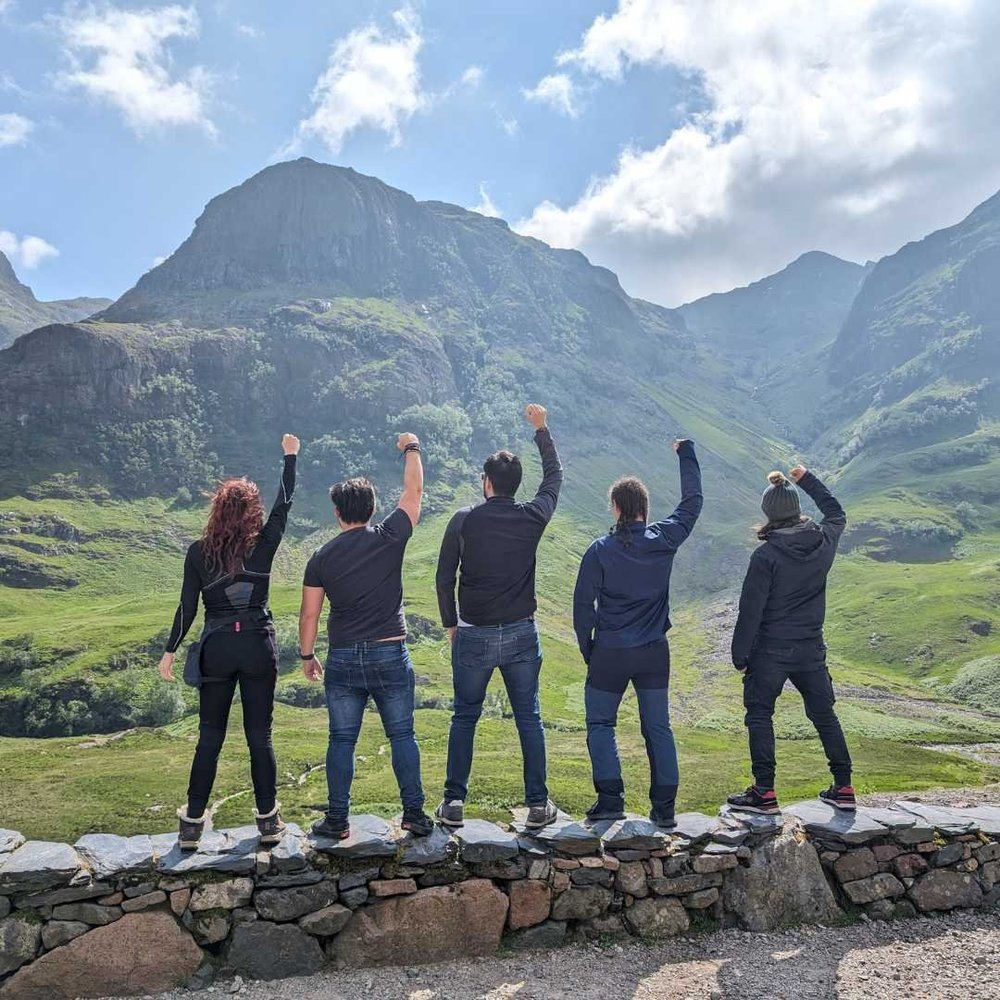
Glencoe & West Highlands
Perhaps the strongest introduction to the mountainous Highlands: enormous glens, waterfalls, walks, Highland history and one of Scotland's great road journeys.
Essential first-trip territory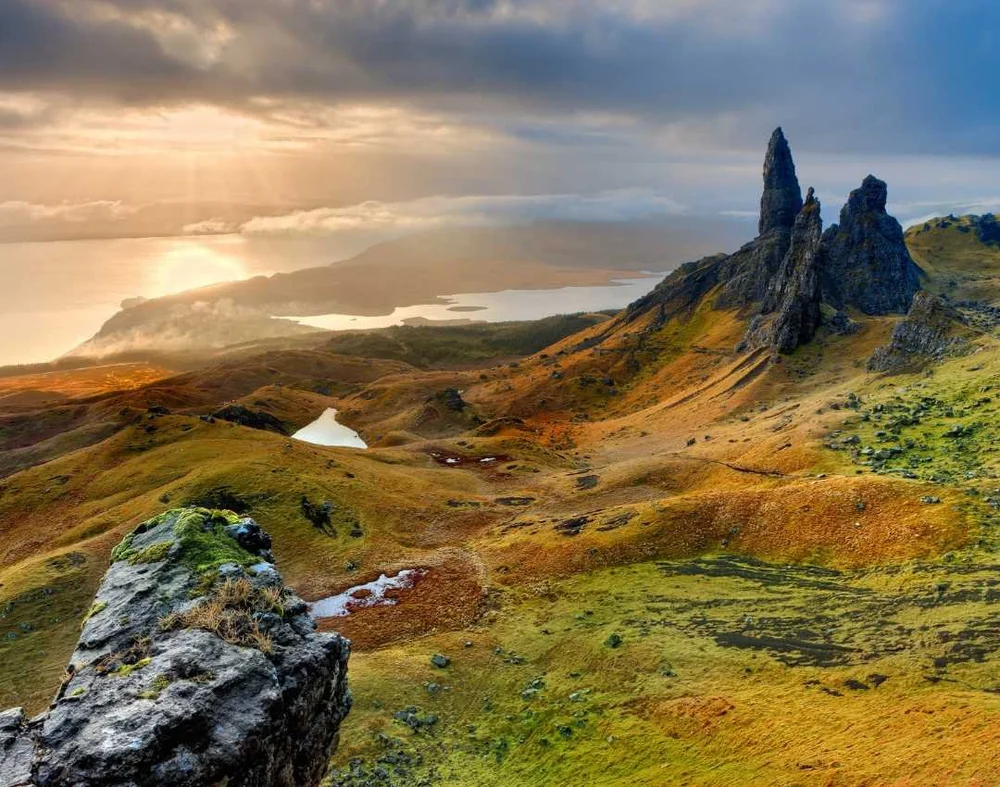
Isle of Skye
Strange Trotternish landscapes, the Cuillin mountains, clan castles and dramatic coastline make Skye one of Scotland's most memorable first island experiences.
Plan the Isle of Skye →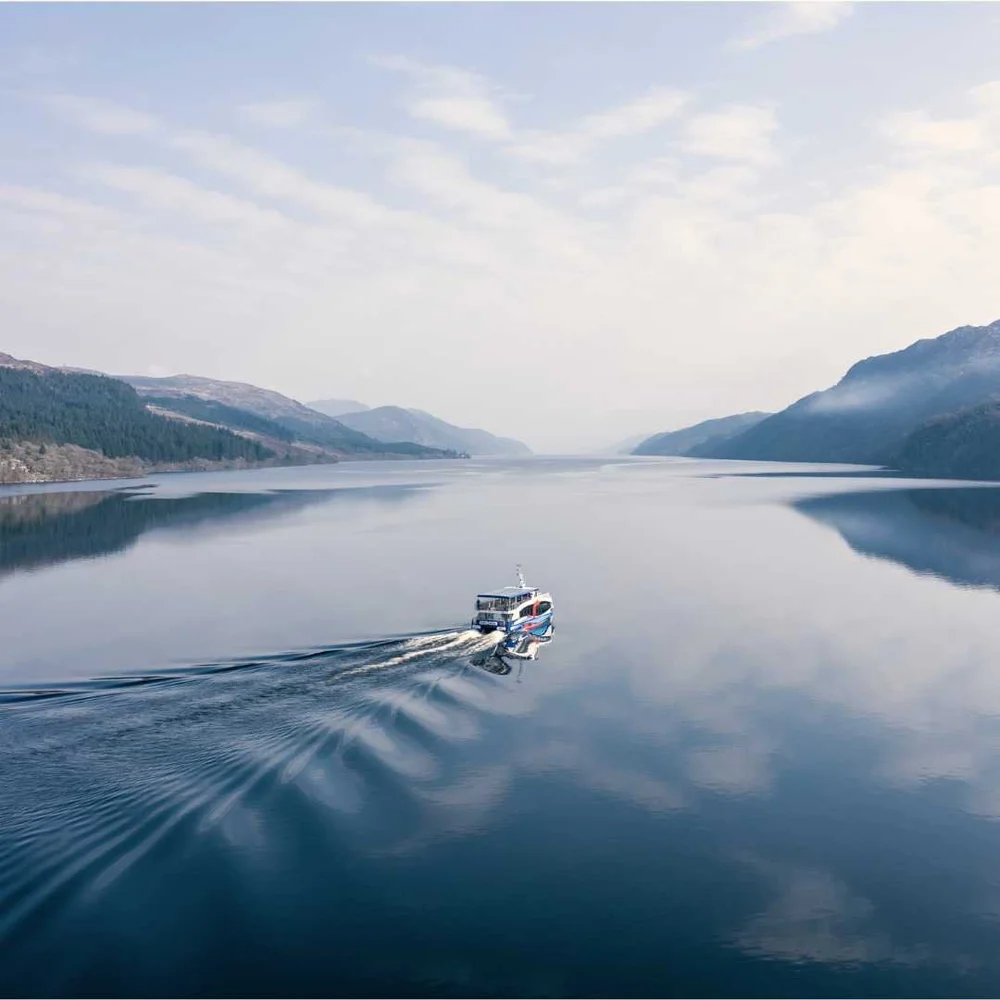
Loch Ness & Inverness
Explore the Great Glen, Urquhart Castle and the world's most famous monster story, with Inverness providing a practical base for northern Scotland.
Plan Loch Ness →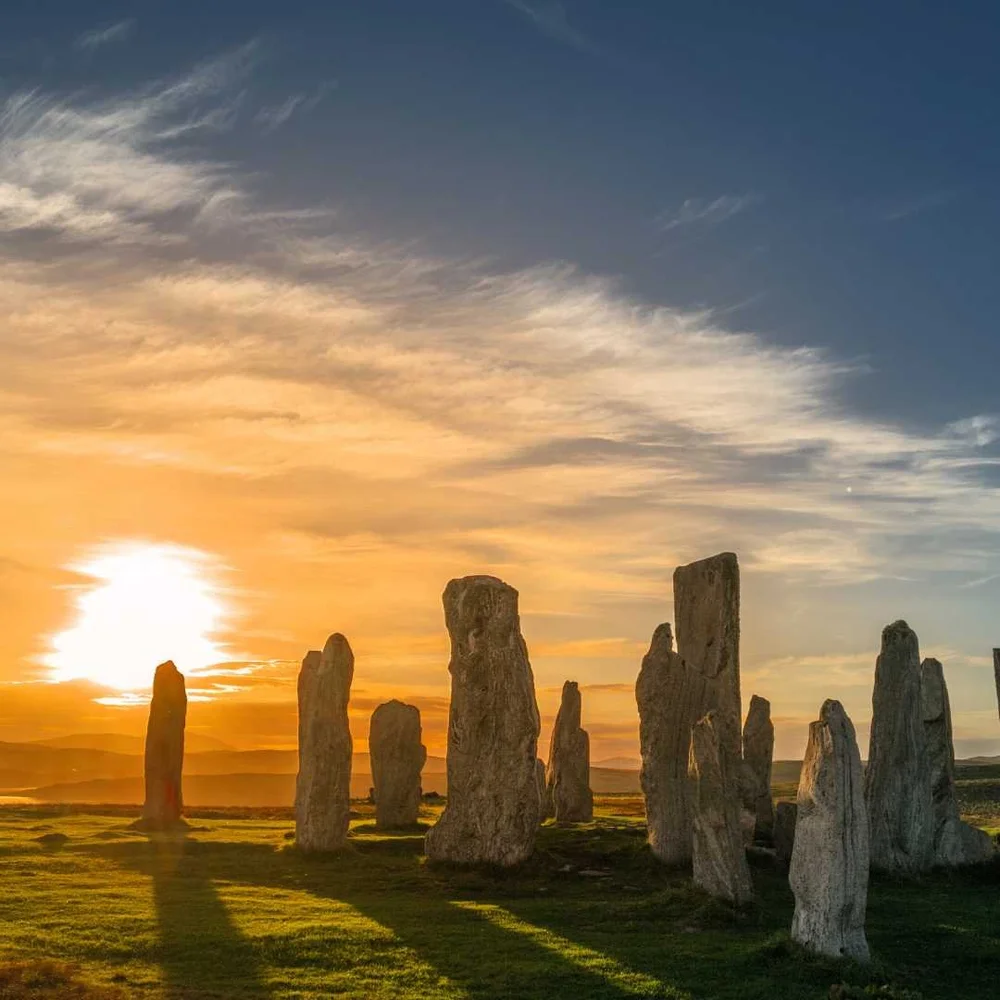
Outer Hebrides
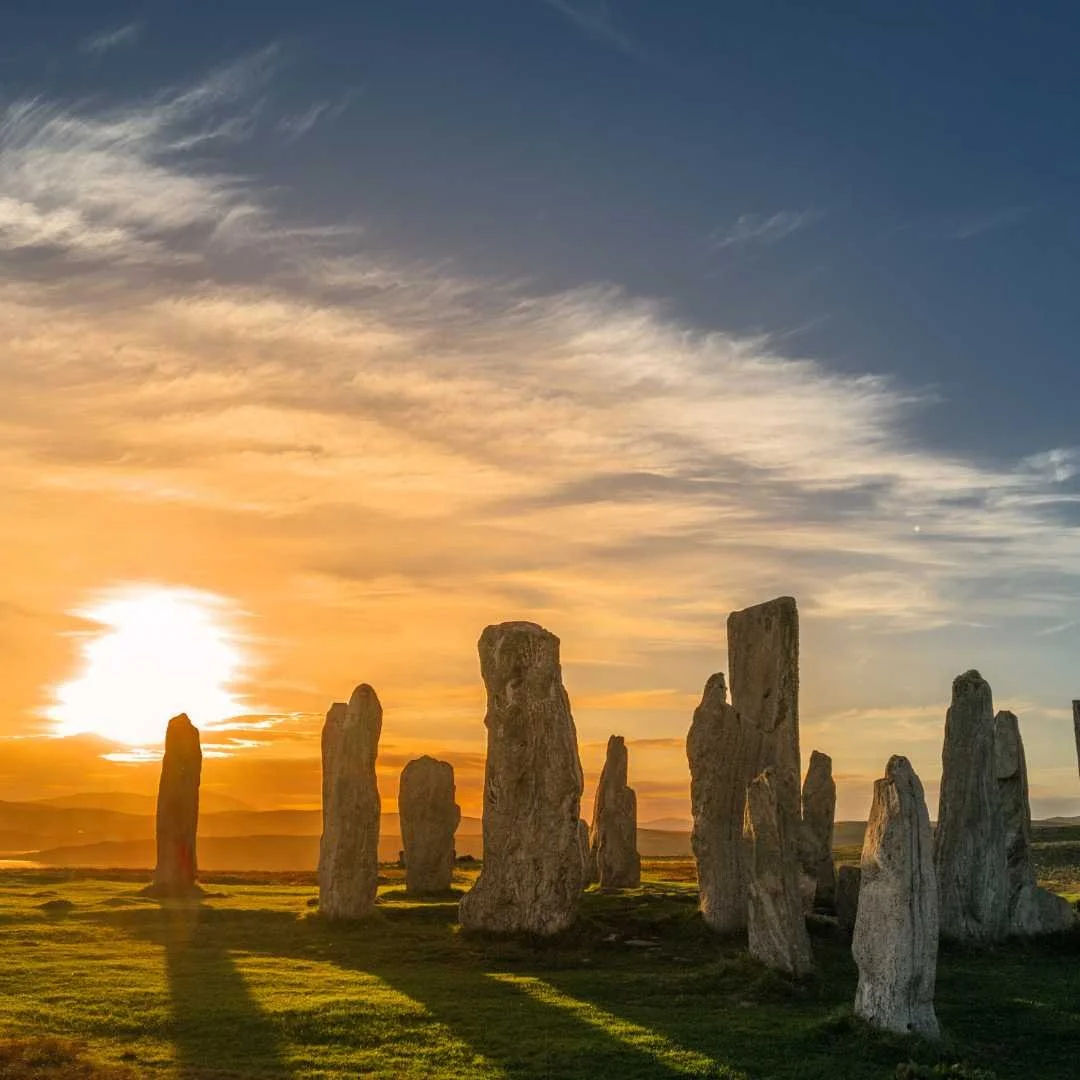
Atlantic beaches, Calanais Standing Stones, traditional blackhouses and living Gaelic culture create a very different island experience from Skye.
Best with 4–5+ days available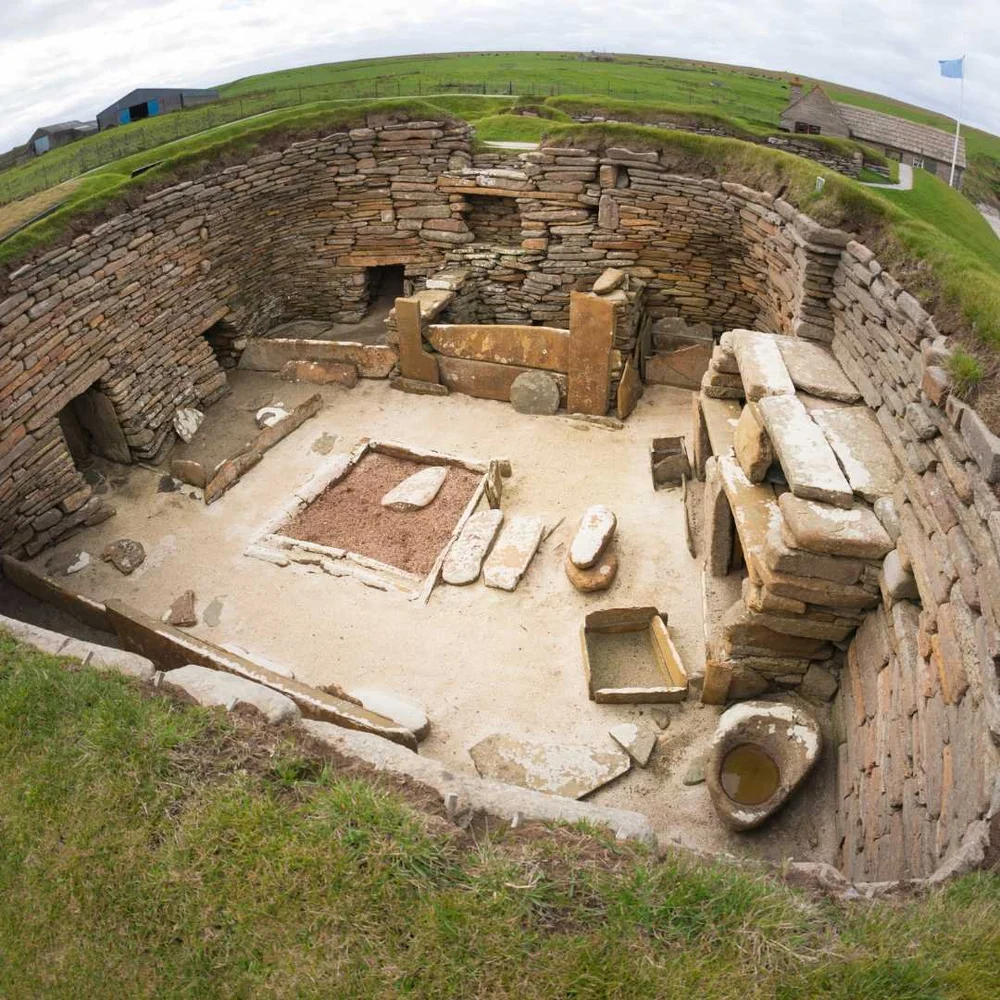
Orkney
Neolithic villages and stone circles, Viking heritage, wartime stories and huge northern skies make Orkney one of Scotland's strongest history-led destinations.
Best for ancient-history travellersThree Realistic First-Time Scotland Itineraries
These are planning frameworks rather than hour-by-hour routes. They deliberately leave space for the journey itself.
Edinburgh + Highlands
A strong short first visit that gives you Scotland's capital and genuine Highland scenery without trying to reach every island.
- Days 1–2 · Edinburgh
- Day 3 · Loch Lomond & Glencoe
- Day 4 · Loch Ness / Great Glen
- Day 5 · Cairngorms or Stirling
- Extra day · slower Highlands or Glasgow
Edinburgh + Highlands + Skye
Probably the most natural first Scotland journey for visitors who want famous landscapes without committing to the far north.
- Days 1–2 · Edinburgh
- Day 3 · Loch Lomond & Glencoe
- Days 4–5 · Isle of Skye
- Day 6 · Eilean Donan & Loch Ness
- Day 7 · Inverness / Cairngorms
- Extra days · Glasgow or slower Skye
Highlands + Islands
With two weeks, choose one major island extension rather than trying to include every island group in Scotland.
- Days 1–2 · Edinburgh
- Days 3–5 · West Highlands & Skye
- Days 6–9 · Outer Hebrides OR Orkney
- Days 10–11 · Inverness / Loch Ness
- Days 12–13 · Cairngorms / Perthshire
- Final day · Edinburgh or Glasgow
When Is the Best Time to Visit Scotland?
There isn't one universal best month. Scotland changes dramatically across the year, and your priorities matter more than finding a mythical perfect forecast.
Spring
Increasing daylight, greener landscapes and generally less pressure than peak summer. One of our favourite periods for active sightseeing.
Summer
Very long days are excellent for exploring, islands and walking. Popular destinations, accommodation and attractions are also at their busiest.
Autumn
Atmospheric landscapes, changing colour and often a good balance between useful daylight and lower visitor pressure.
Winter
Short daylight, colder conditions and seasonal closures require more care, but cities and Highland landscapes can be wonderfully atmospheric.
Conditions can differ substantially between Edinburgh, the west Highlands, islands and mountain areas. Check local forecasts as you travel, especially before outdoor activities.
Should You Drive, Use Public Transport or Take a Tour?
Scotland supports all three. The right answer depends on whether you value maximum independence, simplicity or having someone explain what you're travelling through.
Hire a Car
Best for remote accommodation, flexible routes and places poorly served by public transport. You need to be comfortable with left- side driving and rural roads.
Train, Coach & Ferry
Rail works particularly well between major cities and many larger towns. Coaches and ferries extend the network, but remote viewpoints require more planning.
Small-Group Tour
Useful when you want the Highlands and islands without navigating unfamiliar roads, parking and ferry logistics — while also gaining the stories behind what you're seeing.
Driving Scotland: What Visitors Should Know
- Drive on the left throughout Scotland.
- Distances and speed limits are shown in miles and miles per hour.
- Rural Highland roads can be narrower and much slower than their distance suggests.
- Single-track roads use passing places. Never park in them.
- Expect sheep, farm vehicles, cyclists, motorbikes and motorhomes.
- Let faster traffic pass when it is safe to do so.
- Build sightseeing stops into your route rather than using navigation time as your actual journey time.
- Avoid beginning a long unfamiliar drive immediately after an overnight flight if possible.
Treat the Islands as Destinations, Not Extra Stops
Scotland's islands are not interchangeable. Skye gives you dramatic mountains and geology. Lewis & Harris combines Atlantic beaches, Gaelic culture and extraordinary prehistoric sites. Orkney is one of Europe's great concentrations of Neolithic archaeology.
Once ferries enter the itinerary, timing matters more. Weather and operational changes can affect sailings, so an island itinerary benefits from a little flexibility.
- Book vehicle ferry spaces well in advance on popular routes.
- Reserve island accommodation before building the rest of the itinerary.
- Recheck ferry service status as travel approaches.
- Avoid creating a critical flight connection immediately after a weather- dependent island ferry if you can.
- Give major islands at least two nights whenever practical.
What Should You Book Ahead?
You do not need to pre-book every meal and viewpoint. Secure the things with genuinely limited capacity, then leave space around them.
Island Accommodation
Skye, Orkney and the Outer Hebrides have far less accommodation capacity than Edinburgh or Glasgow.
Ferries
Particularly important when travelling with a vehicle. Secure the sailing before making tightly connected island plans.
Major Attractions
Edinburgh Castle, Urquhart Castle and other capacity-controlled attractions can sell through popular times.
Small-Group Tours
A deliberately small tour has limited seats by definition. If a particular Skye, Orkney or Hebrides departure matters, secure it earlier.
Scotland Travel Essentials
A few practical details are worth knowing before your flight rather than discovering them after arrival.
Passport & ETA
Entry requirements depend on your nationality. Your passport should normally be valid for the whole stay. Many visitors now require a UK Electronic Travel Authorisation before travel.
Money
Scotland uses pound sterling — GBP / £. Contactless cards and mobile wallets are widely accepted, although modest cash is still useful in some remote locations.
Tipping
Tipping is more understated than in the United States. Around 10% for good restaurant service is common where service has not already been included.
Electricity
Scotland uses UK Type G three-pin plugs and a 230V supply. Check that your devices support the voltage as well as carrying an adapter.
Mobile Coverage
Cities are straightforward, but signal can disappear in remote glens and islands. Download essential maps, tickets and accommodation details for offline use.
Emergencies
Call 999 or 112 for emergencies. NHS 24 can be reached on 111 for urgent health advice that is not immediately life-threatening.
As of September 2026, an ETA costs £20. Most visitors from countries including the USA, Canada, Australia and many European nations usually require one rather than a visitor visa. Every traveller needs their own ETA, including children. Always check GOV.UK before travelling because immigration requirements can change.
Pack for Change, Not for the Forecast
Scottish weather has a habit of changing quickly, especially in the Highlands, mountains and islands. One huge coat is less useful than a good layering system.
- Waterproof jacket with a hood.
- Fleece, jumper or warm mid-layer.
- Comfortable walking trousers.
- Water-resistant footwear with decent grip.
- Small day bag for layers and water.
- Hat and gloves outside midsummer — particularly for islands and Highlands.
- Sun protection. Scottish sunshine still counts.
- Midge repellent during the warmer months.
Scotland's Outdoor Access Rights Are Special
Responsible access rights let people enjoy most of Scotland's countryside on foot, by bike and through activities such as sightseeing, swimming and wildlife watching. They come with responsibilities.
- Respect people's homes, privacy and working land.
- Leave gates as you find them.
- Keep a safe distance from livestock.
- Take rubbish away with you.
- Avoid damaging fragile ground, wildlife and historic places.
- Access rights do not give you a right to drive or park a motor vehicle on land.
Four Things Worth Trying
Scotland's food is far broader than the clichés, particularly once you reach the coast and islands.
Haggis
Try it properly before deciding what you think. The classic combination is haggis, neeps and tatties.
Seafood
Haddock, salmon, mussels, scallops, langoustines and oysters make the west coast and islands particularly rewarding.
Scotch Whisky
Taste different regions rather than assuming all Scotch is smoky. Speyside, Islay and Highland styles can be remarkably different.
Irn-Bru
Scotland's unmistakably orange soft drink is difficult to describe. Trying it is considerably easier.
8 Scotland Planning Mistakes We See Again and Again
A smaller route with actual time outside almost always feels like a bigger trip.
Navigation estimates do not include waterfalls, sheep, lunch, castles or stopping because Glencoe suddenly appears in front of you.
If Skye matters enough to cross the country for, give it two nights whenever possible.
Ferries are part of the itinerary, not an invisible connection between two hotel bookings.
Explore the compact city on foot and collect the car when your rural journey begins.
Many of Scotland's best short sightseeing experiences involve wet grass, rock, mud or uneven paths.
Skye and the islands usually have fewer accommodation options than the cities. Secure those first.
Scotland becomes much more memorable when the route includes short walks, viewpoints and time in the landscape.
Which Scotland Tour Fits Your Trip?
Our scheduled tours depart from Edinburgh, Glasgow and Inverness. Choose by the amount of time you have and the place you most want to reach.
 Short on Time
Highland Day Tour
Add genuine Highland scenery, castles, Loch Ness, whisky or the coast to a city-based Scotland break.
Explore Day Tours → Classic First Adventure
Isle of Skye
Two nights on Skye and a full island day, combined with some of the great landscapes of the Scottish Highlands.
Explore Skye Tours → Remote Islands
Outer Hebrides
Go beyond the mainland for ancient standing stones, Gaelic island culture and extraordinary Atlantic landscapes.
Explore Island Tours → Ancient Scotland
Orkney & North Coast
Combine Scotland's northern landscapes with some of the most remarkable prehistoric sites anywhere in Europe.
Explore Orkney Tours →Continue Planning Your Scotland Trip
First Time in Scotland?
Entry requirements, driving, money, packing, cultural differences and specific advice for American travellers.
Read First-Time Guide → City GuidePlan Your Trip to Edinburgh
Where to stay, a realistic two-day itinerary, transport, attractions and the best ways to explore beyond the city.
Edinburgh Guide → Island GuidePlan the Isle of Skye
How long to stay, where to base yourself, what to prioritise and a sensible two-day route around the island.
Isle of Skye Guide → Highlands GuidePlan Your Trip to Loch Ness
Cruises, Urquhart Castle, viewpoints, Inverness, driving and the best way to experience the Great Glen.
Loch Ness Guide → West HighlandsGlenfinnan Viaduct
Find the Harry Potter bridge, understand the viewpoints, railway, Jacobite history and how to reach Glenfinnan properly.
Glenfinnan Guide → Interactive PlanningExplore the Scotland Map
Browse destinations, castles, islands, viewpoints and Highland locations before deciding how your route should fit together.
Open Scotland Map →The Questions Worth Answering Before You Book
How many days do you need for a first trip to Scotland?
Seven to ten days is an excellent range for many first-time visitors. It allows time for Edinburgh or Glasgow plus a proper journey through the Highlands and an island such as Skye without making every day a long transfer.
Is seven days enough to visit Scotland?
Yes, provided you choose a sensible region. Edinburgh, Glencoe, Skye, Loch Ness and Inverness can form a strong seven-day journey. Adding Orkney, the Outer Hebrides and the entire North Coast 500 to the same week is where the itinerary becomes unrealistic.
What should a first-time visitor not miss in Scotland?
We would aim for three different experiences rather than three specific monuments: time in one of Scotland's cities, genuine Highland landscapes and meaningful time outdoors.
For many travellers that becomes Edinburgh, Glencoe and the Isle of Skye or Loch Ness.
Do I need a car to travel Scotland?
No. Rail and coach services work well between many cities and towns, ferries serve the islands and guided tours can reach rural landscapes without a rental car.
A car becomes most useful when you want complete independence in remote areas.
Is driving in Scotland difficult?
Most confident drivers adjust successfully, but visitors need to prepare for left-side driving, roundabouts, narrow Highland roads and single-track passing places.
The biggest planning error is usually underestimating how long rural journeys take rather than the physical act of driving itself.
Is the Isle of Skye worth adding to a first Scotland trip?
Yes, particularly if wild landscapes are one of the main reasons you are coming to Scotland. We recommend treating Skye as a destination and giving it at least two nights wherever possible.
Skye, Orkney or the Outer Hebrides — which should I choose?
Choose Skye for dramatic mountains, geology and easy integration with a west Highland route. Choose Orkney primarily for ancient history and archaeology. Choose Lewis & Harris for remote Atlantic landscapes, Gaelic culture, white beaches and prehistoric sites.
Do Americans need an ETA to visit Scotland?
Most US passport holders now require a UK Electronic Travel Authorisation for normal tourism. As of September 2026 the ETA costs £20, and every person travelling needs their own authorisation, including children.
Immigration requirements can change, so verify the latest rules directly on GOV.UK before travelling.
Does my passport need six months left to visit Scotland?
UK government guidance generally says that the passport used to enter the UK should be valid for the whole of your stay. The blanket “six months after your trip” rule sometimes repeated in older Scotland travel articles is not the current general UK visitor requirement.
When is midge season in Scotland?
Midges are most associated with the warmer months and are particularly noticeable in damp, sheltered west Highland and island environments. They tend to be most active in calm conditions.
Repellent and light long layers make them manageable for most visitors.
What is the best month to visit Scotland?
There is no universally best month. May can provide an excellent balance of useful daylight and lower pressure, summer offers the longest days, September can be a strong shoulder season and winter provides a very different atmospheric trip.
Should I start my Scotland trip in Edinburgh or Glasgow?
Edinburgh is the obvious choice if this is your first visit and historic sightseeing is important. Glasgow works exceptionally well if you prefer music, culture and food or if your route is primarily heading towards Loch Lomond, Argyll and the western Highlands.
Use Official Sources for Anything Time-Sensitive
Entry rules, ferry schedules, weather, road conditions and attraction opening arrangements can change. Verify critical details shortly before travelling.
Pick the Places. We'll Help With the Journey.
Explore small-group Scotland tours from Edinburgh, Glasgow and Inverness — from Highland day trips to multi-day journeys through Skye, Orkney and the Outer Hebrides.