

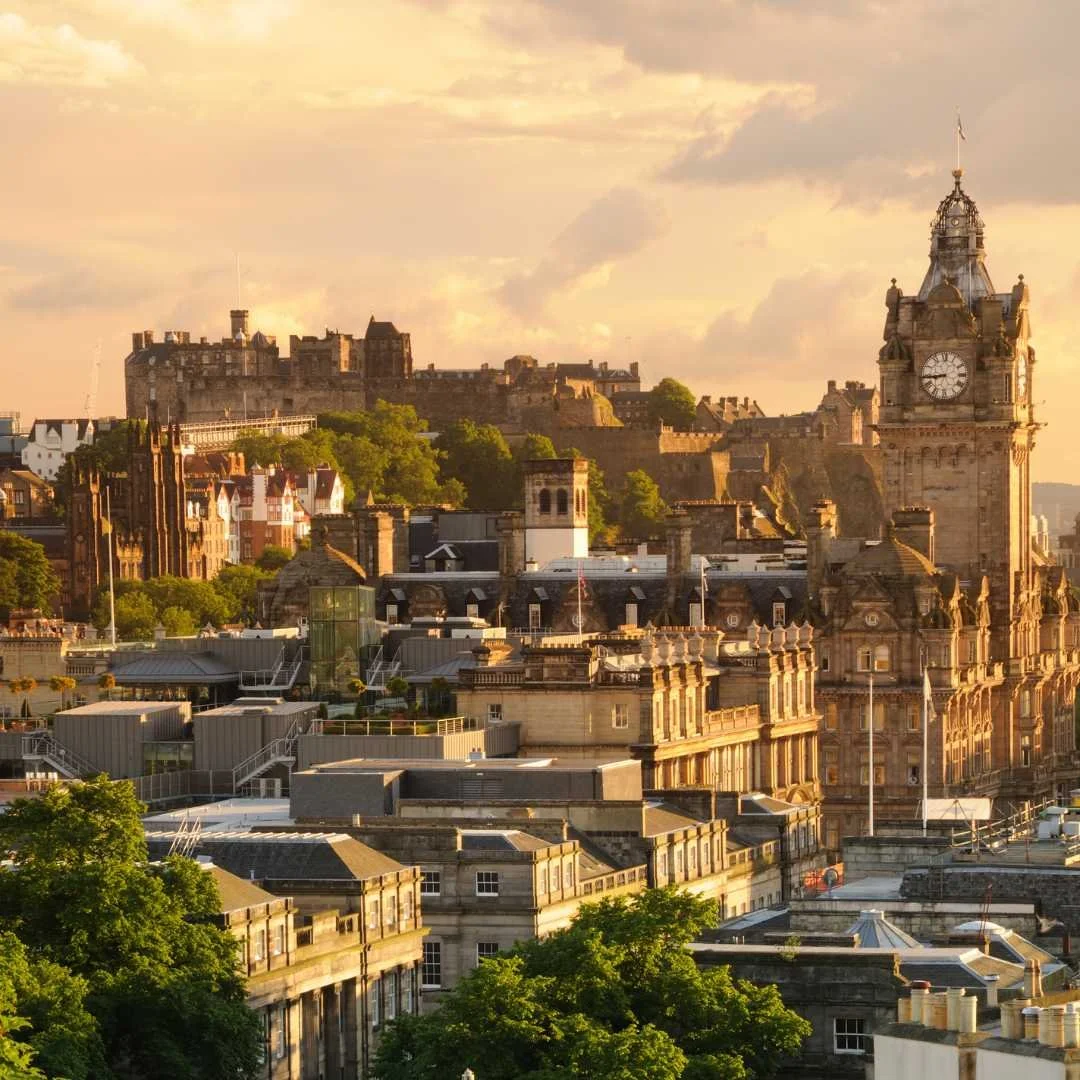
Plan Your Trip to Edinburgh
Medieval closes, a castle on an ancient volcanic rock, Georgian streets, whisky, world-class museums and wild hills right in the middle of the city. Discover what to see, how long to stay, where to base yourself and how to use Edinburgh as the starting point for a wider Scotland trip.
Edinburgh Works Best When You Explore It on Foot
Edinburgh is unusually easy to understand once you stop thinking of it as one big city centre.
The medieval Old Town runs along a ridge from Edinburgh Castle towards Holyrood. Below it sit the Grassmarket and Princes Street Gardens. Across the valley is the orderly Georgian New Town, while hills such as Calton Hill and Arthur's Seat rise unexpectedly out of the urban landscape.
That combination is what makes Edinburgh different. You can spend the morning inside a medieval fortress, walk through centuries-old closes after lunch and finish the day above the city looking towards the Firth of Forth.
How Many Days Do You Need in Edinburgh?
Edinburgh can fill a week, but if the city is part of a wider Scotland journey we think two full days is the strongest starting point.
See the Historic Core
Focus almost entirely on the Old Town: Edinburgh Castle, the Royal Mile, hidden closes, St Giles' and the Grassmarket. It will be a full day.
The Best First Visit
Give the Old Town its own day, then combine a museum or palace with the New Town and one of Edinburgh's great viewpoints.
Explore Beyond the Centre
Add Stockbridge, Dean Village, Leith, more museums, longer time in Holyrood Park or use Edinburgh as your base for a day trip into Scotland.
How We'd Spend Two Days in Edinburgh
Keep each day geographically coherent. Edinburgh involves plenty of hills, cobbles and stairs, so constantly crossing the city simply wastes energy.
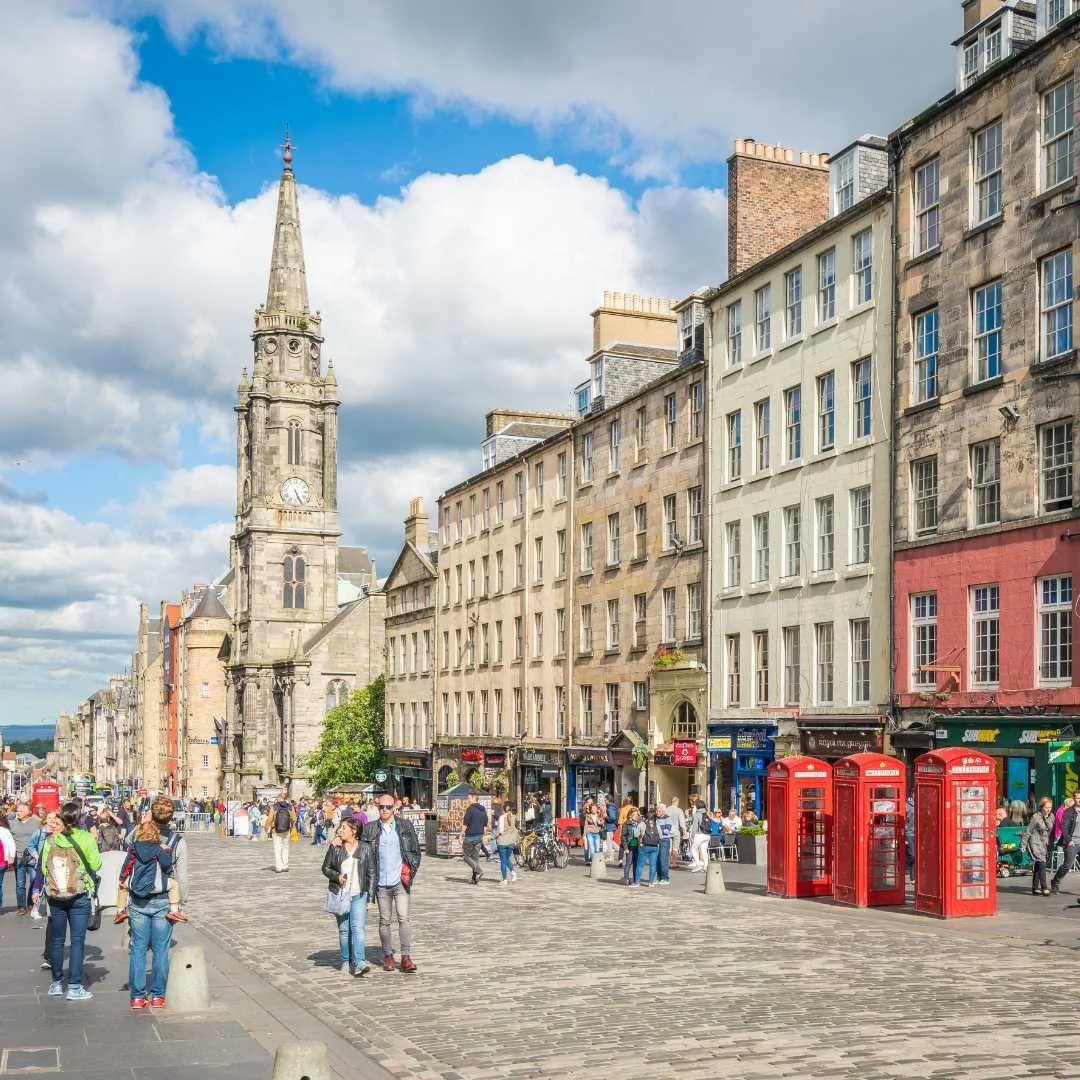 Day 1
Day 1
Old Town & Edinburgh Castle
Spend your first day inside the medieval heart of the city rather than trying to cross half of Edinburgh.
- Edinburgh Castle — ideally pre-booked
- Walk downhill along the Royal Mile
- Explore closes and wynds as you go
- St Giles' Cathedral
- Victoria Street & Grassmarket
- National Museum of Scotland if time allows
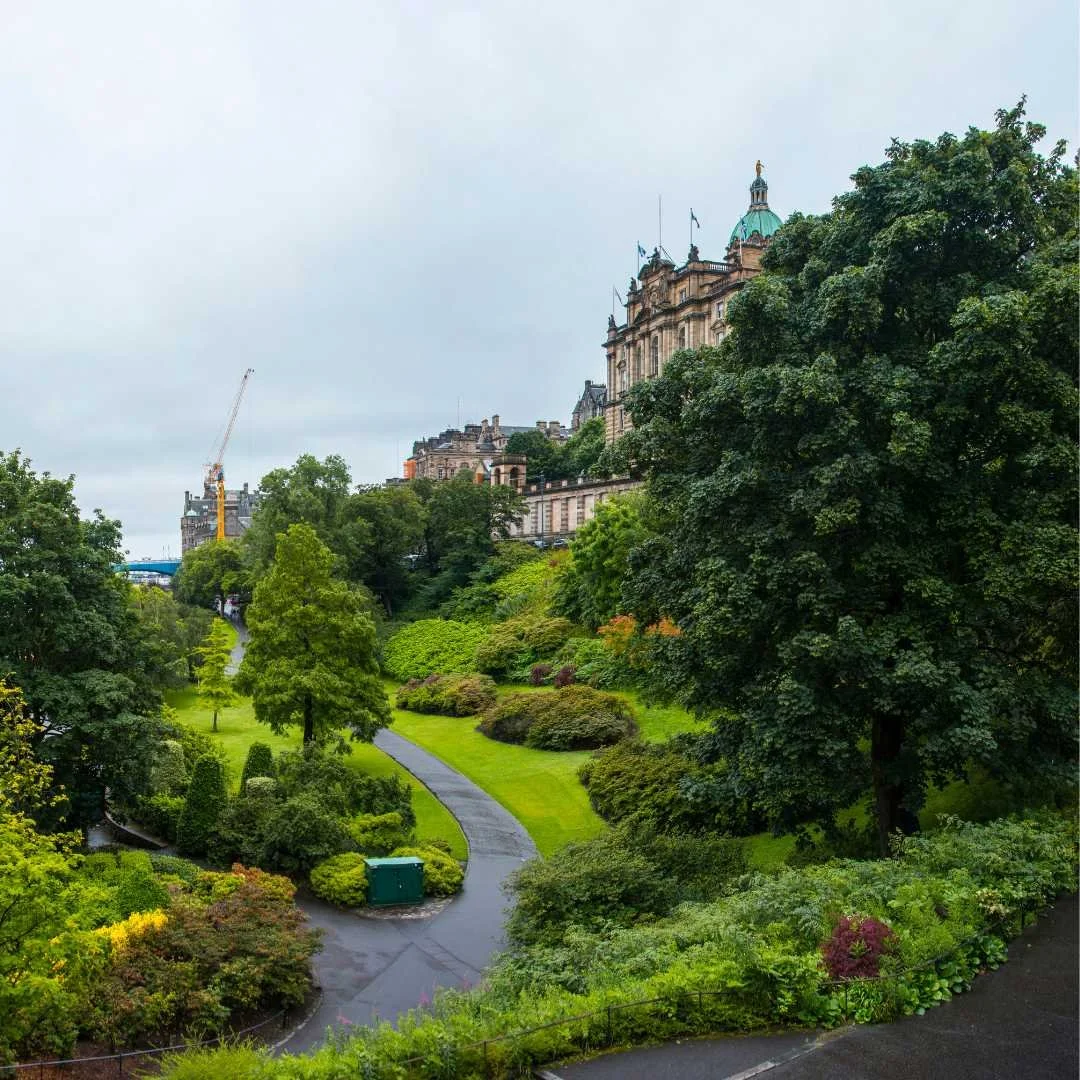 Day 2
Day 2
Views, New Town & a Wilder Edinburgh
Use your second day to see the city from above and experience the contrast between medieval and Georgian Edinburgh.
- Calton Hill for a short panoramic viewpoint
- Princes Street Gardens
- Georgian New Town
- Stockbridge or Dean Village
- Palace of Holyroodhouse if royal history interests you
- Arthur's Seat if you want a proper walk
The Edinburgh Experiences We'd Prioritise
You do not need a list of 30 attractions. These are the places and experiences that best explain why Edinburgh is such an unusual city.
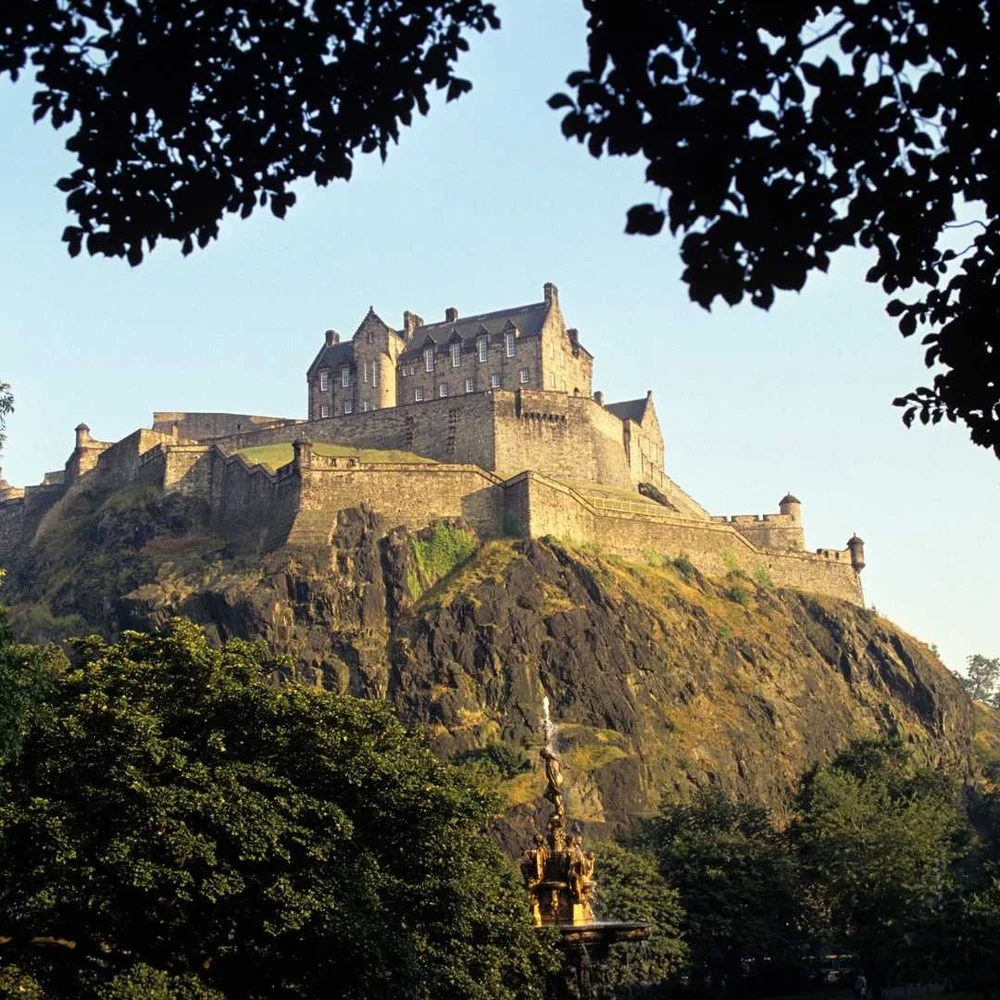
Edinburgh Castle
The fortress dominates the city from Castle Rock and contains royal, military and national history ranging across centuries.
Plan ahead: admission uses timed entry and popular dates can sell out.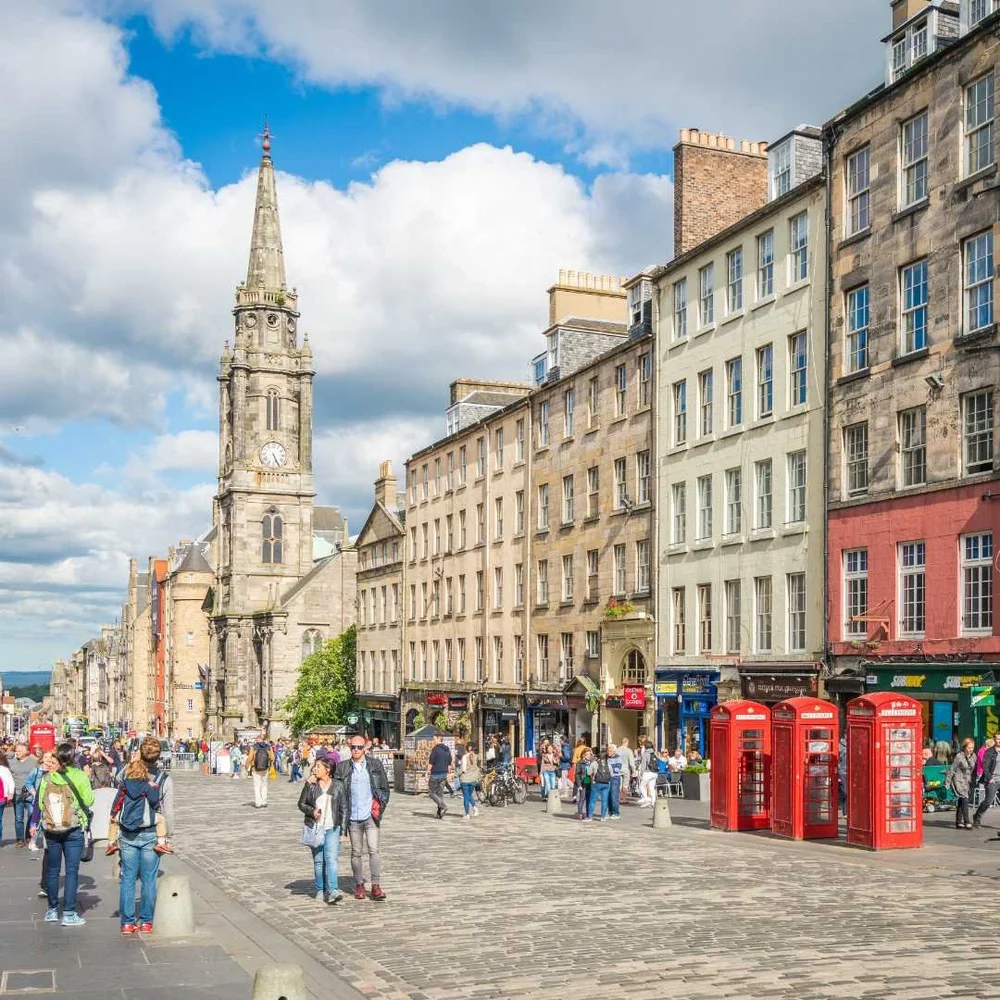
Royal Mile & Hidden Closes
The famous street connects the castle with Holyrood, but the best parts are often the closes, courtyards and side streets that descend from it.
Our tip: do not simply walk from one end to the other without turning off it.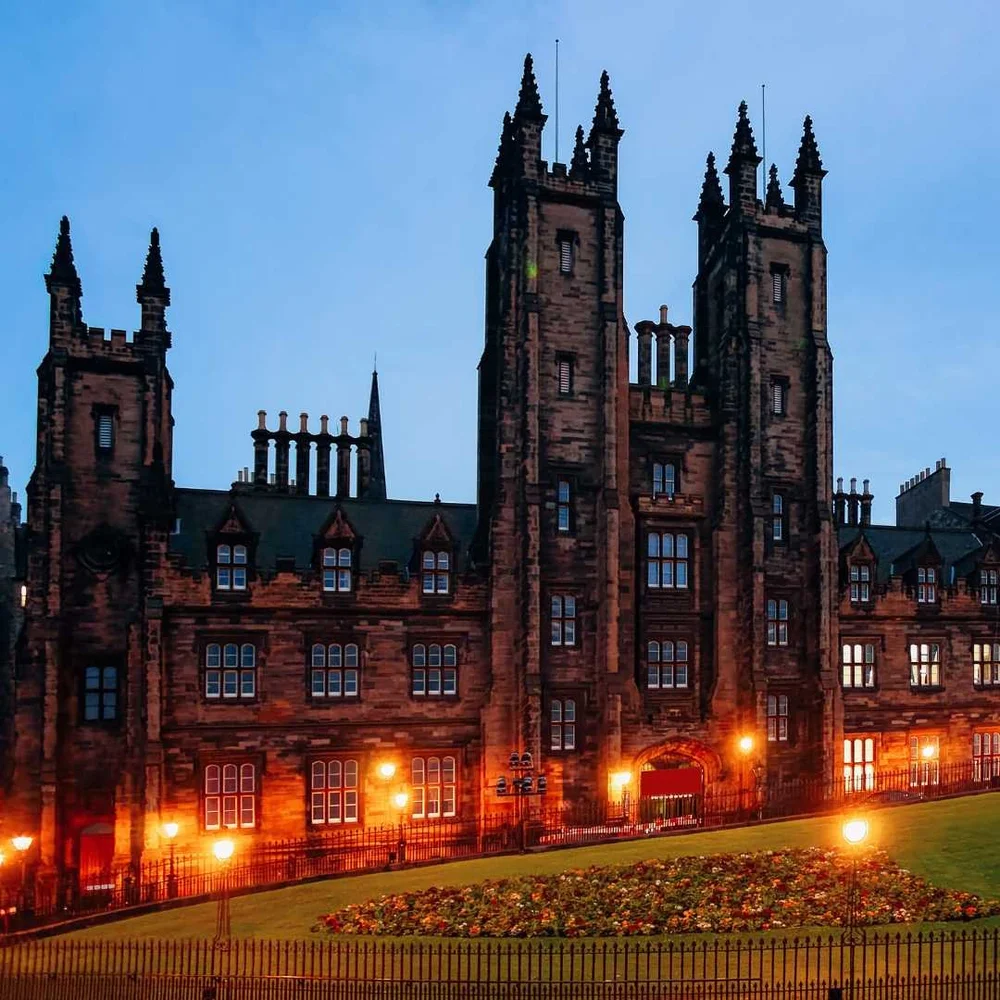
National Museum of Scotland
One of the best places to understand Scotland before travelling beyond the capital — covering archaeology, technology, natural history and Scottish culture.
Useful rainy-day option: general admission is free.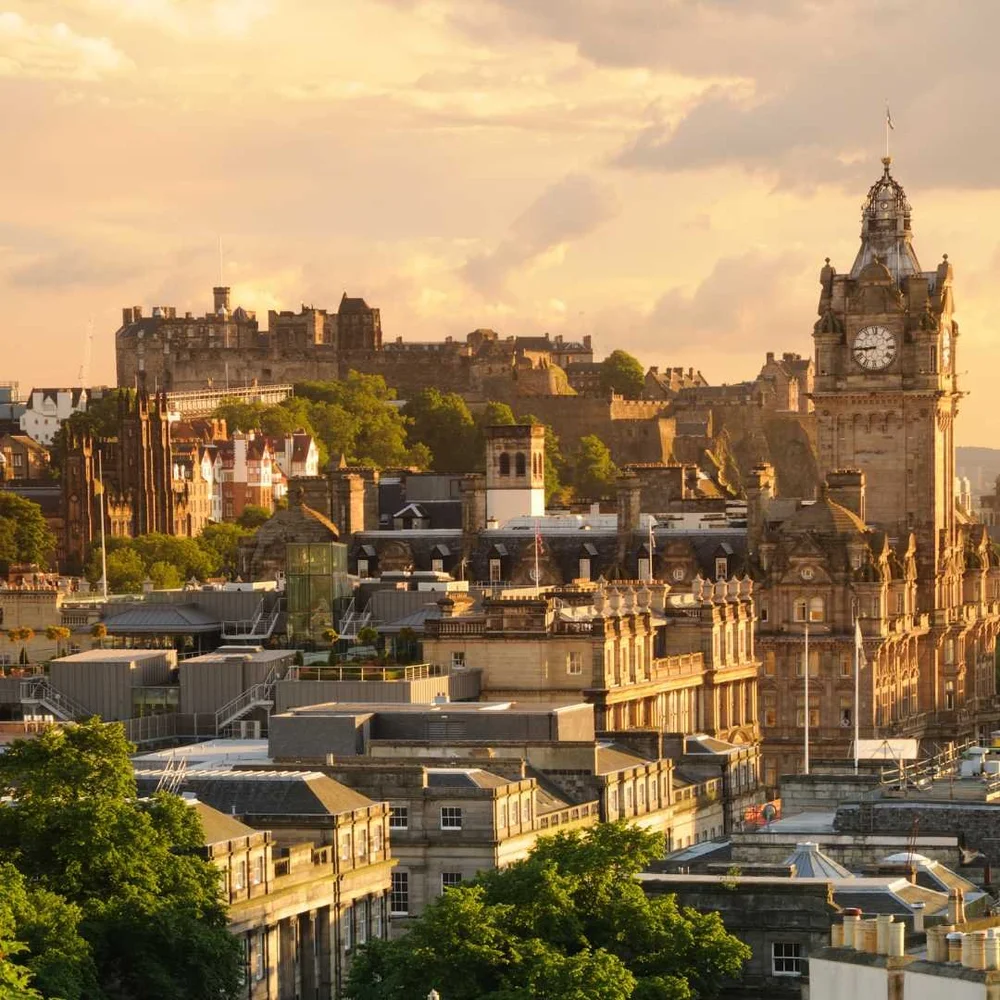
Grassmarket & Victoria Street
A historic market square below the castle connects with one of Edinburgh's most recognisable curving streets and a network of Old Town lanes.
Best for: wandering, pubs, independent shops and castle views.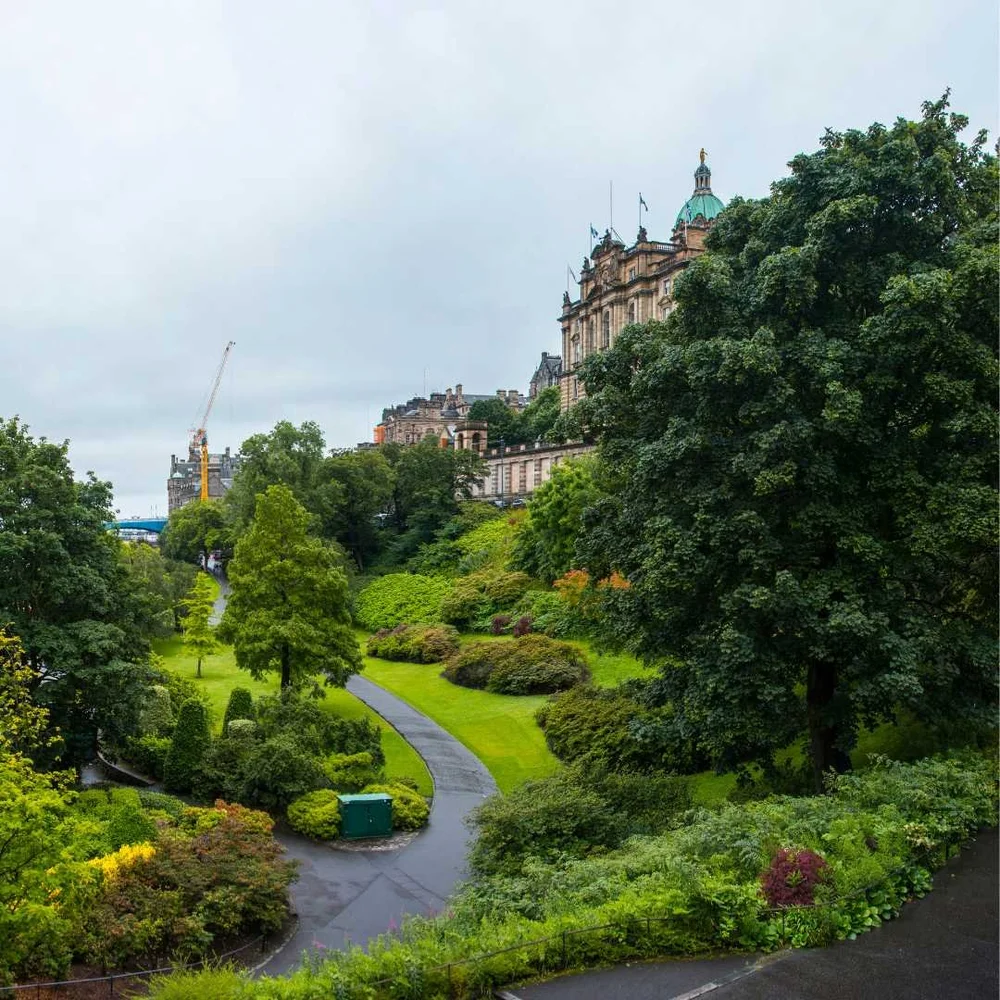
Calton Hill
One of the quickest ways to understand Edinburgh's geography. From the top you can pick out the castle, Old Town, Arthur's Seat, New Town and the Firth of Forth.
Best for: big views without committing to a substantial hike.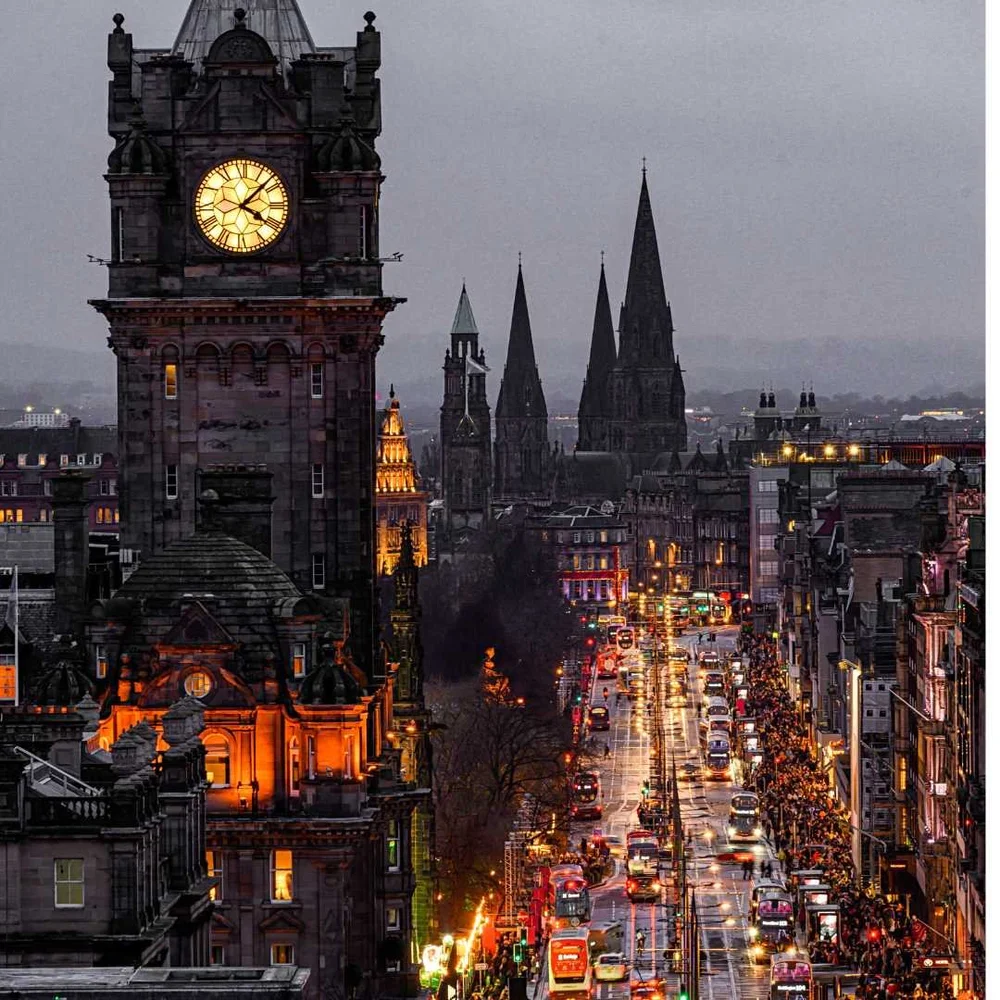
Arthur's Seat & Holyrood Park
A rugged volcanic landscape rises immediately beside the city. Arthur's Seat reaches 251 metres and offers sweeping views across Edinburgh and the Lothians.
Remember: this is a proper outdoor walk, not simply another paved city viewpoint.Where Should You Stay in Edinburgh?
For a short first visit, location matters more than saving a few pounds on a room that leaves you commuting into the centre.
Old Town
Stay close to the Royal Mile, castle, Grassmarket and major historic attractions. Atmospheric and extremely convenient, but busy and often expensive.
New Town
Elegant Georgian streets, restaurants and shopping with easy walking access to Old Town. Often a calmer base than the Royal Mile itself.
Stockbridge
Independent cafés, shops and residential streets north of the centre. Particularly good if you've already visited Edinburgh or want a more neighbourhood feel.
Leith
A distinct waterfront neighbourhood with excellent food and drink. The tram now connects central Edinburgh all the way to Newhaven.
Getting Into — and Around — Edinburgh
For most visitors the simplest transport strategy is remarkably straightforward: get into the centre, then walk until you have a reason not to.
Airport Tram
The tram runs directly from outside the airport terminal towards the city centre and onwards to Leith and Newhaven. Airport to central Edinburgh takes roughly 30 minutes.
Walk
Most major central sights are close enough to combine on foot. Be prepared for cobbles, hills, steps and steep streets rather than long distances.
Bus & Tram
Edinburgh has an extensive public transport network. Contactless tap-on/ tap-off travel can also cap eligible city journeys when the same card or device is used.
Hire Car
Useful when leaving for rural Scotland, but often unnecessary while staying in central Edinburgh. Parking and city driving add more inconvenience than freedom for most short visits.
For qualifying stays from 24 July 2026, a 5% levy applies to the accommodation portion of paid overnight stays before VAT, capped at the first five consecutive nights. Your accommodation provider should show how this affects your booking.
When Is the Best Time to Visit Edinburgh?
Edinburgh is genuinely year-round. What changes is the atmosphere — and nowhere is that more obvious than during festival season.
Spring
Increasing daylight, gardens returning to colour and a city that is generally calmer than during the main summer rush.
Early Summer
Long evenings make sightseeing easy and give you more flexibility for viewpoints and outdoor exploration.
Festival Edinburgh
Extraordinary atmosphere and thousands of performances — but also the city's highest pressure on accommodation, streets and popular attractions.
Autumn & Winter
Shorter days and colder weather create a darker, atmospheric Edinburgh that particularly suits its historic streets, pubs and museums.

Festival Edinburgh Is Almost a Different City
For several weeks every August, venues, pubs, theatres, university buildings and temporary spaces across Edinburgh fill with comedy, theatre, music, circus and street performance.
It can be one of the most exciting times imaginable to visit — but do not arrive expecting an ordinary city break.
- Book accommodation substantially earlier.
- Expect central streets to be much busier.
- Leave extra time between attractions and transport.
- Build actual festival shows into your itinerary.
- Reserve major attractions separately; festival tickets do not reduce visitor demand elsewhere.
Eat, Drink & Slow the City Down
Leave room between monuments. Edinburgh becomes much more enjoyable when part of the itinerary is simply sitting somewhere old with food, whisky or a pint.
Try Haggis Properly
Haggis with neeps and tatties is the obvious starting point, but Edinburgh also has plenty of modern restaurants serving Scottish produce in less traditional ways.
Explore Scotch Whisky
Edinburgh is not a whisky-producing region in the way Speyside or Islay are, but it is an excellent place to compare styles from across Scotland before travelling farther.
Find a Proper Pub
Step away from the busiest few metres of the Royal Mile and Edinburgh becomes much better for quiet historic pubs, live music and neighbourhood evenings.
Use Edinburgh as Your Gateway to Scotland
Once you've explored the capital, Edinburgh is one of the easiest places in Scotland from which to reach Highland landscapes, castles, Loch Ness, St Andrews and the islands.
 Big Highland Day
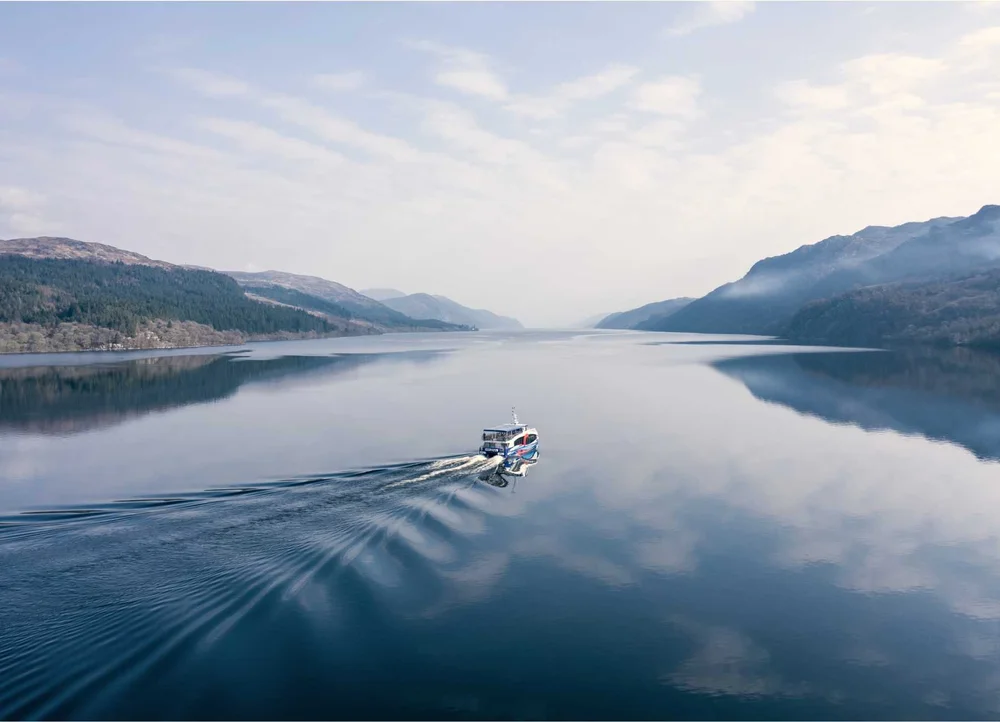
Loch Ness & Highlands
Ancient woodland, the Cairngorms, legendary Loch Ness and dramatic Glencoe in one full Highland journey.
Explore Loch Ness Tour →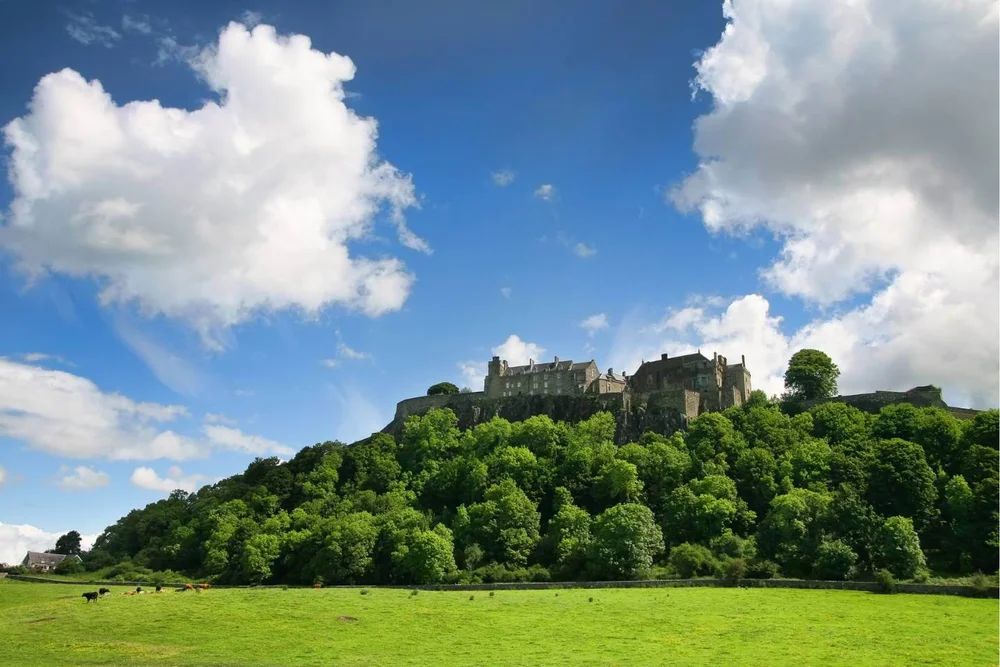 Great All-Rounder
Stirling, Loch Lomond & Whisky
Royal history, a Loch Lomond walk, Scotch whisky and the enormous Kelpies in one varied day.
Explore Tour →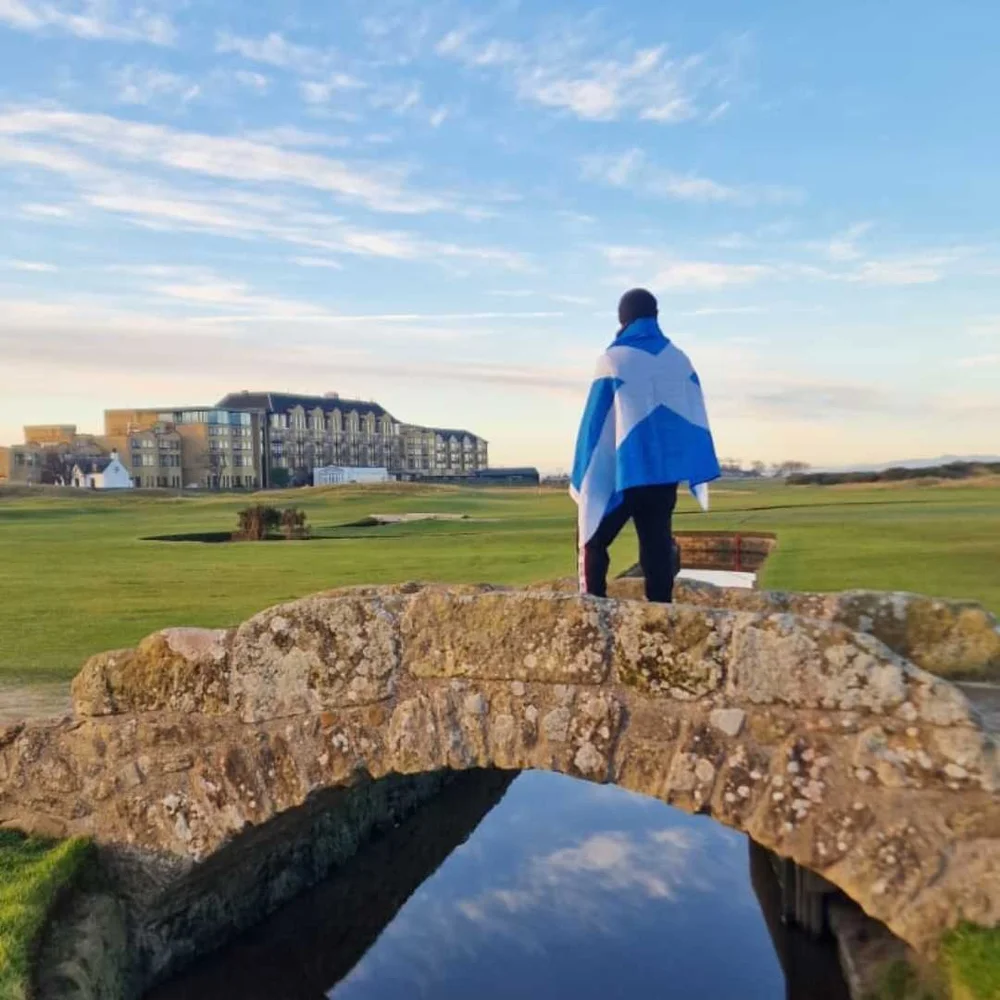 History & Coast
St Andrews & Dunfermline
Medieval ruins, Scotland's oldest university, golf history, coastline and the royal stories of Dunfermline.
Explore St Andrews Tour →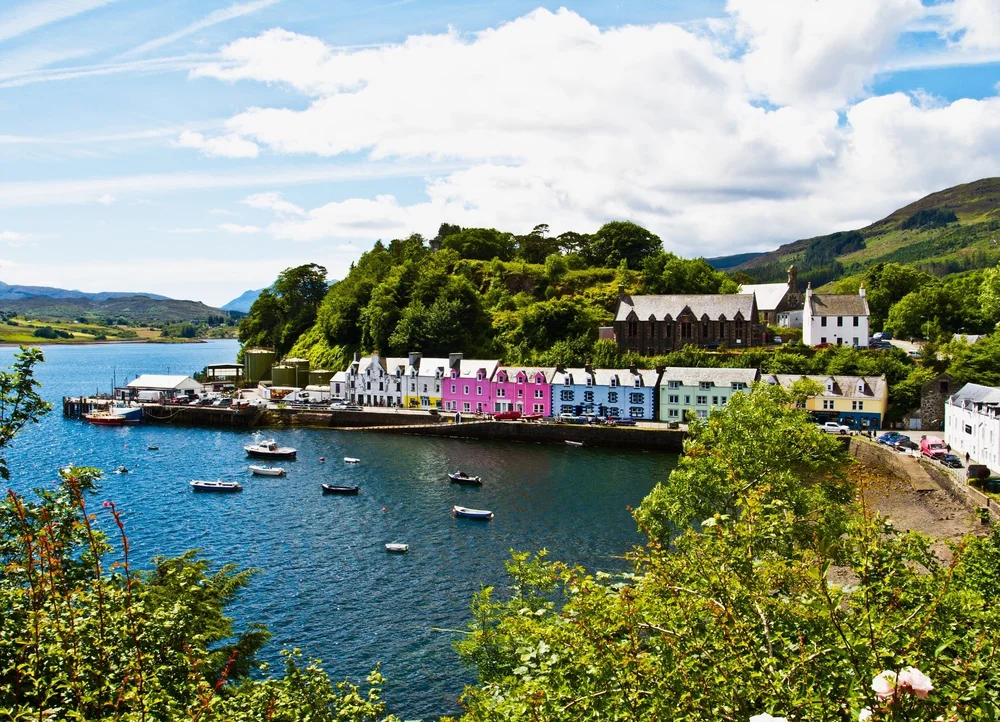 Most Popular Adventure
Isle of Skye & Highlands
Travel through Glencoe, stay two nights on Skye and return through Eilean Donan and Loch Ness.
Explore Skye Tour →Coast, Castles & Filming Locations
Choose from Outlander filming locations, Alnwick Castle & Rosslyn Chapel or our seasonal Puffin Boat Trip & Castle adventure.
View All Edinburgh Day Tours →Turn Edinburgh Into the Start of Your Journey
Spend two days around Loch Ness or go farther with 3-, 5- and 7-day adventures through Skye, the Highlands and Scotland's northern and western islands.
Explore Multi-Day Tours →What Should You Book Ahead in Edinburgh?
You do not need to schedule every hour, but a handful of advance reservations can prevent your itinerary being dictated by what is left.
Edinburgh Castle
The castle operates dated and timed tickets. Reserve it before your trip, particularly during weekends and peak travel periods.
August Accommodation
Festival season creates intense demand. If August is your plan, accommodation should be one of the first parts of the trip you secure.
Your Scotland Tour
Small-group departures have finite capacity. If Skye, Loch Ness or another particular journey matters to you, do not leave the tour until the end of your planning.
Edinburgh Travel FAQs
Is two days enough for Edinburgh?
Yes. Two full days gives most first-time visitors enough time to experience the Old Town, Edinburgh Castle and Royal Mile, then see a different side of the city through the New Town, museums or one of Edinburgh's hills.
If Edinburgh itself is the main reason for your trip, three or four days can easily be filled.
Do I need a car in Edinburgh?
No. Central Edinburgh is very walkable and has extensive bus and tram services. For most visitors a car is more useful once leaving the city for rural Scotland than while exploring Edinburgh itself.
How do I get from Edinburgh Airport to the city centre?
The tram runs directly from outside the airport terminal into central Edinburgh, with the journey taking roughly 30 minutes. Airport buses and taxis are also available.
Is Edinburgh Castle worth visiting?
For a first visit, usually yes. The castle's history, setting and views make much more sense of the city around it. It is also one of Edinburgh's busiest paid attractions, so advance booking is sensible.
Is the National Museum of Scotland free?
Yes. General admission to the National Museum of Scotland is free, although some special exhibitions may charge separately.
Is Arthur's Seat difficult to climb?
Arthur's Seat rises to 251 metres and is a genuine outdoor hill walk. Routes vary, but expect uneven ground and potentially slippery conditions. Comfortable footwear and weather- appropriate clothing are sensible.
If you want a much shorter city viewpoint, Calton Hill is the easier alternative.
Is August a good time to visit Edinburgh?
Yes — if you want the festivals. Edinburgh's August atmosphere is extraordinary, but it is also much busier and accommodation demand is significantly higher. Book earlier and deliberately make the festivals part of the reason for travelling.
What is the Edinburgh visitor levy?
Edinburgh now applies a 5% visitor levy to the accommodation portion of qualifying paid overnight stays, before VAT, for a maximum of five consecutive nights. The scheme applies to eligible stays from 24 July 2026.
What is the best day trip from Edinburgh?
It depends on what you want from the day. Loch Ness is the largest Highland adventure; Stirling, Loch Lomond and whisky provides a varied introduction to Scotland; St Andrews offers history and coastline; while Outlander and Alnwick focus more heavily on filming locations and castles.
Can I visit the Isle of Skye from Edinburgh?
Yes, but Skye should not be treated as a sensible Edinburgh day trip. It is a substantial journey into the Highlands.
Our shortest Skye itinerary from Edinburgh lasts three days and includes two nights on the island, allowing a full day to explore Skye properly.
The Highlands Are Closer Than They Look
Keep Edinburgh as the beginning of your Scotland story, then travel into castles, lochs, mountains and islands with a Scotland's Wild small-group adventure departing directly from the capital.