

Isle of Skye Travel Guide: Plan Your Trip
Mountains, sea cliffs, fairy glens and one very colourful harbour town. How long to stay, how to get there, where to base yourself and when to go, from the guides who take people to Skye every week of the season.
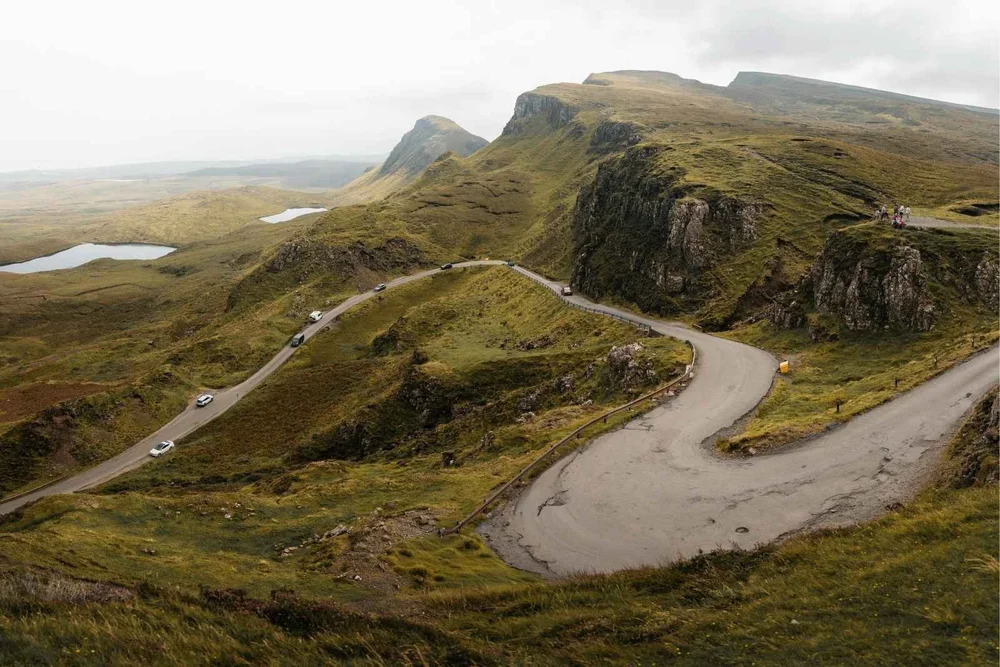
Give the Isle of Skye at least two nights. Drive over the free Skye Bridge, stay in Portree, spend one day on the Trotternish loop in the north and one in the west and the Cuillin.
Go in May, June or September for long days and fewer crowds, start early at the busy spots, and leave more time for the roads than the map suggests.
- StayTwo nights or moreThree to see it all
- Best basePortreeMain town, central
- Getting thereSkye BridgeFree, no ferry needed
- Best monthsMay, June, SeptLong days, fewer crowds
- From EdinburghAbout 5 hr 30Too far for a day trip
- Our tours3, 5 and 7 daysFrom £248 per person
On this page
- How long do you need on Skye?
- How we'd spend two days on Skye
- What to see on the Isle of Skye
- How do you get to the Isle of Skye?
- Where should you stay on Skye?
- When is the best time to visit the Isle of Skye?
- How to avoid the crowds on Skye
- Driving on Skye
- What to bring to Skye
- The story behind Skye's landscape
- Isle of Skye tours
- Isle of Skye FAQs
- More Isle of Skye guides
How long do you need on Skye?
You can see a corner of Skye in a day. Seeing it properly takes longer, because the island is about 50 miles long, the best places are spread across three separate peninsulas, and many of the roads are single track.
| Time on Skye | What it gets you |
|---|---|
| 1 day | One area, usually the north (the Storr, Kilt Rock, the Quiraing, the Fairy Glen). Only works if you're already nearby, or on our Skye day tour from Inverness. |
| 2 nights (our minimum) | A full day in the north and time for Dunvegan, Sligachan or the Fairy Pools, with evenings in Portree. |
| 3 nights or more | All three areas without rushing, plus longer walks, Neist Point, Elgol or the Sleat peninsula, and room to swap days around the weather. |
From Edinburgh or Glasgow, Skye is five to six hours' drive each way before stops, so we don't recommend it as a day trip from either city.
How we'd spend two days on Skye
Treat this as a framework. The weather, the car parks and how far you want to walk should decide the details.
1North Skye: the Trotternish loop
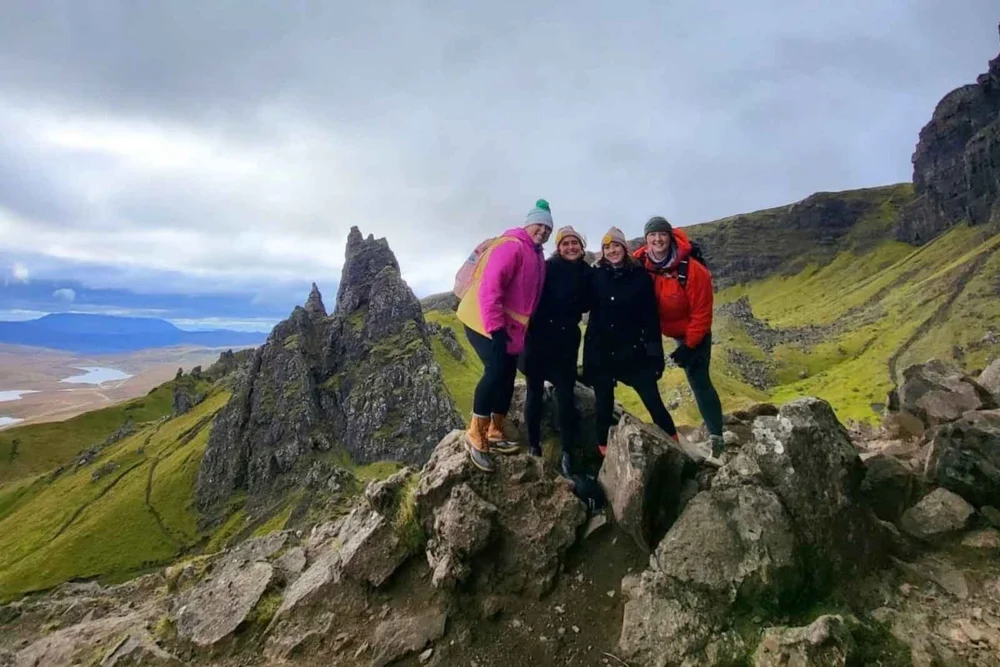
Head north from Portree for the strangest landscapes on the island, all formed by ancient landslips: the Old Man of Storr, Lealt Falls, Kilt Rock and Mealt Falls, the Quiraing, Duntulm Castle and the Fairy Glen near Uig.
If you do the full walk at the Storr or the Quiraing, drop one or two of the shorter stops. It's a full day either way.
2West and central Skye: castles and the Cuillin
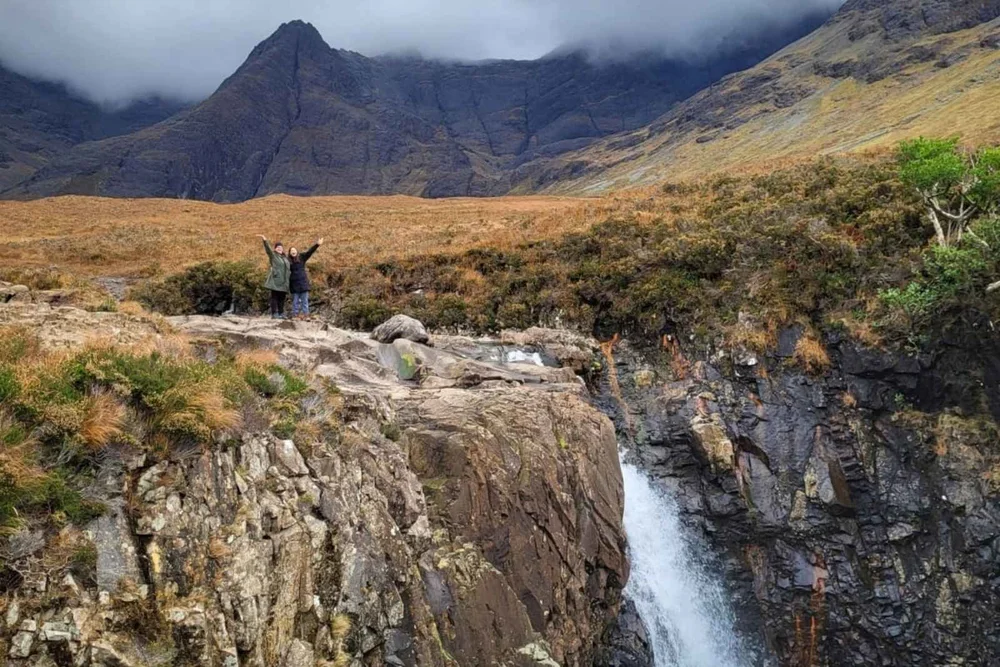
Go west to Dunvegan Castle, home of the MacLeods for around 800 years, then back through Sligachan for the classic view of the Cuillin and on to the Fairy Pools. Add the Talisker distillery at Carbost or sunset at Neist Point if you still have the energy.
Dunvegan and the Fairy Pools together make a big day once you add the driving and walking. Pick one if you want to slow down.
Spend it in the north. Trotternish has more of the views people picture when they think of Skye than anywhere else on the island.
What to see on the Isle of Skye
These are the places we'd put first on a first visit, and how long to give them. Our guide to the most beautiful places on the Isle of Skye has the detail on each one.
| Place | Area | Allow |
|---|---|---|
| Old Man of Storr | North | 1.5 to 2 hours (walk) |
| The Quiraing | North | 30 minutes to 2.5 hours |
| Kilt Rock and Mealt Falls | North | 20 minutes |
| The Fairy Glen | North | 45 minutes |
| Dunvegan Castle | West | 2 hours (April to mid-October) |
| Neist Point | West | 1 hour, best at sunset |
| The Fairy Pools | Central | 1.5 hours (walk) |
| Sligachan | Central | 20 minutes |
| Portree | East | An evening |
How do you get to the Isle of Skye?
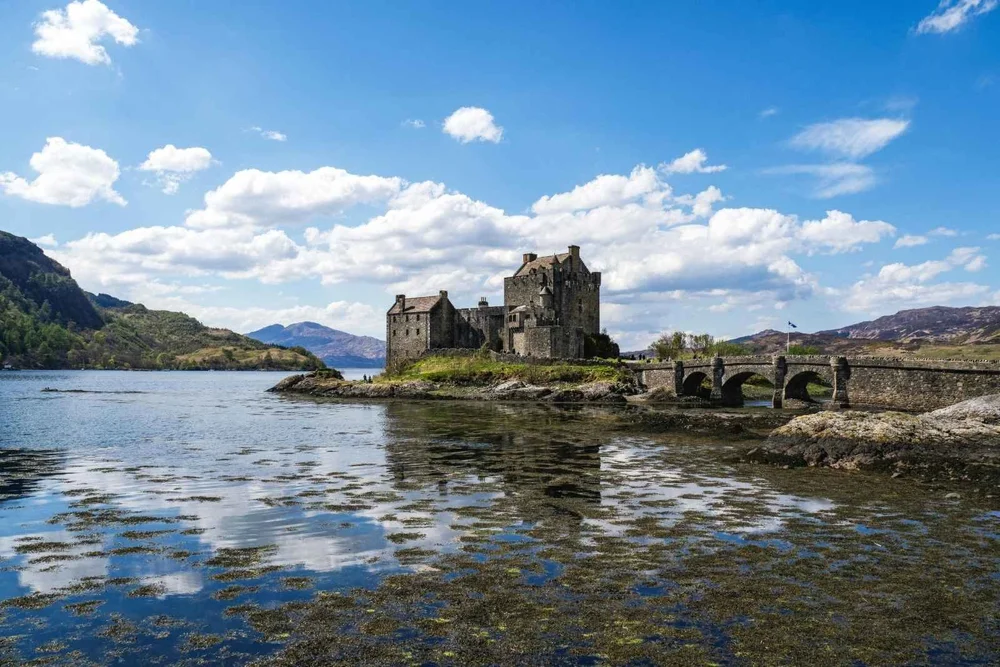
You don't need a ferry. Most people drive over the Skye Bridge from Kyle of Lochalsh, which has been free to cross since 2004. The road there passes Eilean Donan Castle, so most visitors stop on the way.
- By ferry: CalMac sails from Mallaig to Armadale in the south of Skye, about 45 minutes. Book a car space in summer, and check the service on the day.
- By train: there's no railway on Skye. Trains run from Inverness to Kyle of Lochalsh, and on the West Highland Line from Glasgow to Mallaig, and you cross from either.
- By bus: Scottish Citylink runs from Glasgow and Inverness to Portree, but buses around the island are infrequent.
- On a tour: our 3-day tour goes from Edinburgh to the Isle of Skye (or Glasgow to the Isle of Skye) via Loch Lomond and Glencoe, with two nights in Portree and Eilean Donan on the way back.
| From | To Portree, driving without stops |
|---|---|
| Inverness | About 2 hours 30 |
| Fort William | About 2 hours 30 |
| Glasgow | About 5 hours |
| Edinburgh | About 5 hours 30 |
Going on to the Outer Hebrides? Ferries sail from Uig in the north of Skye to Tarbert on Harris and Lochmaddy on North Uist. Our 7-day Skye and Outer Hebrides tour takes that crossing to Lewis and Harris.
Where should you stay on Skye?
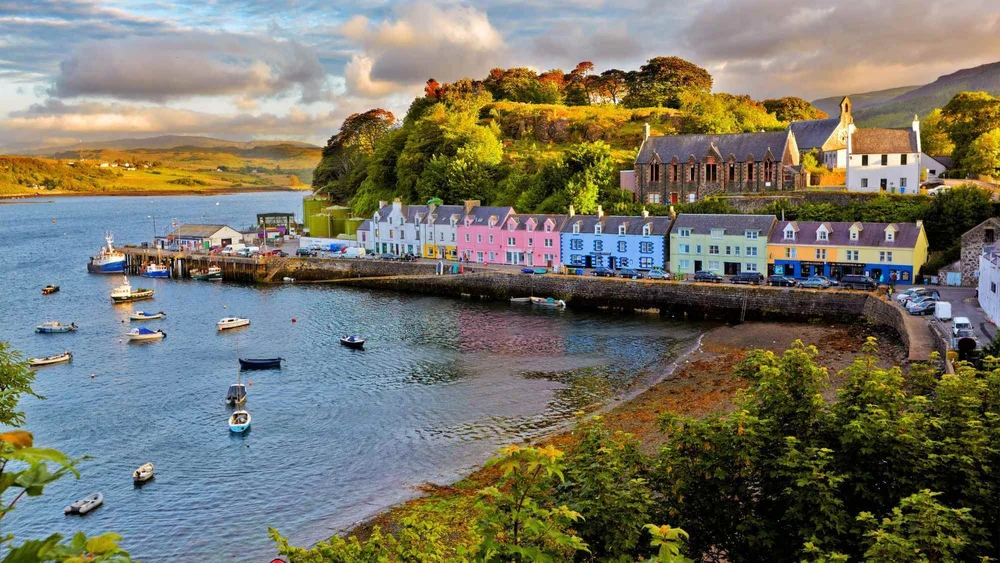
Pick your base by the part of Skye you most want to see. Staying in the right place saves hours of driving.
- Portree: the best first-time base. It's the island's main town, with the most places to eat, and the Storr is 15 minutes away.
- Broadford: handy for the Skye Bridge, Sligachan, Elgol and the south, and usually easier to find a room in than Portree.
- Dunvegan: quieter, and close to the castle, the Coral Beach and Neist Point.
- Uig and Staffin: for the north of Trotternish, the Fairy Glen and the ferries to the Outer Hebrides.
Skye has far fewer beds than its visitor numbers need. For May to September, book months ahead, or you may end up staying on the mainland. On our multi-day tours accommodation isn't included, so you can choose your own, or we can book it for you.
When is the best time to visit the Isle of Skye?
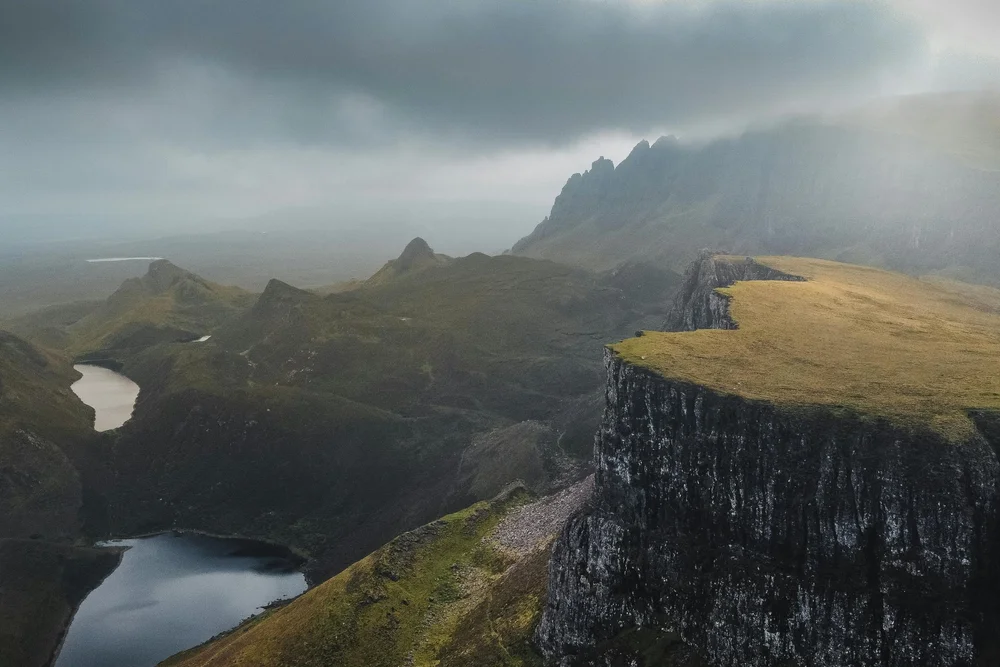
For most people, May, June and September: long days, everything open, and fewer people than July and August. But Skye works in every season if you know what each one brings.
| When | What to expect |
|---|---|
| March and April | Quiet roads and lengthening days. Dunvegan Castle opens on 1 April. Snow is still possible on the Cuillin. |
| May and June | Our favourite time. Often the driest months, with up to 18 hours of daylight in June. Midges start from late May. |
| July and August | The warmest and busiest weeks. Car parks fill by mid-morning and rooms sell out, so start early and book ahead. |
| September and October | Autumn colour on the hills, calmer roads and still decent daylight. Dunvegan closes after 15 October. |
| November to February | Empty, moody and often beautiful, with about seven hours of daylight in December. Some places close and the weather can shut roads. Read whether winter is a good time to visit Skye. |
Whenever you go, expect rain at some point. Skye's weather comes straight off the Atlantic and can change several times a day, which is also why the light here is so good.
How to avoid the crowds on Skye
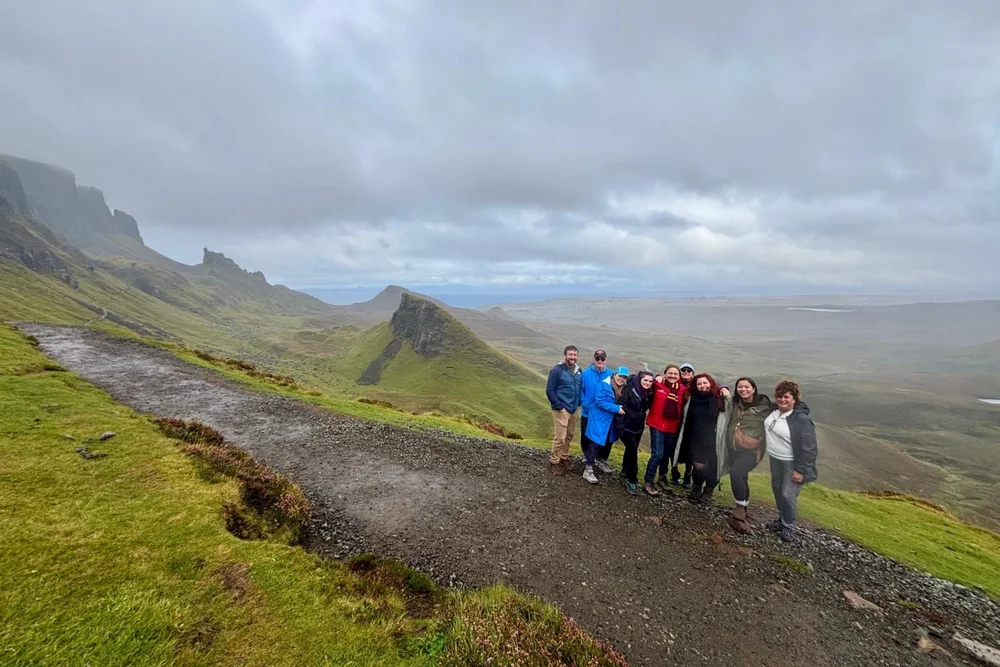
The Storr, the Fairy Pools and the Quiraing are the busiest places on the island from June to August. A few things make a real difference:
- Start early or go late. Before 9am and after 5pm the big car parks have space and the paths are calmer, and in summer you have light until 10pm.
- Do the loop the other way. Most people drive Trotternish anticlockwise from Portree. Going clockwise puts you at the Quiraing and Fairy Glen while the crowds are at the Storr.
- Visit in May, June or September rather than the school holidays.
- Add quieter places. Neist Point, the Coral Beach, Elgol and the Sleat peninsula see far fewer visitors.
- Pay for parking. The Storr and Fairy Pools car parks charge, and the money helps maintain the paths. Never park on verges or in passing places.
Driving on Skye
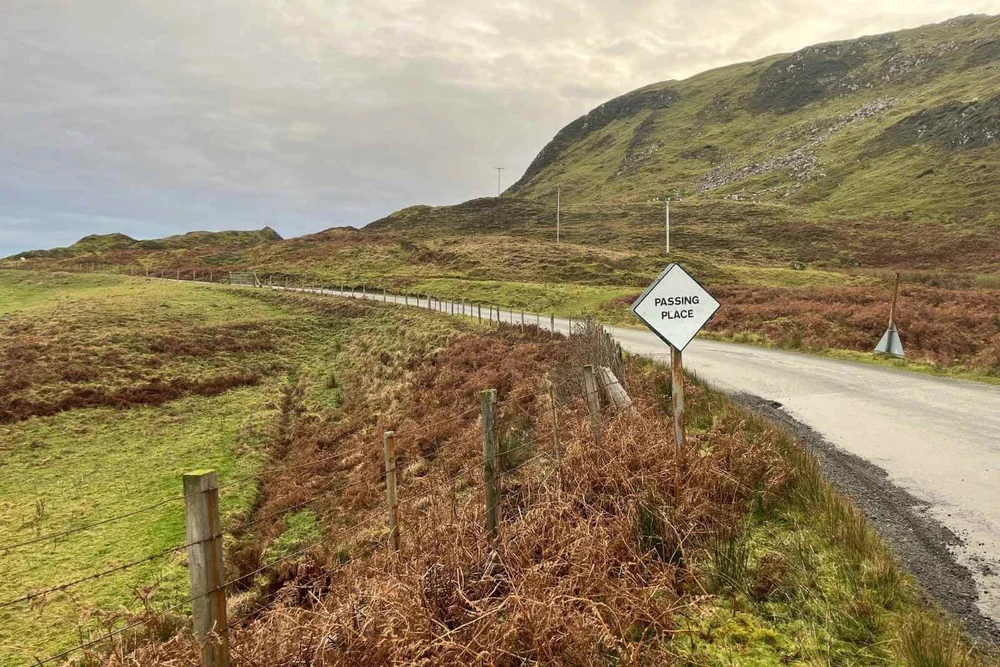
Skye is fine to drive if you're a confident driver, but journeys take longer than the map suggests. Many roads are single track, with passing places every few hundred metres.
- Pull into a passing place on your left to let oncoming cars by, or wait opposite one on your right.
- Let faster traffic behind you overtake: islanders are trying to get to work.
- Never park in a passing place or stop in the road for a photo.
- Expect sheep, cyclists, walkers and slow campervans.
- Fill up with fuel in Portree or Broadford, and download maps before you go, as mobile signal is patchy.
Prefer not to drive? On a tour someone else handles the roads, the parking and the route, and you get the stories along the way.
What to bring to Skye
- A proper waterproof jacket and layers underneath, in any month.
- Walking boots or shoes with grip. The paths at the Storr, the Quiraing and the Fairy Pools are rocky and often muddy.
- Midge repellent from late May to September, especially on calm, damp evenings.
- A small day bag with water, snacks and a spare layer.
- Cash and a card: most places take cards, but signal for card machines can drop out.
The story behind Skye's landscape
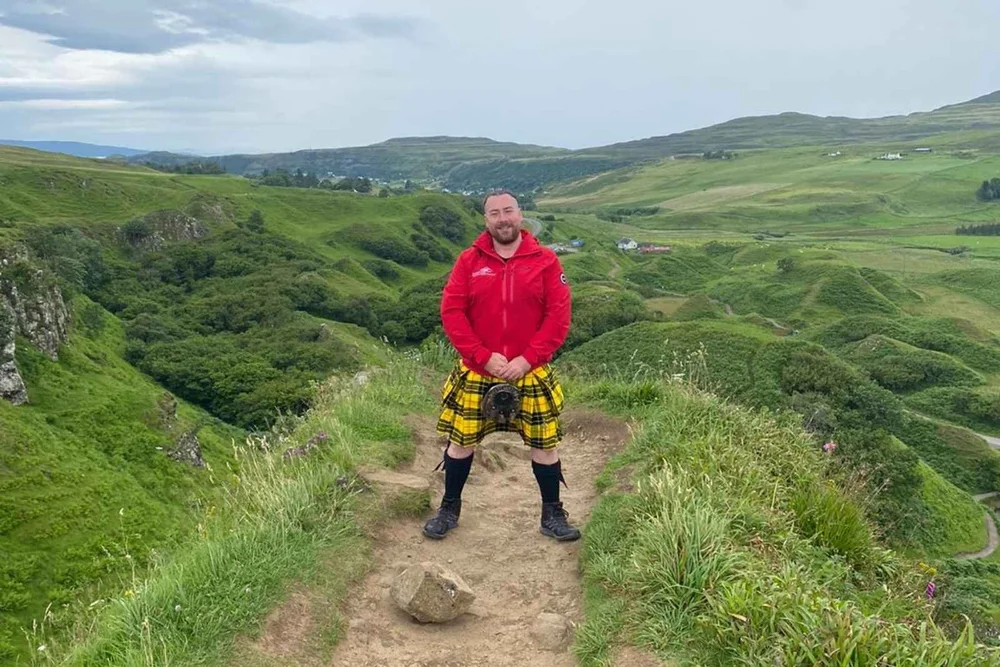
The Cuillin mountains are the worn-down roots of a volcano that was active around 60 million years ago. In the north, layers of lava slid over softer rock beneath them, and that landslip made the Storr, the Quiraing and the Fairy Glen. Glaciers finished the job in the last ice age.
People have lived among it all for thousands of years: Iron Age brochs, Norse settlers (many place names here are Norse), Gaelic culture that is still alive today, and the long rivalry of Clan MacLeod and Clan MacDonald. There are dinosaur footprints on the beaches at Staffin too.
For the legends, from the Fairy Flag of Dunvegan to the waters of Sligachan, read five legends of the Isle of Skye. For whisky, castles and the places our guides love, read Jim's guide to the Isle of Skye.
Look after Skye. People live and farm here. Take your litter home, keep to paths on fragile ground, leave gates as you find them, and please don't build stone stacks or spirals, especially in the Fairy Glen.
Isle of Skye tours
Small groups of no more than 16, storytelling guides, and more time out of the vehicle. Pick by how much of Scotland you want to see around Skye.
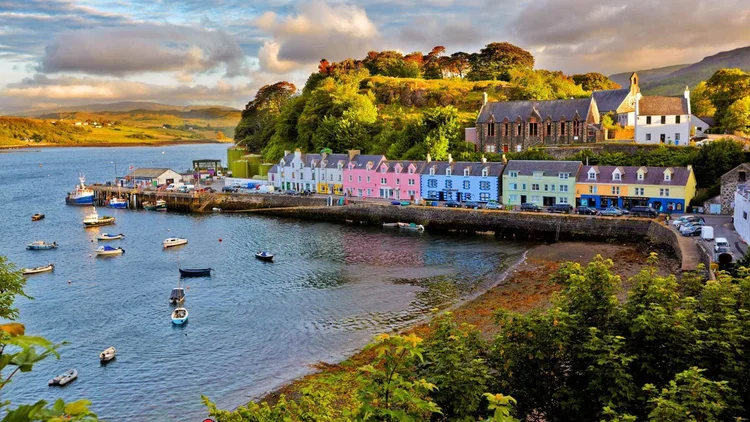 Isle of Skye 3-Day Tour from EdinburghTwo nights on Skye via Glencoe and Loch Ness: the Old Man of Storr, Fairy Glen and Eilean Donan.From £248 per person25% depositView tour →
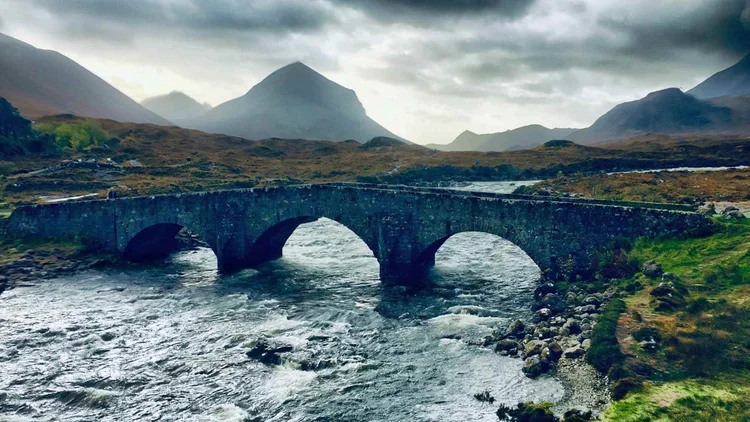 5-Day Scotland Tour from Edinburgh: Skye, Oban & Loch NessKilmartin, Oban, Glencoe, two nights on the Isle of Skye, Loch Ness and Inverness.From £444 per person25% depositView tour →
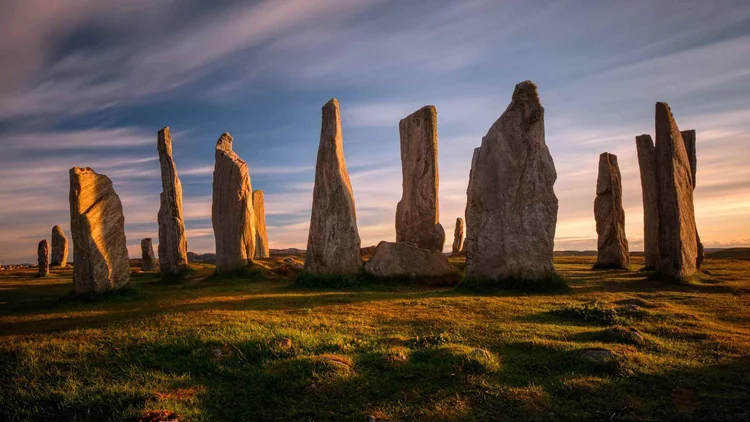 7-Day Scotland Tour from Edinburgh: Skye & the Outer HebridesThe Isle of Skye, Lewis and Harris, Loch Ness and Inverness. Ferries included.From £556 per person25% depositView tour →
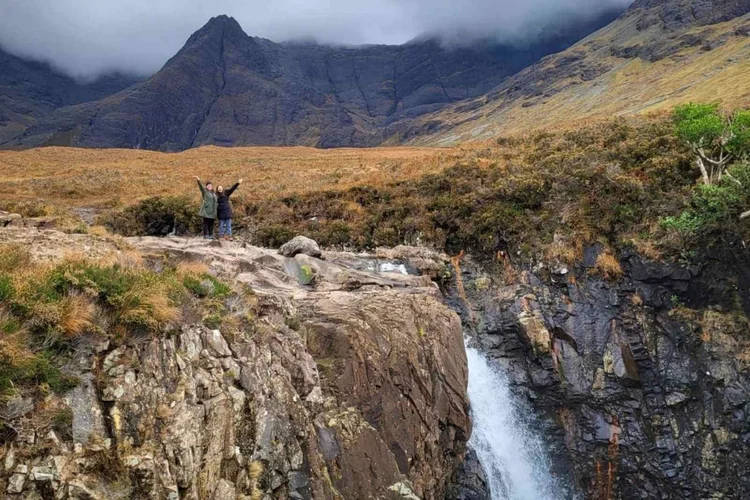 Isle of Skye Day Tour from InvernessEilean Donan, Portree, the Fairy Pools walk and Sligachan in one guided day.From £94 per person50% depositView tour →
Starting in Glasgow? Take the 3-day, 5-day or 7-day tour from Glasgow. Or compare them all on our Isle of Skye tours page.
Prices are per person and vary by date. Multi-day tours don't include accommodation. Want Skye at your own pace? We can build a private tour of Scotland around you.
Isle of Skye FAQs
Where is the Isle of Skye?
Off the north-west coast of Scotland, in the Inner Hebrides. It's joined to the mainland by the Skye Bridge at Kyle of Lochalsh, about 2 hours 30 west of Inverness.
Is Skye an island?
Yes. It's the largest island in the Inner Hebrides, about 50 miles long, with around 10,000 people. Since 1995 it has been linked to the mainland by a bridge, so you can drive there.
How many days do you need on the Isle of Skye?
At least two nights. That gives you a full day in the north (the Storr, the Quiraing, the Fairy Glen) and time for Dunvegan or the Fairy Pools. Three or four nights lets you see the whole island without rushing.
Can you visit Skye as a day trip?
From Inverness, yes: our Skye day tour covers Eilean Donan, Portree, the Fairy Pools and Sligachan. From Edinburgh or Glasgow it's five hours or more each way, so stay at least two nights.
What is the best month to visit the Isle of Skye?
May, June or September. You get long days and everything is open, with fewer people than July and August. October is good for autumn colour, but Dunvegan Castle closes after the 15th.
Do you need a ferry to get to Skye?
No. The Skye Bridge is free and open all year. The ferry from Mallaig to Armadale is an alternative way in from the south.
Where is the best place to stay on Skye?
Portree for a first visit: it's central, has the most places to eat and is 15 minutes from the Storr. Broadford suits the south, Dunvegan the west, and Uig the far north.
Can you get around Skye without a car?
It's hard. Buses link the main villages, but they're infrequent, and many of the best places, like the Quiraing and Neist Point, have no bus at all. A tour is the easiest way.
Are the midges bad on Skye?
They can be, from late May to September on calm, damp days, especially in the evening. They're not dangerous, just annoying. Bring repellent and they won't spoil your trip.
More Isle of Skye guides
Last updated October 2026 by Jordan Ferguson.