
What Not to Do in Scotland: 14 Mistakes to Avoid
Straight-talking advice from a Scotland tour guide
What Not to Do When Visiting Scotland
Fourteen common mistakes that can make a Scottish trip harder than it needs to be — and the simple choices that help you travel more safely, comfortably and enjoyably.
Prefer to watch?
Start with Jim’s quick guide
Jim spends his working days helping visitors make sense of Scotland. Press play for his friendly summary, then use the guide below for the details and useful planning links.
You can also watch the video directly on YouTube.
Getting around Scotland
Give the journey room to breathe
Scotland can look compact on a map. Its rural roads, ferries, viewpoints and irresistible unscheduled stops tell a different story.
Don’t drive on the right
Traffic in Scotland drives on the left. Take extra care when leaving a car park, turning onto an empty road or starting again after a stop. At roundabouts, follow the signs and give way to traffic approaching from the right. On single-track roads, use passing places correctly and let faster traffic pass.
Don’t build an itinerary around map times alone
A route that appears short can take longer on winding roads. Add time for comfort stops, weather, traffic and places you did not know you would want to photograph. If you have a ferry or timed attraction, work backwards from its check-in time.
Don’t only stay in Edinburgh
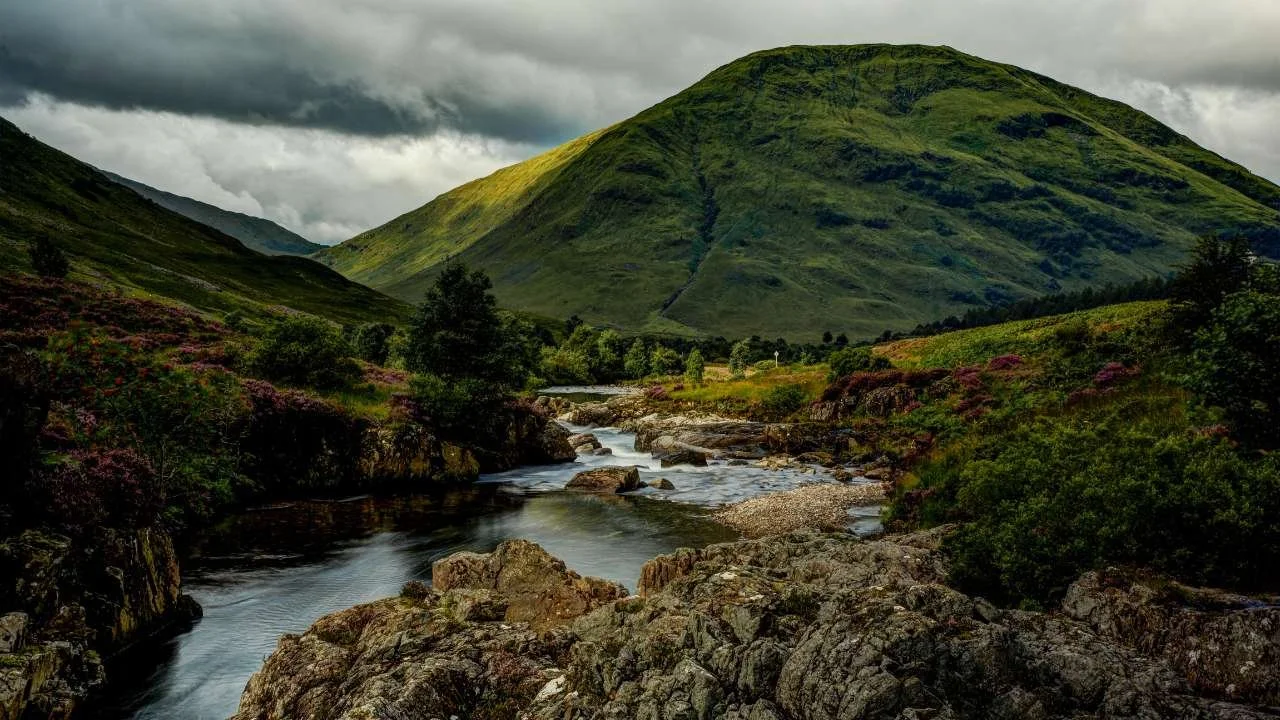
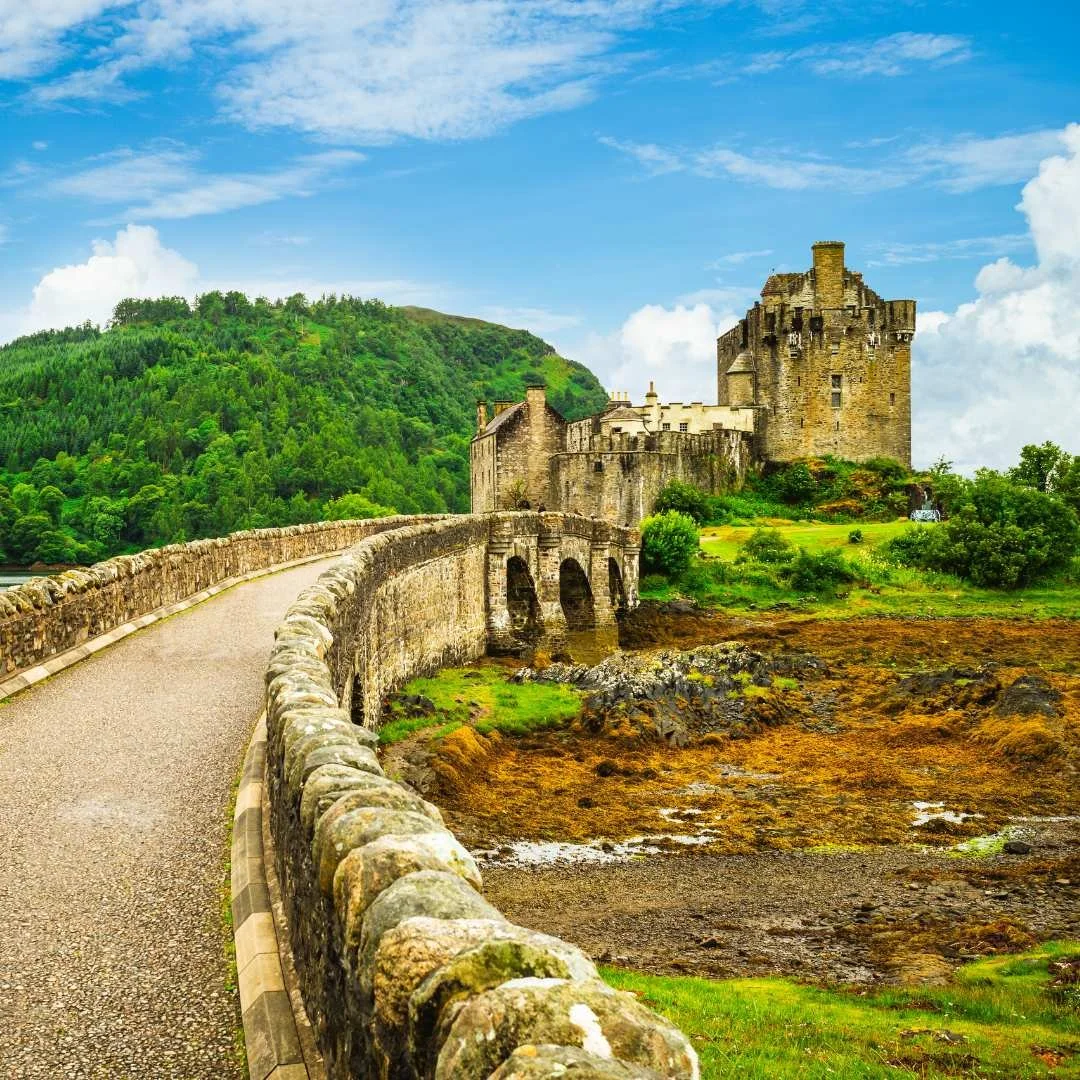
Edinburgh deserves its place in your plans, but it is a starting point rather than the whole story. Even one well-planned day beyond the city can introduce you to Highland landscapes, lochs, castles and smaller communities. If time allows, a slower multi-day route reveals much more.
Don’t try to collect every famous place
Edinburgh, Glasgow, Skye, Loch Ness, Inverness, the North Coast 500 and the Outer Hebrides do not make a relaxed single-week checklist. Choose a region or a coherent route. You will spend less time packing and driving — and more time actually experiencing Scotland.

Weather and practicalities
Prepare for change, not disaster
You do not need expedition kit for ordinary sightseeing. You do need layers, a few sensible checks and space in your bag for both rain and sunshine.
Don’t arrive without a waterproof
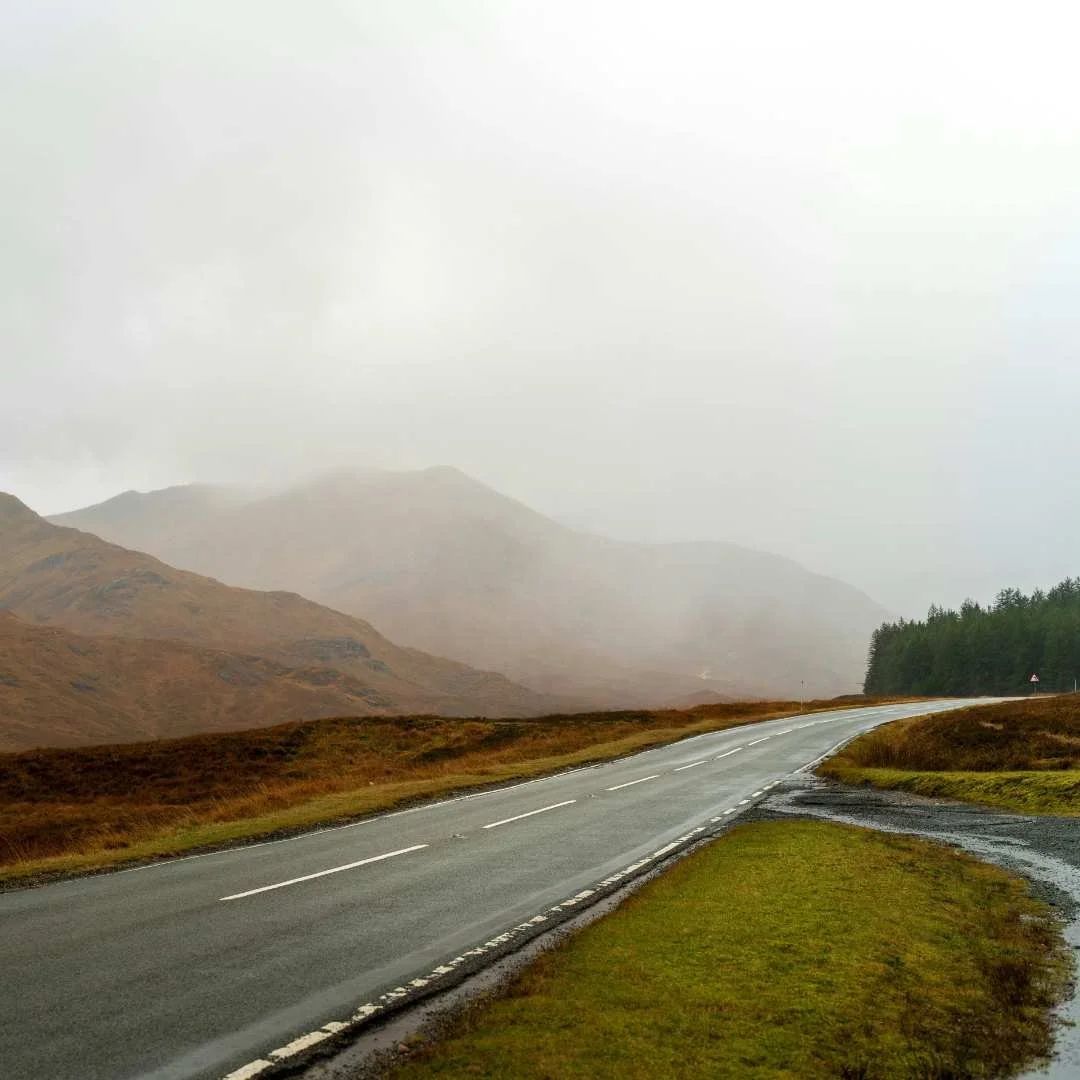
Conditions can change quickly, particularly in the Highlands, on islands and near the coast. A proper waterproof outer layer and comfortable layers underneath are more useful than relying on a single heavy coat. Check the forecast again on the day.
Don’t forget sun protection
Cool air does not mean ultraviolet levels are negligible. The Met Office notes that the sun can be strong enough to burn in the UK, particularly from April to September. Check the UV forecast and carry suitable sunscreen, sunglasses and a hat when needed.
Don’t keep buying bottled water
Bring a refillable bottle. Scottish Water monitors treated supplies and provides public Top Up Taps around Scotland. Use treated tap water unless a local notice says otherwise; do not assume that an untreated stream is safe simply because it looks clear.
Don’t assume every property has a lift
Some hotels, guesthouses and B&Bs occupy historic or converted buildings, so access varies. If stairs, step-free entry, bathroom layout or luggage assistance matters to you, ask the property about your exact room before booking rather than relying on a general description.
Don’t assume everything stays open late
Opening hours vary by business, place, season and day of the week. Rural cafés, shops and attractions may close earlier than you expect, while popular sites can require advance tickets. Check the operator’s own current listing — especially on Sundays and outside the main season.
Food, people and good manners
Be curious — and leave the clichés at home
A friendly question is usually welcome. Treat Scotland as a living country rather than a stage set and the conversations tend to become much more interesting.
Don’t dismiss haggis before tasting it
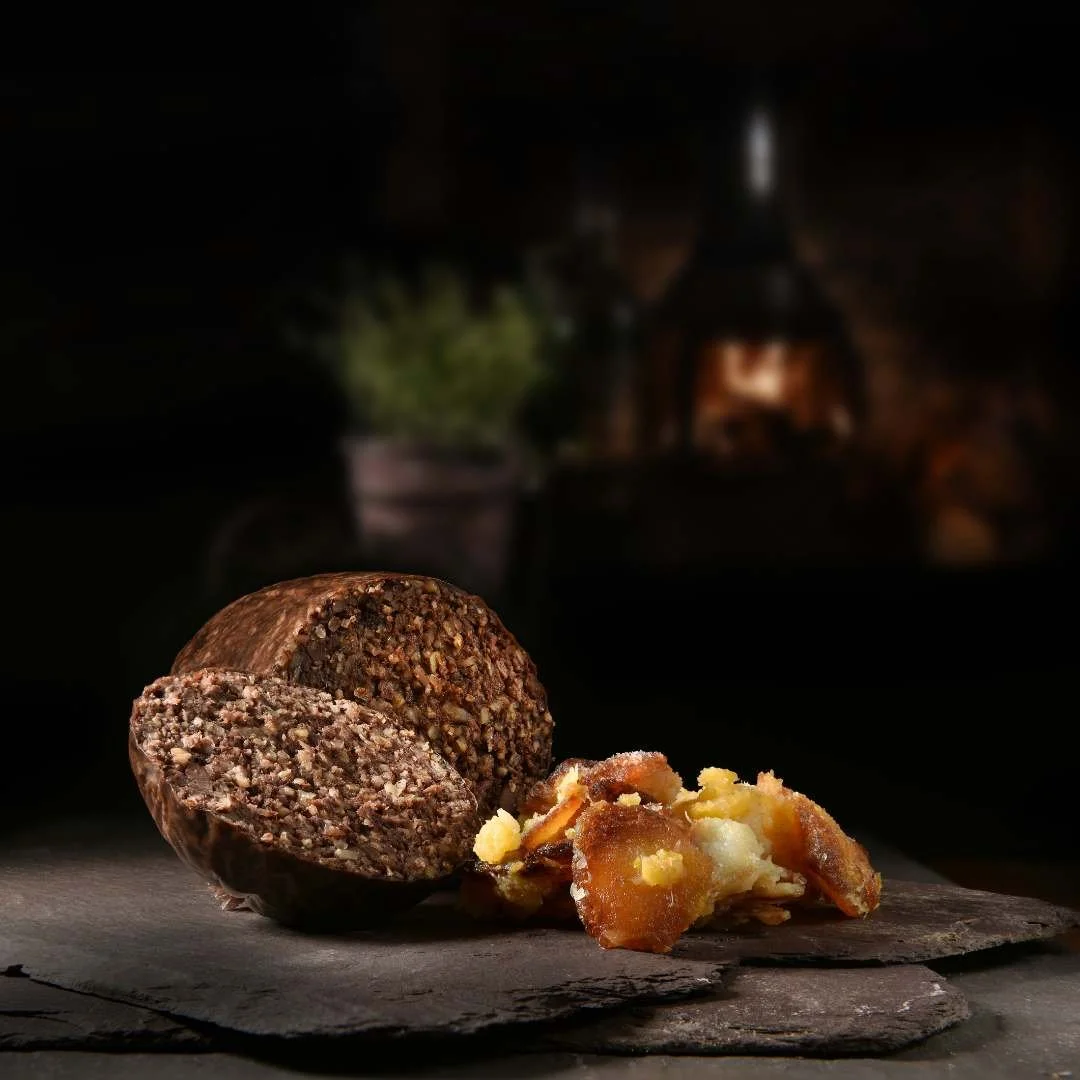
Traditional haggis is savoury, peppery and much less mysterious once it reaches the plate. Try it with neeps and tatties, at breakfast, or in a modern dish. If the traditional recipe is not for you, many places offer vegetarian or vegan versions.
Don’t ask which part of England you are in
Scotland and England are distinct countries within the United Kingdom. Calling Scotland “England” is inaccurate and unlikely to win you many points. Scotland has its own history, institutions, traditions and strong sense of place — that is part of what you have come to experience.
Don’t be afraid to speak to local people
Ask for a recommendation, check a pronunciation or have a chat in a pub. Accents vary across Scotland, so it is perfectly fine to ask someone to repeat something. A warm, straightforward approach can lead to the stories and suggestions no search result could have planned.
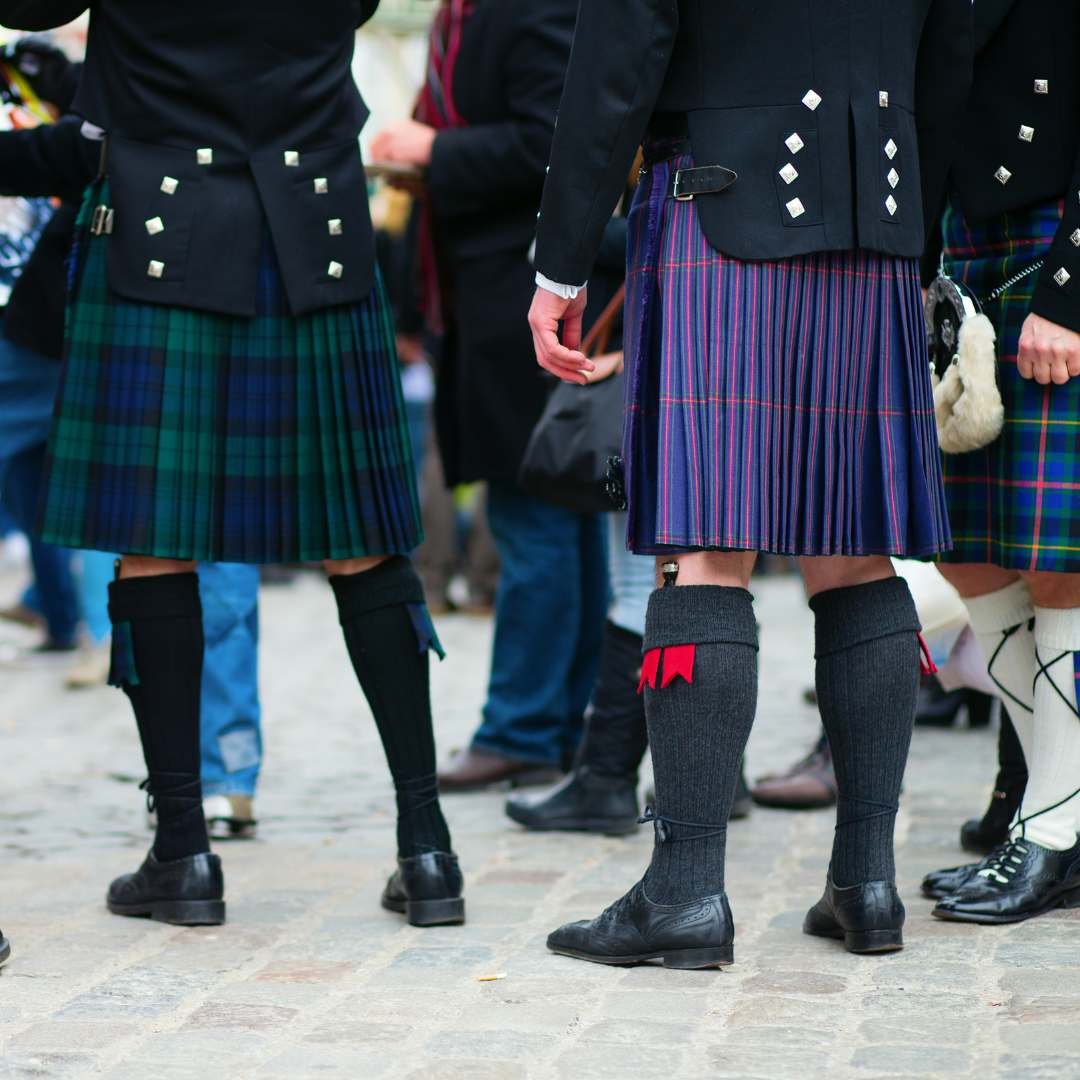
Don’t turn the kilt or accent into a punchline
There is no need to ask what someone wears under their kilt, and a rehearsed “Scottish” accent rarely lands as well as intended. Admire the dress, ask a genuine question about its tartan or occasion if appropriate, and use your own voice. Simple.
The fourteenth mistake
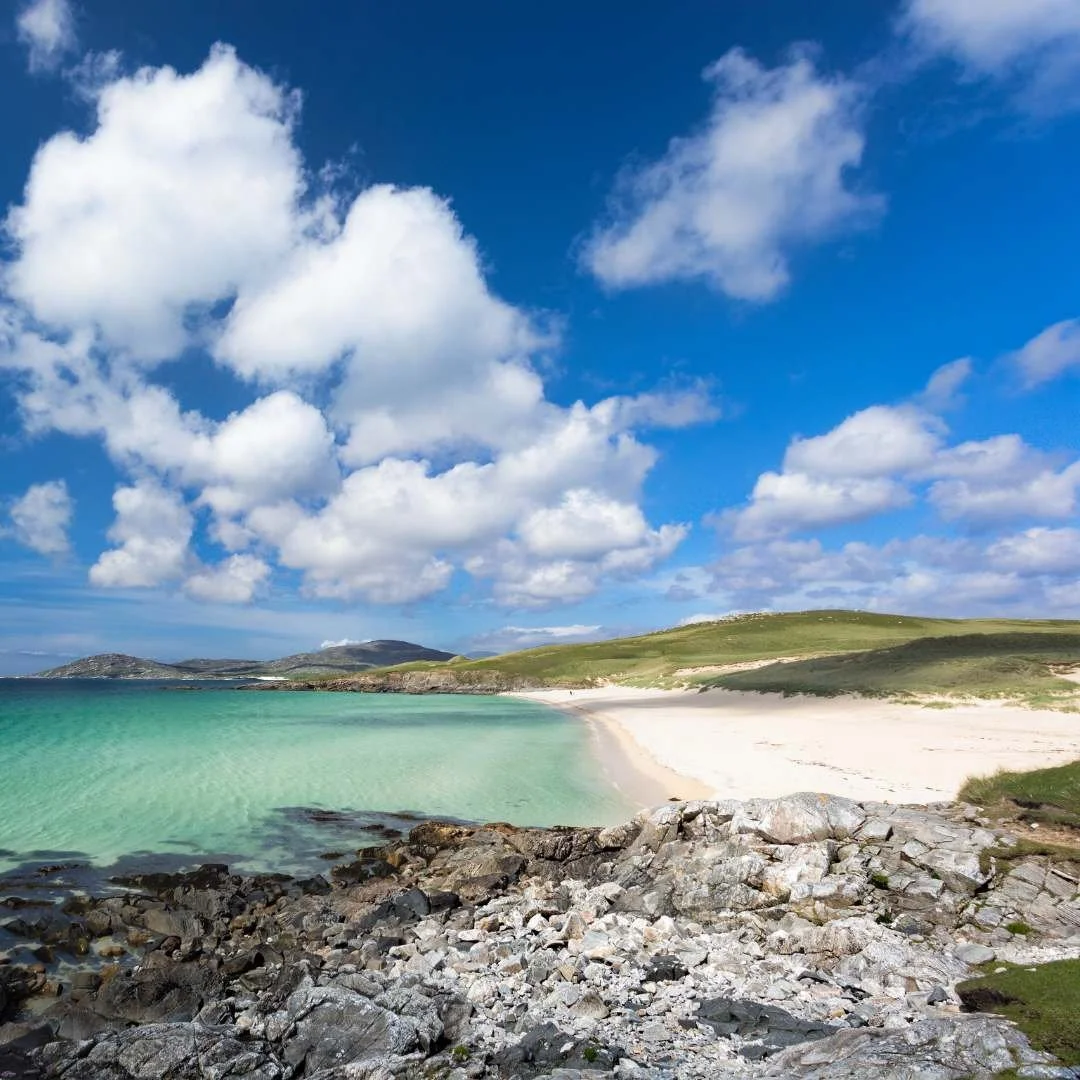
Don’t skip Scotland’s beaches
Mountains, lochs and castles get the headlines, but Scotland’s coast deserves room in your plans. Luskentyre on Harris, Achmelvich in Sutherland, Calgary Bay on Mull and the Silver Sands of Morar are very different beaches in very different landscapes.
They can offer pale sand, clear water, wildlife and enormous skies. They are also exposed natural places: conditions, tides, facilities and access vary, so check locally and leave the beach as you found it.
- Carry a layer even on a bright day.
- Check access, parking and facilities before setting out.
- Keep your distance from wildlife and take litter away.
The real point of the list
Enjoy Scotland properly
Pack for change, make a realistic route, respect the places and people you meet, and leave room for the unplanned stop. You will see more by trying to collect less — and you will probably leave with a very good reason to return.
Let a local keep you right
Three easy ways to see more of Scotland
If you would rather watch the landscape than the road, travel with a guide. These options connect directly with the advice above: leave Edinburgh, choose a coherent route and make time for the stories between the landmarks.
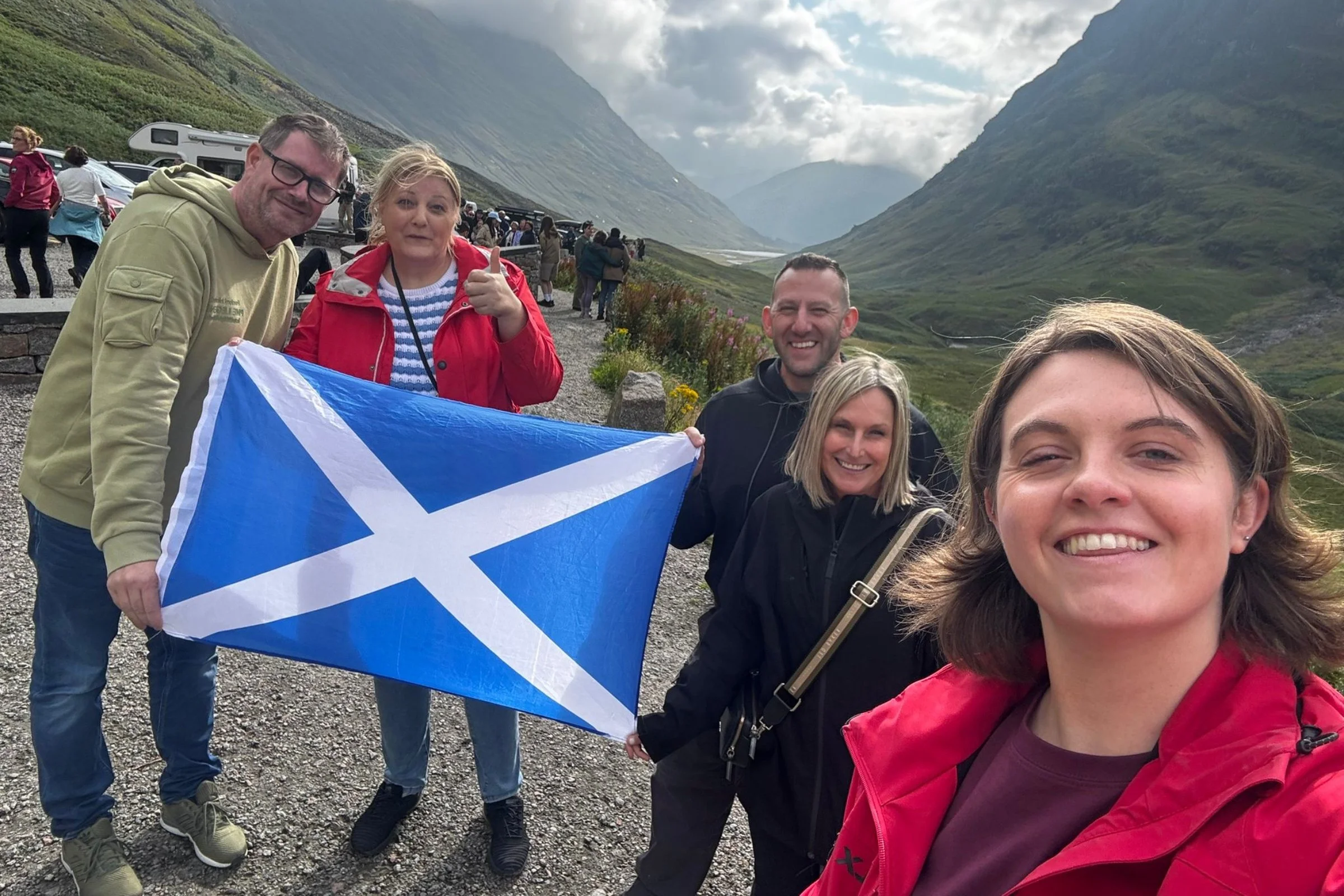
Loch Ness & the Scottish Highlands
Get beyond the capital for Glencoe, Highland scenery and Loch Ness without taking on the long drive yourself.
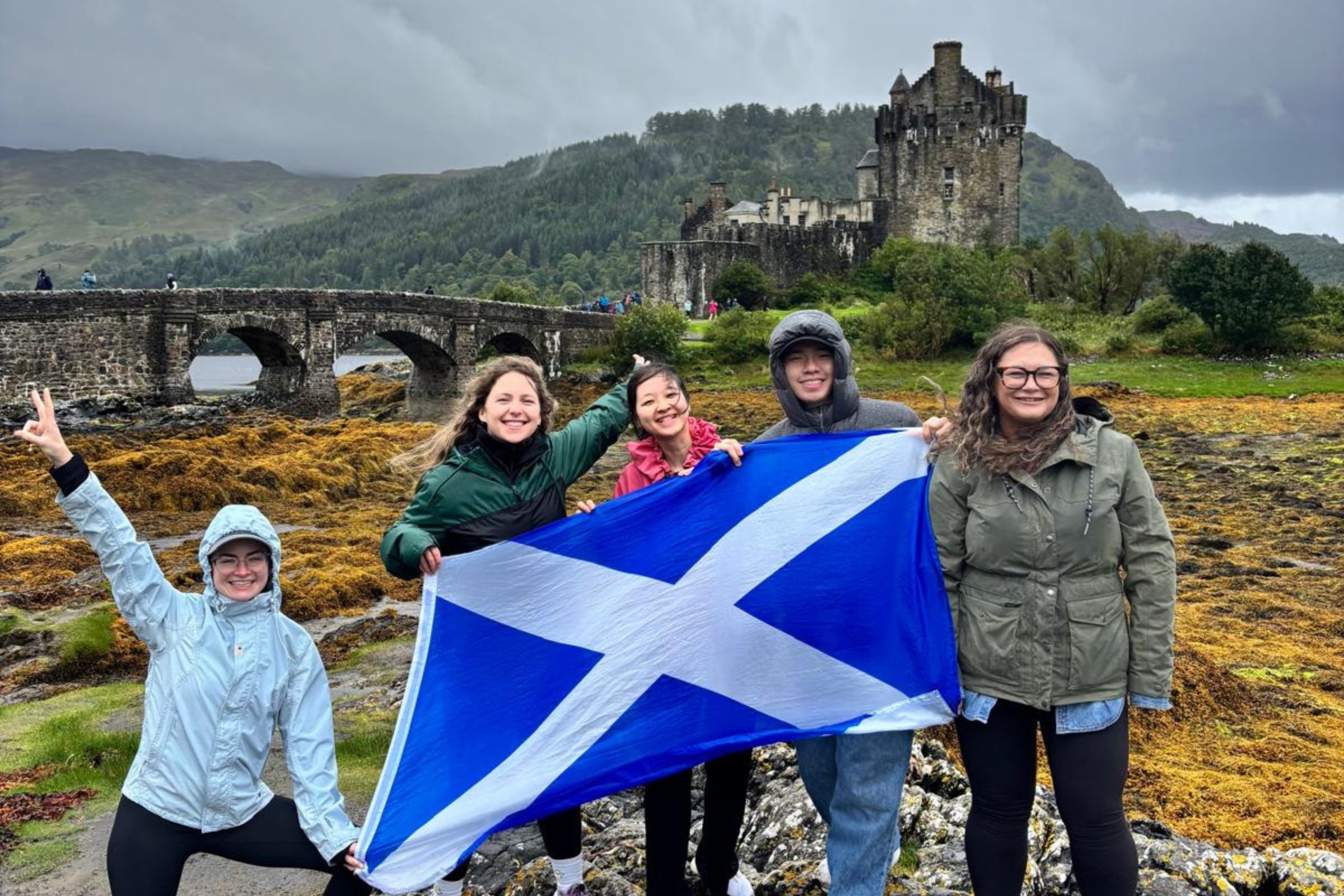
Isle of Skye & the Highlands
A better-paced introduction to Skye, Glencoe and the Highlands, with two nights on the island and a guide throughout.
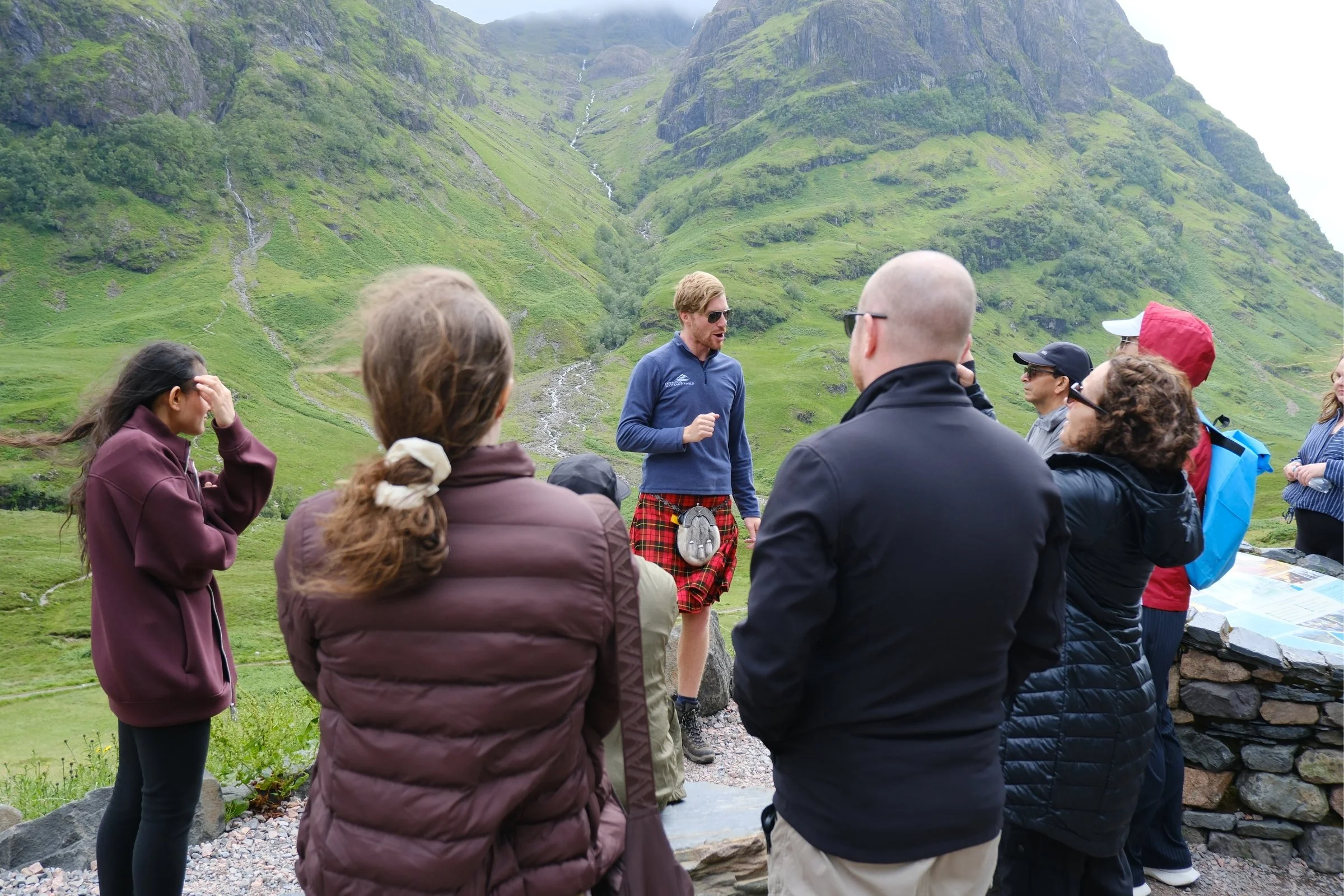
Build a private Scotland journey
Choose the places that matter to you and let a local guide shape a realistic, personal route around them.
Useful final checks
Scotland travel questions
Is it difficult for an overseas visitor to drive in Scotland?
It is manageable for many confident drivers, but driving on the left, roundabouts, narrow rural roads and single-track etiquette all require concentration. Allow time to adjust, avoid driving tired and read official visitor guidance before collecting a vehicle. If the driving would prevent you enjoying the journey, a guided tour is a sensible alternative.
What should I pack for everyday sightseeing?
Comfortable footwear, a waterproof outer layer, adaptable layers, a refillable water bottle and seasonally appropriate sun protection form a useful core. Add specialist kit only for activities that require it, and check the forecast close to the day.
How much of Scotland should I try to see?
That depends on your time, but fewer bases usually create a better trip. Include realistic driving or rail time, meal and comfort stops, ferry check-in where relevant, and time to enjoy the places themselves. A week is not enough for every major region.
Can I drink water from a Highland stream?
Do not assume untreated water is safe because it looks clear. Animals, upstream activity and microorganisms are not always visible. For ordinary travel, treated tap water is the simple option; follow any temporary local water notice.