
Why is the Thistle the Flower of Scotland?
I've had many people tell me the thistle is Scotland's national flower because it's pretty like our bonny lassies. There's certainly a lot of truth in that, and a little truth too in the fact that our bonny lassies can be a bit prickly when they need to be, just like the thistle. But that's not the real reason. Read on to discover why the thistle is the flower of Scotland.

Legend says a barefoot Viking stepped on a thistle and yelled, warning the Scots before the Battle of Largs in 1263. In the history books, the thistle has been Scotland's royal emblem since James III put it on silver coins in 1470, and it gives its name to the Order of the Thistle, Scotland's highest honour, with the motto Nemo me impune lacessit: "No one provokes me with impunity".
- National flowerThe thistlePurple, prickly and proud
- The legendBattle of Largs1263, against the Vikings
- First royal use1470James III's silver coins
- The mottoNemo me impune lacessit"No one provokes me with impunity"
- In flowerJuly to SeptemberRoadsides and hillsides
- See it in EdinburghThe Thistle ChapelSt Giles' Cathedral, Royal Mile
On this page
- Scotland's national flower
- 4 Ways the Thistle Represents the People of Scotland
- The story of how the Thistle became the National Flower of Scotland
- The thistle in Scottish history
- Is "Flower of Scotland" about the thistle?
- Visit Scotland and enjoy our Scottish Thistles
- Small-group tours with storytelling guides
- The Scottish thistle: FAQs
- More Scottish stories
Scotland's national flower
In Scotland, we have the beautiful thistle as our national flower. This proud-looking flower has become the emblem of Scotland, and you'll spot it everywhere: on football and rugby badges, pub and hotel signs, tartan gift shops, and growing wild all over the Highlands. It shouldn't be too difficult to see pictures of thistles, and real ones, as you explore Scotland.
Plenty of other countries have a national flower too: Ireland has the shamrock, England the rose, Wales the daffodil, France the iris and the Netherlands the tulip. Though I don't think any national flower represents its people and its nation more than Scotland's wonderful and wild thistle.
But… why is the thistle the flower of Scotland?
4 Ways the Thistle Represents the People of Scotland
1 - The Thistle is Welcoming and Kind
The thistle matches our people in their generosity and welcoming nature. You might be thinking, John, this is a flower, how can it be welcoming? Well, just like the people of Scotland welcome visitors of every nationality, religion and culture, so does the thistle. Its purple flowers are a favourite of bumblebees and butterflies, and the painted lady butterfly, which flies all the way from North Africa each summer, lays its eggs on thistles. Being the ever gracious host, the thistle welcomes these beautiful creatures with open leaves.
This represents the Scottish people and the country of Scotland perfectly. We welcome visitors with open arms, we're grateful that travellers from all over the world want to visit the Highlands and Lowlands, explore our castles and find our remote lochs and glens, and we go out of our way to make sure visitors have the most amazing time as they travel around Scotland.
2 - The Thistle is Tough and Resilient
Just like the people of Scotland, the thistle is tough and resilient. In the past, the people of Scotland had to be tough in the face of invasion: both the Vikings and the English tried to conquer Scotland, and the Scots showed just how tough they were. In the same way, the thistle has to adapt to the ever-changing Scottish weather. Up on an exposed hillside there's nowhere for a thistle to hide as it gets blasted by rain, wind and cold, especially in the remote Highlands.
3 - Proud People and Proud Thistle
The thistle's a proud flower, standing tall for all to see, with its purple crown giving it a look of royalty. The Scottish people are known for being very proud too. We are the nation who'll follow a football team all over the world, knowing we'll likely be defeated on the pitch, but will still hold our heads up high, sing as loud as we can and be proud that we can represent our country and everything it stands for.
4 - The Scots & Thistles are simply very good looking
The most important, and by far the most obvious, comparison is that both the Scottish thistle and the people of Scotland are extremely good looking and oh so easy on the eyes. From actors like Sam Heughan (Outlander) and Gerard Butler (300) to Karen Gillan (Jumanji), the Scots have some extremely good-looking people. And the thistle itself is a gorgeous flower: outside the Scottish countryside, you'll even see people planting them in their gardens.
The story of how the Thistle became the National Flower of Scotland
It was the year 1263 and the Scots were once again being invaded by those pesky Vikings, who thought they could just come over from Norway and take all of our land. King Haakon of Norway was intent on conquering the nation with his large fleet of longships and his Viking warriors.
It's said that the Vikings wanted to attack fast and in silence, using the element of surprise to defeat the Scots before we knew they had arrived. To do this, the Norsemen took off their heavy, clunky boots and started tiptoeing across the Scottish countryside in the dark. When all of a sudden, they started trampling through ground full of prickly little thistles.
"Ooooohhh!! Aaaarghhhhh!! Eeeeehhhhh!!" These pathetic screams started echoing across the Scottish countryside: the feeble, high-pitched yelps of the weak Viking trespassers. It was an embarrassing sight to see and cringeworthy to hear. These supposedly tough Vikings were no match for our proud first line of defence, the Scottish thistle.
As soon as those pitiful cries went out, the Scots who heard them shouted "Do you hear that pathetic noise, lads?! They're just over the glen, let's send them packing!" And the Scots soldiers, now aware of where the Vikings were, marched over the glen and defeated them in battle. By doing so, they made sure that when you visit our wonderful country, you're visiting Scotland and not Norway. All thanks to the brave work of the heroic Scottish thistle, our bonny national flower.
The legend is usually tied to the Battle of Largs on the Firth of Clyde in October 1263. Haakon IV's fleet had already been battered by storms, and after the fighting on the shore he sailed north for Orkney, where he died that winter. Three years later, in the Treaty of Perth (1266), Norway handed the Western Isles to Scotland. Nobody wrote the barefoot Viking down at the time, so it stays a legend, but it's a good one, and you'll hear it from our guides.
The thistle in Scottish history
Legend aside, here's how the thistle became Scotland's emblem on paper:
- 1470: King James III puts a thistle on Scotland's silver coins, the first time it is used as a royal badge.
- 1687: James VII founds the Most Ancient and Most Noble Order of the Thistle, Scotland's highest order of chivalry, with the motto Nemo me impune lacessit: "No one provokes me with impunity" (or, as we say, "Wha daur meddle wi' me?").
- 1911: the order gets its own chapel, the Thistle Chapel in St Giles' Cathedral on the Royal Mile in Edinburgh, carved with thistles from floor to ceiling. Look out for the tiny angel playing the bagpipes.
- Today: the thistle is on the royal coat of arms used in Scotland, the badge of the Scotland rugby team and countless clubs, regiments and businesses.
Which thistle is it? Nobody ever made it official. The spear thistle and the creeping thistle are the ones you'll see most in Scottish fields, while the tall, silvery cotton thistle is often sold as the "Scotch thistle", even though it's rare in the wild here. To most Scots, any purple, prickly thistle will do.
Is "Flower of Scotland" about the thistle?
Not quite. "Flower of Scotland" is the song you'll hear sung at Murrayfield and Hampden as Scotland's unofficial national anthem. It was written by Roy Williamson of The Corries in the 1960s, and the "flower" in it is the Scots army that beat Edward II's English army at the Battle of Bannockburn in 1314. So when 67,000 rugby fans belt it out, they're singing about Robert the Bruce's men, not the thistle. Read more about Robert the Bruce.
Visit Scotland and enjoy our Scottish Thistles
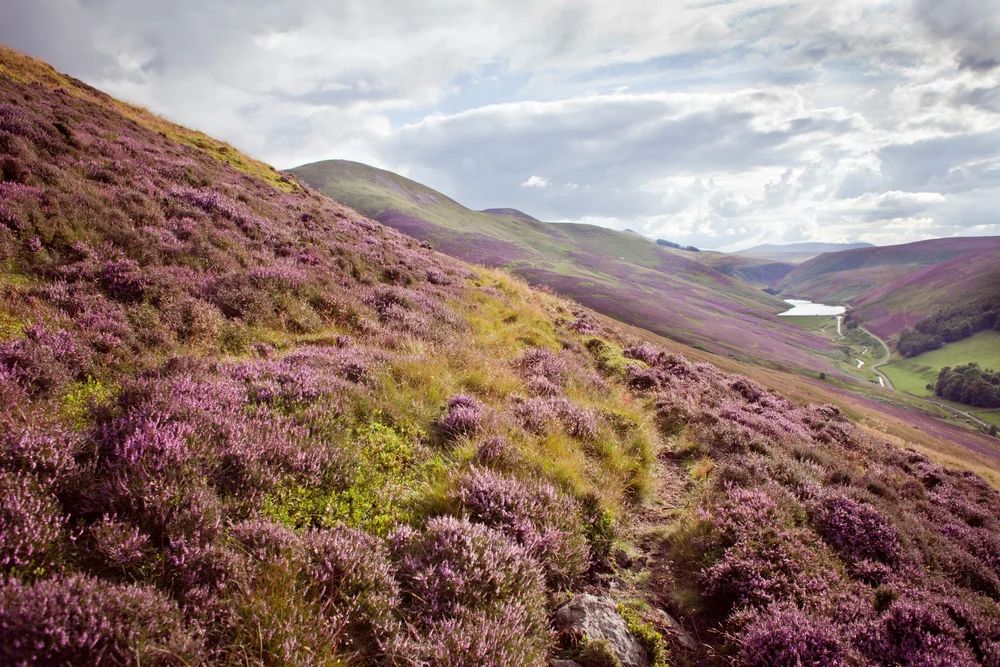
We're lucky that our national flower grows in most parts of the country, from the fertile Lowlands to the peaty soil of the Highlands. Thistles flower from about July to September, so on a summer tour we see them almost every day, often alongside the purple heather that covers the hills in August.
If you're in Edinburgh, don't miss the Thistle Chapel inside St Giles' Cathedral on the Royal Mile. And if you'd like to see thistles growing wild, explore Scotland and hear more stories about Scotland's wildlife, history, people and culture, come on one of our tours. We'll get you away from the roads and out exploring the wild parts of Scotland.
See them with us: In summer, thistles line the roadsides on our Loch Ness day trip and Stirling Castle and Loch Lomond day tour from Edinburgh, the Glencoe day tour from Glasgow and our 3-day Isle of Skye tour. Our guides tell the barefoot Viking story along the way.
I hope you've enjoyed the story of why the thistle is the flower of Scotland!
Small-group tours with storytelling guides
Day trips and multi-day tours from Edinburgh, Glasgow and Inverness, with no more than 16 travellers.
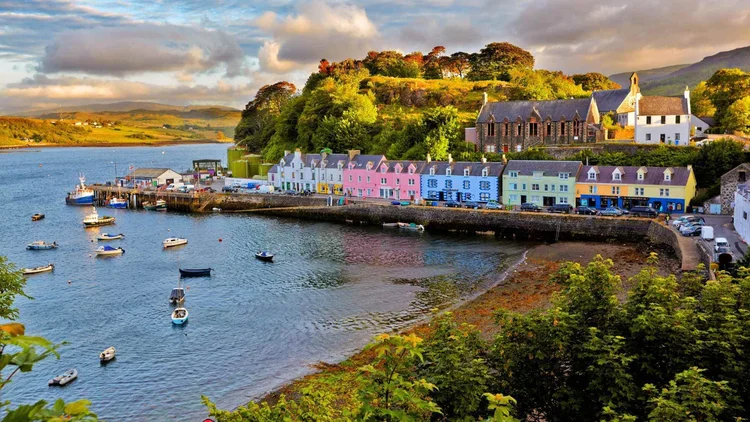 Isle of Skye 3-Day Tour from EdinburghTwo nights on Skye via Glencoe and Loch Ness: the Old Man of Storr, Fairy Glen and Eilean Donan.From £248 per person25% depositView tour →
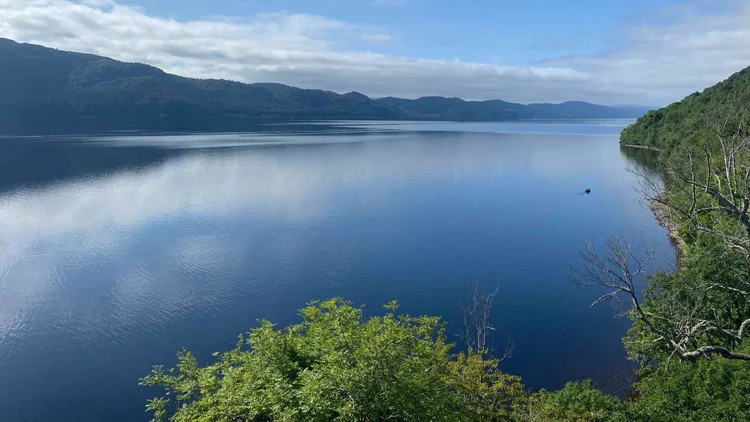 Loch Ness Day Trip from EdinburghThe Highlands, Fort Augustus on Loch Ness, Glencoe and Loch Lomond in one guided day.From £96 per person50% depositView tour →
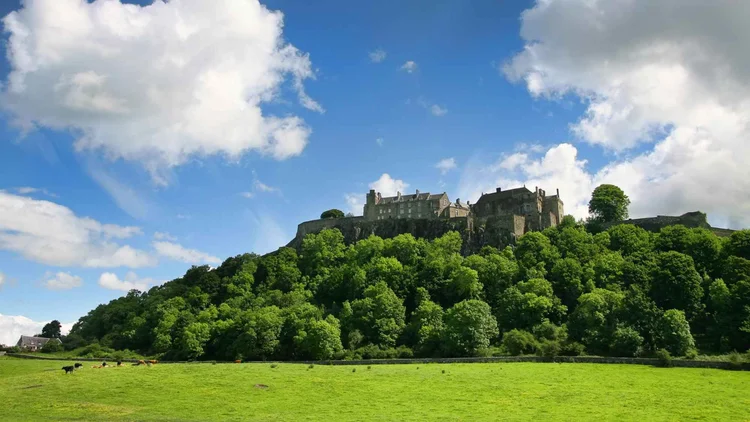 Stirling Castle Tour from EdinburghThe Royal Palace, Loch Lomond, Glengoyne distillery and the Kelpies.From £92 per person50% depositView tour →
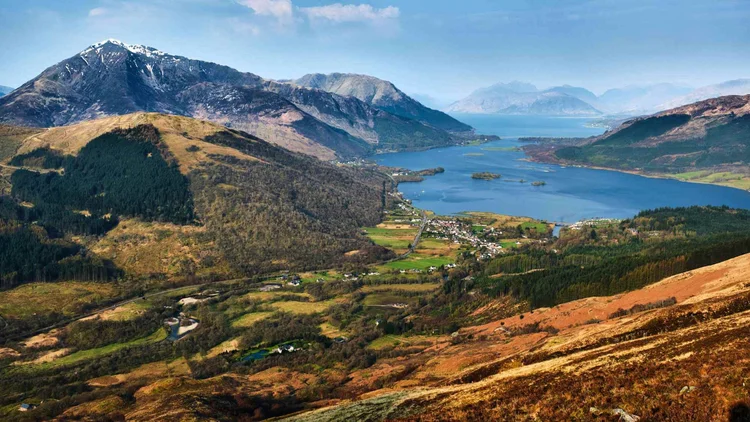 Glencoe Day Trip from GlasgowLoch Lomond, the Three Sisters, a Glencoe Lochan walk and Rannoch Moor.From £88 per person50% depositView tour →
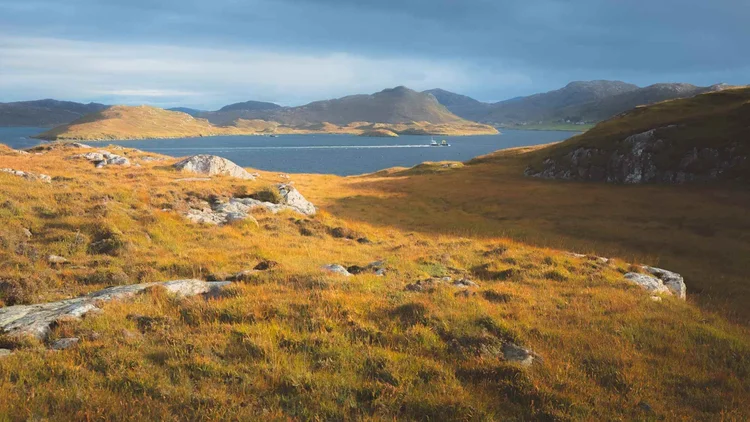 5-Day Outer Hebrides Tour from EdinburghLuskentyre Beach, the Callanish Stones, Lewis blackhouses and Loch Ness. Ferries included.From £428 per person25% depositView tour →
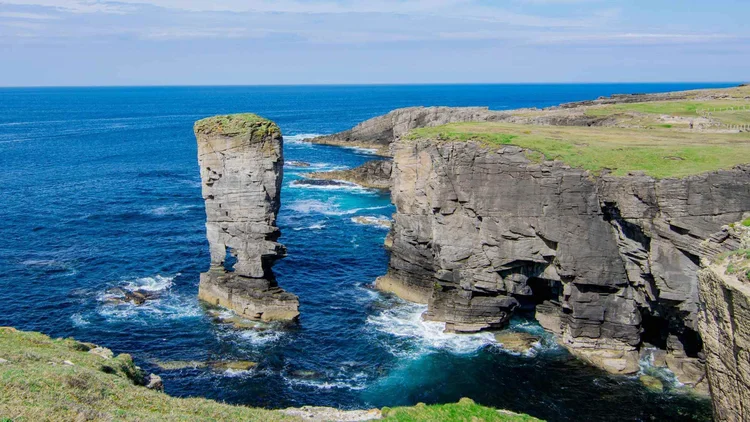 5-Day Orkney Islands Tour from EdinburghSkara Brae, the Ring of Brodgar, Maeshowe, the North Coast 500 and Loch Ness. Ferries included.From £428 per person25% depositView tour →
Want Scotland your way? We can build a private tour of Scotland around you.
The Scottish thistle: FAQs
Why is the thistle the national flower of Scotland?
Legend says a barefoot Viking stepped on a thistle and cried out, warning the Scots before the Battle of Largs in 1263. In the history books, it became a royal emblem when James III put it on Scottish coins in 1470, and Scotland's highest order of chivalry, the Order of the Thistle, followed in 1687.
What does the thistle symbolise?
Toughness and defiance: it looks beautiful but bites back if you mess with it. That's the meaning of the motto that goes with it, Nemo me impune lacessit, "No one provokes me with impunity".
When did the thistle become Scotland's national flower?
There was never a single date. It was used as a royal badge from the 1400s (James III's silver coins of 1470 are the first clear example) and has been Scotland's emblem ever since.
What type of thistle is the Scottish thistle?
No species was ever made official. The spear thistle is the one you'll see most often in Scotland; the cotton thistle is often sold as the "Scotch thistle" but is rare in the wild here.
Is "Flower of Scotland" about the thistle?
No. The song by The Corries is about the Scots army that won the Battle of Bannockburn in 1314. It's sung as Scotland's unofficial national anthem at rugby and football matches.
When do thistles flower in Scotland?
From about July to September, with the most flowers in July and August. You'll see them on roadsides, field edges and hillsides all over the country.
More Scottish stories
Last updated October 2026 by John Stevenson.