

The 7 Best Scottish Islands to Visit on Your Next Holiday
A stone circle under a huge sky. A harbour full of colour. A beach you'll keep walking long after you've taken the photo. Scotland's islands each offer a different kind of escape, and the best one for you depends on what you want from your trip: ancient history, wildlife, whisky, walking or simply room to slow down.
This guide helps you choose, with practical advice on getting there and how long to stay. Our advice is to start with one island, or a pair that sit together, and give it time.
Scotland has hundreds of islands (usually counted at around 800), and roughly 100 of them have people living on them all year. They fall into a few groups: the Inner Hebrides (Skye, Mull, Iona, Islay and more), the Outer Hebrides (Lewis and Harris, the Uists and Barra), Orkney and Shetland in the far north, and the islands of the Firth of Clyde, like Arran.
For a first visit, we'd pick from these seven: Skye for mountain scenery, Orkney for ancient history, Islay for whisky, Mull for wildlife, Iona for peace and history, and Lewis and Harris for standing stones and beaches.
On this page
- Which Scottish island is right for you?
- Orkney: history you can stand beside
- Islay: leave room between the drams
- Skye: look beyond the photograph
- Mull: bring binoculars and a little patience
- Iona: small enough to slow you down
- Lewis: ancient stones, present-day stories
- Harris: give the coast a whole day
- Planning an island trip
- Scottish island tours from Edinburgh
- Scottish islands: your questions answered
- More island guides
Which Scottish island is right for you?
A quick geography note: Orkney is a group of islands, and Lewis and Harris are two parts of the same island. So these are seven places to explore rather than seven separate islands. The nights below are our suggestion for a first independent visit, not counting the journey from the mainland.
| Island | Best for | How to get there | How long |
|---|---|---|---|
| Orkney | Ancient sites and open coast | Ferry from Scrabster or Aberdeen (NorthLink) | 3 to 4 nights |
| Islay | Whisky, coastal walks and birds | Ferry from Kennacraig (CalMac) | 2 to 3 nights |
| Skye | Mountain scenery and walks | Skye Bridge, or ferry from Mallaig | 2 to 3 nights |
| Mull | Wildlife and a slower pace | Ferry from Oban to Craignure | 3 to 4 nights |
| Iona | Abbey history and walking | Foot ferry from Fionnphort on Mull | A day from Mull, or stay |
| Lewis | Standing stones and island culture | Ferry from Ullapool to Stornoway | 3 to 4 nights with Harris |
| Harris | Beaches, hills and local makers | Ferry from Uig on Skye to Tarbert | Share a stay with Lewis |
Orkney: history you can stand beside
On Orkney, the past is part of the landscape. Skara Brae's stone-built homes, the Ring of Brodgar, the Stones of Stenness and Maeshowe together make up the Heart of Neolithic Orkney World Heritage Site, showing how people lived here around 5,000 years ago.
Orkney lies off the north coast of mainland Scotland, and most first visits focus on its largest island, which is (confusingly) also called Mainland. Give the archaeological sites proper time, then leave space for the coast and a wander around Kirkwall or Stromness. A few places you can really take in beat a long list of stops.
- Getting there: NorthLink sails from Scrabster to Stromness and from Aberdeen to Kirkwall. Choose your route before you book accommodation and onward travel. See NorthLink's routes and timetables.
- Plan around access: Maeshowe has guided entry and limited space, so book ahead and check the low entrance passage suits you.
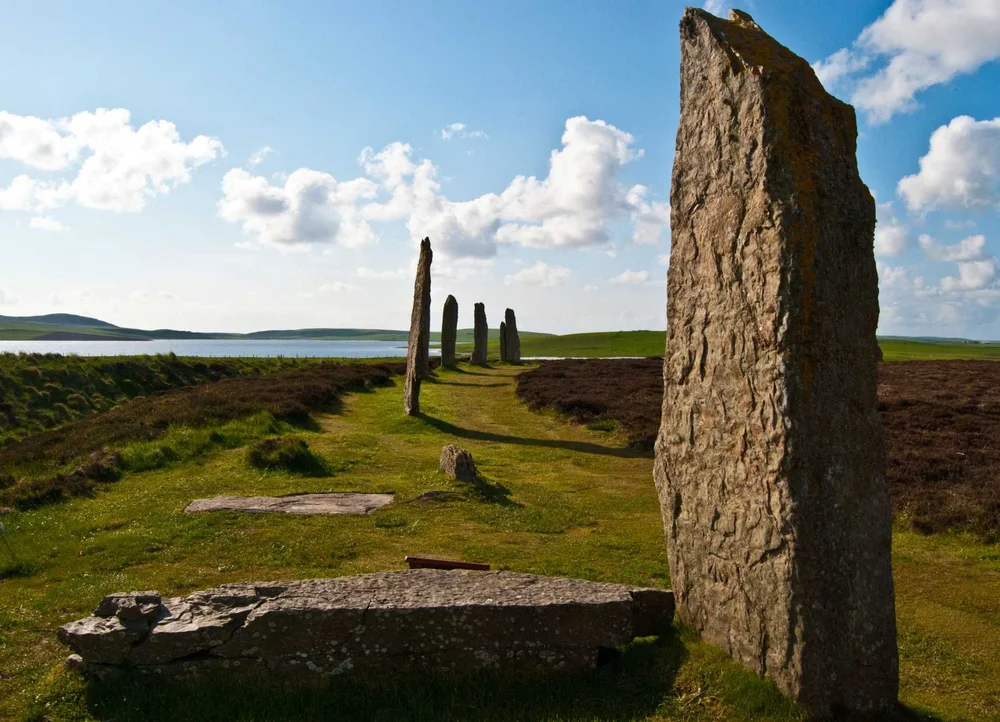
Our 5-day Orkney tour from Edinburgh travels up through the Highlands and along the north coast, with ferries included and two nights on Orkney for Skara Brae, the Ring of Brodgar and Maeshowe. There's also a 3-day version from Inverness. Accommodation isn't included in the tour price.
Islay: leave room between the drams
For whisky lovers, names like Ardbeg, Laphroaig, Bowmore and Bunnahabhain are reason enough to make the trip. On Islay you'll find those names set among bays, working villages and distilleries with their own stories. The local distillery directory will help you choose a few, and our guide to 9 Islay distilleries has our favourites.
You don't need to spend every day tasting. Make time for a coastal walk or birdwatching at RSPB Loch Gruinart, where trails and hides give you another side of the island.
- Book ahead: reserve tastings directly and allow travel time between them. Arrange a non-drinking driver or local transport before you commit to a schedule.
- Ferry update: CalMac says Port Ellen's ferry terminal is closed for redevelopment, with reopening expected in 2029, so Islay sailings currently run between Kennacraig and Port Askaig. Check the latest Port Ellen advice.
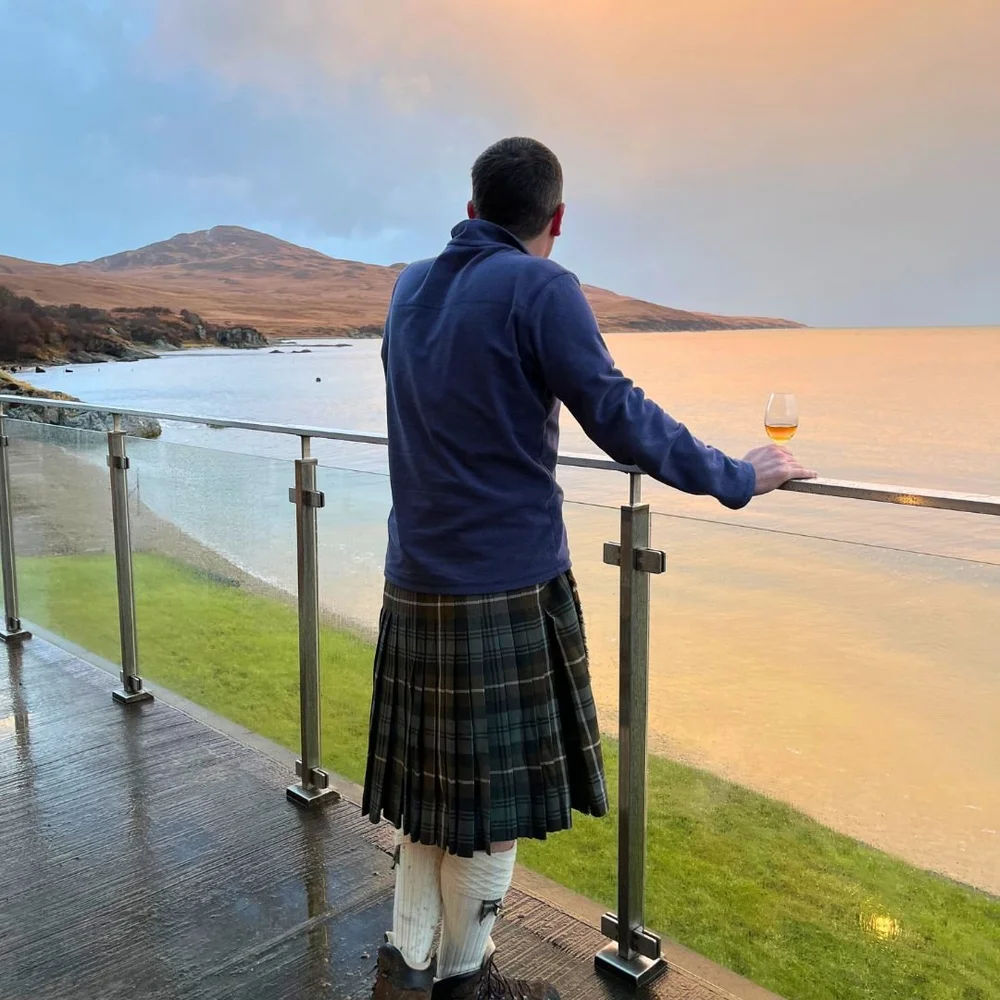
We don't run a scheduled tour to Islay, but our 7-day private Islay and Skye itinerary shows how a private trip could look.
Skye: look beyond the photograph
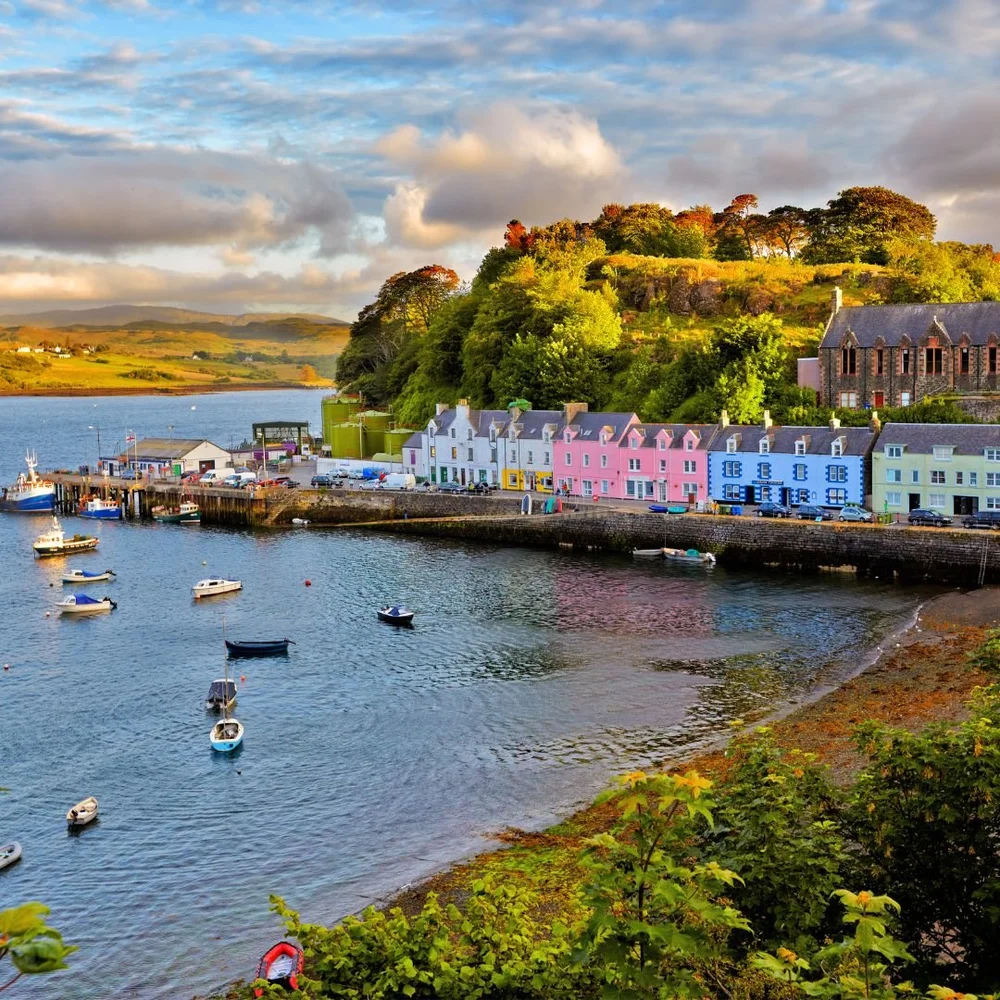
The Old Man of Storr, the Quiraing and the Cuillin give Skye much of its reputation. A good visit also leaves time for the harbour at Portree, changing light over a sea loch and the smaller stops that catch your eye. It's an island to explore, not a single viewpoint to tick off.
Choose walks that match your experience and the weather. A roadside view and a mountain route are very different outings, and you can enjoy the scenery without attempting a hard climb. Our Isle of Skye guide is a good place to start.
- Getting there: you can drive across the Skye Bridge from Kyle of Lochalsh, so you don't need a ferry. CalMac also sails from Mallaig to Armadale in the south of the island.
- Give yourself options: book accommodation early for summer dates, and leave room to swap plans when low cloud or wind makes a walk less appealing.
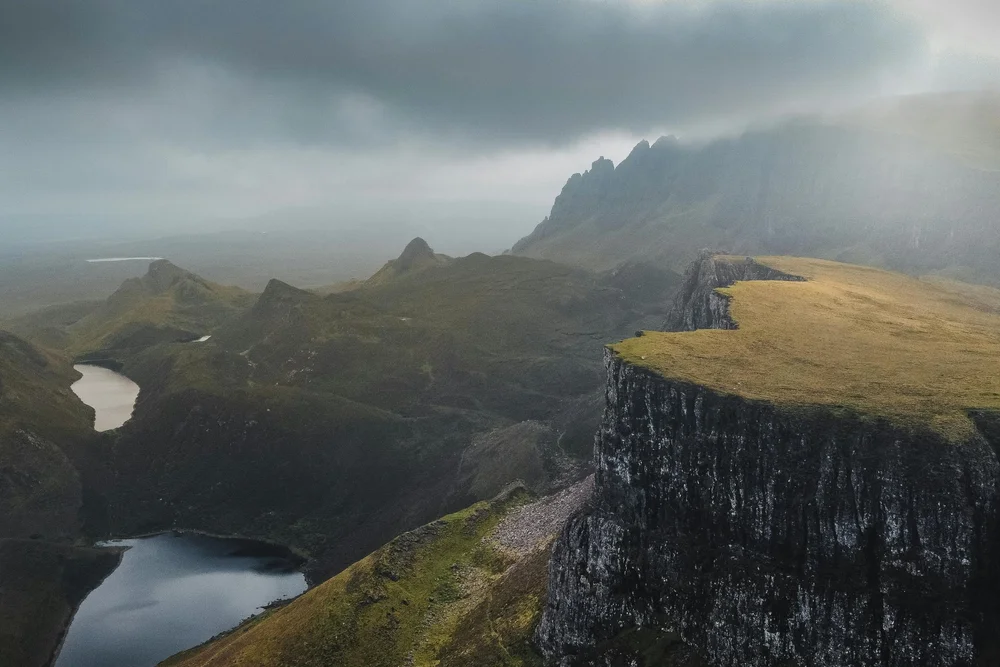
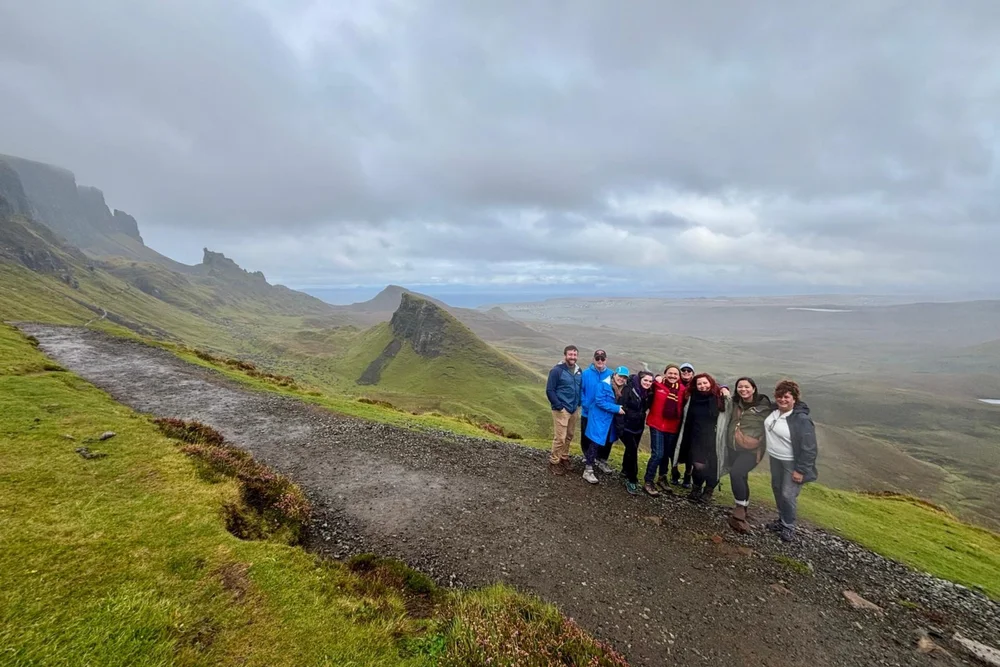
Our Isle of Skye 3-day tour from Edinburgh travels through Glencoe and the Highlands, with two nights on Skye and a full island day with your guide. There's also an Isle of Skye tour from Glasgow on the same route, finishing in Edinburgh. See all our Isle of Skye tours for the 5- and 7-day options.
Mull: bring binoculars and a little patience
Mull suits travellers who like to look closely. White-tailed eagles live here, but much of the pleasure of a wildlife day is in watching a shoreline, noticing the birds around you and letting the place settle. A local wildlife guide can help you understand what you're seeing without disturbing it.
Balance wildlife time with the island's villages and coast. Tobermory makes a very different day from the drive across to Fionnphort for Iona, so don't try to squeeze both ends of Mull into a short gap between ferries.
- Getting there: the main crossing is Oban to Craignure. There are also ferries from Lochaline and Kilchoan.
- On the island: many roads are single-track, so allow plenty of driving time and keep passing places clear. Check bus times carefully if you don't have a car.
- Wildlife: sightings are never guaranteed, and boat trips depend on the weather and season.
Our 4-day private Mull and Iona itinerary is a good example of how to fit both islands in without rushing.
Iona: small enough to slow you down
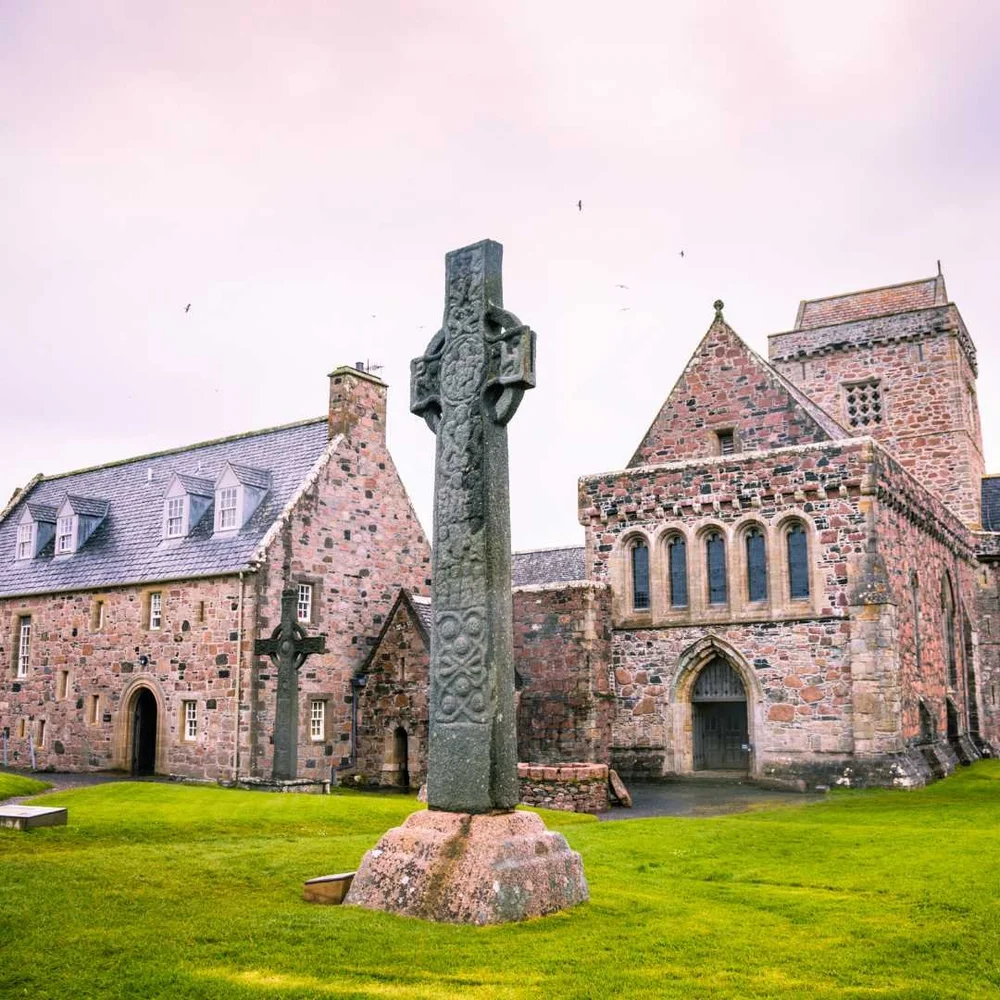
Iona lies just off the south-west tip of Mull. Columba founded a monastery here around AD 563, and the island became an important centre of early Christianity. The abbey you see today comes from later medieval building and 20th-century restoration, not the original monastery.
Come for that history, then explore on foot. An abbey visit and a quiet walk make a full day without a packed plan. You can also stay overnight if you'd like to see Iona after the day visitors leave.
- Getting there: the CalMac ferry leaves from Fionnphort on Mull. Allow time to get to Mull and cross the island first, because Craignure is at the other end.
- Leave the car on Mull: most visitors cross on foot, as cars need a permit. The ferry fare doesn't include entry to the abbey. See Iona Abbey visitor information.
Lewis: ancient stones, present-day stories
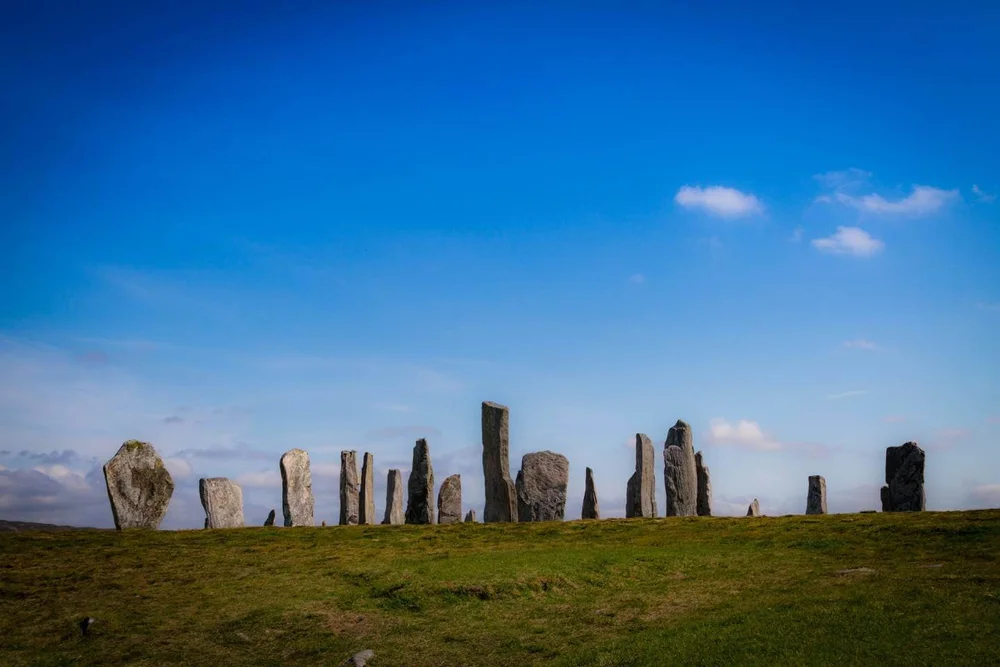
Calanais (also called Callanish) is a strong reason on its own to visit Lewis. These Neolithic standing stones are around 5,000 years old. The island's story goes well beyond its ancient sites, though: Gaelic, crofting, arts and everyday community life are all part of it.
Build a day around a few places rather than racing between them. Stornoway makes a good contrast to the open moorland and coast, with shops, places to eat and cultural stops. Lewis is the northern part of the same island as Harris, so you travel between them by road.
- Getting there: CalMac sails from Ullapool to Stornoway. You can also arrive through Harris and drive north.
- Check the details: use Calanais's current visitor information for tickets and access, not older guides.
Harris: give the coast a whole day
Luskentyre's pale sand and turquoise water are striking, but Harris deserves more than a quick beach photo. There are hills, rocky coastline and galleries to find, along with the island's link to Harris Tweed.
Allow time for both the landscape and the people who live here. Walk a beach, browse a local maker's work and stop for lunch. This is an Atlantic island, so bring layers even when the sea looks inviting.
- Getting there: CalMac sails from Uig on Skye to Tarbert on Harris, or you can drive south after arriving in Stornoway.
- Plan Lewis and Harris together: there's no ferry between them. Choose a base, check driving times and group nearby visits into the same day.
- Sundays: many businesses on Lewis and Harris close on Sundays and public buses don't run, so check meals, fuel and travel in advance. The Outer Hebrides visitor FAQs have more.

Our 5-day Outer Hebrides tour from Edinburgh includes Luskentyre Beach, the Callanish Stones and Lewis blackhouses, with ferries included. There's also a 3-day version from Inverness. Accommodation isn't included in the tour price.
Planning an island trip
The islands reward a little preparation. Sort out the journeys and the essentials, then leave yourself room to enjoy being there.
Start with the time you have
Choose one island for a short break. Mull and Iona make a natural pair, and so do Lewis and Harris. On a longer trip, Skye and Harris link by ferry, but check the sailing and your onward route before fixing where you'll stay. Our guide to island hopping in the Outer Hebrides goes into more detail.
Book ferries and beds together
Make sure your ferry and accommodation dates match. Reserve vehicle space where you can, follow the check-in times, and check CalMac's service updates before you set off. Leave a buffer before an important flight or train.
Match the season to what you want
Long summer days give you more time to explore. A trip outside summer can be rewarding too, but daylight is shorter and some attractions, boat trips and cafés close for the winter. Ask local operators when your chosen wildlife is usually around.
Plan beyond the ferry terminal
Travelling as a foot passenger can work well, but your accommodation or next stop may be some distance from the port. Check real bus times or book onward transport. On single-track roads, use passing places properly and never park in them.
Be a welcome visitor
Stick to paths where you can, leave gates as you find them and take your litter home. Give wildlife space, support local cafés, shops and guides, and remember these places are people's homes and workplaces. The Scottish Outdoor Access Code explains the basics.
Scottish island tours from Edinburgh
If you'd rather someone else handled the ferries and the driving, these small-group tours take you to Skye, Orkney and the Outer Hebrides, with an expert guide and no more than 16 travellers.
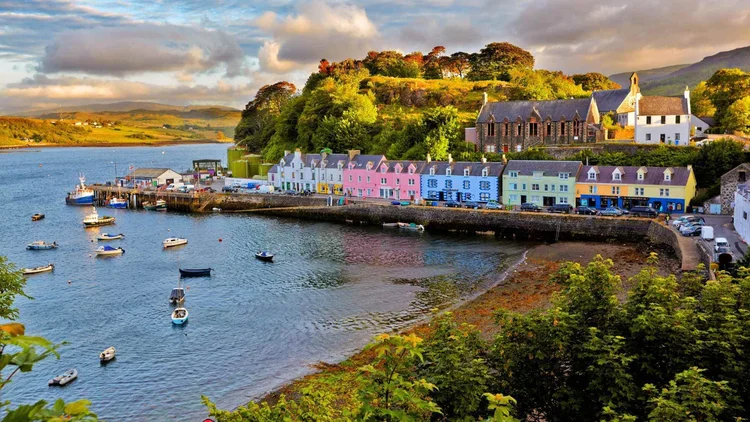 Isle of Skye 3-Day Tour from EdinburghTwo nights on Skye via Glencoe and Loch Ness: the Old Man of Storr, Fairy Glen and Eilean Donan.From £248 pp25% depositView tour →
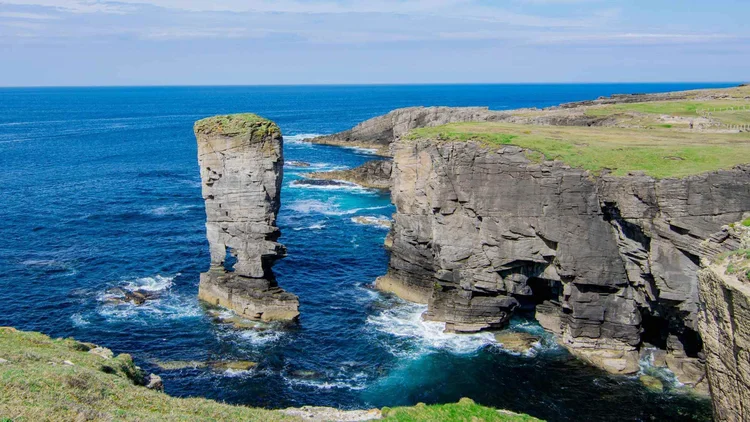 5-Day Orkney Islands Tour from EdinburghSkara Brae, the Ring of Brodgar, Maeshowe, the North Coast 500 and Loch Ness. Ferries included.From £428 pp25% depositView tour →
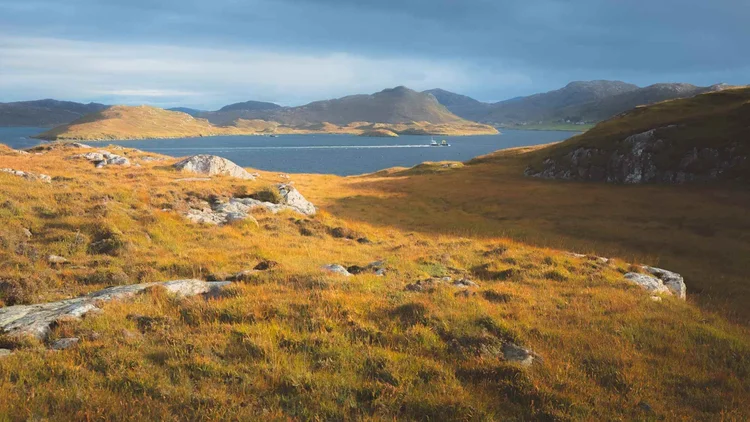 5-Day Outer Hebrides Tour from EdinburghLuskentyre Beach, the Callanish Stones, Lewis blackhouses and Loch Ness. Ferries included.From £428 pp25% depositView tour →
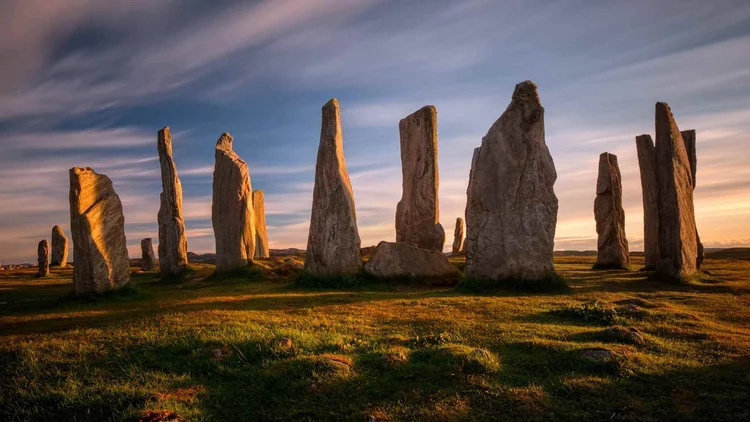 7-Day Scotland Tour from Edinburgh: Skye & the Outer HebridesThe Isle of Skye, Lewis and Harris, Loch Ness and Inverness. Ferries included.From £556 pp25% depositView tour →
See all our Scottish island tours, including departures from Glasgow and Inverness. For Mull, Iona or Islay, have a look at our sample private itineraries or tell us about the trip you'd like on our private tours page. Accommodation isn't included in our multi-day tour prices.
Scottish islands: your questions answered
How many islands does Scotland have?
Scotland has several hundred islands. The figure usually quoted is around 800, depending on how small an island you count, and around 100 of them have people living on them all year.
Which Scottish island is best for a first visit?
Skye is the easiest to reach, because you can drive across the Skye Bridge, and it has the famous mountain scenery. If ancient history is your thing, choose Orkney. For beaches, choose Harris.
Can you visit the Scottish islands without a car?
Yes. Most ferries take foot passengers, and there are buses on the bigger islands, although services can be infrequent, especially on Sundays. A guided tour is the simplest option if you don't want to drive.
Do you need a ferry to get to Skye?
No. The Skye Bridge links Kyle of Lochalsh to the island, so you can drive or take a bus. There's also a CalMac ferry from Mallaig to Armadale.
What's the best time to visit the Scottish islands?
May to September gives you the longest days and the most ferry sailings, boat trips and open cafés. Spring and autumn are quieter. In winter, check what's open before you travel.
Are Lewis and Harris separate islands?
No. They're two parts of the same island, joined by land, so you drive between them. Lewis is the northern part and Harris the southern.
More island guides
Last updated September 2026 by the Scotland's Wild team.