
Scotland's wildest surprise
Wallabies in Scotland: the story of Loch Lomond’s Wallaby Island
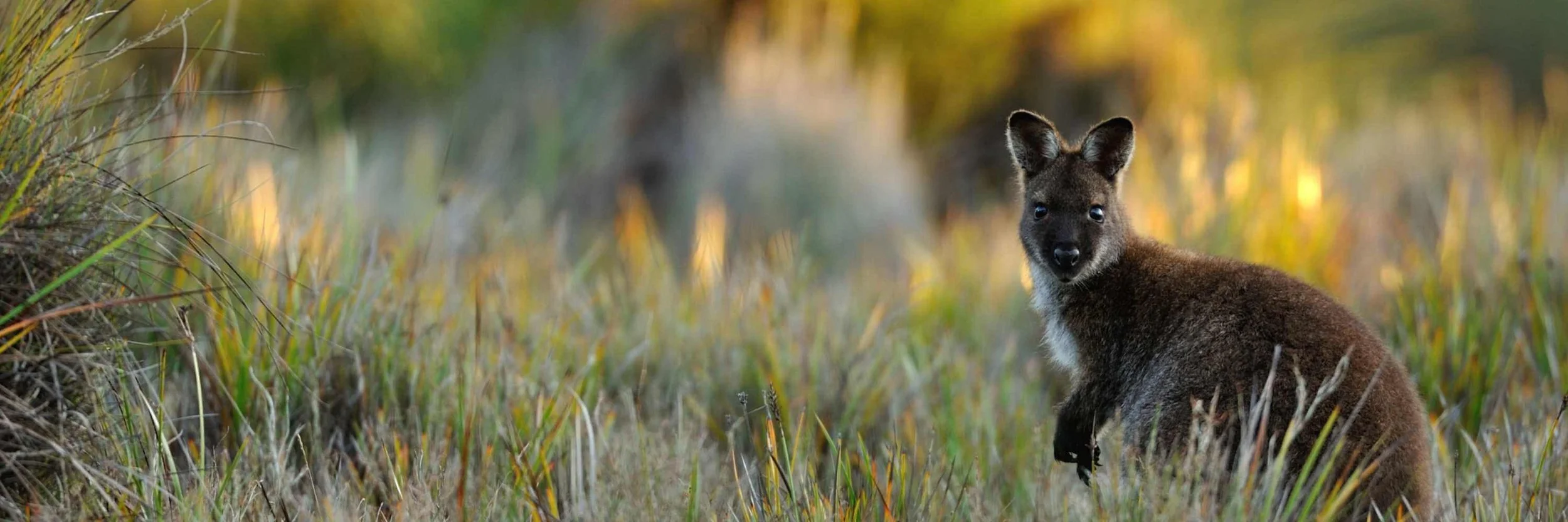
Yes, red-necked wallabies really do live on Inchconnachan, a wooded island in Loch Lomond. The truth is fascinating — and a little less straightforward than many online guides suggest.
The honest version
Scotland has wallabies — but not a wallaby visitor attraction
Inchconnachan is often called “Wallaby Island”. A population descended from animals introduced in the 1940s has survived there for decades. It remains woodland rather than a zoo, sanctuary or managed wildlife park, and published estimates of the population vary too widely to treat any single number as reliable.
How they arrived
An Australian marsupial in a Scottish loch
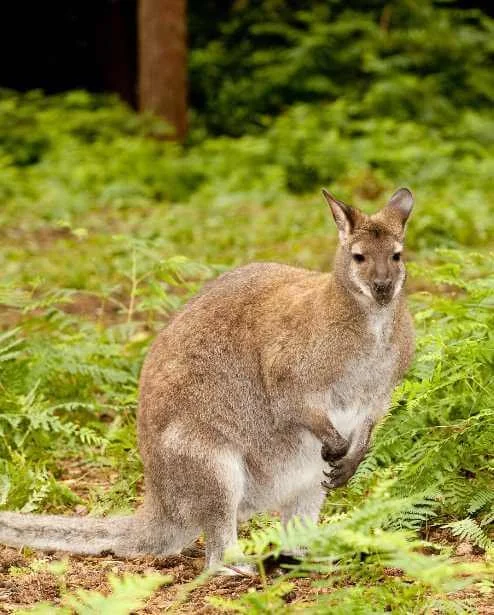
The animals are generally identified as red-necked wallabies, a species native to eastern and south-eastern Australia, including Tasmania. They were introduced to Inchconnachan in the 1940s by Fiona Bryde Gore, Countess of Arran, who was also known as Lady Colquhoun.
Inchconnachan covers roughly 42 hectares — around 103 acres — and is one of Loch Lomond’s many wooded islands. Its sheltered vegetation allowed the introduced animals to establish a long-running population, creating one of Scotland’s most unexpected wildlife stories.
The island’s ownership and proposed future have generated periodic headlines. Those plans can change. For a useful visitor guide, the durable facts are simpler: the island is privately owned, its woodland is environmentally sensitive, and it has no formal visitor infrastructure.
Before planning a visit
What visiting Inchconnachan actually involves
There is no road, bridge or scheduled public passenger ferry to the island. Reaching it means making a water crossing, and arriving does not turn the woodland into a predictable wildlife encounter.
Check access before setting out
Scotland’s access rights depend on responsible behaviour and do not remove the need to respect privacy, safety restrictions, signs, land management or sensitive habitats. Check current local information rather than relying on an old blog post.
Expect no facilities
There is no visitor centre, café, toilet, marked wallaby trail or ranger-led experience. Paths may be indistinct, vegetation dense and phone reception imperfect.
Leave wildlife in control
Keep your distance. Do not feed, surround, follow or touch a wallaby. Keep noise low, carry out every piece of litter and avoid damaging plants or making new tracks.
- Never make the trip solely on the promise of a sighting. Wild animals move, hide and may not appear.
- Do not take a dog in search of wallabies. Dogs can disturb wildlife even when their owner means well.
- Do not advertise precise resting or feeding spots. A quieter island gives wildlife more space.
Loch Lomond water safety
A wallaby sighting is never worth an unsafe crossing
Loch Lomond is cold, deep and exposed to fast-changing conditions. A calm-looking shore is not proof that the crossing is suitable. If you are not already competent, use a reputable local instructor or guide and choose an activity designed for your experience.
Wear a buoyancy aid
Use correctly fitted safety equipment. The National Park specifically advises paddlers and kayakers to wear a buoyancy aid.
Check the full forecast
Wind can create waves and make the return much harder. Be ready to abandon the plan.
Share your route
Tell someone exactly where you are going and when you expect to return. Carry a charged phone in a waterproof case.
Avoid boating channels
Stay visible, understand local navigation and never assume other vessels can see you.
Enjoy the loch without chasing a sighting
Easier ways to experience Loch Lomond
The wallabies make a brilliant story, but Loch Lomond does not need a guaranteed wildlife encounter to be memorable.
Questions answered
Wallaby Island FAQs
Are there really wallabies in Scotland?
Yes. Red-necked wallabies were introduced to Inchconnachan in the 1940s, and recent reporting still describes wallabies living on the island. There is no dependable public count, so precise population claims should be treated cautiously.
Where is Wallaby Island?
“Wallaby Island” is the popular name for Inchconnachan, one of the islands in Loch Lomond. It lies in the island group near Luss on the loch’s western side.
Is there a ferry to Inchconnachan?
There is no scheduled public passenger ferry to Inchconnachan. Do not confuse services to other Loch Lomond islands with access to Wallaby Island.
Will I definitely see a wallaby?
No. They are free-ranging animals in wooded terrain, not part of a managed display. No responsible guide can guarantee when or where one will appear.
Can I feed or approach the wallabies?
No. Feeding changes wildlife behaviour and can harm animals. Watch quietly from a generous distance and leave them an unobstructed escape route.
Does Scotland’s Wild visit Wallaby Island?
No. Our scheduled tours do not land on Inchconnachan and do not offer wallaby watching. Our Loch Lomond tours focus on the scenery, stories and landscapes that can be experienced responsibly from established locations.
Explore from Edinburgh
Make Loch Lomond part of a bigger Scotland adventure
These small-group tours connect the loch with castles, Highland landscapes and local stories. They are relevant ways to experience the area; neither tour visits Inchconnachan or promises a wallaby sighting.
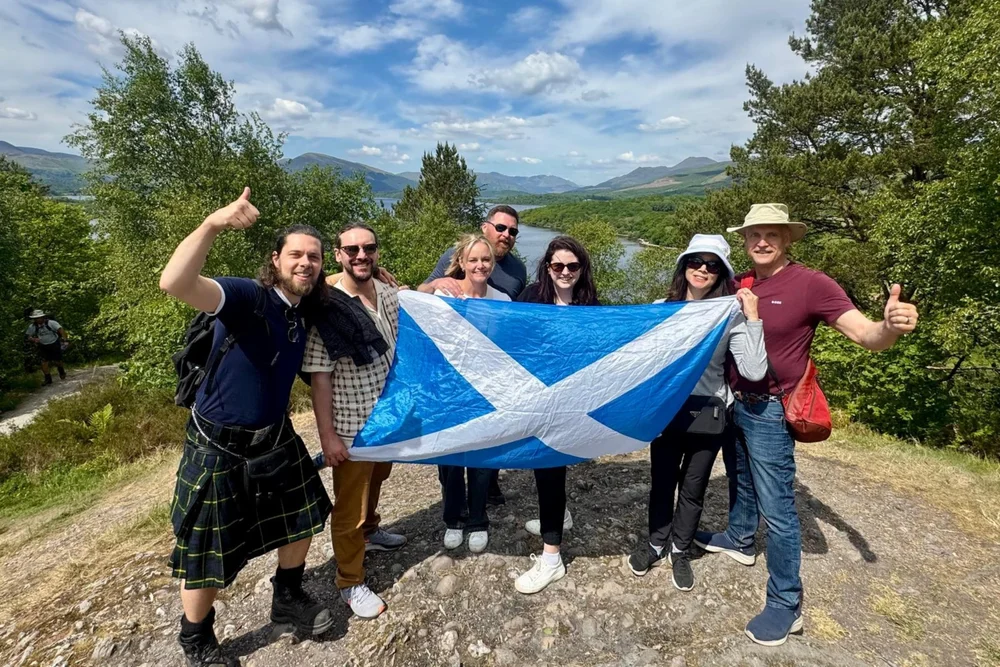
Stirling Castle, Loch Lomond, Whisky & Kelpies
Stand on the shores of Loch Lomond at Balmaha, explore Stirling Castle and discover more of central Scotland in one well-paced day.
View this day tour →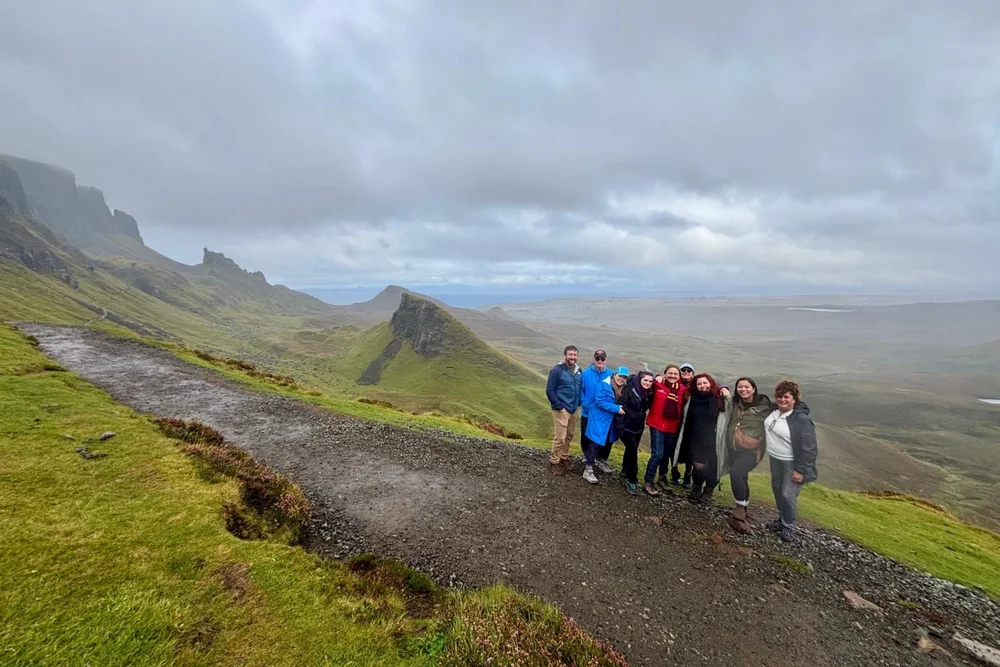
Isle of Skye & the Highlands
Travel north through Loch Lomond and the Highlands before spending two nights on Skye, with time for the island’s landscapes and stories.
View the Skye tour →Sources used to check this guide
- Loch Lomond & The Trossachs National Park — water safety guidance
- Scottish Outdoor Access Code — practical guide
- NatureScot — Loch Lomond Woods conservation advice
- The Guardian — island history, size and wallaby background
- The Glasgow Bell — recent reporting on Inchconnachan and its wallabies
Fact-check note: island ownership plans and wildlife numbers can change. This page deliberately avoids giving a precise current population or promising access and sightings. Last editorial review: September 2026.