

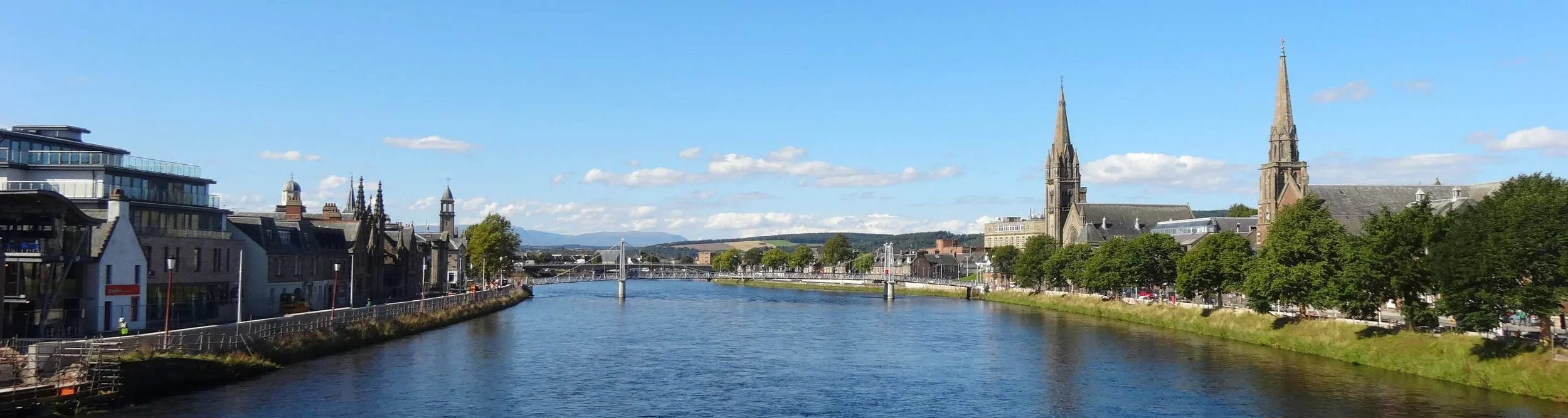
Your gateway to Scotland’s north
Inverness: a small city at the heart of the Highlands
Walk beside the River Ness, explore Highland history and use Scotland’s most northerly city as your starting point for Loch Ness, Culloden, Orkney and the Outer Hebrides.
The right kind of base
Why Inverness is worth more than a quick stop
Inverness gives you a walkable city break and access to some of northern Scotland’s most important landscapes. The centre sits on both sides of the River Ness, with shops, restaurants, transport links and riverside paths close together.
The name comes from the Gaelic Inbhir Nis, generally translated as “mouth of the River Ness”. That location explains the city’s importance: routes from the Great Glen, the Moray Firth and the northern Highlands meet here.
- Stay for the city itself: the river, castle, museum and Victorian Market fit naturally into an unhurried day.
- Use it as a base: Loch Ness, Culloden and Clava Cairns are all realistic outings.
- Begin a bigger journey: Inverness is a practical departure point for Scotland’s northern mainland and islands.
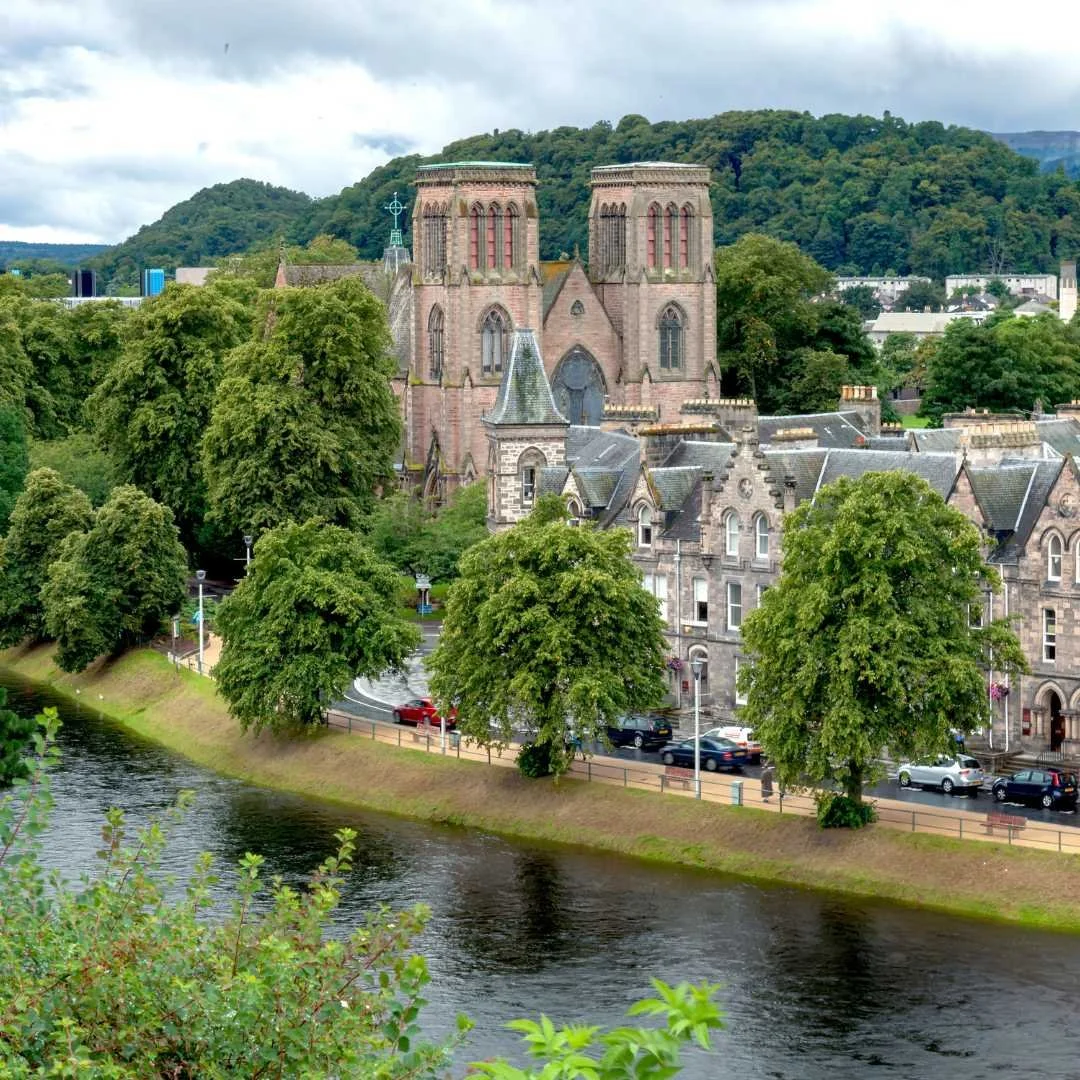
Start within walking distance
The best things to do in Inverness
The centre is compact enough to explore without turning the day into a race. Choose a few places, leave time for the river and check current opening times before visiting indoor attractions.
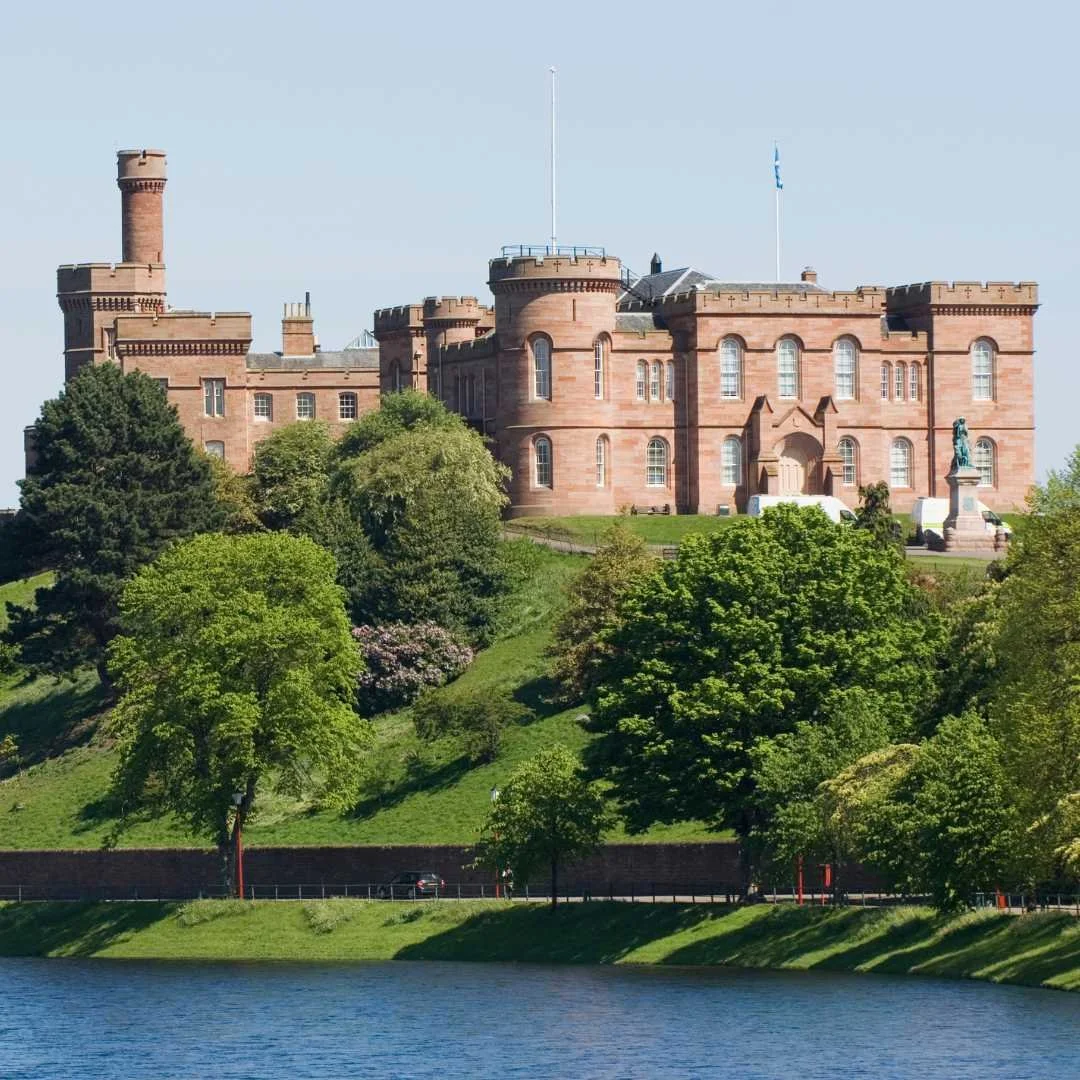
Visit the Inverness Castle Experience
The nineteenth-century red sandstone castle has been transformed into a visitor experience centred on Highland culture, landscape, language and storytelling. It is now open, making the live page’s old “opening in 2025” wording obsolete.
Check current tickets and opening times →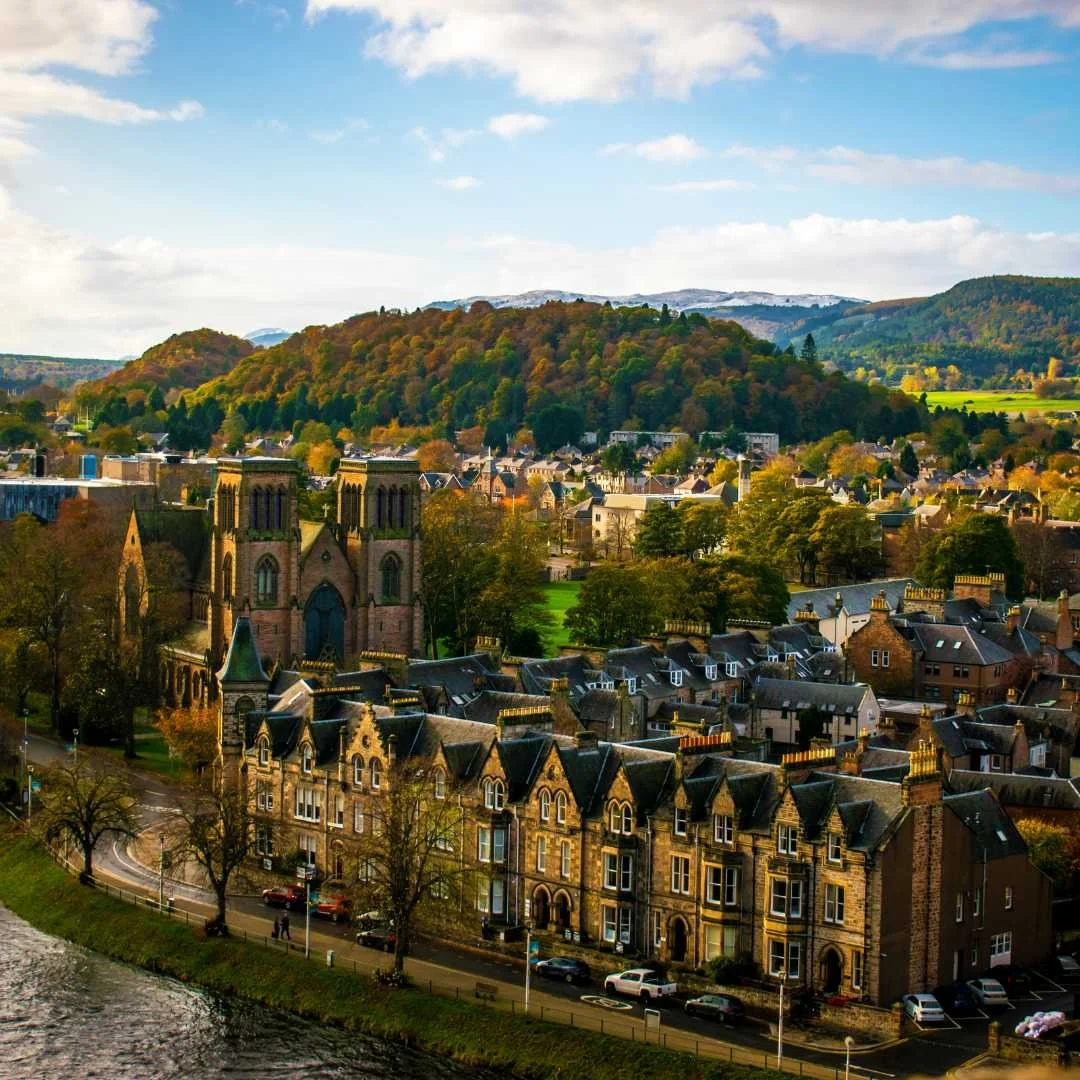
Walk the river and Ness Islands
Follow the River Ness upstream from the centre to a chain of wooded islands joined by footbridges. It is one of the easiest ways to understand how quickly Inverness moves from city streets to a quieter Highland landscape.
Explore official Inverness visitor information →Inverness Museum & Art Gallery
Use its Highland collections to add context to the Picts, Jacobite history, archaeology, natural history and local art.
Check current museum information →Victorian Market
Step inside the covered market close to the railway station for independent food, gifts and local businesses. It works well as a short stop rather than a half-day attraction.
See the market directory →Leakey’s Bookshop
Browse a much-loved second-hand bookshop inside a converted church. Opening days can change, so confirm them if it is central to your plans.
River Ness at dusk
Return to the bridges and riverside after dinner. Illuminated landmarks and reflections on the water give the compact centre a different atmosphere.
History and landscape beyond the centre
Three worthwhile places near Inverness
These are close on a map, but they deserve proper time. Check transport, admission and opening information rather than assuming they can all be rushed into one morning.
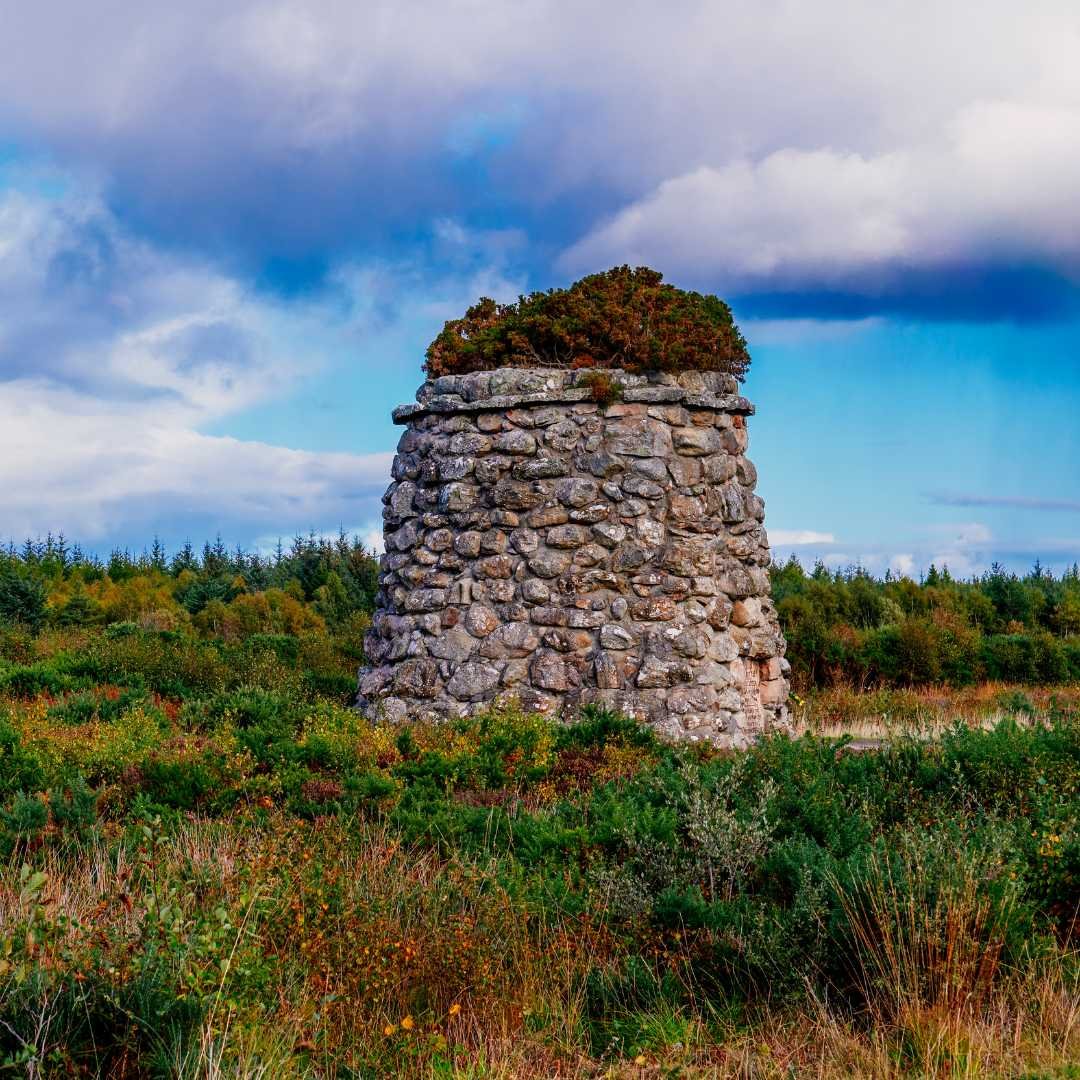
Culloden Battlefield
On 16 April 1746, the final Jacobite Rising came to a brutal conclusion here in the last pitched battle fought on British soil. The visitor centre explains both Jacobite and Government perspectives; the battlefield itself is a place to approach thoughtfully.
Plan a visit with the National Trust for Scotland →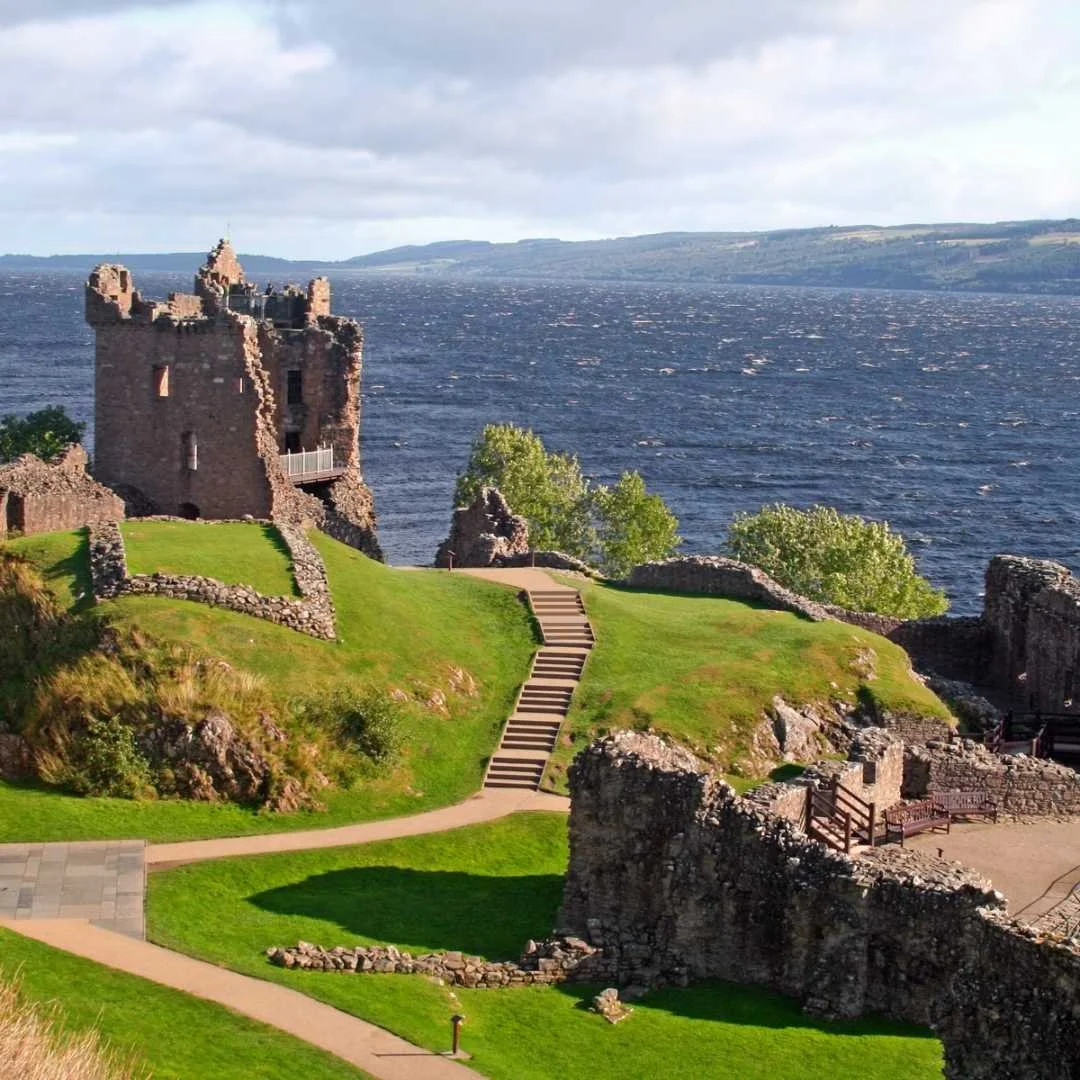
Loch Ness and Urquhart Castle
Loch Ness begins just beyond the city and stretches south-west through the Great Glen. A cruise can reveal the scale of the loch, while Urquhart Castle adds centuries of conflict and settlement to the famous monster story.
Explore our Loch Ness guide and tours →Read Historic Environment Scotland’s visitor guidance →
A short, careful history
Why Inverness has mattered for centuries
The river crossing and access to the Great Glen made this an important place long before the modern city. Pictish power was centred across northern and eastern Scotland, while medieval rulers competed for control of the routes and strongholds around Inverness.
King Macbeth was a real eleventh-century ruler, but Shakespeare’s murderous character should not be treated as biography. The play associates Macbeth with Inverness; it does not prove that the historical king lived in the present castle, which was built many centuries later.
Mary, Queen of Scots was refused entry to an earlier Inverness Castle in 1562 before her supporters took it. In 1746, Culloden brought the final Jacobite Rising to an end nearby. Its aftermath reshaped Highland life through military repression, legislation, economic change and later displacement — a more complex story than the old claim that one battle simply “ended the clan system”.
Inverness developed as a regional centre for trade, transport and public life. Today, its Gaelic name, river, museum and new castle experience connect the modern city with the wider Highlands it serves.
Build a realistic visit
How long should you spend in Inverness?
One day shows you the centre. Two days let you add one major nearby experience. Three nights or more give northern Scotland room to breathe.
Meet the city
- River Ness and city bridges
- Castle Experience or museum
- Victorian Market and old town
- Ness Islands walk
Add one major outing
- A focused Loch Ness journey
- Or Culloden with Clava Cairns
- Keep an evening for Inverness
- Avoid overfilling both days
Go further north
- Build in weather flexibility
- Explore the Black Isle or coast
- Begin an island adventure
- Rest before and after long journeys
Practical planning
Getting to and around Inverness
The city is well connected, but Highland distances and single-track roads can make journeys longer than they look. Confirm live timetables with the operator.
By train
Direct and connecting rail services link Inverness with central Scotland and other Highland destinations. The station is in the city centre.
By coach
Long-distance coaches connect Inverness with Edinburgh, Glasgow, Fort William and northern routes. The bus station is close to the railway station.
By air
Inverness Airport lies east of the city. Rail, bus, taxi and car-hire options vary by arrival time, so check the connection before booking.
Without a car
The centre is walkable. Use public transport or an organised tour for destinations where parking, ferries or long rural roads complicate the day.
Small-group tours from Inverness
Use Inverness to reach Scotland’s northern islands
Our Inverness departures turn the long road north, ferry crossings and island logistics into one connected three-day journey with a Scotland’s Wild guide.

Orkney Islands & the North Coast
Travel through Scotland’s far north and cross to Orkney for Skara Brae, stone circles, Kirkwall, wartime history and two nights on the islands.

Outer Hebrides, Lewis & Harris
Cross the Minch for Luskentyre’s pale sands, Callanish, blackhouse culture and the Atlantic edge, connected by the north-west Highlands.
Useful answers
Planning an Inverness visit
Is Inverness worth visiting if I do not have a car?
Yes. The centre, River Ness, castle, museum and Ness Islands can be explored on foot. Rail, bus and organised tours can take you farther, although rural services require more planning than city transport.
How many days do I need in Inverness?
Allow at least one full day for the city. Two days lets you add Loch Ness or Culloden and Clava Cairns without rushing. Stay longer if Inverness is your base for wider Highland or island journeys.
Is Inverness Castle open to visitors?
Yes. The Inverness Castle Experience is now open. Tickets, hours and individual areas can change, so check its official website before your visit.
Can I visit Loch Ness from Inverness?
Yes. Inverness is the nearest city and a useful base for the northern end of Loch Ness. Choose between public transport, a cruise connection, driving or a guided outing according to the places you want to reach.
Is Culloden in Inverness?
Culloden Battlefield is outside the city, around five miles east of Inverness. It can be reached by car and some public transport services; check live routes and the National Trust for Scotland visitor information.
Where do Scotland’s Wild tours leave from?
Our current three-day Inverness tours check in at the Rose Street meeting point near the city’s bus and railway stations. Always use the meeting instructions in your booking confirmation, as operational details can change.
When is the best time to visit Inverness?
Inverness works year-round. Late spring and summer bring longer daylight and greater demand; autumn can be colourful and quieter; winter has short days and more limited attraction schedules. Choose for your priorities and book island transport and accommodation early in busy periods.
Sources and checking notes
- Inverness Castle Experience — current visitor information
- National Trust for Scotland — Culloden history and visitor planning
- Historic Environment Scotland — Clava Cairns
- Visit Inverness Loch Ness — destination information
- ScotRail — Inverness station and live rail planning
- Current Scotland’s Wild Orkney and Lewis & Harris tour pages — itinerary, departure, age, group size, accommodation and payment information.
Opening hours, admission, transport and tour availability can change. Check the linked operator or attraction before travelling. Last editorial review: September 2026.