
Planning a trip to Scotland but feel spoiled for choice?
You’re not alone. Many visitors feel a bit overwhelmed by the sheer number of places worth visiting here.
If you’d rather watch than read, the full 18-minute video is embedded below — pop it on, sit back, and save this page for later.
Quick list: the 15 places covered
Loch Lomond (Bonnie Banks)
Kilmartin Glen
Isle of Islay (Whisky Island)
Glencoe
Arisaig, Mallaig & the Small Isles (Rum, Eigg, Canna)
Isle of Skye
Lewis & Harris (Outer Hebrides)
Caithness
Orkney
Speyside (Whisky)
Cairngorms National Park
Aberdeenshire (Castle Lovers)
Fife (St Andrews, East Neuk)
Perthshire (Big Tree Country)
Isle of Arran (Scotland in Miniature)

Loch Lomond (Bonnie Banks)
Number one, Loch Lomond — affectionately known as the Bonnie Banks. Loch Lomond is a captivating loch straddling the Lowlands and the Highlands of Scotland, and is considered the birthplace of the Romantic Revival.
It really is picture-postcard — or as the Scots would say, shortbread tin Scotland.
It’s only one hour from Glasgow. You can take boat trips to some of the many wee islands on the loch. There are well-marked hikes, and charming lochside villages are aplenty. The views from Conic Hill or Ben Lomond are some of the best in the country.
You’ll take the high road, I’ll take the low road…
Kilmartin Glen
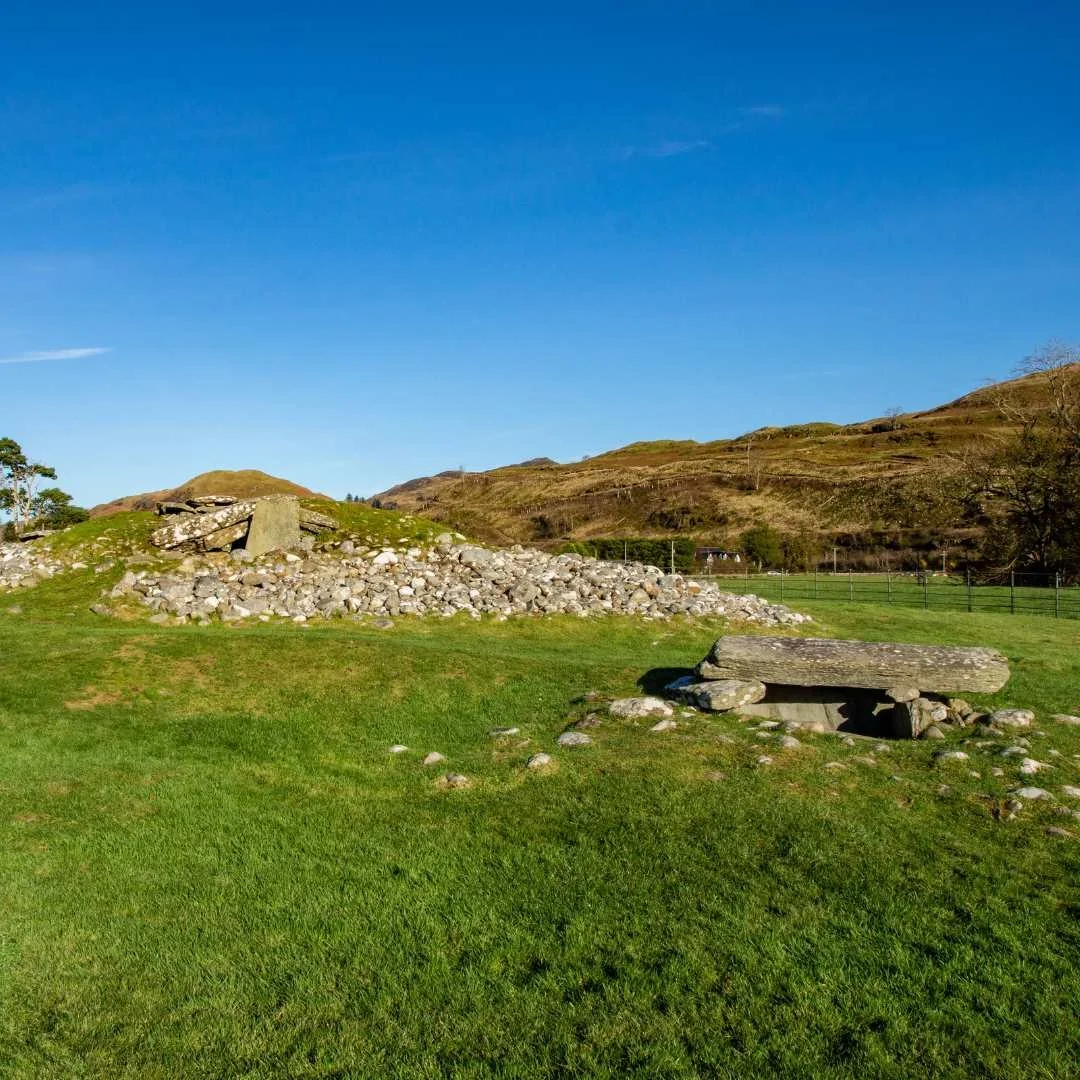
Number two, Kilmartin Glen. More than 350 ancient sites are scattered through this lesser-known corner of Scotland — some of which predate the pyramids and Stonehenge.
Little is known about most of these sites, but it is the very mystery that appeals to most people visiting the glen. There are standing stones, rock art, burial cairns, and stone circles.
Much of what archaeologists have found here is housed in the newly renovated Kilmartin Museum, where expert staff are more than happy to explain and delve into the staggering history of this wee glen.
Isle of Islay (Whisky Island)
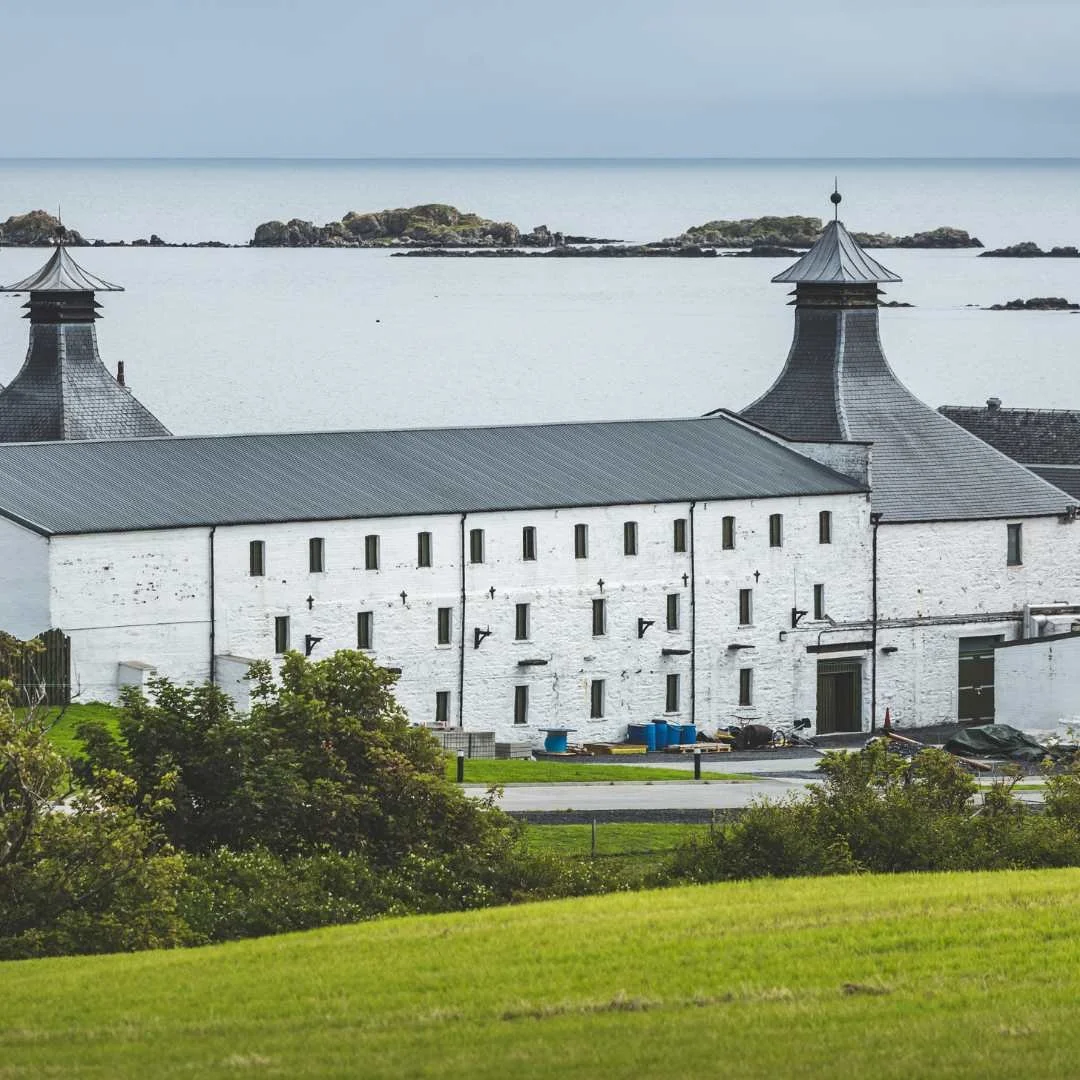
Number three, Islay. The queen of the Hebrides may appeal mostly to whisky lovers, but this island offers a wee bit of everything.
The stunning island is like Disneyland for those looking to indulge in uisge beatha, the water of life. There are nine fantastic distilleries to work your way around, and more are being built as we speak.
These include one of the oldest in the country, Bowmore, and the three big hitters for fans of smoky whisky: Laphroaig, Lagavulin, and Ardbeg.
It’s not all whisky, though. Islay is known for its abundance of bird-spotting opportunities, coastal views over to Northern Ireland, and extremely important historic sites such as Finlaggan, the old centre of the Lordship of the Isles.

Glencoe
Number four, Glencoe. There is nowhere in the country quite as dramatic and mind-blowing as Glencoe. You could drive through this cauldron-like valley ten times in the same day and never tire of it.
Towering mountains — often with their summits covered in ghostly cloud — wrap around you. Water rushes down the steep slopes in almost every direction, and the colours are so vivid they are almost overwhelming.
This place is somewhere you will never want to leave.
This was the stage of one of the darker chapters in Scottish history: the Massacre of Glencoe in 1692. Coming here and learning about that terrible event will only help you to understand why the Scots find Glencoe a truly emotional place.
Great hikes are a-plenty — just make sure you are prepared, since these mountains are often underestimated.
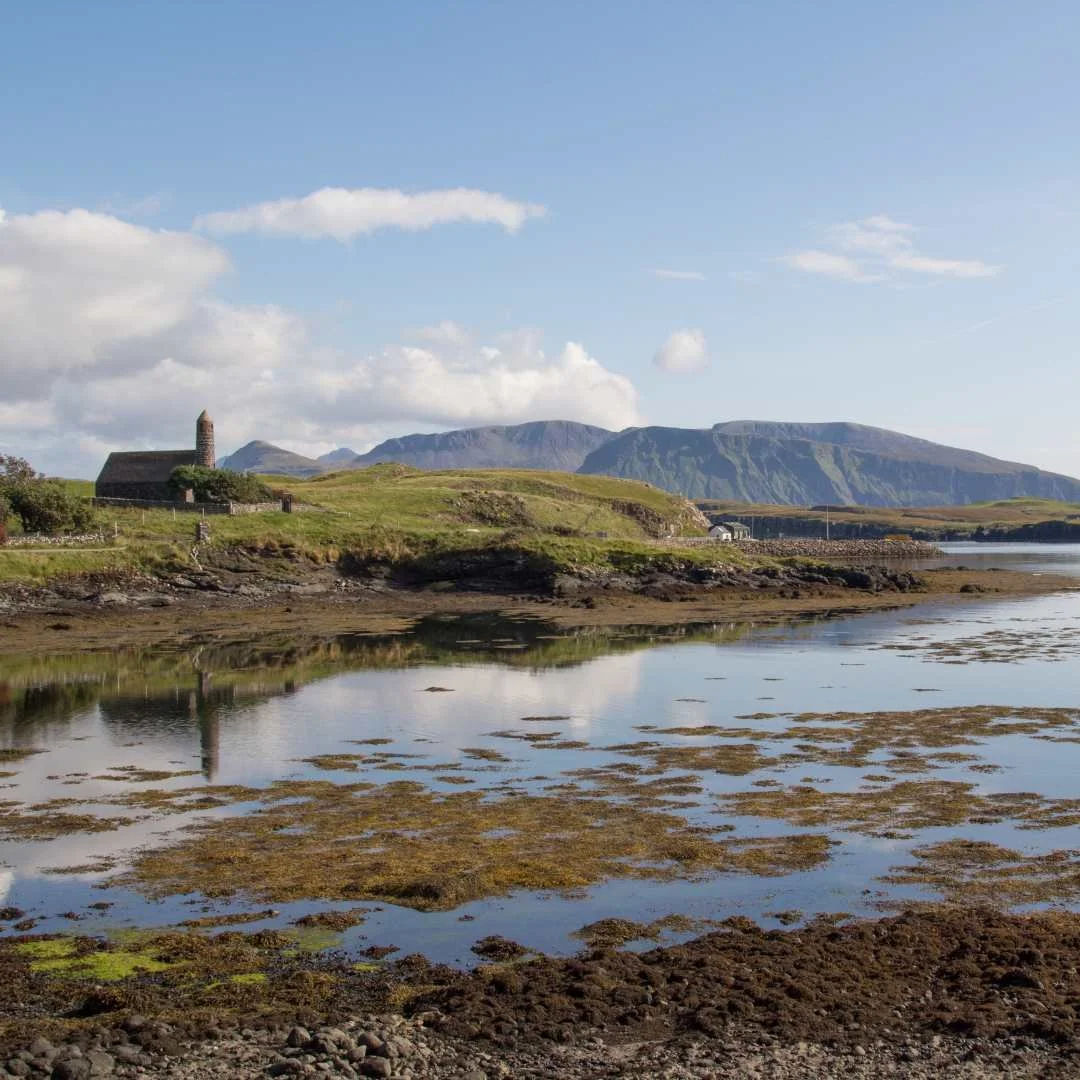
Arisaig, Mallaig & the Small Isles (Rum, Eigg, Canna)
Number five, Arisaig, Mallaig, and the Small Isles. This wee section of coastline is a real hidden gem, with easily some of the most beautiful beaches in Scotland — and often you have them entirely to yourself.
Camusdarach and the Silver Sands of Morar are both extremely special, but this entire coastline is covered in sandy coves worth exploring.
For fans of Harry Potter, the famous Glenfinnan Viaduct, where the Hogwarts Express glides over in the films, is nearby — along with the monument which marks Bonnie Prince Charlie’s rallying point at the beginning of the last Jacobite uprising.
If you want to get further off the beaten track, take a ferry to any one of the gorgeous Small Isles — Rum, Eigg, or Canna.
This will give you the true island experience: murmurs of Gaelic, an abundance of wildlife, and plenty of quiet spots to take a deep breath and enjoy the slower pace of life.
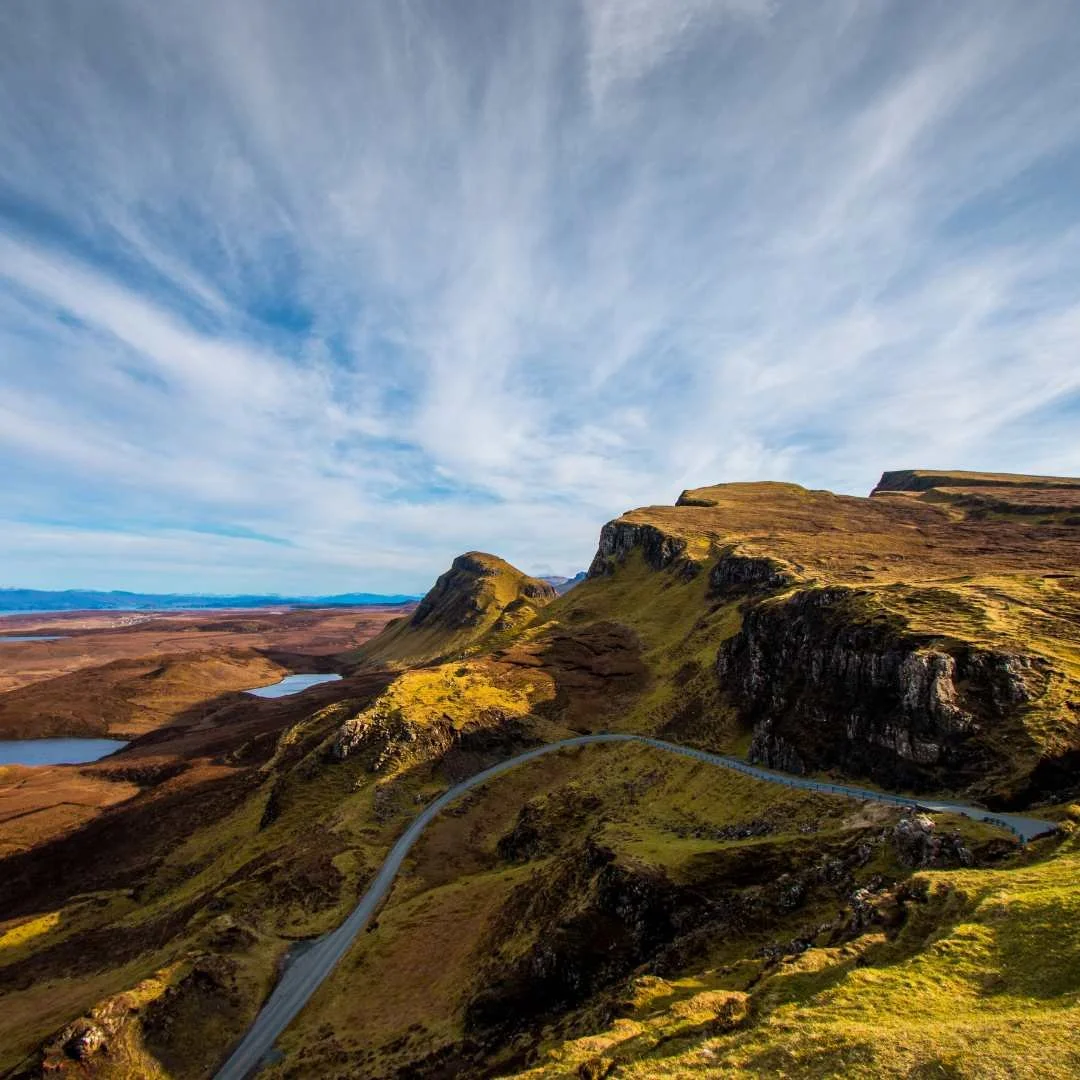
Isle of Skye
Number six, the Isle of Skye. Skye is a popular choice for visitors to Scotland — and rightly so.
The largest of the Inner Hebrides, you can easily spend a couple of days navigating the impressive landscape known as the Misty Isle. Skye is all about getting outside and drinking in the views, whilst also dabbling in some fascinating folklore.
The Old Man of Storr, the Quiraing, and the Cuillins steal most of the headlines, but there is no shortage of stunning spots on this fairy-tale-like island. Two distilleries, countless waterfalls, and enchanting ruins — it’s all here.
Skye is a special place, and definitely somewhere you should consider venturing to.

Lewis & Harris (Outer Hebrides)
Number seven, Lewis and Harris. The largest of all the Scottish islands, Lewis and Harris are actually connected — but offer great variety in their respective landscapes.
Lewis is home to the Callanish Standing Stones, probably the most impressive set of standing stones in the entire country, which predate Stonehenge.
There are other brilliant spots to take in: the blackhouse village at Gearrannan, the Dun Carloway Broch, and the most northerly point (and windiest spot) in Scotland — the Butt of Lewis Lighthouse — where you will feel as though you are standing at the edge of the world.
Down in Harris, on the other hand, it is a land of otherworldly coastal drives which will make you feel as though you’re on another planet. Steep mountains where the golden eagles soar, and award-winning beaches with clear turquoise water.
Don’t forget to pick up some of the legendary locally made Harris Tweed.
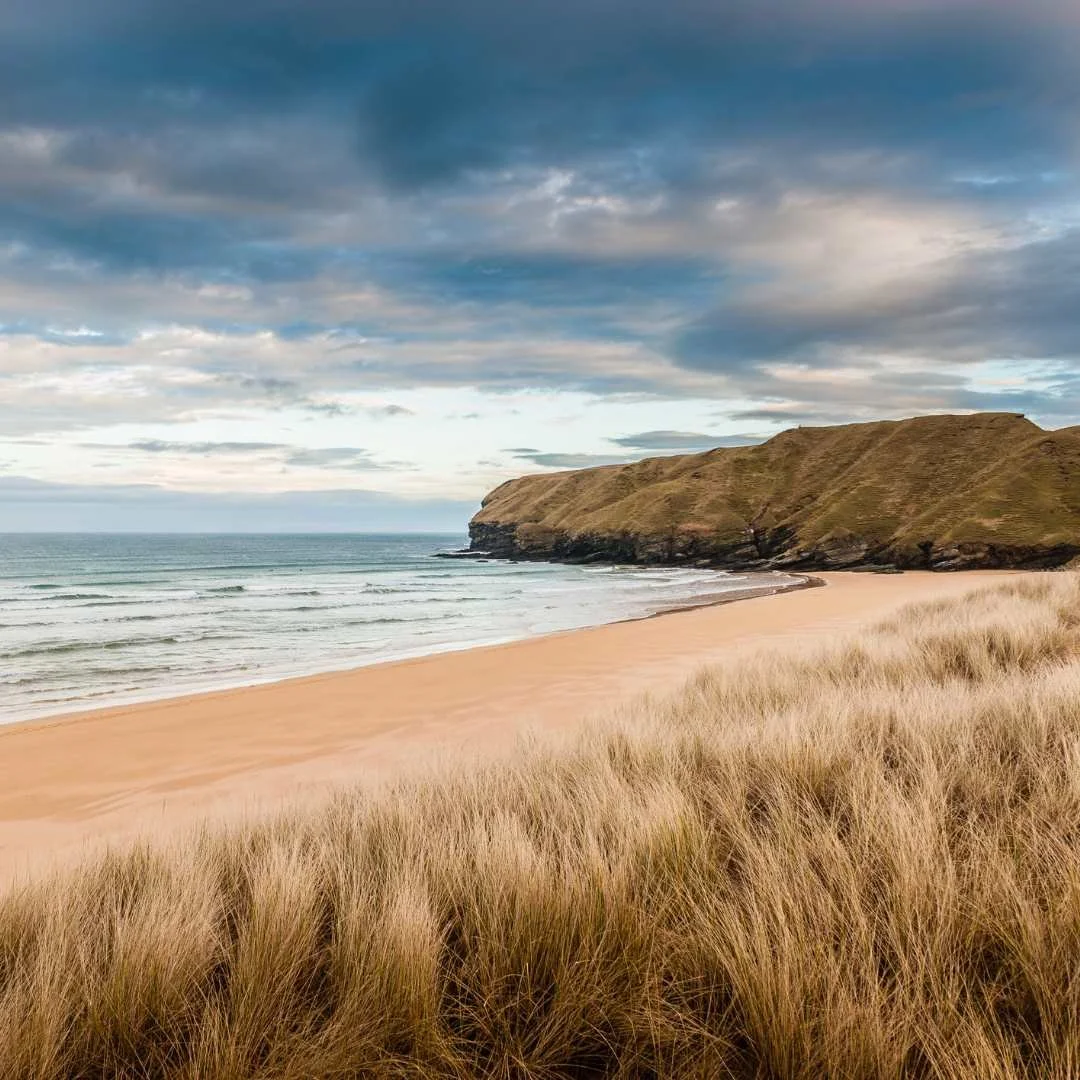
Caithness
Number eight, Caithness. Lying right at the most north-eastern corner of Scotland is Caithness — full of ancient Iron Age brochs, towering sea stacks and cliffs where the seabirds soar, and huge blankets of bog which seem to go on forever.
This is a landscape of global ecological significance.
Visit the most northerly spot on the mainland, Dunnet Head, and crawl your way into 5,000 years of history at the Camster Cairns.
From Caithness, it’s easy to hop over to the Orkney Islands — a great option if you are looking for more island adventures.
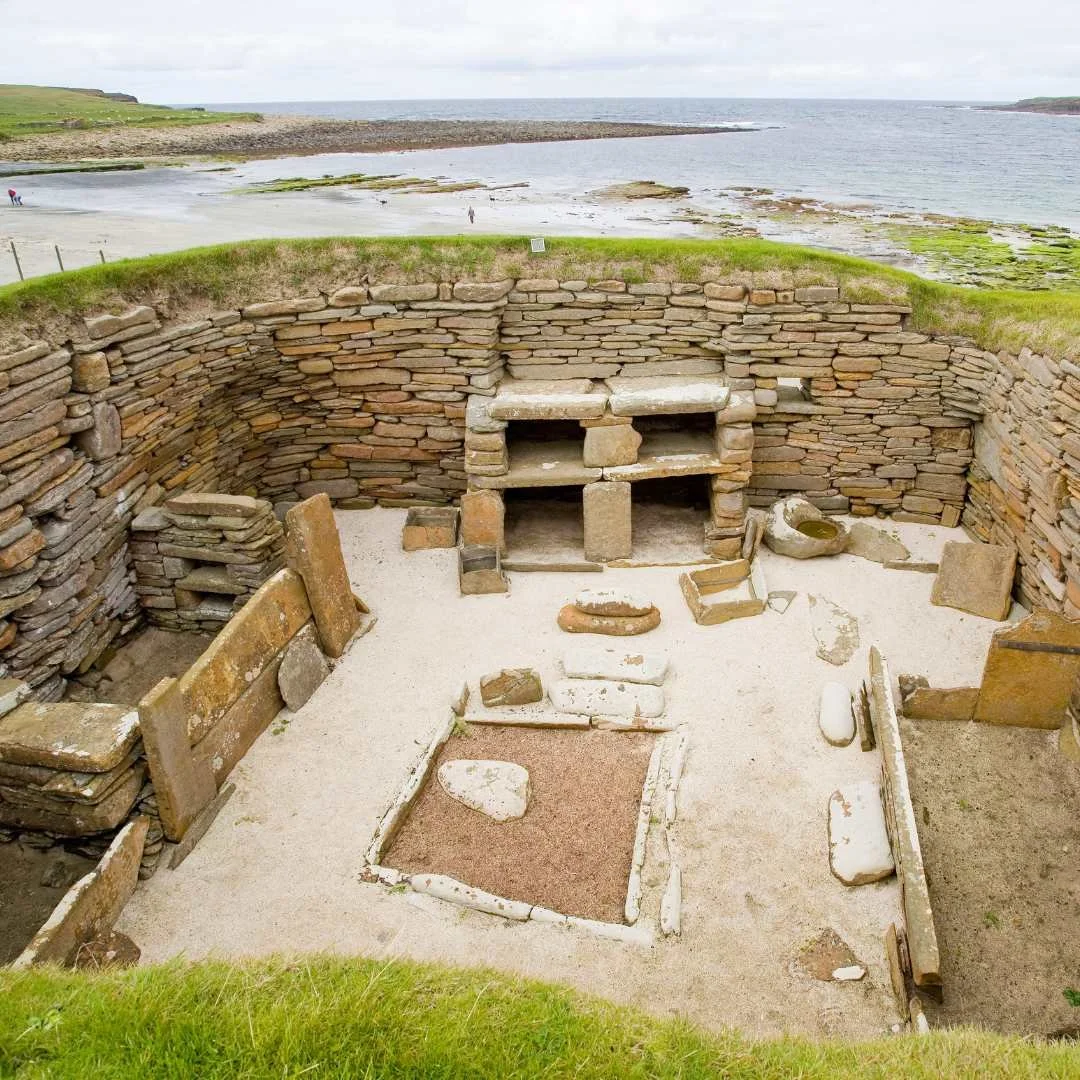
Orkney
Number nine, Orkney. Orkney is a beautiful archipelago of lush green islands surrounded by the fierce North Sea on one side and the Atlantic Ocean on the other.
This is another great place to slow down and absorb quiet island life. Most visitors to Orkney are looking to explore some of Europe’s finest prehistoric sites: Skara Brae, the Ring of Brodgar, and Maeshowe Chambered Cairn. These are fascinating sites and are again UNESCO recognised.
The island’s capital of Kirkwall is a small but lively harbour town with narrow streets and little local craft shops. Be sure to learn about Orkney’s Norse-tinged past at St Magnus Cathedral.
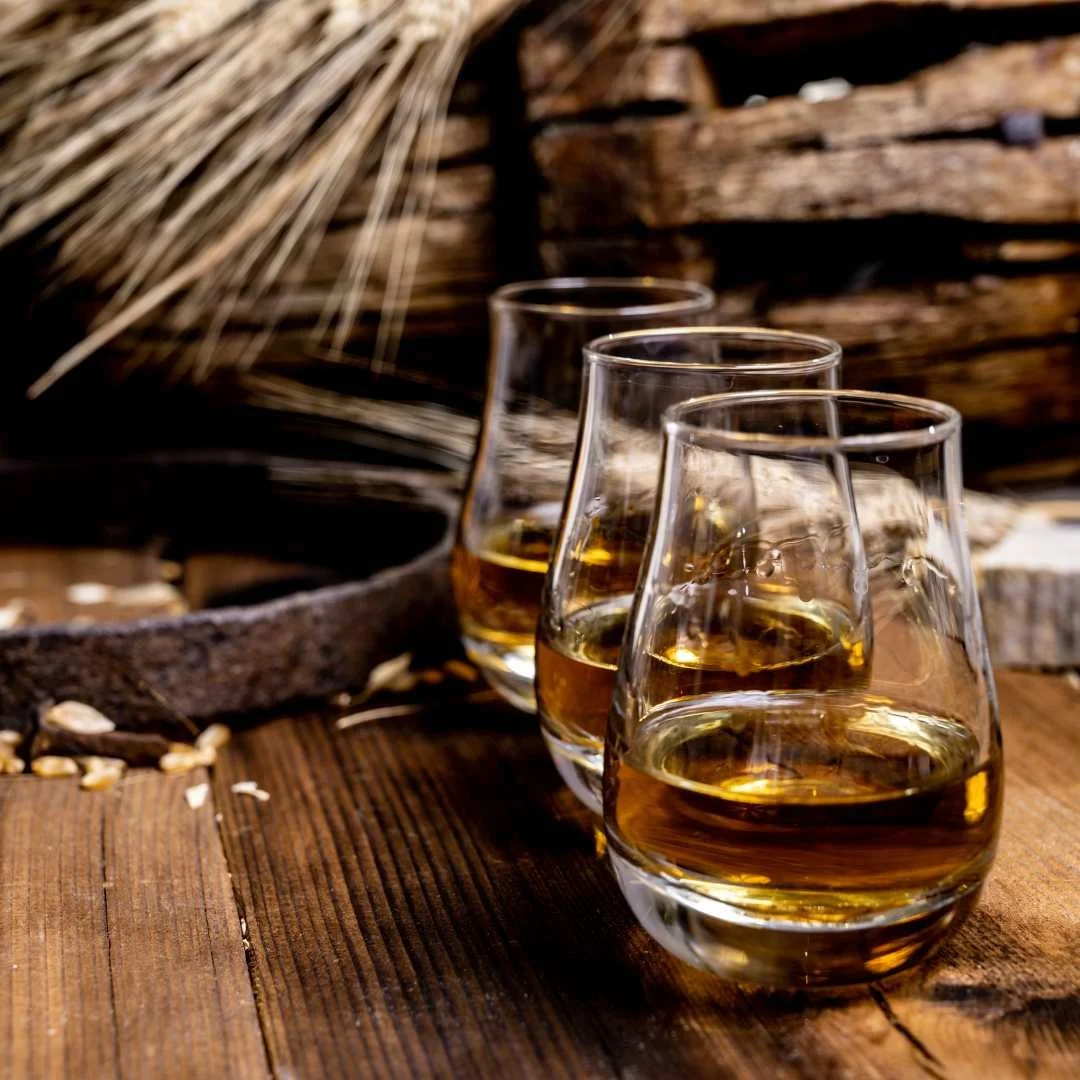
Speyside (Whisky)
Number 10, Speyside. If you adore your whisky but not the peated stuff, chances are you’re including Speyside on your itinerary.
Over 50 distilleries, including huge icons like Glenfiddich, Macallan, and Glenlivet, and also local favourites such as GlenAllachie, Tamdhu, and Benromach. This area is truly whisky galore.
The beautiful backdrop of barley fields, winding rivers, and bright purple heather-clad hills only make Speyside an even more appealing destination.
It is possible to walk the Speyside Way, a trail with plenty of stops for refreshment, and it will take you all the way out to Spey Bay.
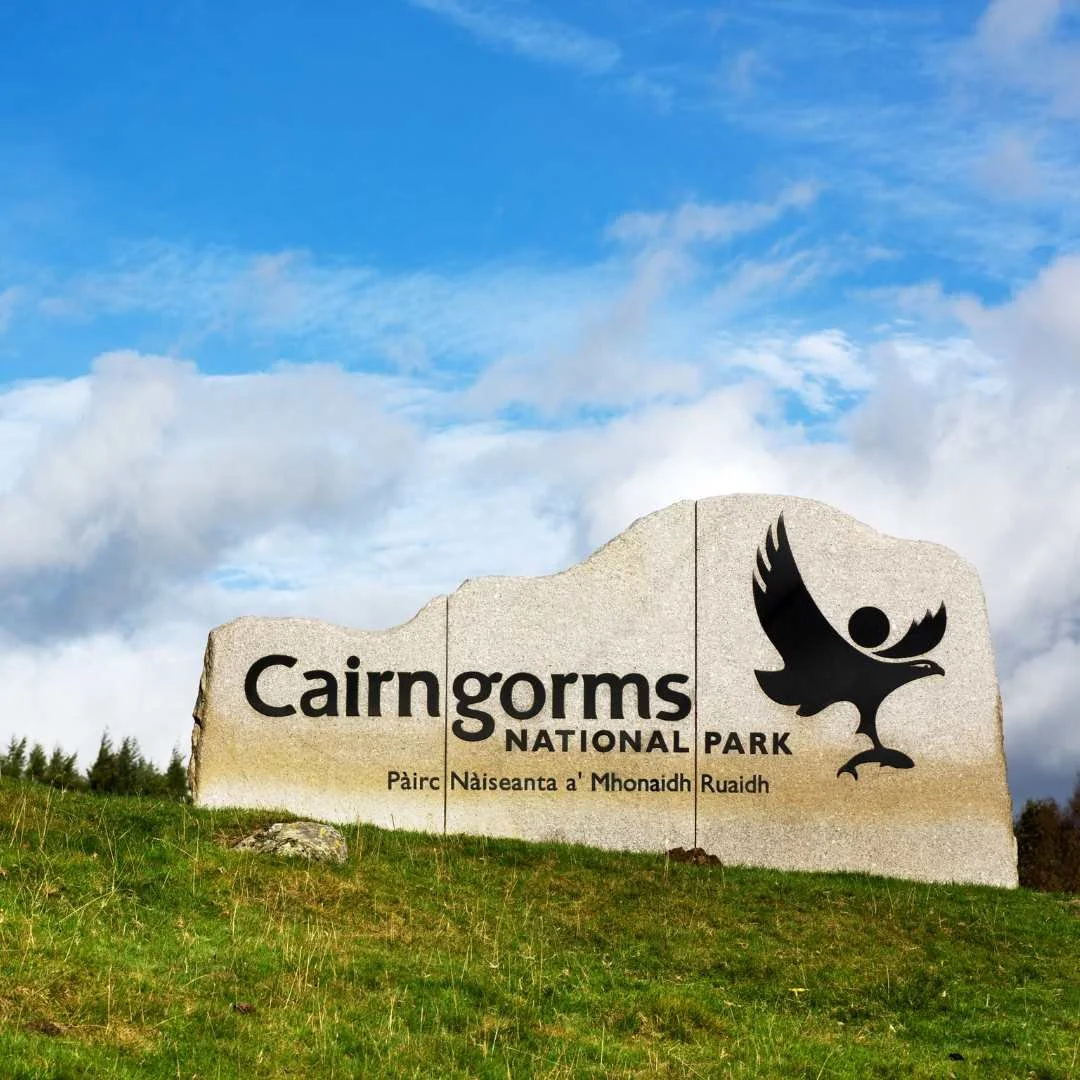
Cairngorms National Park
Number 11, Cairngorms National Park — the UK’s largest national park. This is an essential area to cover on your trip.
Amazing scenic roads to cruise along, some of the country’s best wildlife-spotting opportunities, and ancient Caledonian pine forest to wander through.
This is a high-altitude, almost tundra-like landscape where the snow falls in winter and locals head for a spot of skiing.
Rare species which can be found here are ptarmigan, capercaillie, mountain hares, and even Scottish wildcats.
There is ample hiking opportunity, with five out of six of the country’s tallest peaks. And this is also one of the best places to enjoy dark sky views — often rewarding you with a chance to experience the Merry Dancers, more commonly known as the Northern Lights.
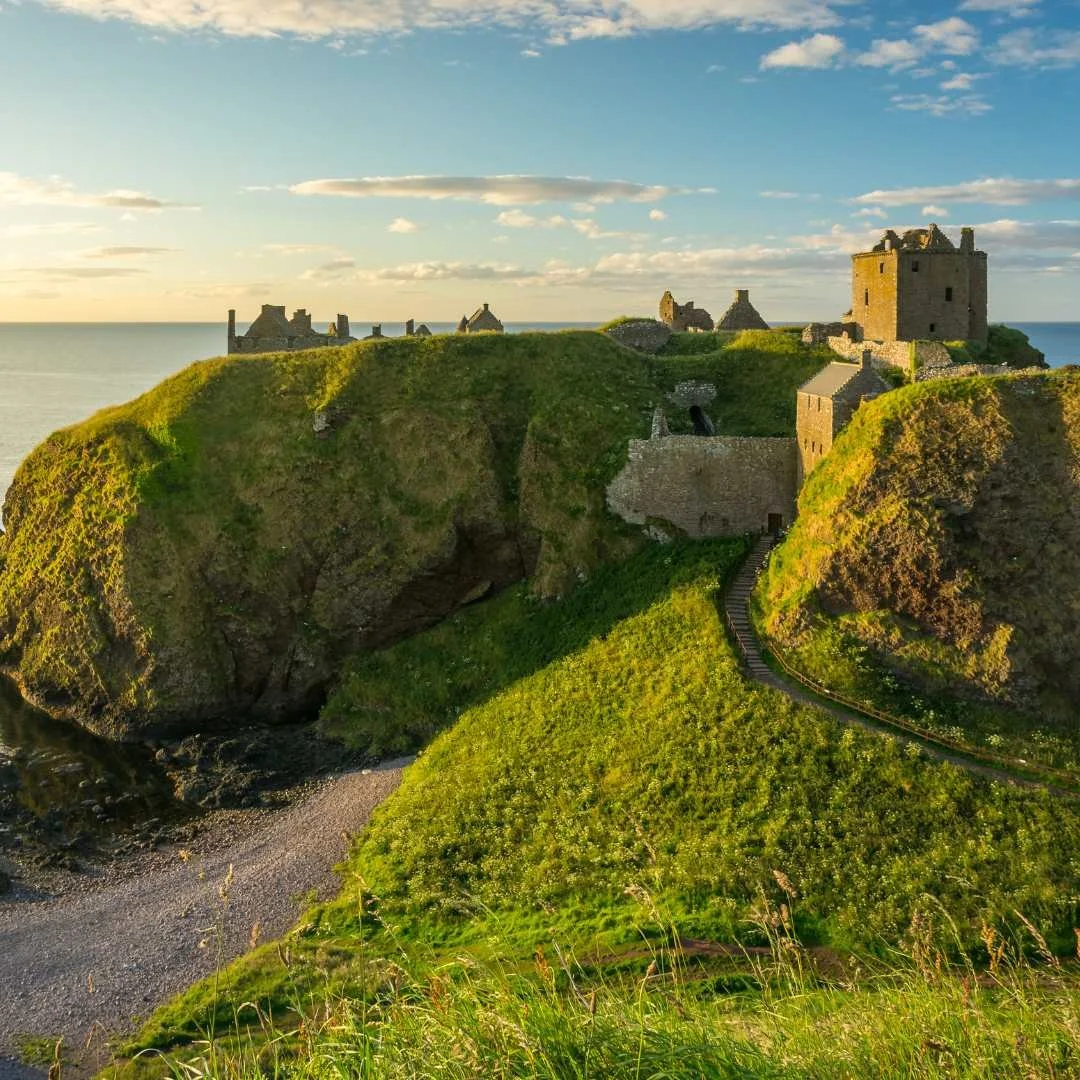
Aberdeenshire (Castle Lovers)
Number 12, Aberdeenshire — one for the castle lovers, with more castles per square mile than anywhere in the country.
Aberdeenshire is another fantastic area often missing from itineraries. There are the incredible clifftop castles of Slains and Dunnottar — the former supposedly an inspiration for Bram Stoker’s Dracula, and the latter being one of the most photographed in the country.
Castle Fraser is a must-see, as well as the fantastic Disney-like Craigievar and Crathes with its stunning gardens.
Aberdeenshire is also home to Balmoral Castle, the much-loved holiday home in the Highlands for the royal family.
From mountain to sea and everything in between, Aberdeenshire is a beautiful, varied corner of the country with bags of history.
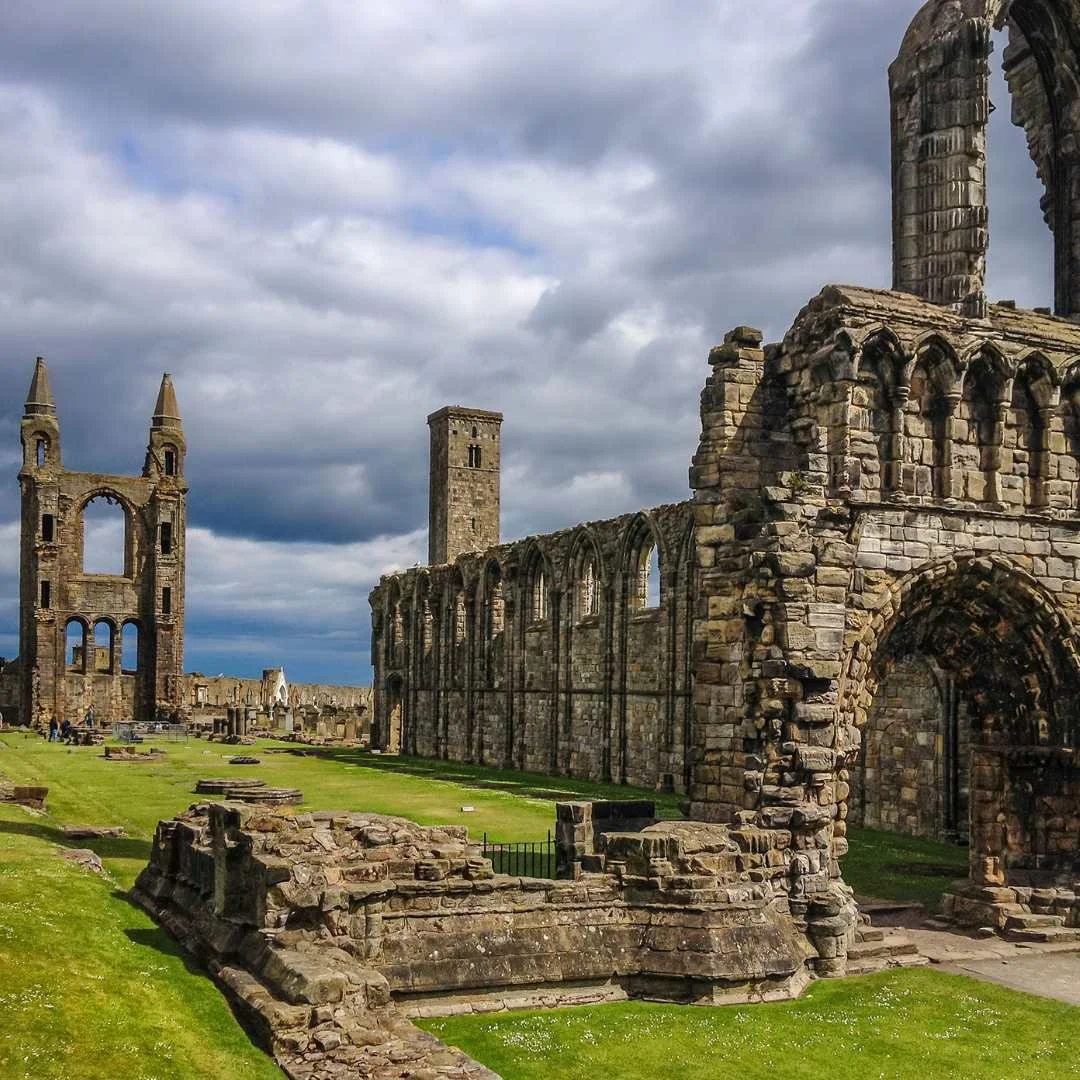
Fife (St Andrews, East Neuk)
Number 13, the East Neuk of Fife. Sticking to the east coast, you should consider dedicating some time to the Kingdom of Fife — in particular, a corner known as the East Neuk.
Here, historic and charming fishing villages are everywhere, and world-class golf courses are not hard to come by.
Experience local seafood spots with freshly caught delicacies, explore coastal paths from which dolphins can be spotted, and play 18 holes on one of the many links golf courses.
St Andrews is, after all, the home of golf. And when visiting the popular seaside town, make sure you see the old ruins of the castle and cathedral. Jog along West Sands Beach like they do in Chariots of Fire, and then indulge in some locally made ice cream.

Perthshire (Big Tree Country)
Number 14, Perthshire — otherwise known as Big Tree Country. Perthshire is famed for its beautiful woodland walks and rushing waterfalls.
At Scone Palace, you can visit Moot Hill, where our royals were inaugurated upon the Stone of Destiny, now housed in a brand new museum in the nearby city of Perth.
Go wild with some white-water rafting or a bungee jump. Or take it easy at much-loved spots like The Hermitage, where the salmon can be seen leaping in the autumn, or the Birks of Aberfeldy — the inspiration behind one of Robert Burns’ poems, our much-cherished national bard.
Perthshire is a lush green landscape in the heart of Scotland, with plenty to keep you busy.

Isle of Arran (Scotland in Miniature)
Number 15, the Isle of Arran. Not too far from the bustling city of Glasgow lies a peaceful island lovingly referred to as Scotland in miniature.
This is a perfect choice for those looking to experience a bit of everything in a shorter space of time: sweeping beaches, rugged mountains, charming coastal villages — Arran has the lot.
Plenty of wildlife spots, two distilleries to visit, and an excellent location for hikers and cyclists. Arran punches above its weight as an island.
You can experience some history at magnificent Brodick Castle or the huge standing stones at Machrie Moor, and then get chatting to friendly locals in the many cafés, shops, and pubs.
Arran is certainly underrated. Don’t miss out on this stunning island — only a short hop across from the mainland.
So, there you have it — 15 amazing spots to explore when you visit Scotland.
And if you’re looking to go with an experienced guide to learn about the history, culture, and the beautiful landscape of this amazing country, then consider booking a tour with Scotland’s Wild — we’ve been leading tours around this magical land for many years.