
8 Powerful Scottish Clans and Their Castles
8 Powerful Scottish Clans and Their Castles
For centuries, a handful of Scottish clans held more land, more fighting men and more influence than the rest. Many of their castles still stand, and several are open to visitors today. Here are eight of the most powerful and best-known clans, where their power was centred, and how you can visit.
The most powerful Scottish clans included the Campbells (Inveraray Castle), the MacDonalds, once Lords of the Isles (Armadale and Duntulm on Skye), the MacLeods (Dunvegan Castle), the Mackenzies (Eilean Donan) and the Douglases (Tantallon and Threave). The Stewarts became Scotland's royal family, the MacGregors were famously outlawed, and the Wallace name belongs to Scotland's best-known hero.
On this page
- Clan Campbell: Inveraray Castle
- Clan Donald (MacDonald): Armadale and Duntulm
- Clan MacLeod: Dunvegan Castle
- Clan Mackenzie: Eilean Donan Castle
- Clan Douglas: Tantallon and Threave
- Clan Stewart: Stirling and Edinburgh castles
- Clan Gregor (MacGregor): the Trossachs
- The Wallace name: Scotland's hero
- Tracing your own clan in Scotland
- Tours to the clan castles
- Scottish clans: your questions answered
- More clan and castle guides
| Clan | Seat or heartland | Visit with us |
|---|---|---|
| Campbell | Inveraray Castle, Argyll | Standing stones & castles day trip |
| MacDonald | Armadale and Duntulm, Skye | Isle of Skye 3-day tour (Duntulm) |
| MacLeod | Dunvegan Castle, Skye | Isle of Skye 3-day tour |
| Mackenzie | Eilean Donan Castle, Kintail | Isle of Skye 3-day tour |
| Douglas | Tantallon and Threave castles | Puffin tour (Tantallon) |
| Stewart | Stirling and Edinburgh castles | Stirling Castle tour |
| MacGregor | Glen Orchy, Glen Strae and the Trossachs | Private tour |
| Wallace | Elderslie and Stirling | Private tour |
Clan Campbell: Inveraray Castle
Clan Campbell was one of the most powerful clans in Scottish history. The Campbells rose in the Middle Ages by backing the Crown and building alliances, and their loyalty was rewarded with titles and land across Argyll. Their chief became the Earl, and later the Duke, of Argyll.
Inveraray Castle, on the shore of Loch Fyne, was begun in the 1740s by the 3rd Duke of Argyll on the site of an earlier castle. Its Gothic Revival turrets are still home to the Duke of Argyll, chief of Clan Campbell, and the castle is open to visitors in season. The Campbells' support for the government side in the Jacobite risings made them rivals of many other Highland clans. Read more in our Clan Campbell guide.
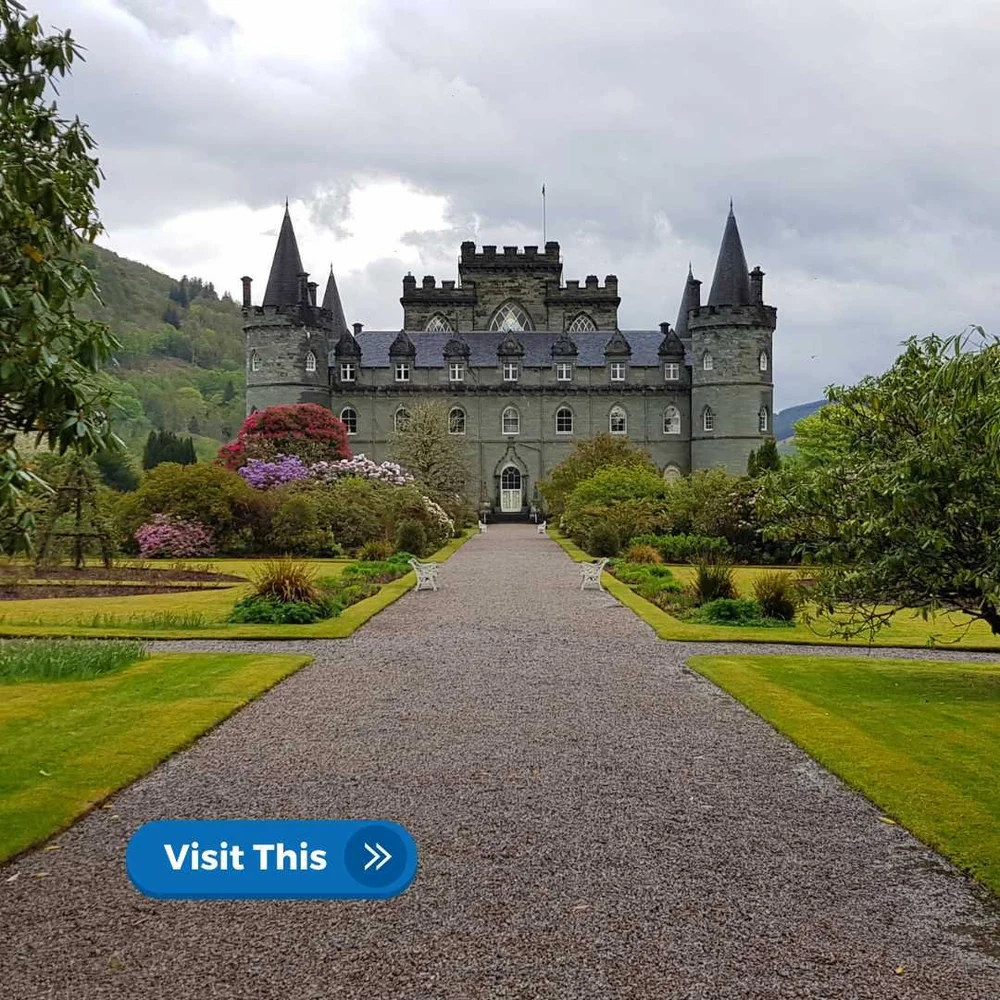
Our standing stones and castles day trip from Glasgow stops at Inveraray Castle, in the heart of Campbell country. You can explore the interiors when the castle is open, with entry paid separately.
Clan Donald (MacDonald): Armadale and Duntulm
Clan Donald is one of the largest and oldest Scottish clans. As Lords of the Isles, the MacDonalds ruled much of the western Highlands and the Hebrides from the 12th to the 15th century, almost as a kingdom of their own. Their power declined after they clashed with the Scottish Crown, and the lordship was forfeited in 1493.
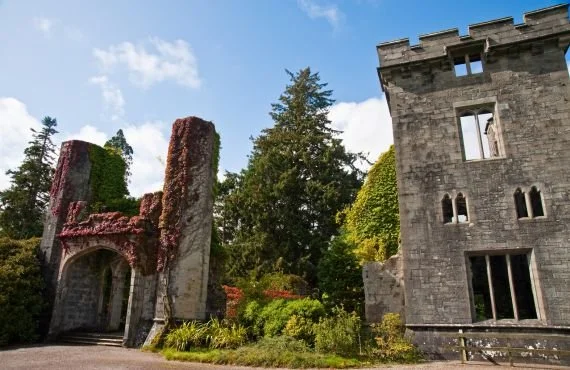
On Skye, the MacDonalds of Sleat held Duntulm Castle on the island's north coast in the 17th century, before moving to Armadale in the south. Armadale Castle, rebuilt as a mock castle in the 19th century, is now a ruin, but its gardens and the Museum of the Isles tell the story of Clan Donald. See our Clan Donald guide.
Clan MacLeod: Dunvegan Castle
The MacLeods were the MacDonalds' great rivals on Skye. Dunvegan Castle, on a sea loch in the north-west of the island, has been the seat of the MacLeod chiefs for around 800 years, and it's still home to the chief today. The castle is known for the Fairy Flag, a treasured and very old silk banner said to bring the clan victory in battle. Our Clan MacLeod guide tells its stories.
Our Isle of Skye 3-day tour from Edinburgh starts its full island day at Dunvegan Castle, then visits the ruins of Duntulm, the old MacDonald stronghold. Dunvegan normally opens from April to October, and entry is paid separately.
Clan Mackenzie: Eilean Donan Castle
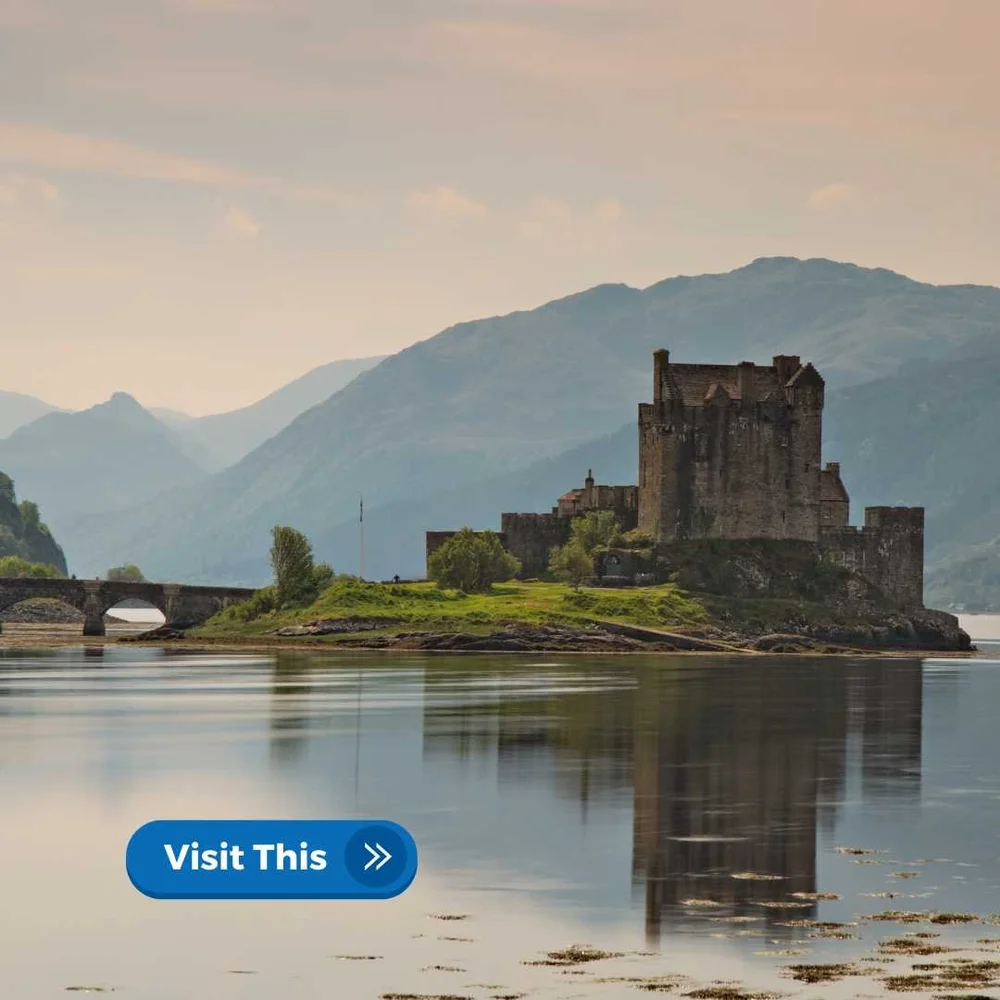
Clan Mackenzie was one of the leading clans of the northern Highlands. Eilean Donan Castle, on its island where three sea lochs meet, was held by the Mackenzies of Kintail from the 15th century, with their allies the MacRaes as constables.
In 1719 government warships bombarded the castle during a Jacobite rising, and it lay in ruins for nearly 200 years. Lieutenant Colonel John MacRae-Gilstrap rebuilt it in the early 20th century, and it's now one of the most photographed castles in Scotland. See our Clan Mackenzie guide and Eilean Donan guide.
Our Isle of Skye 3-day tour stops at Eilean Donan on the way back from Skye. Castle entry is paid separately.
Clan Douglas: Tantallon and Threave
In the late Middle Ages, few families rivalled the Douglases. Sir James Douglas, the "Black Douglas", was Robert the Bruce's closest companion, and the Earls of Douglas later became so powerful that the Stewart kings saw them as a threat. The main line, the Black Douglases, held Threave Castle in Galloway. A second branch, the Red Douglases, became Earls of Angus and held Tantallon Castle on the East Lothian cliffs.
Tantallon, a huge red sandstone curtain wall facing the North Sea, is one of the most dramatic castle ruins in Scotland. Read more in our Clan Douglas guide.
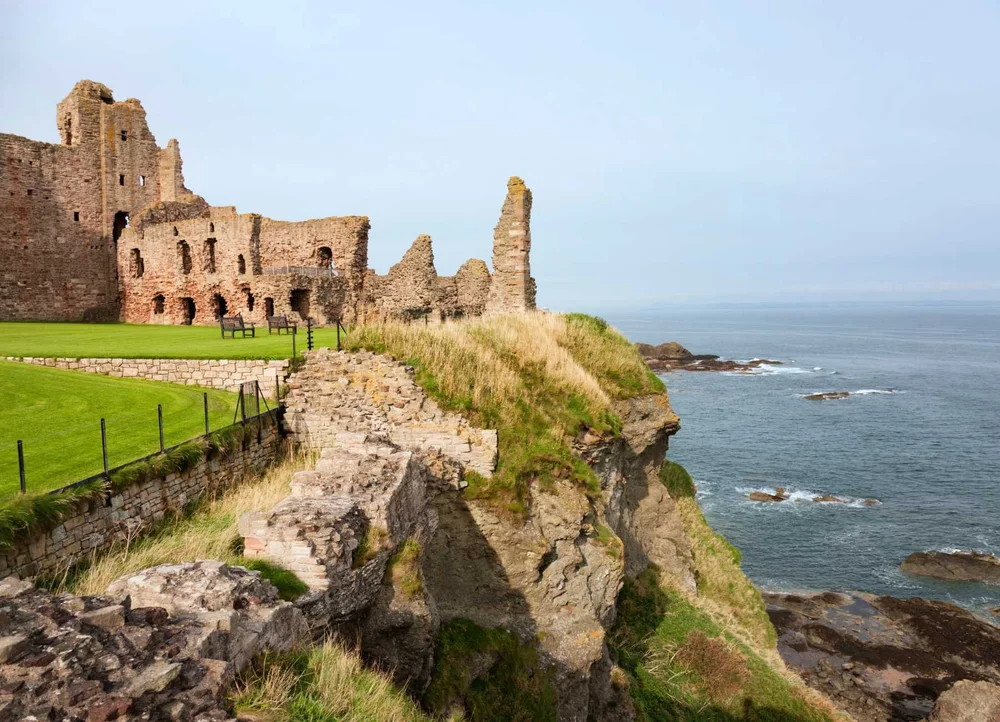
Our puffin tour from Edinburgh (May to July) includes entry to Tantallon Castle, where your guide shares the stories of the Douglas family.
Clan Stewart: Stirling and Edinburgh castles
The Stewarts took their name from the office of High Steward of Scotland. In 1371 Robert II became the first Stewart king, and the family ruled Scotland for more than 300 years. The spelling Stuart came into use in Mary, Queen of Scots' time.
Their great royal castles were Stirling and Edinburgh. Mary, Queen of Scots, was crowned at Stirling Castle in 1543, and her son James VI, who later became king of England too, was born at Edinburgh Castle in 1566. See our Clan Stewart guide.
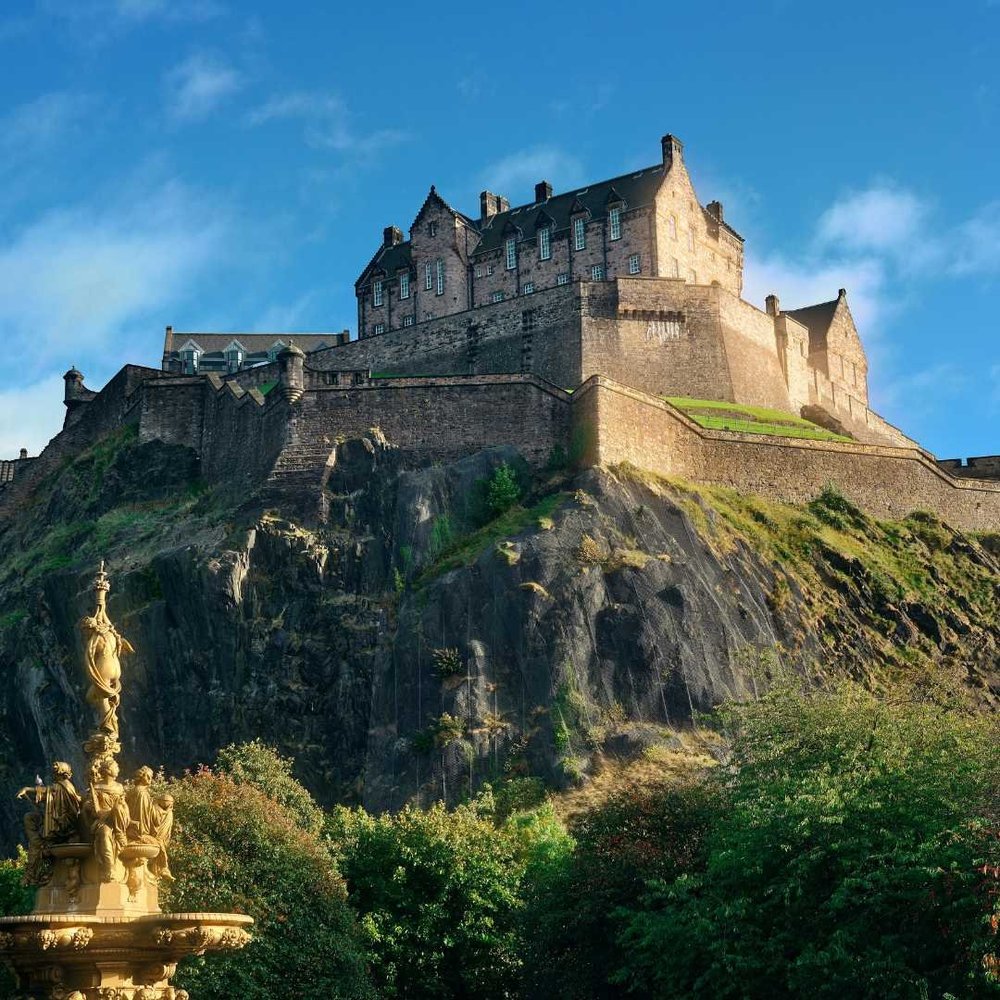
Our Stirling Castle tour from Edinburgh gives you time in the Royal Palace and Great Hall, the heart of the Stewart court. There's also a Stirling Castle tour from Glasgow. Castle admission is paid separately.
Clan Gregor (MacGregor): the Trossachs
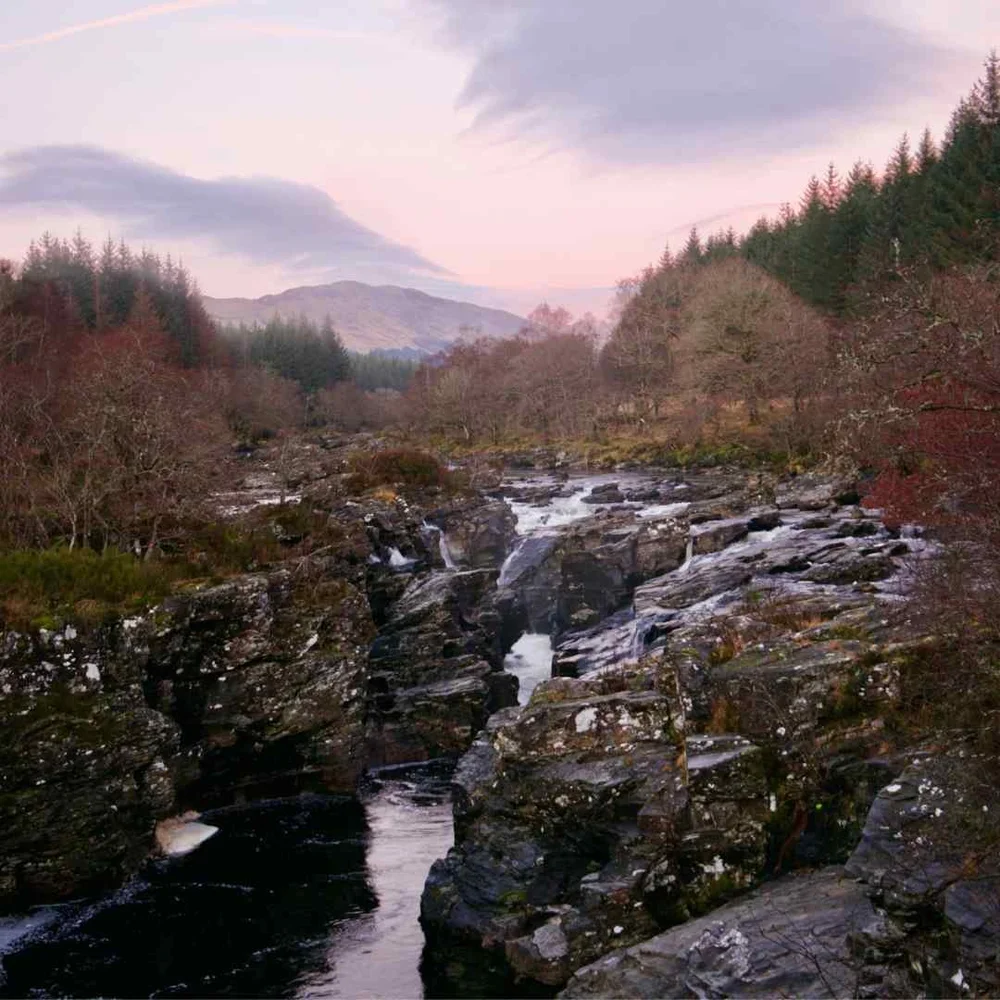
The MacGregors claim descent from the early kings of Dál Riata, which would make them one of the oldest clans with a royal line. They held land in Glen Strae, Glen Orchy and later the Trossachs, but lost much of it in long feuds with their powerful neighbours, the Campbells.
In 1603 King James VI outlawed the name MacGregor itself, and clan members had to live as outlaws or take other surnames. The ban wasn't fully lifted until 1774. The clan's most famous son, Rob Roy MacGregor, became a folk hero. The MacGregors never had one great castle, but the glens of the Trossachs are their heartland. See our Clan MacGregor guide.
The Wallace name: Scotland's hero
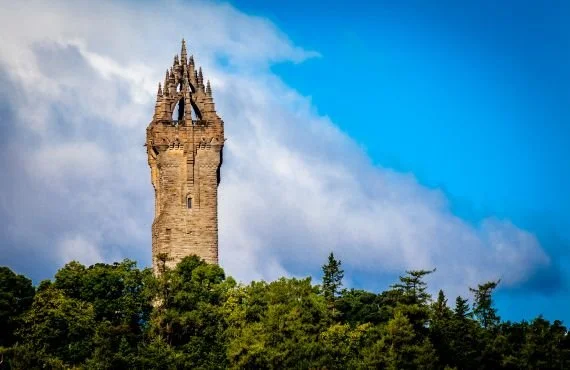
The Wallaces were never a great Highland clan like the others here, but their name is famous thanks to Sir William Wallace, leader in the Wars of Independence. He won the Battle of Stirling Bridge in 1297, and he's thought to have been born at Elderslie, near Paisley.
The National Wallace Monument, on Abbey Craig above Stirling, looks out over the site of the battle. Our William Wallace guide and Braveheart filming locations page tell more of the story.
Tracing your own clan in Scotland
These eight only scratch the surface. If your family name has Scottish roots, you can often visit the glens, castles and graveyards linked to your clan. Our guide to tracing your Scottish ancestry is a good place to start, and our private clan tours are built around the places tied to your own name.
Tours to the clan castles
These small-group tours visit several of the castles in this guide, with an expert guide who knows the clan stories. Never more than 16 travellers.
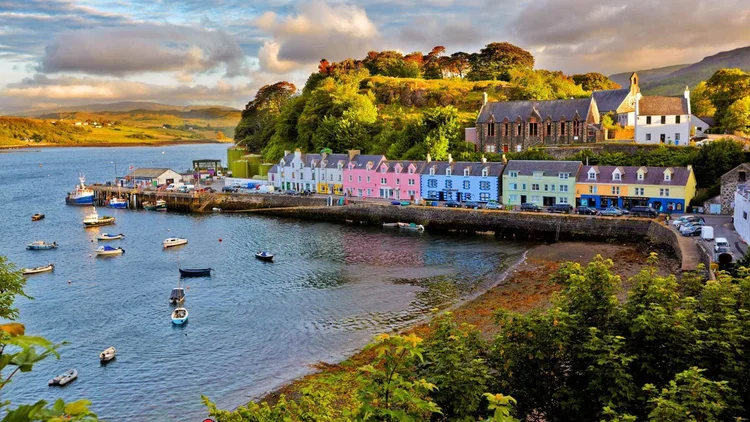 Isle of Skye 3-Day Tour from EdinburghTwo nights on Skye via Glencoe and Loch Ness: the Old Man of Storr, Fairy Glen and Eilean Donan.From £248 pp25% depositView tour →
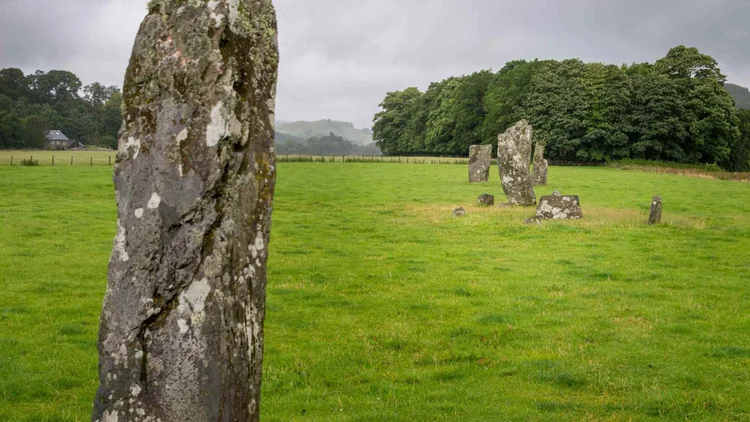 Standing Stones & Castles Day Trip from GlasgowKilmartin Glen's stone circles, Inveraray Castle, Kilchurn Castle and Loch Lomond.From £90 pp50% depositView tour →
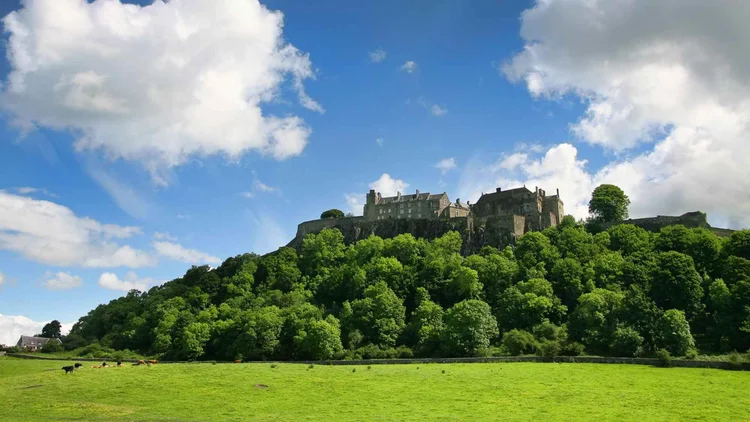 Stirling Castle Tour from EdinburghThe Royal Palace, Loch Lomond, Glengoyne distillery and the Kelpies.From £92 pp50% depositView tour →
See our private clan tours and private castle tours for a trip built around your family name, or browse all our Highland tours. Accommodation isn't included on our multi-day tours.
Scottish clans: your questions answered
What was the most powerful Scottish clan?
There's no single answer, because power shifted over the centuries. The MacDonalds, as Lords of the Isles, were the strongest in the west until 1493. Later, the Campbells became the most powerful clan in the Highlands, while the Douglases dominated the south in the late Middle Ages.
Which clan castles can you visit in Scotland?
Inveraray Castle (Campbell), Dunvegan Castle (MacLeod) and Eilean Donan Castle (Mackenzie) are all open to visitors in season, and Armadale on Skye has the Clan Donald gardens and museum. Tantallon and Threave (Douglas) are cared for by Historic Environment Scotland.
Why was the MacGregor name banned?
King James VI outlawed the name in 1603 after years of violent feuds, including the Battle of Glen Fruin. Anyone called MacGregor had to take another surname. The ban was finally lifted in 1774.
Is Stewart a clan or a royal family?
Both. The Stewarts were a noble family who became Scotland's royal house in 1371, and there's also a Clan Stewart with branches across Scotland.
Can Scotland's Wild plan a tour around my clan?
Yes. Our private clan tours are planned around the places linked to your family name, on your own dates. Get in touch through our private clan tours page.
More clan and castle guides
Last updated September 2026 by the Scotland's Wild team.