
Scotland Revealed: An Expert Guide’s Take on Scotland’s Most Incredible Places
Hi folks — I’m Jim, one of the guides at Scotland’s Wild. I was born and raised here, and I’ve been travelling this country since I was a wee boy. Think of this as my own Scotland “brochure”, written in my own words — a grounded guide to the landscapes, the history, the castles, the whisky, the food, and the places that make people fall in love with Scotland.
If you’re wondering whether Scotland’s worth the trip, here’s my honest answer: yes. But the magic isn’t just in ticking off famous names. It’s in the moments between them — the winding roads, the sudden viewpoints, the stories sitting quietly in the land.
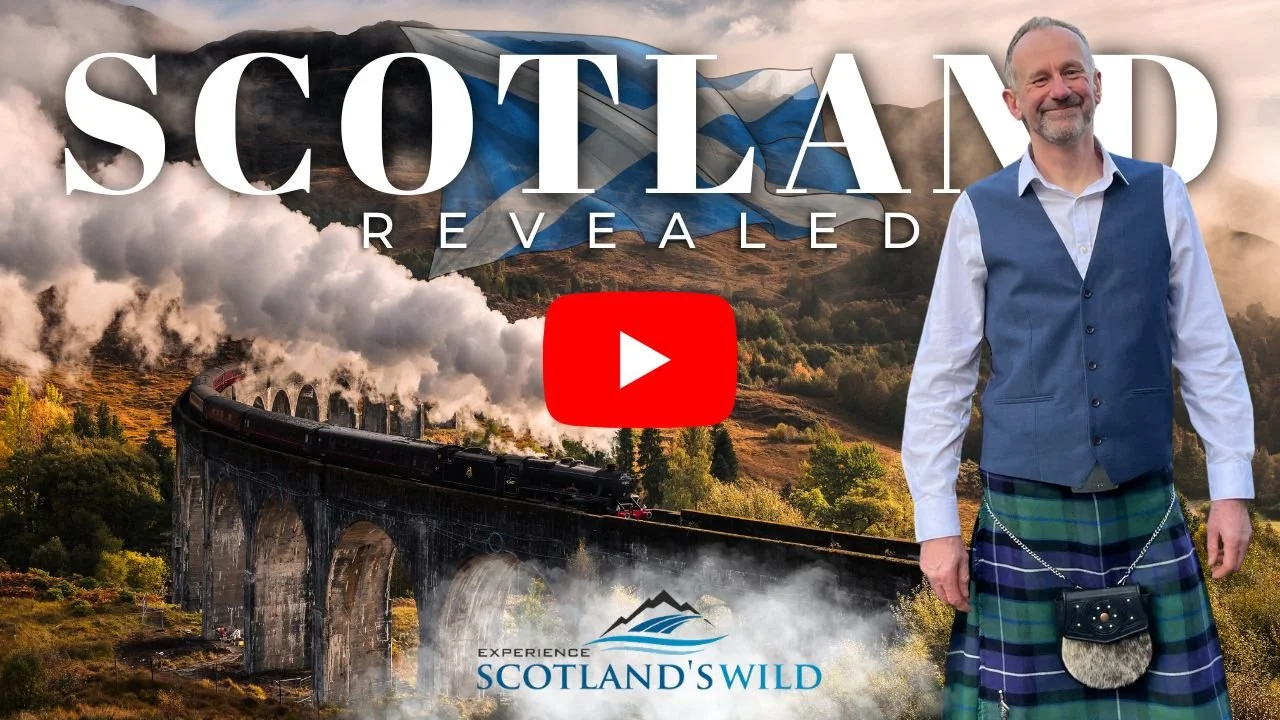
Check out the 45-minute documentary video below to watch it on YouTube or scroll ahead to the written version!
Scotland 101: Where we are, and how the country fits together
Scotland sits on the North Atlantic coast at the edge of north-west Europe. It’s the northernmost of the four countries that make up the United Kingdom. I’m one of just over five and a half million people in this wee country.
The geography of Scotland is diverse and complex, so I reckon the best way to describe this country to you is to break it down into four distinct regions.
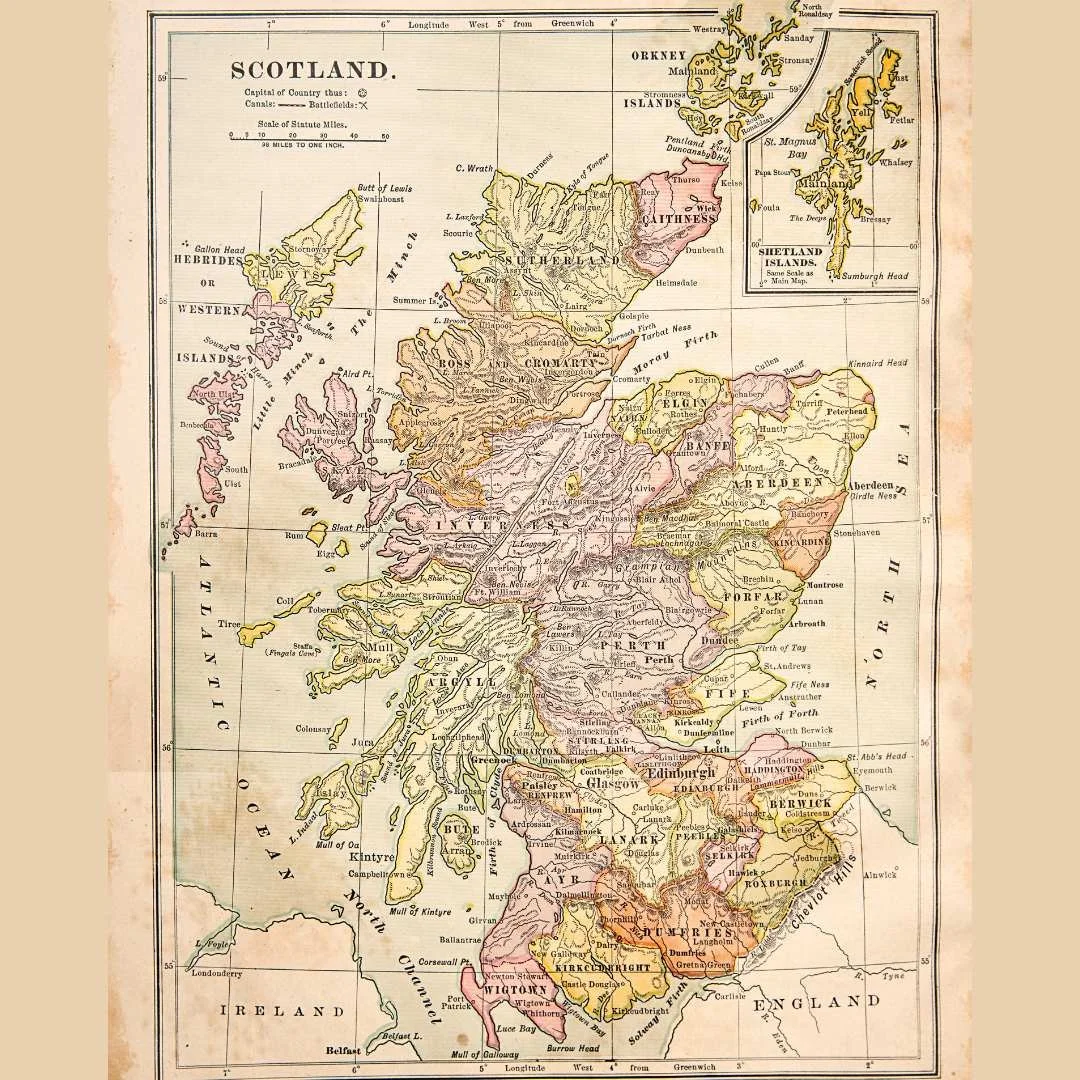
Firstly, you’ve got the Highlands and Islands. That’s the most northern part of the country, where you’ll find our towering mountains, shimmering lochs, stunning glens, tumbling waterfalls, dense forests, and remote islands — all 790 of them.
It’s the most sparsely populated area, with vast tracts of wild land where red deer run free and eagles patrol the sky. You won’t have to search long on Google to find images of this wild, majestic land. Millions of tourists flock here every year, and most of my guests can’t wait to see this region and uncover its beauty.
Next up, you’ve got the Central Belt. This sits largely between our two largest cities of Glasgow and Edinburgh, which are the entry points for international flights to Scotland. This is an area of industry, hard work, Victorian architecture, major universities, diverse cultures, and vibrant nightlife. The bulk of Scotland’s population lives here, in the cities, large towns, and suburbs that characterise this region.
Then you’ve got the Eastern Coastlands. This area is a combination of smaller towns and cities and farming areas. You’ve got Aberdeen — Scotland’s North Sea oil capital, known as the Granite City — and Dundee, the City of Discovery, a major industrial city on our coastline. These coastlands are rich, fertile lands where much of Scotland’s cereals, vegetables, and fruit are grown. A lot of the barley for the whisky industry starts here, in these fields.
Then you’ve got the area of southern Scotland. I always think of this region as a wee forgotten gem of a place. It’s where I was born and brought up, and the place I call home. It sits between the cities of Glasgow and Edinburgh and the border of England. It’s mainly smaller market towns and rolling farmland, with some lower-level forested hill country. The coastline is marked by beautiful little bays and pretty fishing villages.
I said earlier it’s a wee great country — and I mean that. Scotland’s only about 30,000 square miles of land. You can fit three Scotlands inside the state of Texas. Although we’re small, the rugged landscape in the Highlands means it can take much longer to get from A to B. Our roads don’t go in as direct an ‘as-the-crow-flies’ route. They need to navigate their way around our many mountains and lochs.
But you know what? I think that’s part of the charm of coming here. Take your time. It’s more about the journey than the destination. Trust me — you’ll thank me for it.
The best places to visit in Scotland (from one of our expert guides)
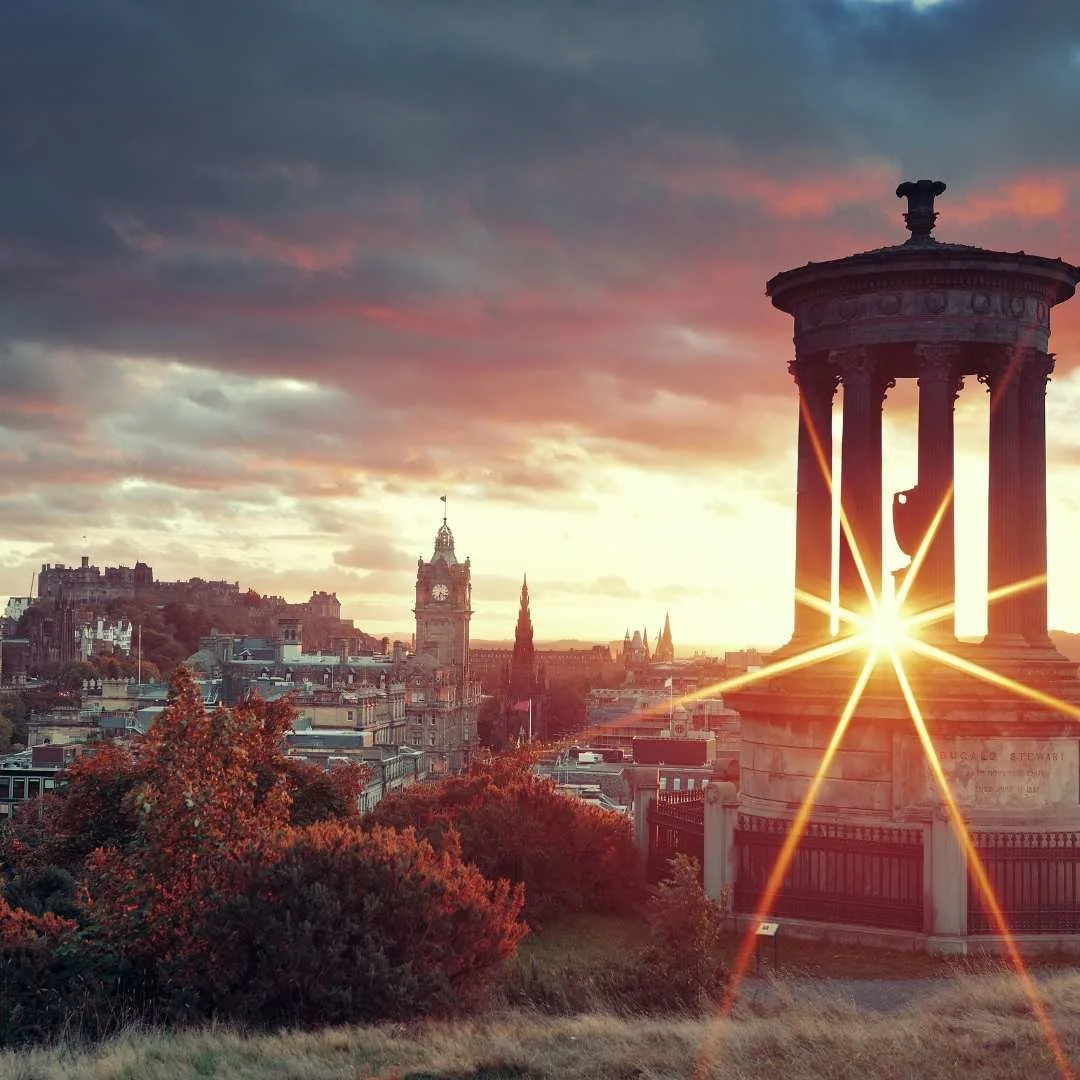
Edinburgh: Scotland’s historic capital
First up, let’s start with the cities — Edinburgh. With a population of just over half a million people, it’s our capital city and the seat of our devolved parliament. The city is around 900 years old, and with all that history, it’s an understandable tourist hotspot.
The city is characterised by the Old Town and the New Town. Sitting on the plug of an old extinct volcano, the earliest castle was built in the 11th century and has seen armies crushed beneath its walls, kings and queens crowned on its thrones, royal princes and princesses born here, witches burned, plots hatched, and murders carried out.
The Old Town dates from the 15th century and stretches from the castle along the Royal Mile to Holyrood Palace. I’d recommend an afternoon walk in the Old Town — start on the Royal Mile and have some fun getting lost in the winding streets, closes, wynds, and squares of medieval Edinburgh.
The New Town was planned and built in the Georgian era of the late 18th and early 19th centuries. The streets are laid out in a grid pattern with squares and green spaces, neoclassical architecture, and public monuments to rival any city in Europe. Alongside the Old Town, it’s a UNESCO World Heritage Site.
I personally wouldn’t visit Edinburgh without getting a bird’s-eye view of the city. Try hiking up Arthur’s Seat — you’ll be out of breath, but it’s worth it. Another stunning viewpoint is Calton Hill, at the Nelson Monument. Edinburgh is busy all year round, but it’s iconic — and you really need to see it.
If Edinburgh’s on your list, our day tours are built to show you the big sights and the quieter corners — without feeling rushed.
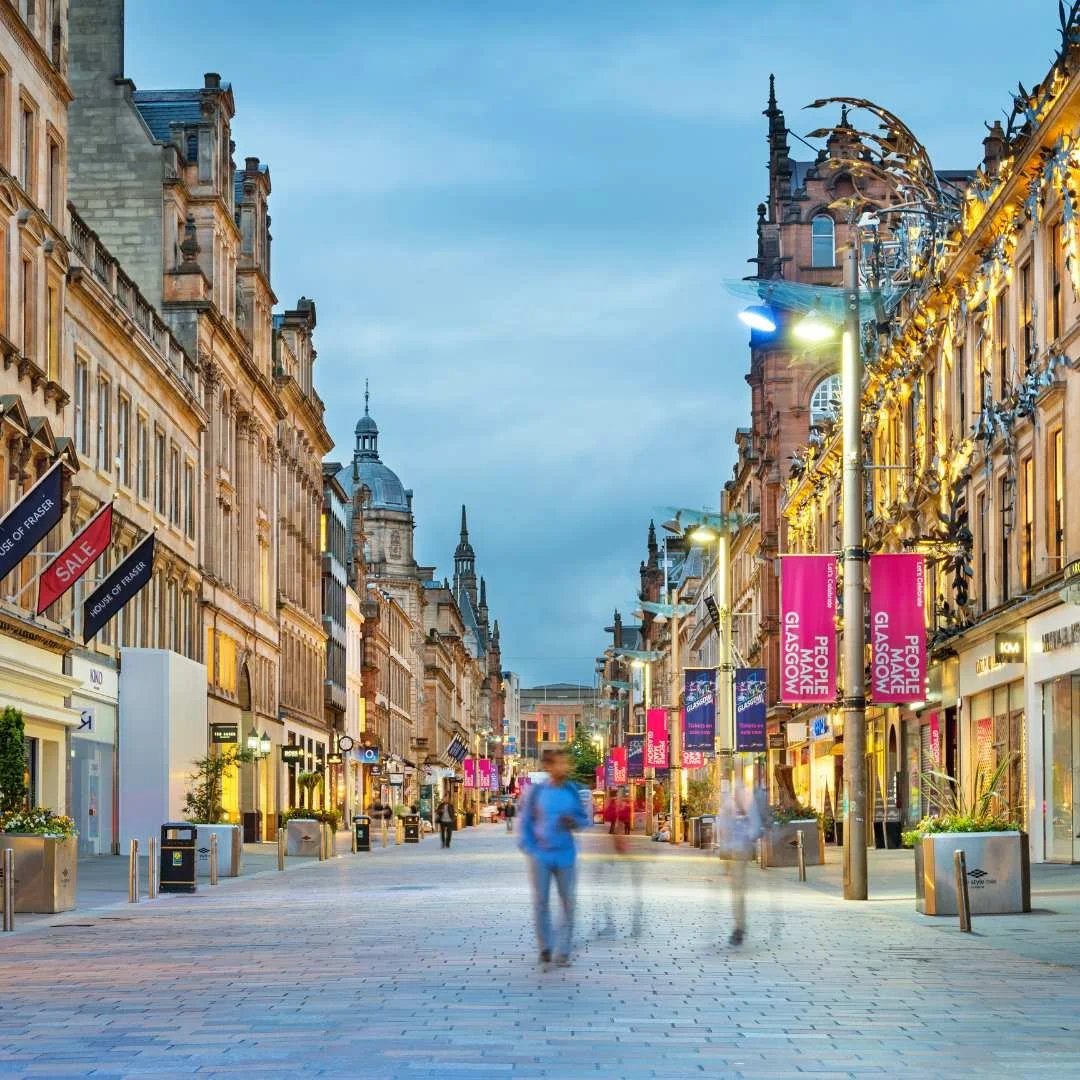
Glasgow: Scotland’s biggest city, with a big heart
Although Edinburgh is our capital, it’s not our biggest city. That honour lies with Glasgow, home to around 630,000 people. Before becoming a tour guide, I worked here for 25 years and attended university here. It’s a fine place with good people.
Although only about 50 miles apart, Glasgow is a very different city to Edinburgh. Edinburgh gives off vibes of elegance, kings and queens, medieval history, and refinement. Glasgow is more earthy, gritty, industrial — less polished. Its roots are in heavy engineering and shipbuilding.
The River Clyde is the beating heart of this city. It brought prosperity through transatlantic trade in sugar, tobacco, and cotton, and later through shipbuilding, when Glasgow became a global industrial powerhouse — the second city of the British Empire.
With those industries now gone, Glasgow has reinvented itself as a vibrant post-industrial, multicultural city with a thriving arts and music scene. There are world-class art galleries like Kelvingrove and museums such as the Riverside Museum, which showcases the city’s industrial past.
I hope I’ve convinced you to come and see Glasgow in all its unfiltered glory
Glasgow can be rough around the edges, but it’s got a warmth you’ll feel quickly. Head out on a day tour from Glasgow, with Scotland’s Wild (us!).
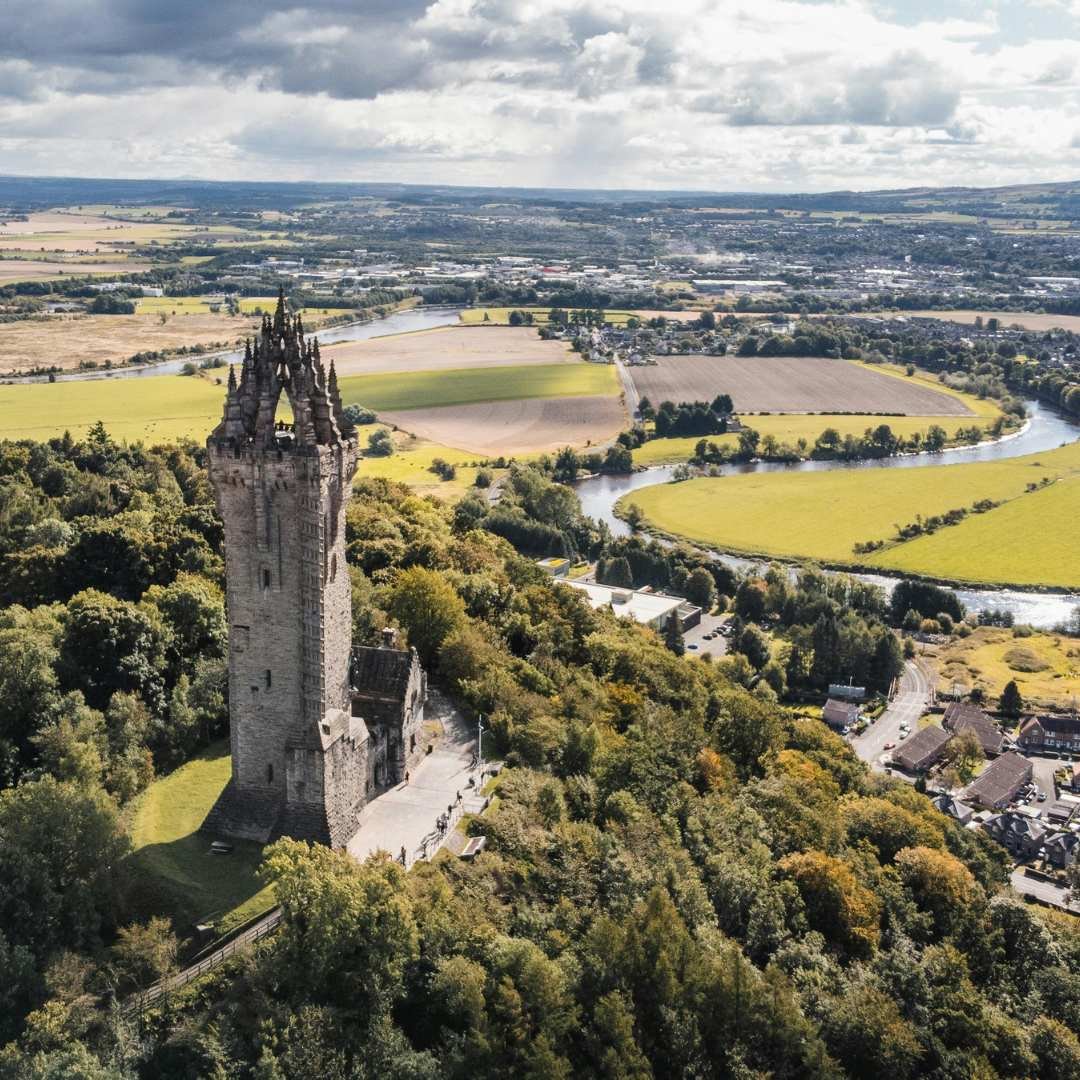
Stirling: “He who holds Stirling holds Scotland”
He who holds Stirling holds Scotland. This old medieval city sits in the heart of the country, at one of the narrowest points between the east and west coast. It was an important crossing point between the Highlands and Lowlands and is often called the brooch of Scotland.
Stirling resonates with famous names and events — William Wallace and the Battle of Stirling Bridge in 1297, and Robert the Bruce at the Battle of Bannockburn in 1314. These events are enshrined in our history and are taught to us as children.
Your best introduction to Stirling is the castle, which sits on a rock overlooking the city. The first record of a castle here dates to 1110. Mary, Queen of Scots was crowned in the castle chapel in 1543 and brought up here as a child.
Take time to wander the old cobbled streets, where you’ll find cafés, restaurants, and independent shops. There’s a reason Stirling is often named the happiest place to live in Scotland.
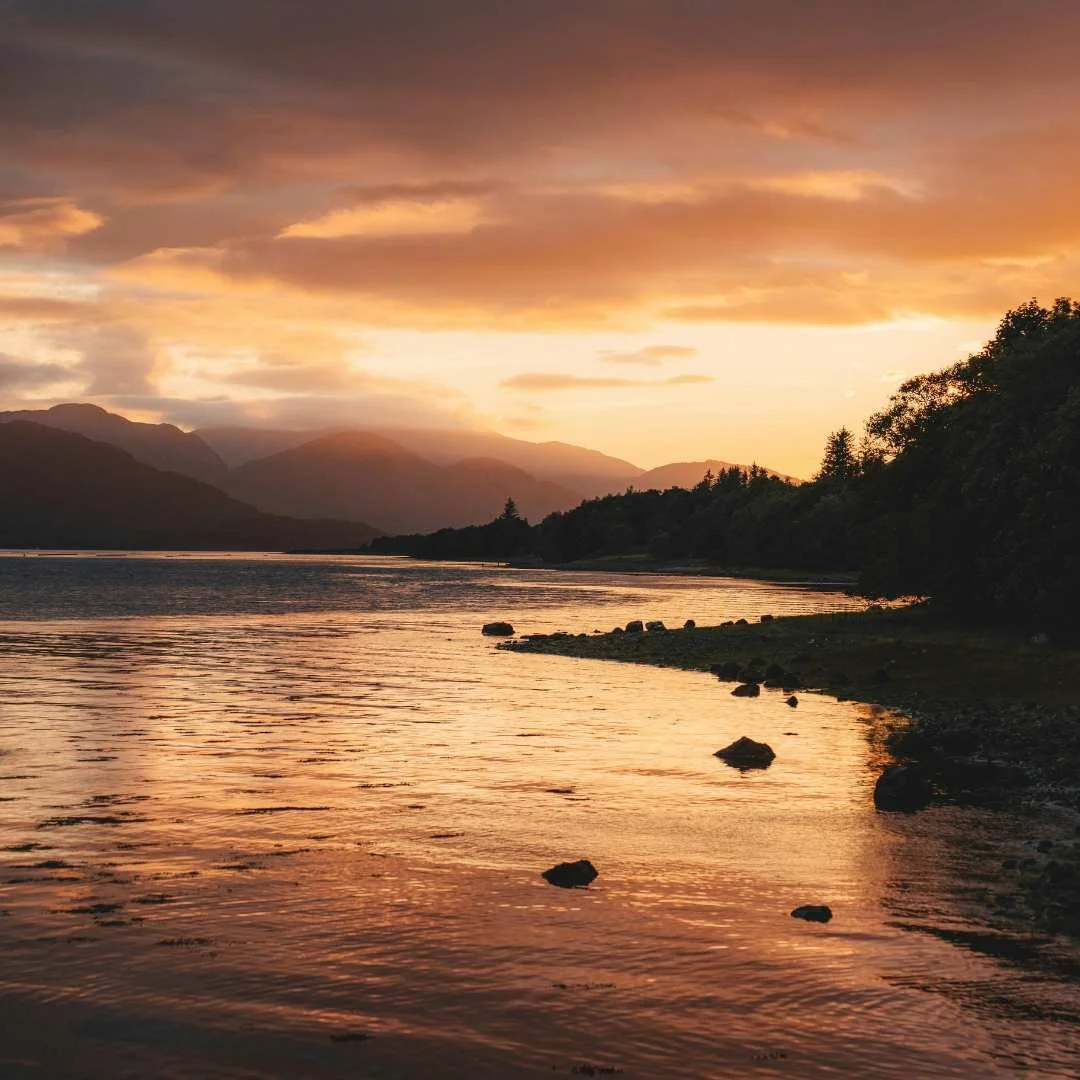
Loch Lomond & The Trossachs: the easiest taste of the Highlands
If you’re based in Glasgow or Edinburgh and want to get a flavour of the Highlands, Loch Lomond and the Trossachs is where you want to head. It’s where the Lowlands meet the Highlands.
Created in 2002, it was Scotland’s first national park. It covers 720 square miles of lochs, mountains, glens, forests, and villages. At its heart is Loch Lomond, Scotland’s largest loch by surface area.
Over 50% of Scotland’s population live within an hour of the park, making it popular for hiking, cycling, water sports, wildlife, and day trips. It’s been a tourist destination for over 200 years.
At places like the Conic Hill, you can see the Highland Boundary Fault — the exact point where two ancient continents collided around 400 million years ago. When you stand there, you’re standing right on that fault line. Kind of mind-blowing.
We have a variety of tours that head to and through this beautiful area of Scotland; check them out here.
Glencoe: beauty with a darker history
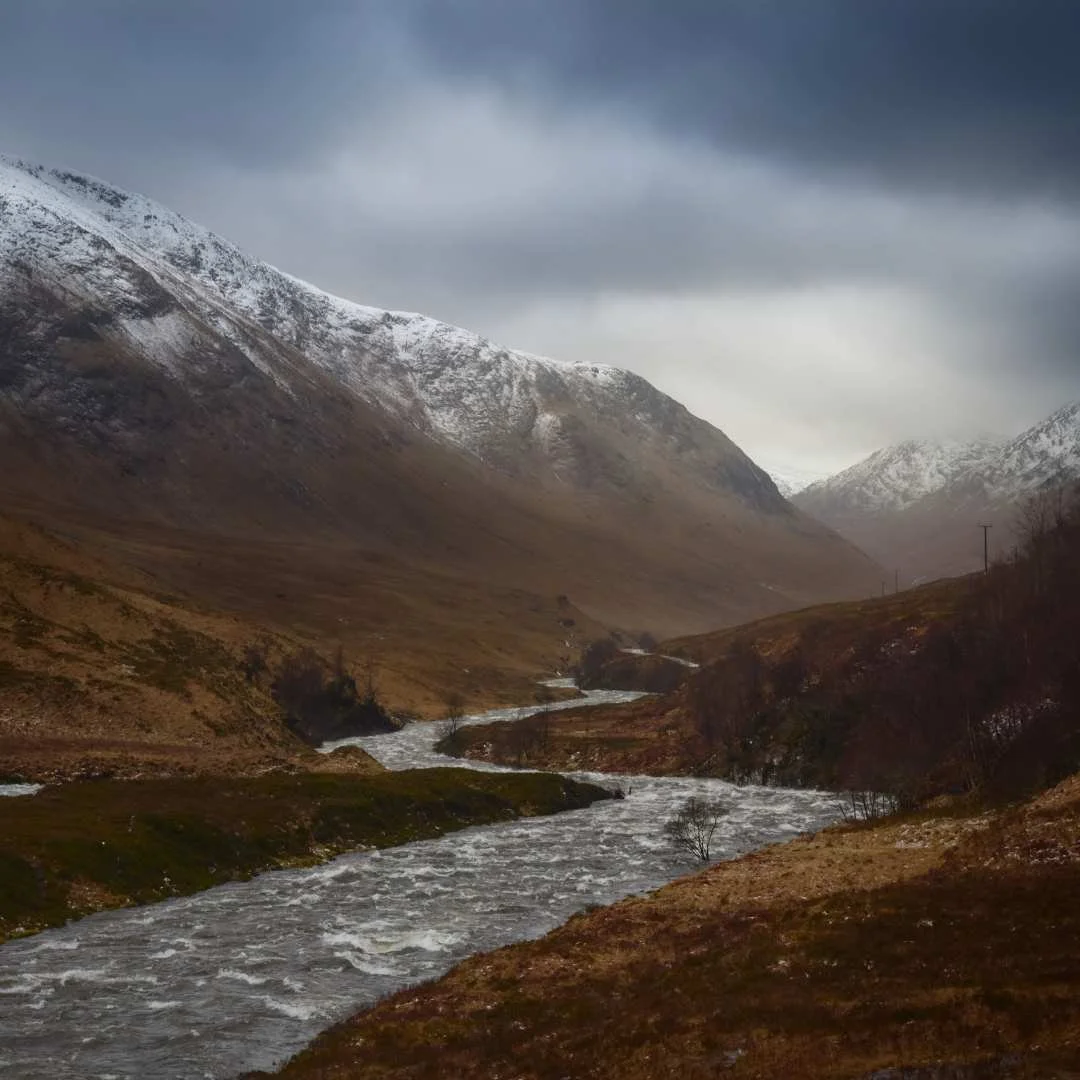
Glencoe holds a special place in Scotland’s history, landscape, and culture. For me personally, it’s where I spent my teenage years and early twenties — camping, hiking the trails, and climbing the rock faces with my friends.
It never fails to impress me when I drive through it with guests. It feels like the sheer mountains on either side of the road want to envelop you and swallow you whole. It’s one of those places that just screams wow when you see it. Think tumbling waterfalls, sheer cliff faces, serrated mountain ridges, hidden valleys — and throw in a tranquil loch, and that gives you a sense of this place.
Owned by the National Trust for Scotland, Glencoe is now a place for nature conservation and outdoor sports enthusiasts. But that only tells half the story — and believe me, this place has stories to tell, and they’re not all pretty.
This landscape is the result of a collapsed magma chamber of an ancient volcano, long before dinosaurs walked the Earth. It was later sculpted by the great ice sheets and glaciers of the last two million years. Its shaping is a story of continents colliding, oceans disappearing, volcanoes erupting, and ice eroding.
More recently, in the 17th century, a very different, violent, and tragic event shaped the glen even further — the Glencoe Massacre of 1692. Members of Clan MacDonald, who called these lands home, were murdered by government troops. Their crime was being six days late in swearing an oath of allegiance to King William.
On the icy morning of the 13th of February 1692, the killing began. Thirty-eight MacDonalds were murdered, and many more died trying to escape over the mountain passes. It’s a tragic tale that still tugs at the heartstrings today.
Glencoe is now a peaceful place for leisure and conservation, but the walls of this steep-sided glen still echo with history.
For me, this place brings memories of long days in the mountains, good beer, and many laughs with friends in the climbers’ bars — the Clachaig Inn and the Kingshouse Hotel. Great times, with great people, in a truly great place.
Glencoe is one of those places that hits harder with a guide who can bring the history and the landscape together.
Fort William & Ben Nevis: the outdoor capital
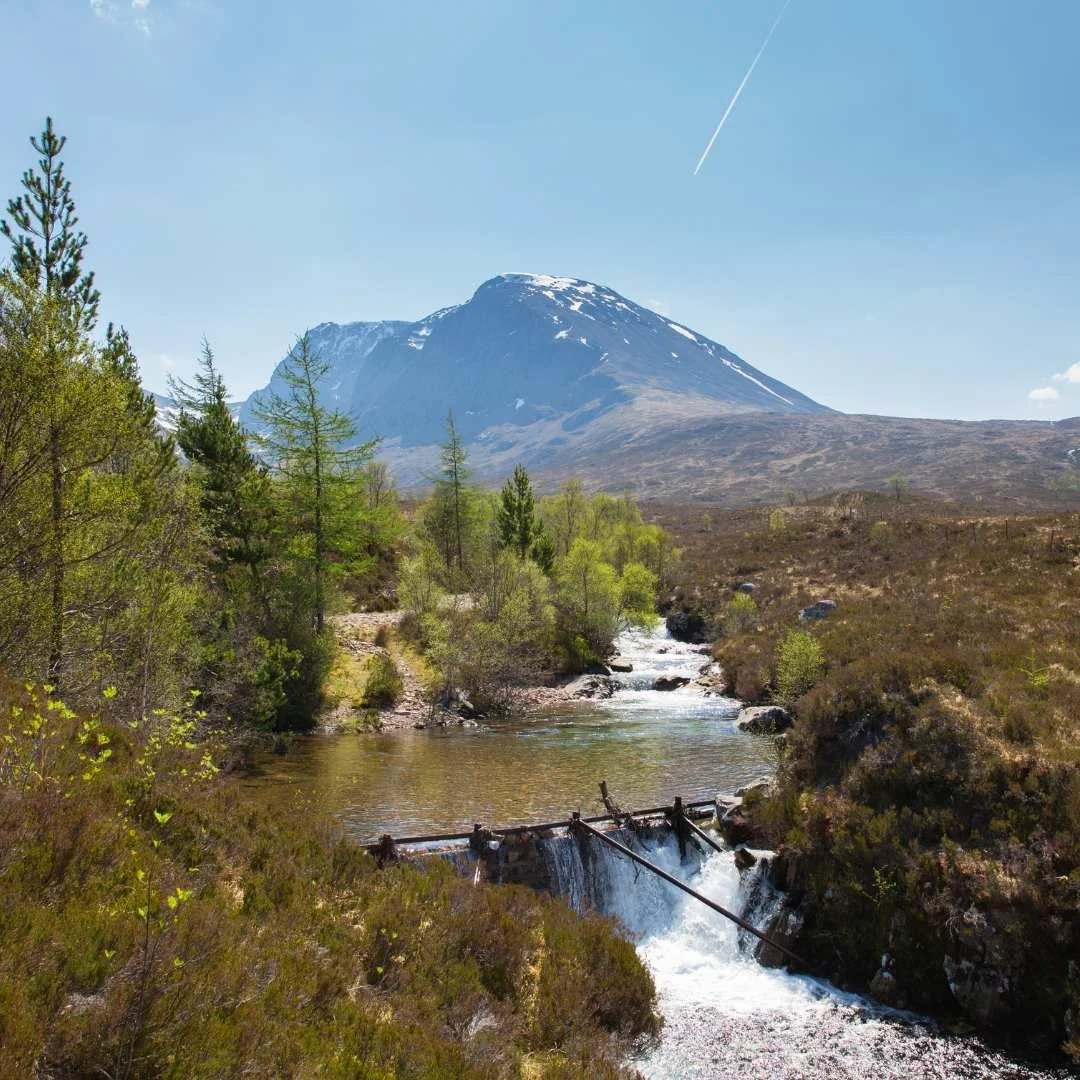
Let’s move further north now to the town of Fort William and the mighty Ben Nevis.
Fort William is one of the major towns of the Highlands and is home to around 15,000 people. It’s known as the outdoor capital of the UK, and it’s a great place if you love walking, climbing, kayaking, mountain biking, skiing, and much more.
Looming large over the town is Ben Nevis. Standing at over 4,400 feet, it’s the highest mountain in the UK, and thousands of people climb it every year.
Most people use the mountain path, which winds its way up the more forgiving south-west slopes. But don’t underestimate Ben Nevis — it’s a mountain with two faces. The north face is a serious mountaineer’s playground, with towering cliffs, ridges, pinnacles, and huge buttresses, attracting climbers from around the world.
Whichever way you climb the Ben, make sure you’re equipped with the appropriate footwear and clothing to withstand the very changeable Scottish weather. The local mountain rescue team is the busiest in the country, and it’s usually helping people who aren’t properly prepared.
I’ve climbed the mountain several times myself, and trust me — flip flops, beach shorts, and a t-shirt just aren’t going to cut it.
Glenfinnan: Harry Potter… and real Highland history
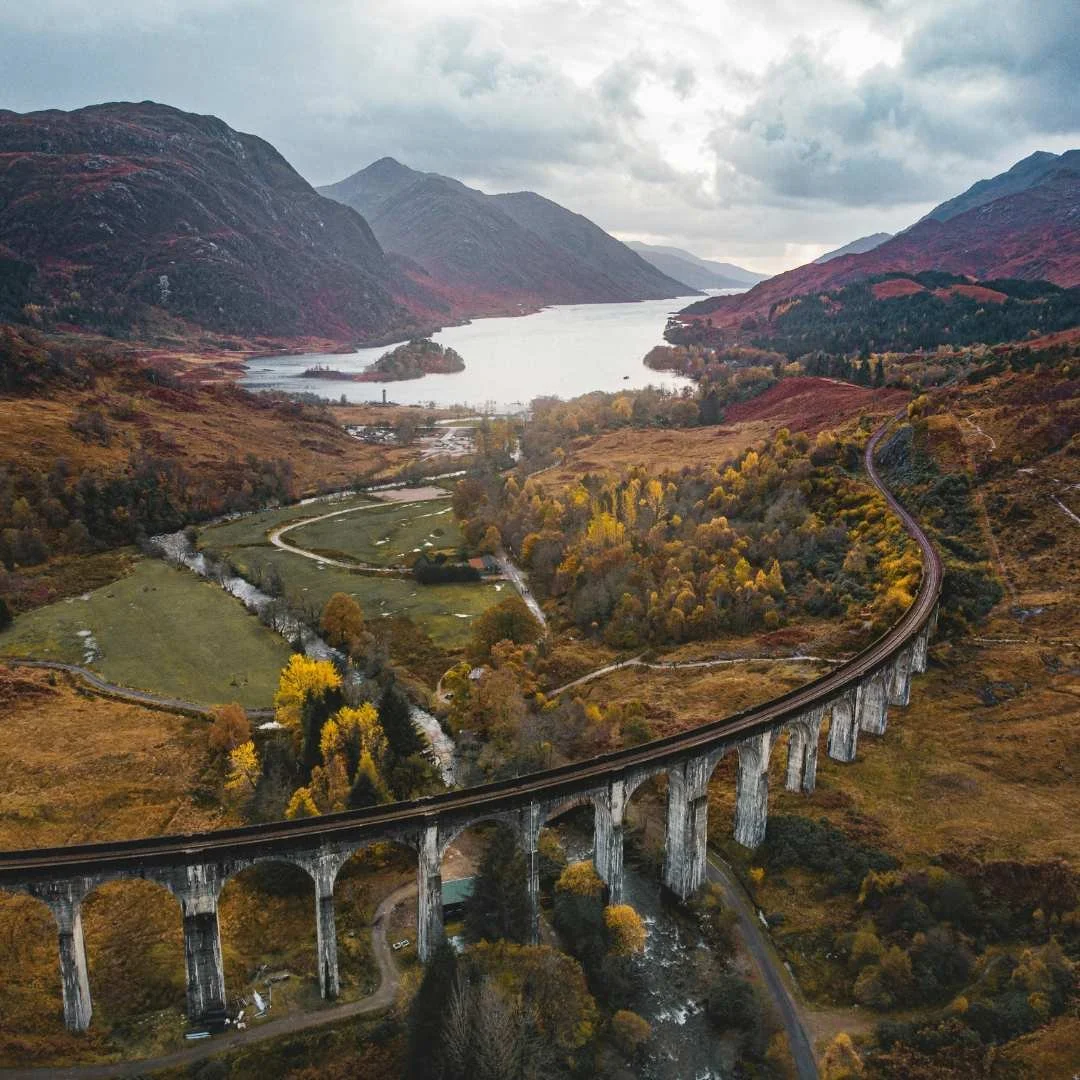
Right — Harry Potter fans, this one’s for you. Yes, this is the 125-year-old viaduct that carried Harry and his pals on the Hogwarts Express.
This stunning rail line runs between Fort William and the fishing port of Mallaig, and during the summer months the Jacobite steam train operates as a tourist service. Visitors flock to see the train crossing the viaduct and hear that nostalgic whistle in the clean Highland air.
I remember my own parents taking me and my brother on the steam train — sticking my head out the window and letting the steam wash over me. That was before Harry Potter even existed. These days, you need to book well in advance.
But Glenfinnan is about more than the train. It’s also the site of the Jacobite Monument, which marks where Bonnie Prince Charlie gathered the Highland clans in support of the 1745 uprising. Built in 1814, it stands proudly at the head of Loch Shiel.
The monument is often overlooked by visitors rushing for the train, and that’s a real shame. It commemorates an important chapter in Scottish history, and the views down the loch are simply stunning.
You can join a variety of tours that stop by the Glenfinnan Viaduct, including all of our Isle of Skye tours: 3, 5 and 7-day adventures!
The Isle of Skye: the endlessly impressive Island
Of all the places I visit as a tour guide, it’s probably the place I go to most often. But that’s because everyone wants to see it.
If I’m honest with you, I never really got Skye until I became a tour guide. And now, when I come here, this place just impresses me every time. I wonder why that is.
Maybe it’s because of the landscapes that look like they’ve been plucked straight out of The Lord of the Rings. The Fairy Glen — I mean, you can imagine hobbits walking through the Shire here.
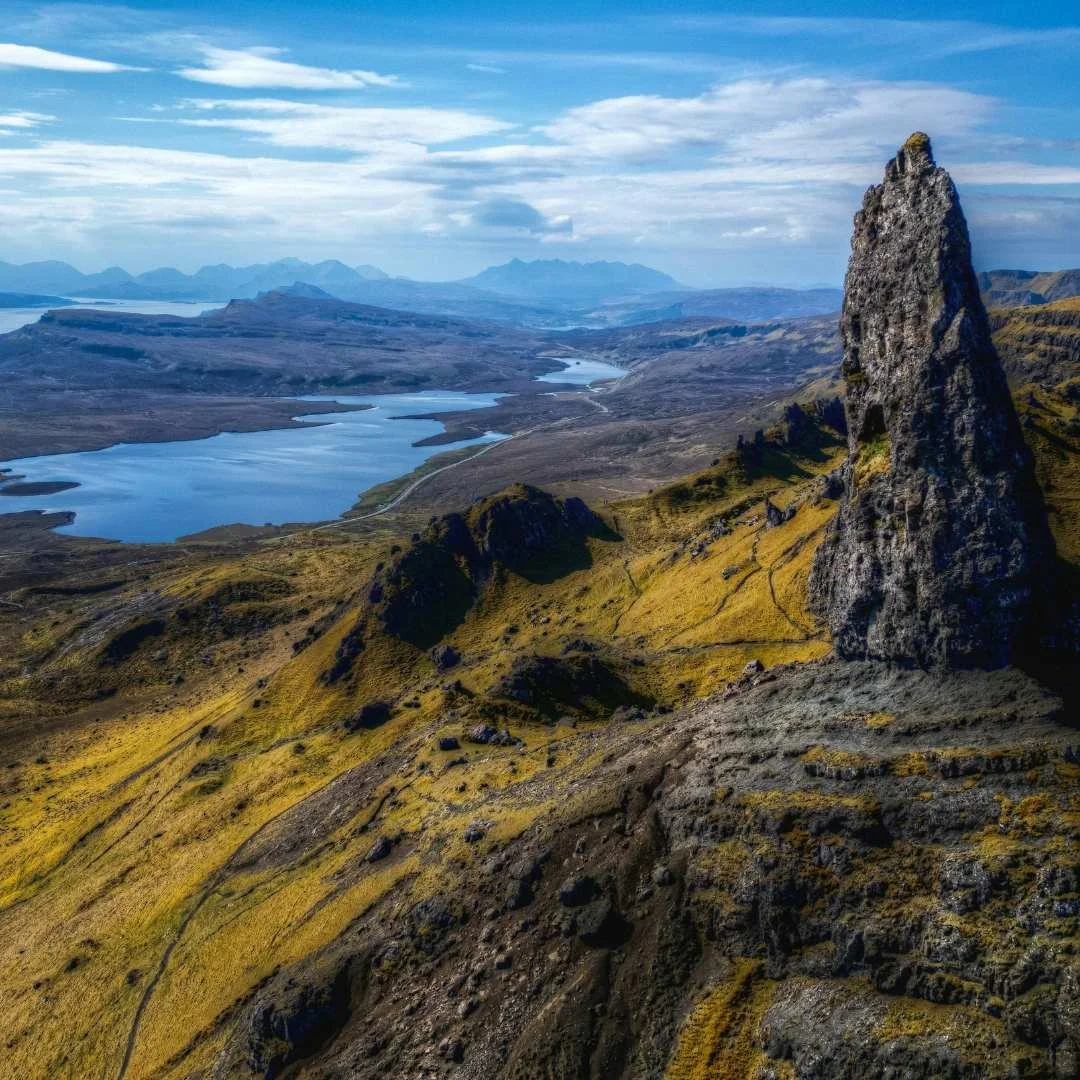
The Old Man of Storr — seriously, as you walk up towards that towering pinnacle, it’s like you’re walking into the fiery hell of Mordor.
Or maybe it’s because I’ve been drawn to the mountains all my life, and there are no finer mountains in Scotland than the Cuillins. A walk to the Fairy Pools lets you see those peaks in all their glory.
Or maybe it’s the history of the clans. Skye is synonymous with the MacDonalds and the MacLeods, who vied for supremacy of these lands and left behind a legacy of castles and stories. Check out Dunvegan Castle, where the current chief of Clan MacLeod still lives, and the ghostly ruins of Duntulm Castle, which stand as a testament to the clan battles of the past.
Or maybe it’s because, like most of the Highlands, the roads here are twisty and narrow and almost demand that you slow down, take your time, and breathe it all in.
Skye’s one of our signature multi-day experiences — small group, storytelling guide, no rush - the right way to see Scotland.
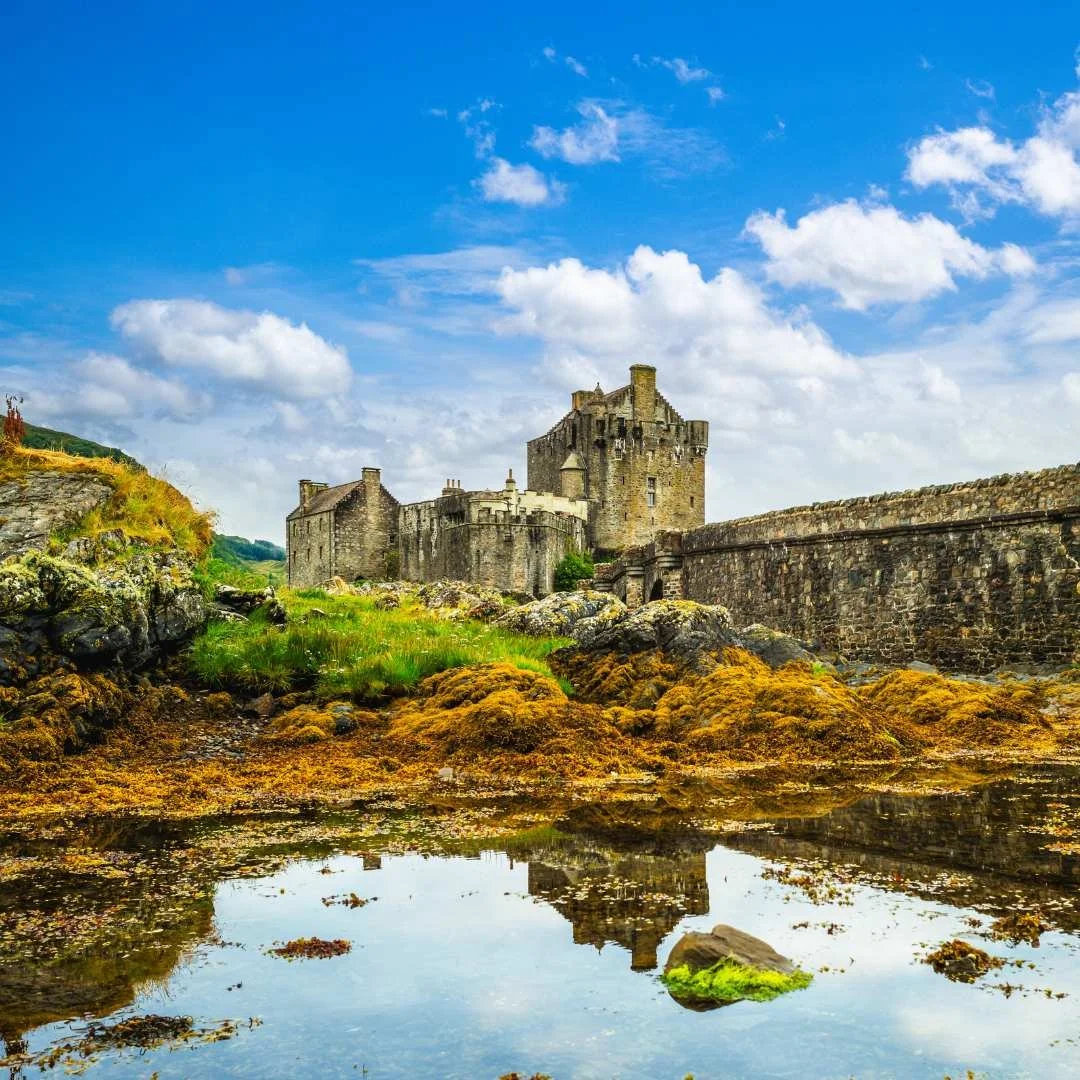
Eilean Donan Castle: Scotland’s postcard castle
Eilean Donan Castle. There can be only one. Do you see what I did there? No? Okay, let me explain.
Eilean Donan Castle is where they filmed the 1980s historical fantasy film Highlander. I’m giving away my age here, but that movie is a stone-cold classic and a bit of a guilty pleasure of mine.
This castle is probably the most photographed castle in Scotland, and that’s because of where it sits — on an island. It’s that perfect picture postcard of what a Scottish castle should look like. It sits at the confluence of three sea lochs.
Built in the 13th century, it was a stronghold of Clan Mackenzie and their allies, the Macraes, who were staunch supporters of the Jacobite cause.
As punishment for supporting the 1715 Jacobite rebellion, the castle was destroyed by British government warships in 1719.
It lay in ruins until the early 20th century, when the head of Clan Macrae rebuilt the castle to the exact plans of the original structure. And that’s what you see today, with the only addition being the bridge connecting it to the mainland.
Honestly, I could compile a photograph album of Eilean Donan Castle on its own. That’s how picturesque this place is.
You can have a lovely stop by Eilean Donan Castle on our 3-day and 5-day Isle of Skye tours, where you’ll see the best of Scotland with one of the BEST guides in the country!
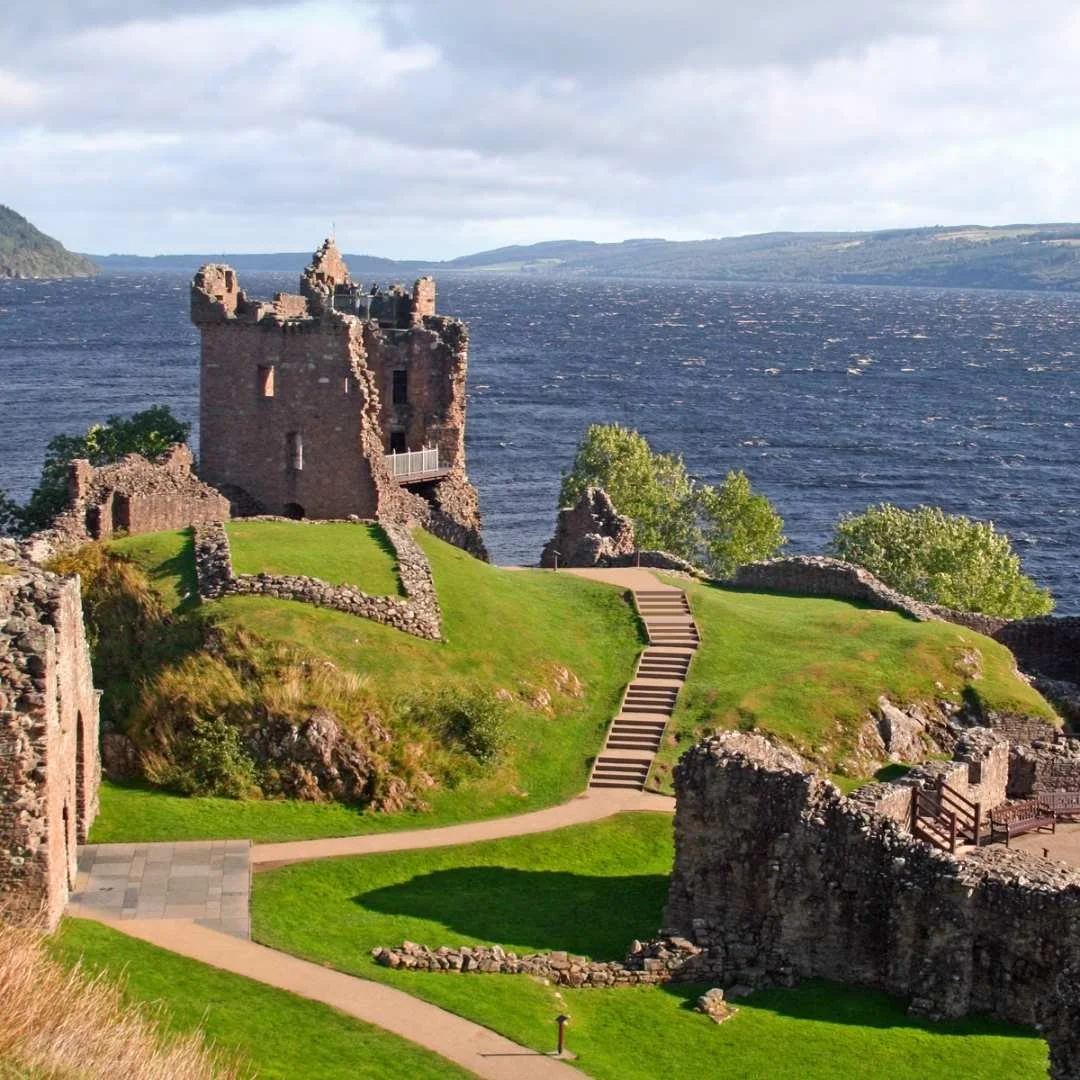
Loch Ness & Urquhart Castle
Loch Ness is a major draw for visitors hoping to catch a glimpse of the monster. Whether you see Nessie or not, it’s an impressive body of water — 23 miles long, 1.7 miles wide, and 755 feet deep. It holds more water than all the lakes in England and Wales combined.
The legend dates back to 565 AD, when St Columba is said to have confronted a water beast here. Nessie fever peaked in the 1930s with the famous surgeon’s photograph, later admitted to be a hoax.
Sitting above the loch is the much-visited ruin of Urquhart Castle. To me, it perfectly sums up Scotland’s violent past — clan versus clan, Scotland versus England, Protestant versus Catholic.
It’s been fought over by famous names like Robert the Bruce and Edward I of England and has been a ruin since around 1770. It’s now one of the most visited sites in the Highlands.
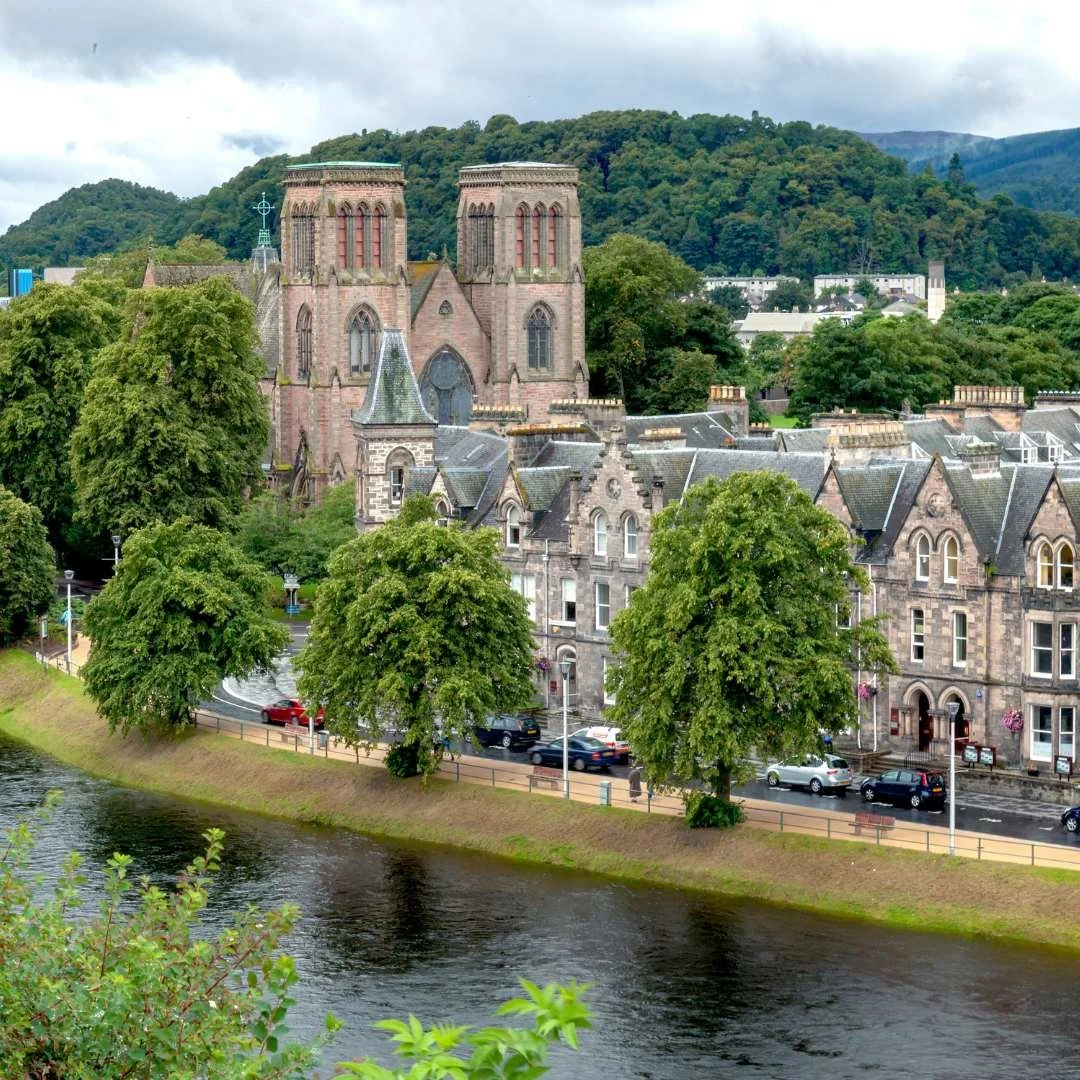
Inverness, Culloden Battlefield & Clava Cairns
Inverness is a fine city and it’s the capital of the Highlands. Standing at the top of the Great Glen at the edge of the North Sea, it’s a great place to base yourself for exploring the wider area. The city has great public transport links to the central belt cities of Glasgow and Edinburgh. There are train and bus links to other northern highlights such as Aberdeen, Thurso, and the Kyle of Lochalsh. Inverness is also a great destination in itself.
It’s a vibrant city with some great bars and restaurants. Take time to wander some of its charming old streets, including a relaxing walk by the River Ness.
In the wider area nearby, there is the Culloden Battlefield site, where Bonnie Prince Charlie’s Jacobite insurrection ended in 1746 in a bloody slaughter. It’s an eerie place that is a must-see.
There is the mystical Clava Cairns, which take you back to the Bronze Age 4,000 years ago. Nearby is Fort George, which is an impressive display of the Hanoverian government’s power and pacification of the Highlands, or get out and visit some of the enchanting nearby towns such as Dornoch or Nairn.
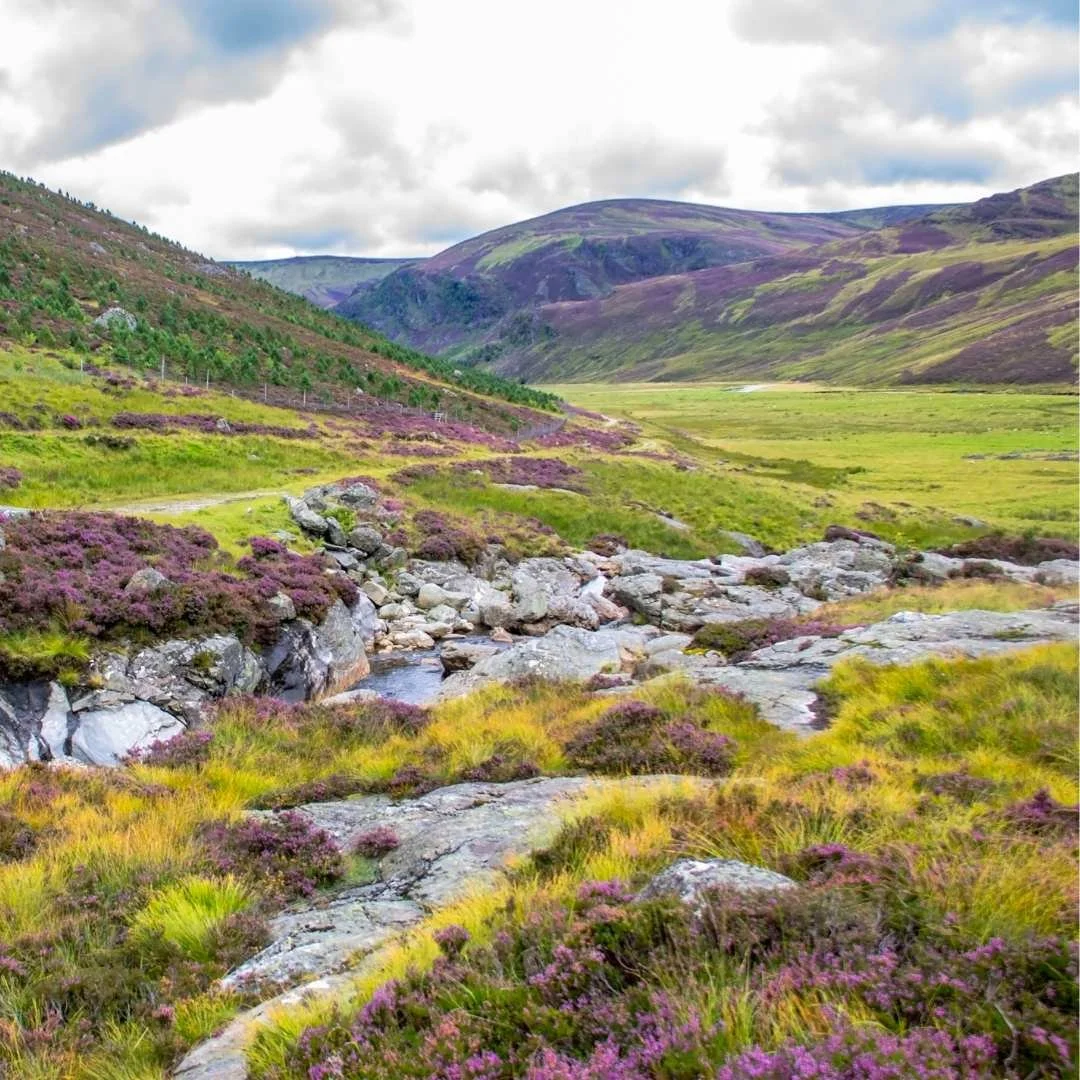
Cairngorms National Park
Welcome to a truly unique place in Scotland.
The Cairngorms National Park was created in 2003, one year after the creation of the Loch Lomond and the Trossachs National Park. Central to the park is the Cairngorm mountain range. This range contains eight of the ten highest mountains of Scotland.
The Cairngorms lack the picturesque beauty of the jagged West Highland peaks, but their beauty lies more in the sheer vastness of the limitless plateau, the great Scots pine forests of the glens, foothills, and straths that surround these big leviathan peaks.
Roadside photographs of the Cairngorms don’t really do them justice. These mountains are best appreciated by exploring them on foot, where you can reach into the very heart of them.
If you want peace and quiet, with almost no human interaction, then you’ll love it here.
East Coast of Scotland & St Andrews
The east coast of Scotland — unlike the rugged, mountainous west coast — is a more gentle, smooth coastline where sandy beaches stretch for miles, lapped by the North Sea.
The west coast is often buffeted by strong westerly winds from the harsh Atlantic, whereas the east coast is bathed in softer tones. The land here is gentler, with fertile arable soil growing cereals like barley and wheat, fruit and vegetables. I’ve heard it referred to as the larder of Scotland.
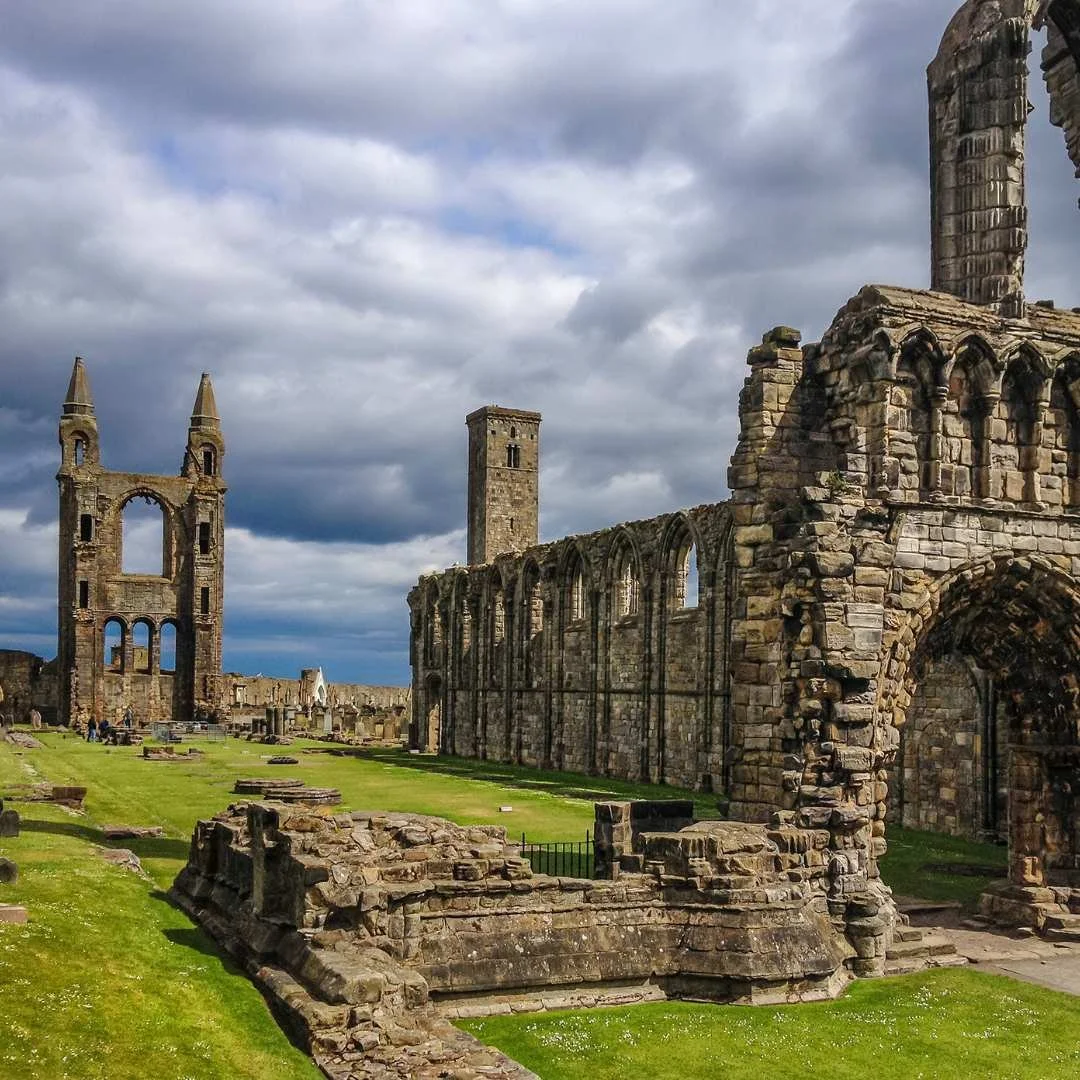
The east coast has cities like Aberdeen, Dundee and Edinburgh, and towns such as Stonehaven, Montrose, Arbroath and Cupar. The jewel in the crown of the east coast is probably St Andrews, which is known as the home of golf.
The Old Course at St Andrews is considered to be the oldest golf course in the world, and the sport was first played on its links land in the 15th century.
Of course, St Andrews has much more history than just golf. It has the ancient University of St Andrews, founded in 1413, which is the third oldest university in the English-speaking world.
St Andrews Cathedral was once the religious capital of Scotland until the Protestant Reformation, when it was ransacked by a mob of reformers. The ruined cathedral grounds are well worth a visit.
There’s nothing I like more than just having a wander around the old streets of this town, grabbing a coffee, admiring the architecture, and taking in the sea air.
Outer Hebrides - My Favourite Place
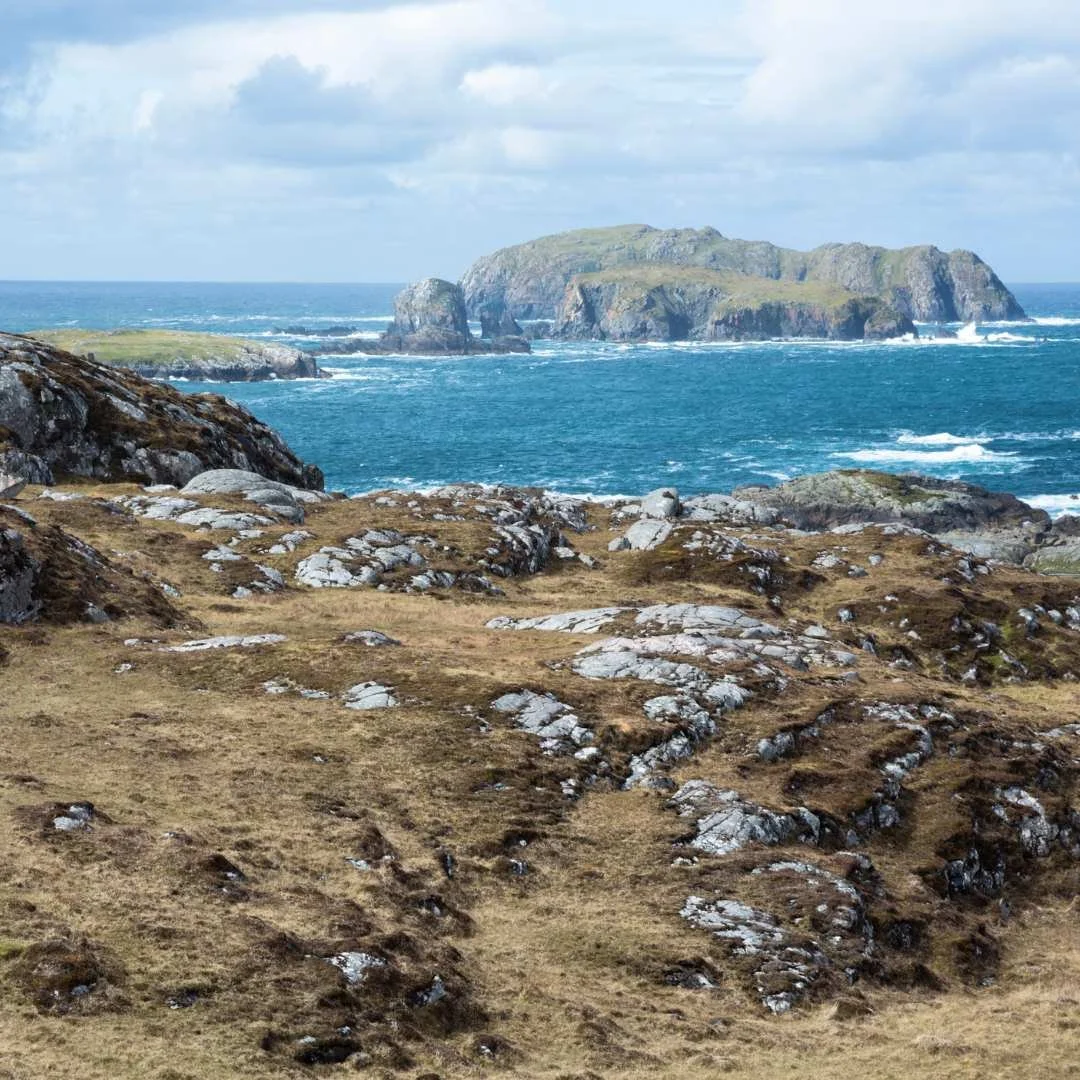
One of my very favourite places in Scotland is the Outer Hebrides. This is a 130-mile-long chain of islands off the north-west coast of Scotland.
The islands are linked via a combination of causeways and ferries. This archipelago sits around 45 miles from Scotland’s mainland and is truly another world.
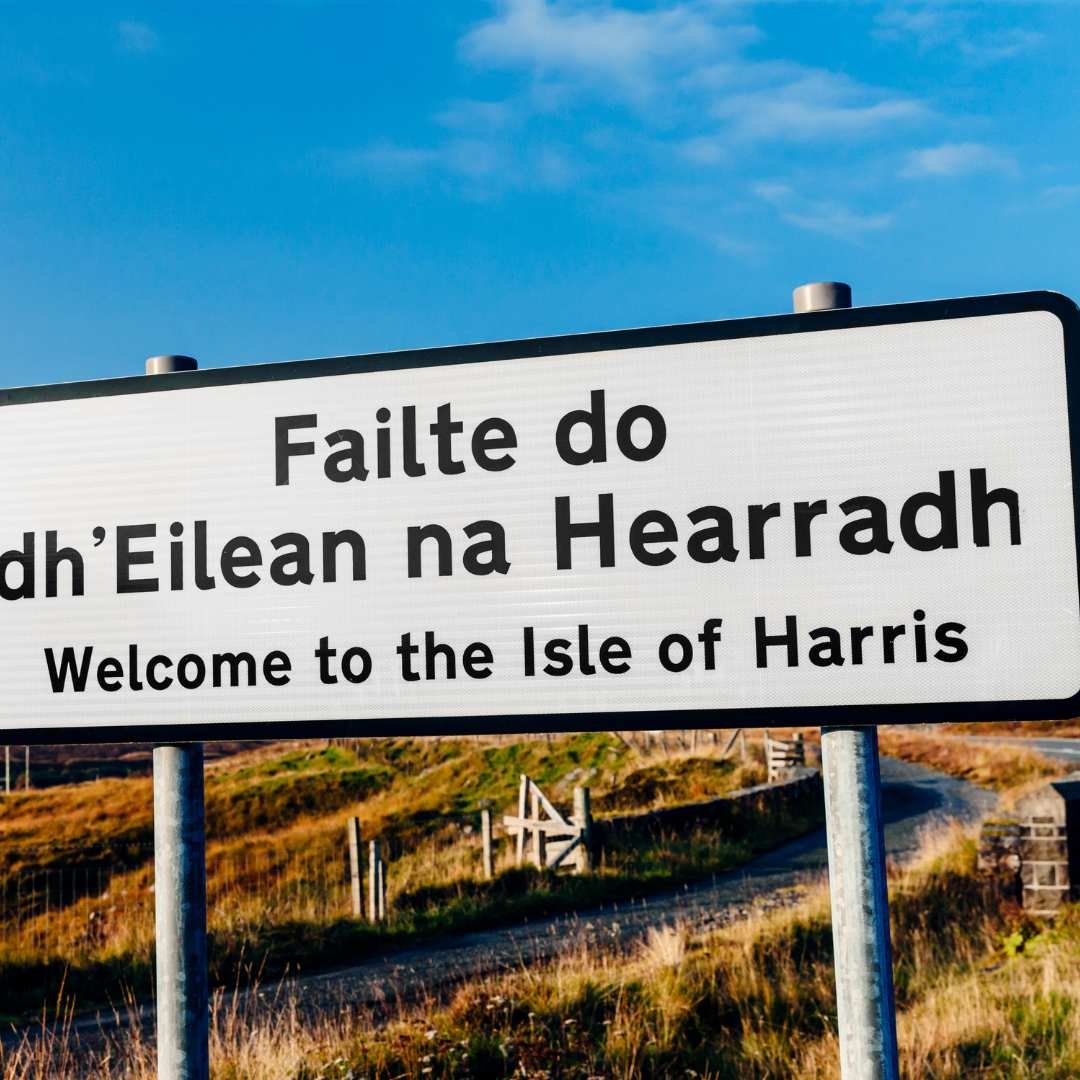
It’s a place where you will still hear Gaelic spoken every day, and it has the biggest percentage of Gaelic speakers anywhere in Scotland. This is partly due to the sheer remoteness of these islands — they’re just so far removed from the incursion of English from the Lowlands.
It’s the kind of place where you feel like you’re on the edge of the world. Stand on the west coast of these islands looking out across the wild Atlantic, and you’ll see what I mean. Look west and the next stop is Canada and Newfoundland. Look north from the Butt of Lewis Lighthouse and the next stop is the Arctic Circle.
One of my very favourite places in Scotland is the Outer Hebrides. This is a 130-mile-long chain of islands off the north-west coast of Scotland.The islands are linked via a combination of causeways and ferries. This archipelago sits around 45 miles from Scotland’s mainland and is truly another world.
It’s a place where you will still hear Gaelic spoken every day, and it has the biggest percentage of Gaelic speakers anywhere in Scotland. This is partly due to the sheer remoteness of these islands — they’re just so far removed from the incursion of English from the Lowlands.
It’s the kind of place where you feel like you’re on the edge of the world. Stand on the west coast of these islands looking out across the wild Atlantic, and you’ll see what I mean. Look west and the next stop is Canada and Newfoundland. Look north from the Butt of Lewis Lighthouse and the next stop is the Arctic Circle.
The two biggest islands are Lewis and Harris. Although they’re technically one island, the landscapes are completely different. Lewis is characterised by flat upland peat bogs where the wind whips across the land with ferocity. Harris, by contrast, is known for its stunning mountains where golden eagles soar.
Both islands have stunning, largely empty beaches where you can almost lose yourself listening to the wind and nature.
Ancient history abounds here. World-famous sites like the Callanish Standing Stones take us back to the Neolithic period around 5,000 years ago — older than Stonehenge. The Dun Carloway Broch transports us to the Iron Age around 200 BC and is the best-preserved broch in the Outer Hebrides.
Like much of northern Scotland, the Hebrides owe a lot of their history to Norse culture, as Vikings ravaged and settled these lands in the 8th and 9th centuries. The MacDonald and MacLeod clans are of Norse-Gaelic origin, and Harris gets its name from the old Norse word Herjólfur.
Of course, the Outer Hebrides are much more than just Lewis and Harris. Other stunning islands include Barra, Uist, Colonsay and the Uists. The Hebrides are truly magical, delivering wow moments around every corner of the road.
You can see a full 7-day itinerary to the Outer Hebrides AND Skye, here.
Orkney - Ancient History Abounds
Sitting off the tip of Scotland’s north coast is the island archipelago of Orkney. Like the Hebrides, it has a strong Norse identity and was under Norwegian control until 1472, when it was absorbed into the Kingdom of Scotland.
People from Orkney — Arcadians — speak a very distinct dialect of the Scots language. If you love ancient history, you’ll love this place. It has some of the oldest and best-preserved Neolithic sites in Europe.
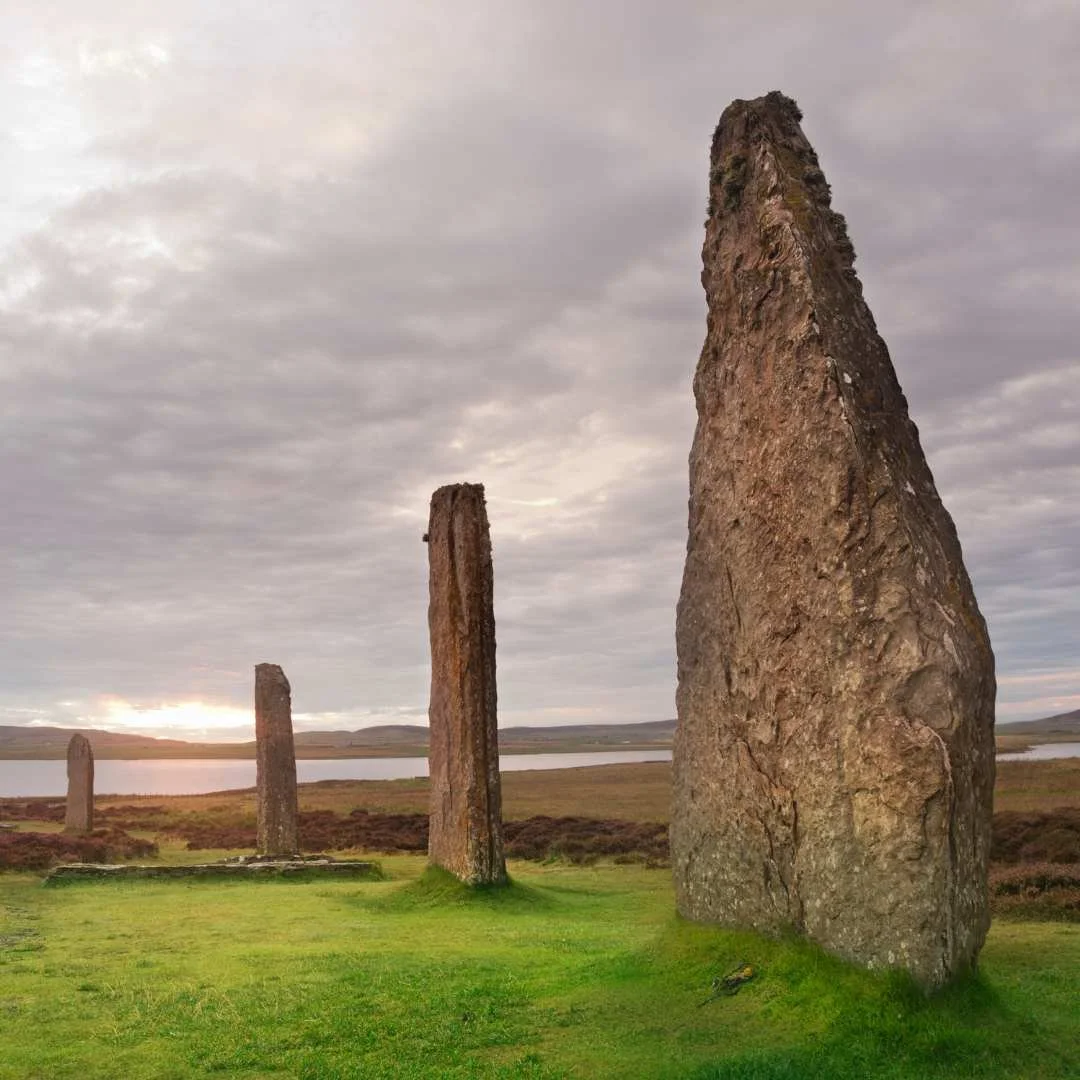
The Heart of Neolithic Orkney is a designated UNESCO World Heritage Site. It includes the Ring of Brodgar, Skara Brae, the Stones of Stenness, and Maeshowe.
It blows my mind that it wasn’t until 1850 that Skara Brae was discovered. A great storm ripped sand from the dunes, revealing the outline of stonework beneath and uncovering a Neolithic village that had lain hidden for thousands of years.
Think rolling farmland dotted with sheep, a coastline of towering cliffs and sea stacks buffeted by angry seas. The land is rich and fertile, and agriculture is the most important part of the local economy.
The capital of Orkney is Kirkwall, and I love wandering its quaint streets. The 12th-century grandeur of St Magnus Cathedral is a must-see.
Check out this 5-day Orkney tour, where you’ll travel up through the mainland, seeing incredible sights as you go, and end up immersed in ancient history on Orkney!
Oban & Argyll - The Wee Beautiful West
On the west coast of Scotland sits the ancient region of Argyll. It’s a sparsely populated area with many islands and sea lochs along its coastline.
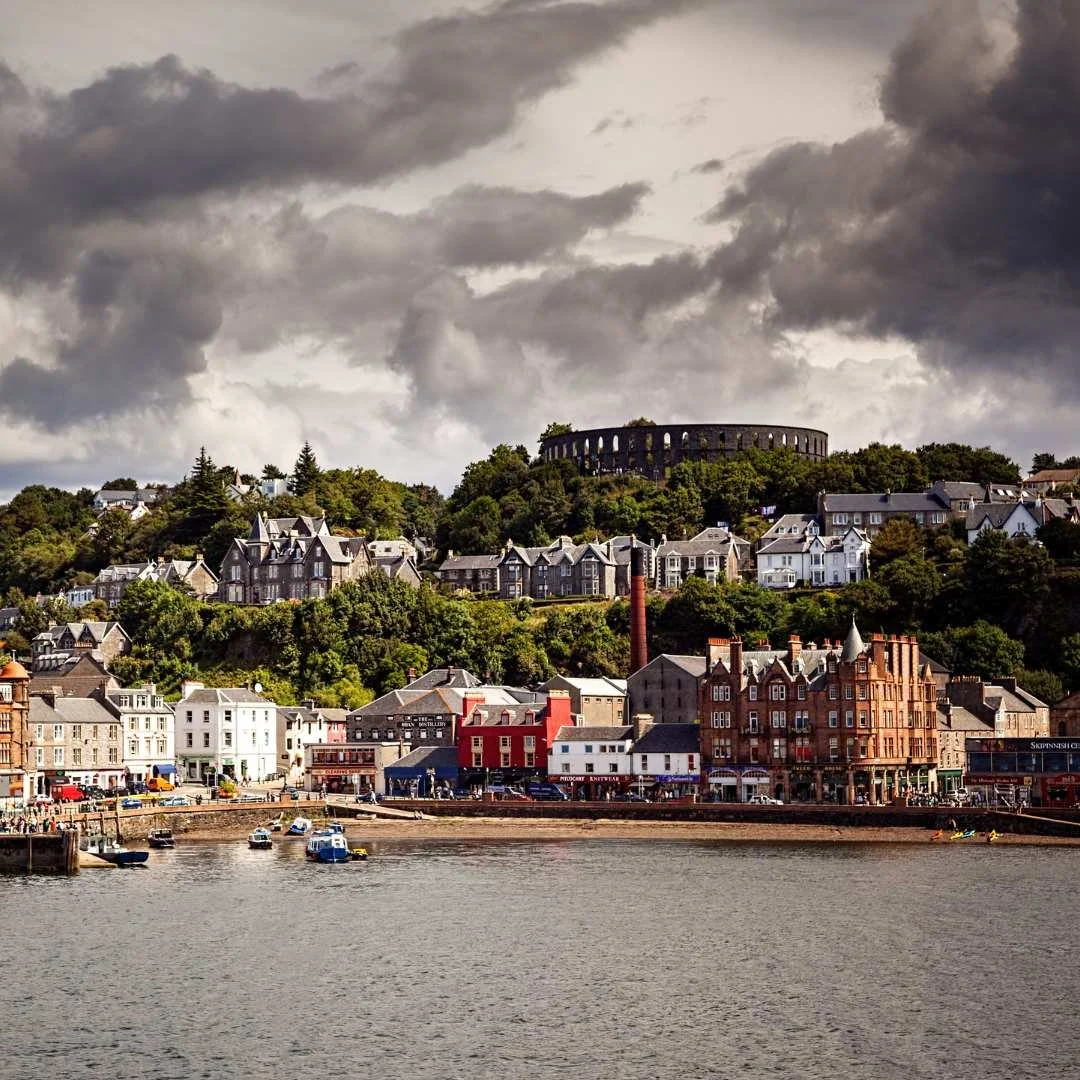
Its main town is Oban, which means ‘little bay’ in Gaelic. It’s a beautiful town that initially grew around a small fishing industry before expanding in 1794 with the founding of the Oban Distillery. It’s the fourth oldest distillery in Scotland, and I can testify it’s a fine wee dram.
With its long fishing tradition and abundant marine life, Oban is known as the seafood capital of Scotland. If you’re visiting, I’d recommend a walk up to McCaig’s Tower — it’s well worth it for the views across the town and out to the islands of the Inner Hebrides.
Argyll is packed with history. Kilmartin Glen is filled with standing stones, burial chambers, and rock art from Neolithic and Bronze Age people. Also, here is Dunadd Fort, home to the ancient Gaelic kings of Dál Riata between 500 and 800 AD.
The biggest clan name in Argyll is Campbell, one of the most powerful clans in Scottish history. Their influence can be seen at Inveraray Castle — the seat of the Dukes of Argyll, and still lived in today.
Argyll is a fantastic gateway to the Inner Hebrides. From Oban, ferries run to Mull, Islay, Jura, Colonsay and more — each with its own identity and story.
Fancy a day tour from Glasgow out to the West coast? Check out the itinerary and map here.
Scottish Culture & Language
So I often get asked questions like, ‘Jim, what’s the identity of Scotland? What languages do you speak here? Can you speak Gaelic?’
That’s actually quite a complex question — culture, identity, and language here in Scotland.
First up, I cannot speak Gaelic, and neither could any of my ancestors as far back as my family has managed to trace them. That’s because we lived in the south-west Ayrshire area of the Lowlands of Scotland, and we speak English — or a variation of that called Scots — in that part of the country.
If we go way back in time, the people who lived in Scotland were Celtic tribes called the Picts. They were given that name by the Romans, and it meant ‘painted people’. These Picts were actually individual tribes, and it’s believed they would have spoken a form of Celtic, Pictish-type language.
After the Romans vacated the land we now call Scotland, the Picts and their language came under pressure from three fronts. From the south-west came the Britons of Strathclyde, from the west coast and islands came the Irish Gaels of Dál Riata, and from the south-east came the Anglo-Saxons of Northumbria.
The incomers from Ireland brought the Gaelic language and culture, and over time the Picts were absorbed into that culture. Gaelic became the dominant language. The first King of Scots was Kenneth MacAlpin in 843 AD, and he spoke Gaelic. He was the common ancestor of every Scottish king for the next 500 years.
Of course, he wasn’t king of all of modern-day Scotland. The Scotland we know today didn’t really take shape until the early 11th century. The Lowlands below the Forth–Clyde line were controlled by people who didn’t speak Gaelic, but a Germanic-based language that would eventually become the English we know today.
It was during the reign of Malcolm III in the late 11th century that we started to see the first signs of a more anglicised royalty and language.
But English versus Gaelic is only half the story. Over time, many Lowlanders developed a language of their own. By the 14th century, a language called Scots had emerged. Scots has its roots in English but was influenced by Norse, French, and Gaelic.
One of the most famous exponents of the old Scots language was our national bard, Robert Burns. English speakers will recognise some of the words in his writing, but much of it needs to be translated for the modern reader.
Despite the erosion of the Gaelic language over the centuries, its influence can still be felt all across Scotland — especially in place names. Where you see the word ‘dun’ in places like Dundee, Dunkeld, and Dumbarton, it means ‘fort’. Where you see ‘inver’, like in Inverness, it means ‘mouth of the river’.
There is also a thriving Gaelic music, art, and cultural scene in Scotland today. Events like the National Mòd celebrate Gaelic culture, and there’s growing interest and funding to keep the language alive, particularly among younger generations.
So that’s why we have three official languages in Scotland — Gaelic, English, and Scots. Easy peasy, eh?
There you have it — my massive wee brochure about Scotland. Hopefully, you’ve taken something from it about the people, the places, the landscapes, and the culture, and it’s persuaded you to come and check it out for yourself.
Join me on tour, or any of our other incredible Scotland guides, and have a trip of a lifetime in the greatest country on earth!