

Scotland: The Places, Landscapes and Stories That Give the Country Its Character
Scotland can look small on a map. A country tucked into the northern edge of Britain, with a population smaller than many major cities around the world. And yet, once you begin to travel through it, it rarely feels small at all.
For many, Scotland begins as an image in their head. A castle on a cliff. A road through the Highlands. A loch under a grey sky. The sound of bagpipes drifting through an old street.
But the real country is much more than that.
It is not only dramatic scenery. It is a place shaped by geology, language, history, culture and distance. A country where the east and west feel very different, where the islands have their own identities, and where even places only a few hours apart can seem to belong to different worlds.
In this guide, we’re travelling through the places, landscapes and stories that give Scotland its character. From Edinburgh and Glasgow to the Highlands, Skye and the Outer Hebrides, through castles, lochs, ancient sites and coastal roads, to understand what it is that makes Scotland feel the way it does.
Not just beautiful, but memorable.
If you’d rather experience this journey in video form first, you can watch it here.

Introduction to Scotland
Part of Scotland’s appeal is that it contains so much contrast in such a relatively small space.
To the south and east, you have areas of gentler farmland. To the west and north, the country begins to open out and become more jagged and dynamic. The mountains grow steeper, the roads narrow, and the weather shifts more quickly.
And then there are the islands. Some lie just off the mainland, close enough to feel more connected, while others are exposed to the full force of the Atlantic, shaped as much by sea and wind as by the land beneath them.
Elsewhere, fertile valleys and industrial belts helped shape a different kind of Scotland. One of shipbuilding, engineering, trade, and cities that expanded rapidly in the modern era.
Even the weather helped divide the country into distinct moods. The west is generally wetter, softer in light, richer in greens, and more exposed to Atlantic systems rolling in from the ocean. The east is a wee bit drier, brighter, and in some places almost unexpectedly gentle.
That is one of the first things visitors often notice. Scotland is not one landscape repeated over and over. It is a patchwork of very different places tied together by history, culture, and a very strong sense of identity.
Edinburgh
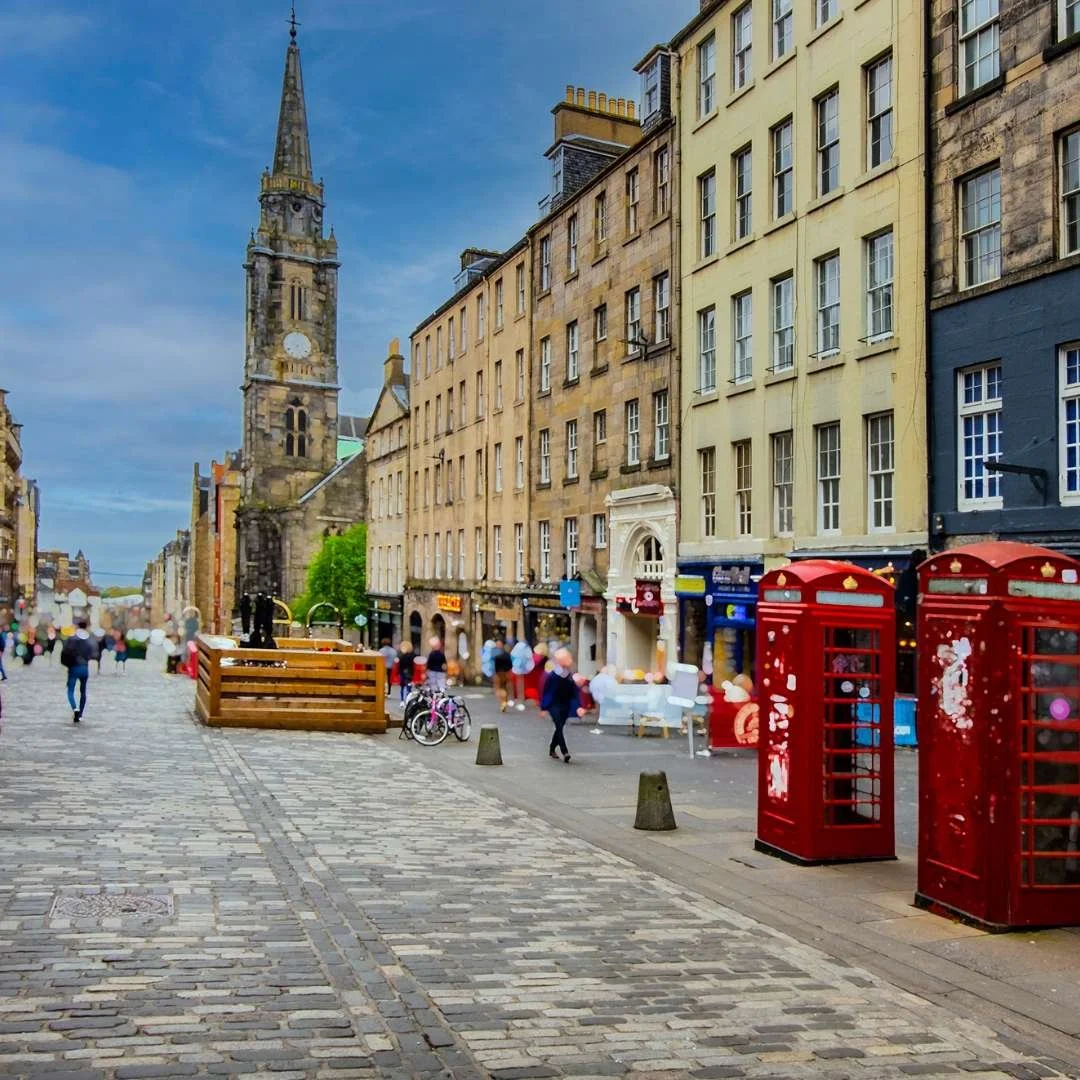
For most, Scotland begins in Edinburgh, and it’s easy to see why. The city makes a striking first impression.
It rises and falls over a series of hills, and above them all stands Edinburgh Castle, high on volcanic rock. Few cities announce themselves so clearly. You arrive and almost immediately understand that history sits very close to the surface here.
In the Old Town, narrow closes and steep streets still follow the lines of the medieval city. The Royal Mile cuts through the heart of it, linking the castle to Holyrood Palace, passing churches, courtyards, old tenement buildings, and centuries of political and religious history.
And then, just beside it, another Edinburgh appears. The New Town, with its Georgian order, wide streets, symmetry and elegance, built in response to overcrowding and modern ambition. It gives the city a rare dual character. Edinburgh can feel dark and dramatic, then composed, graceful and almost continental in the next moment.
And beyond the architecture, there is the setting. Arthur’s Seat rises above the city as a constant reminder that this capital was shaped not only by people, but by fire and rock long before them. From up there, you can see the city spread out towards the Firth of Forth.
For first-time visitors, Edinburgh often delivers exactly what they hoped Scotland might feel like. It is historic, atmospheric, walkable, and full of character.
But it is only one side of the country.
Glasgow
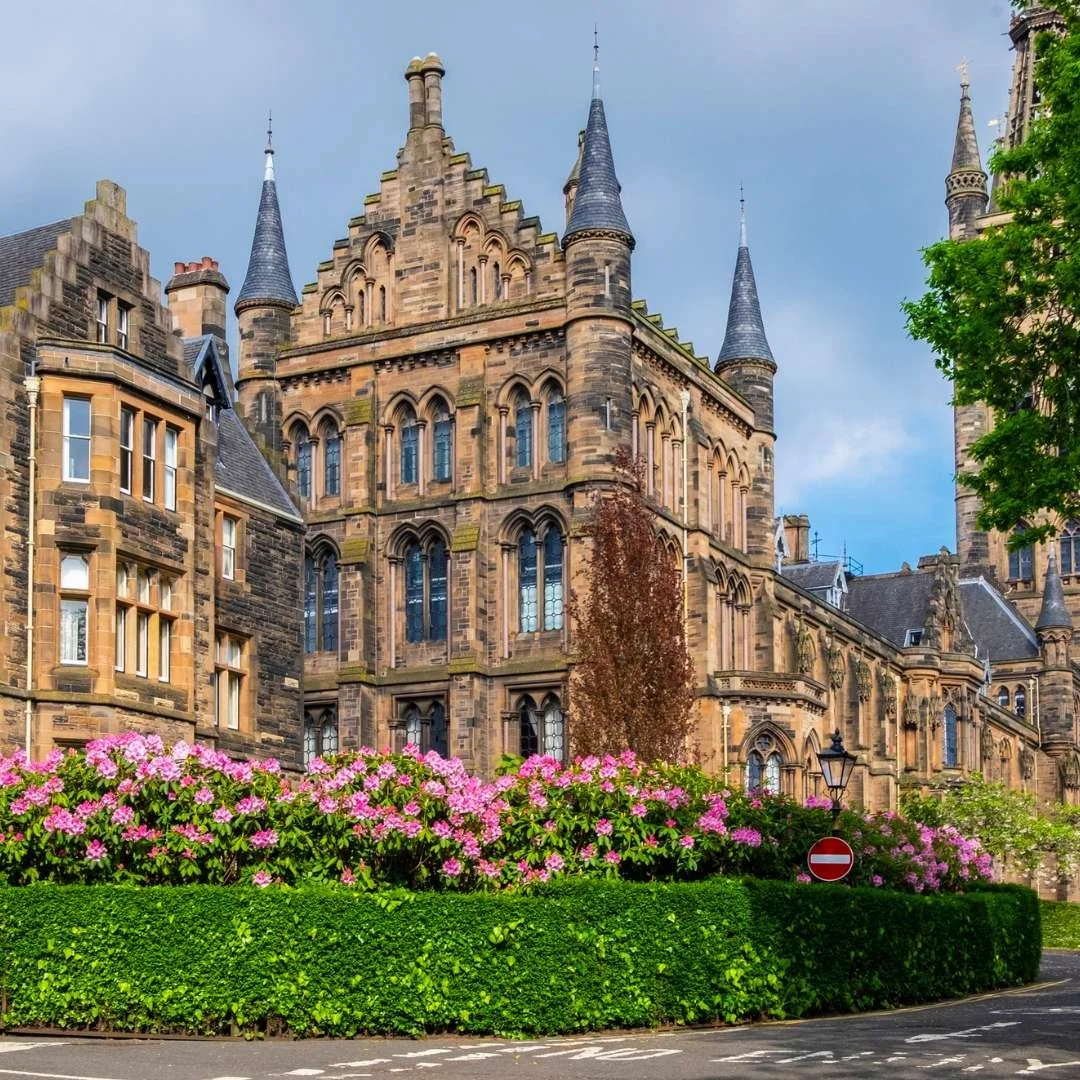
If Edinburgh is often the city people picture first, Glasgow is the one that surprises them.
Because Glasgow does not rely on postcard romance. It is bigger in personality, looser at the edges, more modern in some places, and deeply shaped by industry, migration, music, art, and working life.
This is a city built by trade and shipbuilding, by the River Clyde, and by the wealth and hardship that came with industrial growth. You still feel that scale in the architecture: grand Victorian buildings, wide streets, heavy stone façades. It is a city built with confidence.
But Glasgow’s energy comes just as much from what is happening now. The city is full of live music, murals, nightlife, galleries, football, humour and a strong local identity. In the West End around the university and Kelvingrove, that’s one atmosphere. In the Merchant City, quite another. Along the river, yet another again.
It is urban, creative, outspoken and constantly reinventing itself.
For some visitors, Glasgow becomes the place that feels more alive. It is not polished. It is not the most cinematic. But perhaps it is the most human.
The Highlands
For all the appeal of the cities, it is the Highlands that many people travel to Scotland for.
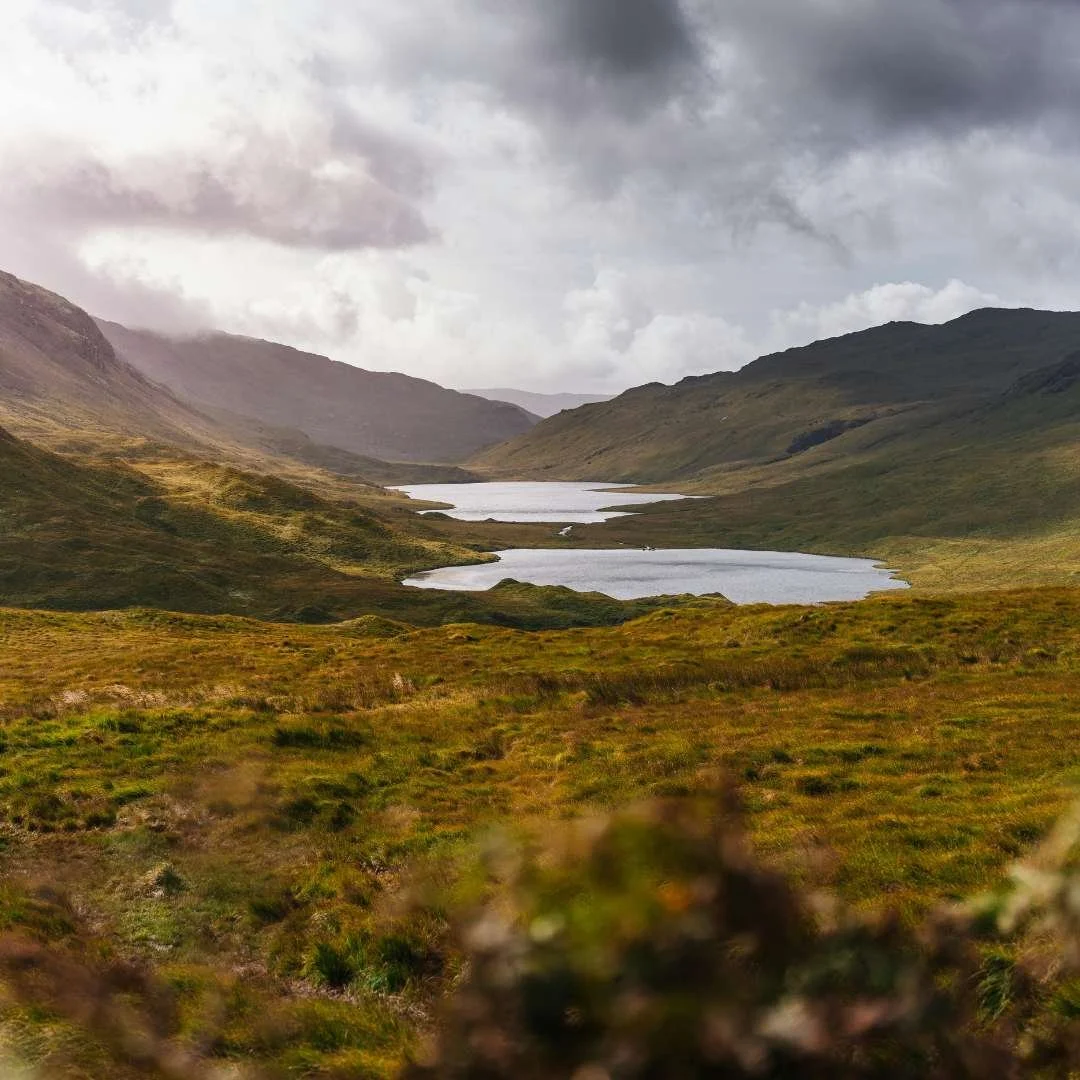
This is the image that draws so many visitors from around the world. Long single-track roads with sheep running ahead of you, shifting weather, open glens and dark lochs.
But the Highlands are not just one scenic region. They are a huge and varied part of Scotland, with different moods and different histories.
Some areas are broad and empty, with vast moorland, peat, lochans and skies that seem to stretch forever. Others are steep, jagged and dramatic, their valleys carved by glaciers long ago, their mountains folding into one another in great dark shapes.
There is a sense of space here that visitors often underestimate. A journey that looks simple on a map can easily become a full day once you factor in the weather, viewpoints, roads, passing places, and the constant temptation to stop and marvel at the views.
And that is really the Highlands’ power. They are not just something to look at through a car window. They change your pace. They ask for more of your time.
And in return, they often give people the Scotland they remember most strongly.
Glencoe
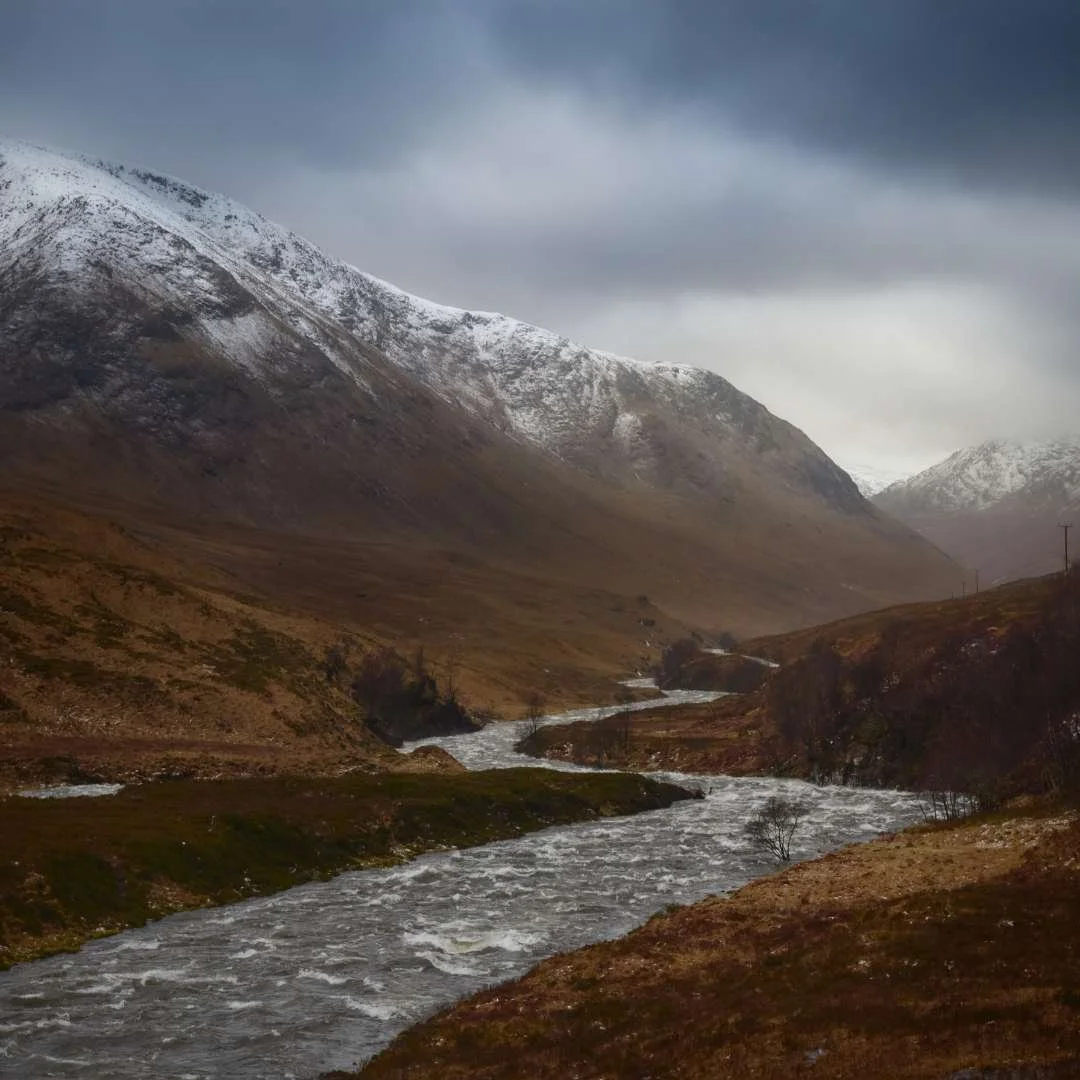
If one place captures the emotional power of the Highlands, it is Glencoe.
Even before you know its history, the landscape does something to you. The valley narrows, the mountains close in, and the sides rise sharply along the road. The famous peaks known as the Three Sisters cut into the sky above the valley floor in a way that feels unmistakably dramatic.
Waterfalls appear after rain, which you can pretty much count on in Scotland.
And then there is the history. In 1692, Glencoe became the site of one of the most infamous events in Scottish history, when members of the MacDonald clan were killed in a massacre that left a long shadow over the place.
It is this combination of landscape and story that makes Glencoe so powerful. It is not only scenic. It feels heavy with memory too.
Isle of Skye
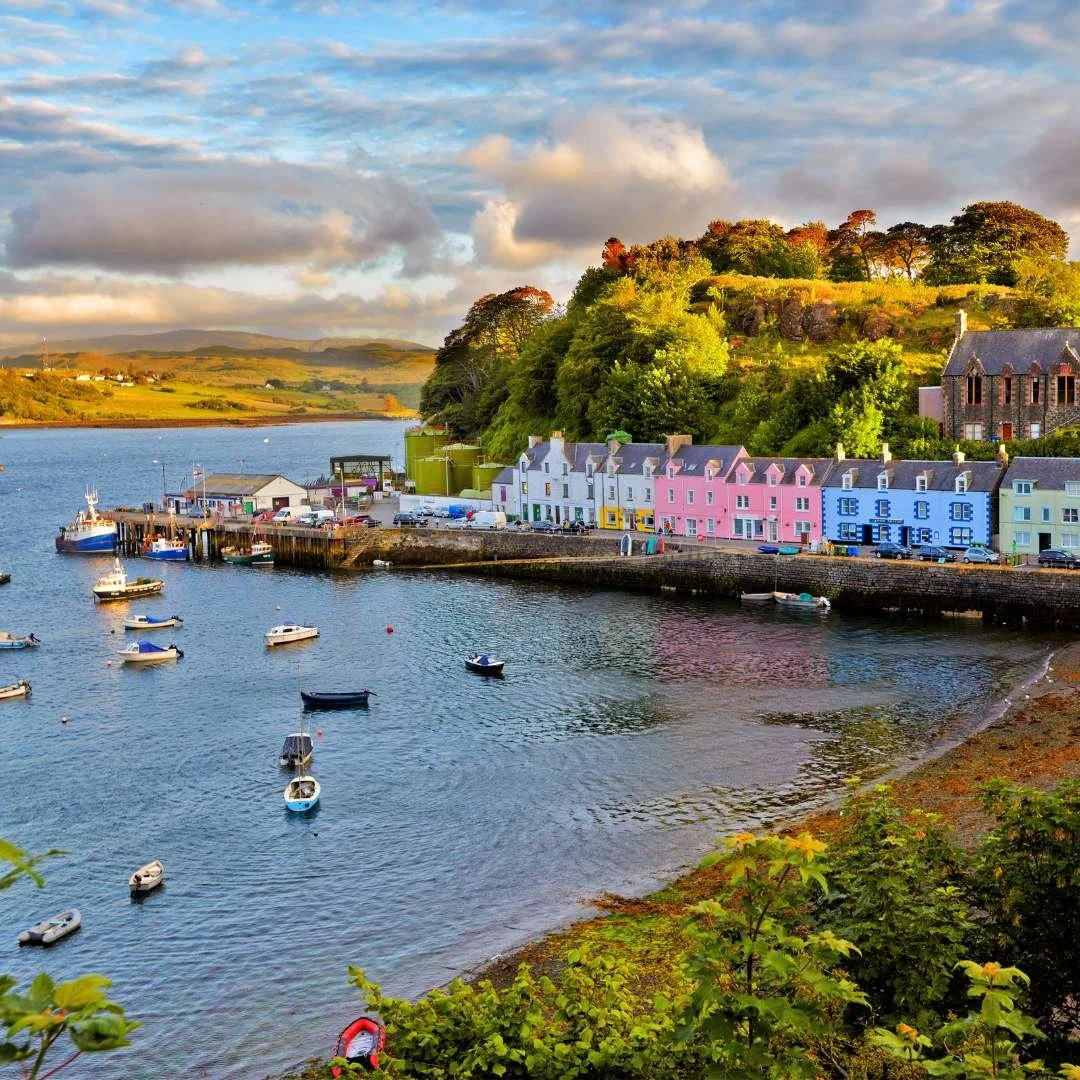
If Glencoe is one of Scotland’s great mainland landscapes, Skye is its island counterpart.
Few places have become so closely associated with the modern image of Scotland. And while popularity can sometimes work against a place, Skye earns its reputation.
The land seems constantly in motion, shaped into ridges, cliffs, pinnacles, landslides and open moor. The Cuillin dominate the skyline in one direction, dark and jagged. Elsewhere, the landscape softens into coastlines, bays, waterfalls and rolling high ground.
Then there are the famous landmarks: the Old Man of Storr rising from the Trotternish Ridge like a remnant from another age; the Quiraing with its strange broken landforms and vast views over sea and headland; Neist Point, where the cliffs fall away towards the Atlantic and a lighthouse stands on the island’s edge; and the Fairy Pools, where clear water runs down from the Black Cuillin through bright blue-green rock pools.
What makes Skye so powerful is not just that it is scenic. It is that it feels mythic without needing to invent anything. The light changes quickly. The weather strips the landscape back and then transforms it again. From one part of the island to the next, the mood can shift dramatically.
For many visitors, Skye is the place they remember most. It is where Scotland becomes its most intense.
Eilean Donan Castle
Not far back on the mainland from the Skye Bridge, another familiar Scottish image comes into view.
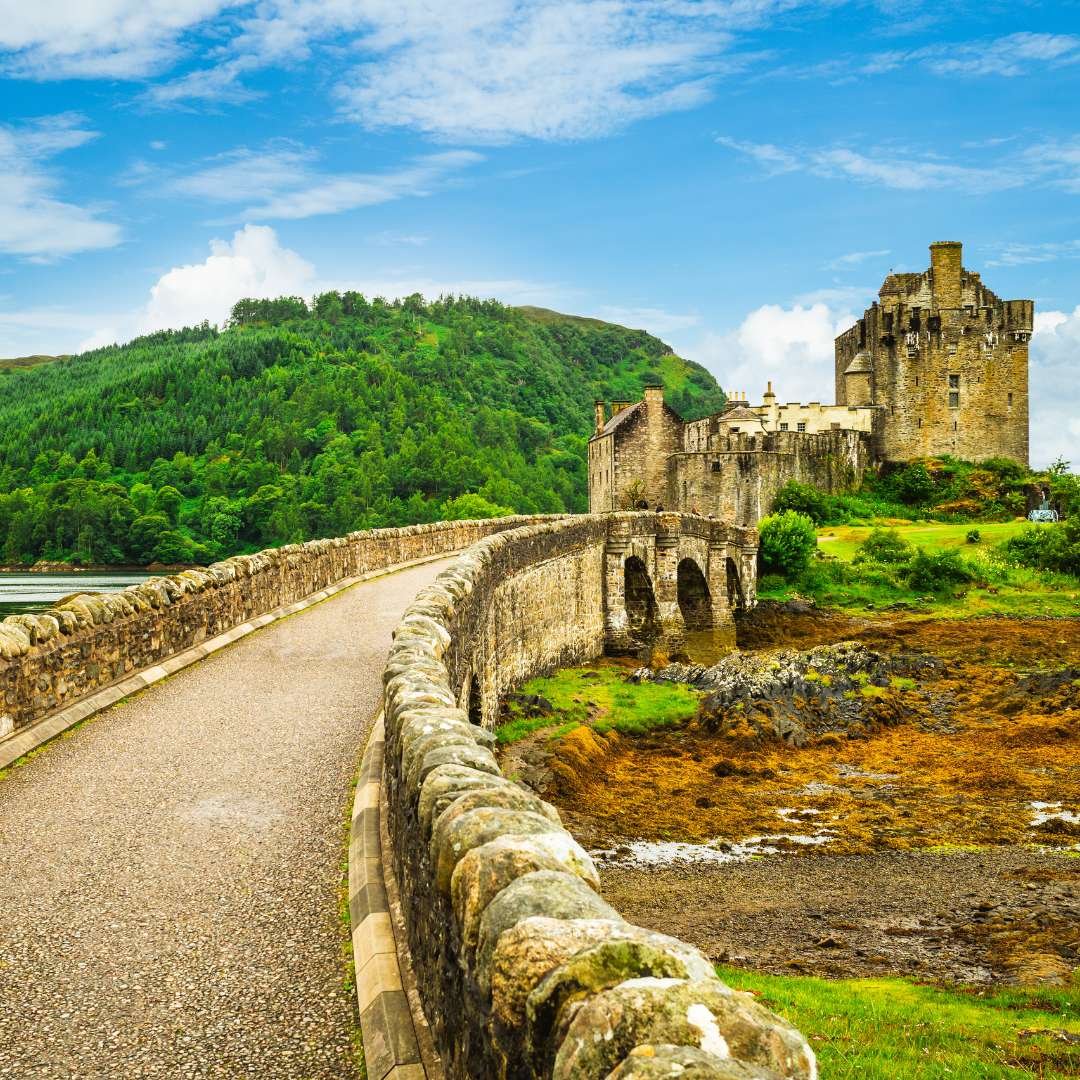
Eilean Donan Castle sits on a small tidal island where three sea lochs meet. Surrounded by water, backed by Highland slopes, and linked to the mainland by a narrow stone bridge, it is one of the most photographed places in the country.
And it is easy to see why.
The castle seems to sit exactly where people imagine Scotland should look most like itself. The stronghold that once stood here dates back to the medieval period, though what visitors see today is the result of later restoration.
But that hardly lessens its effect, because Eilean Donan is not only about military or clan history. It is also about the setting itself. The way the lochs open around it. The way the whole scene can shift from calm to dramatic in a matter of minutes.
For many visitors, this is the Scotland of postcards and film screens. It is iconic, memorable, and well worth a visit.
Loch Ness
No loch in Scotland is more famous than Loch Ness.
Its name has travelled far beyond the Highlands, carried by stories of a creature said to live beneath its dark surface. That legend has shaped how much of the world imagines this place to be.
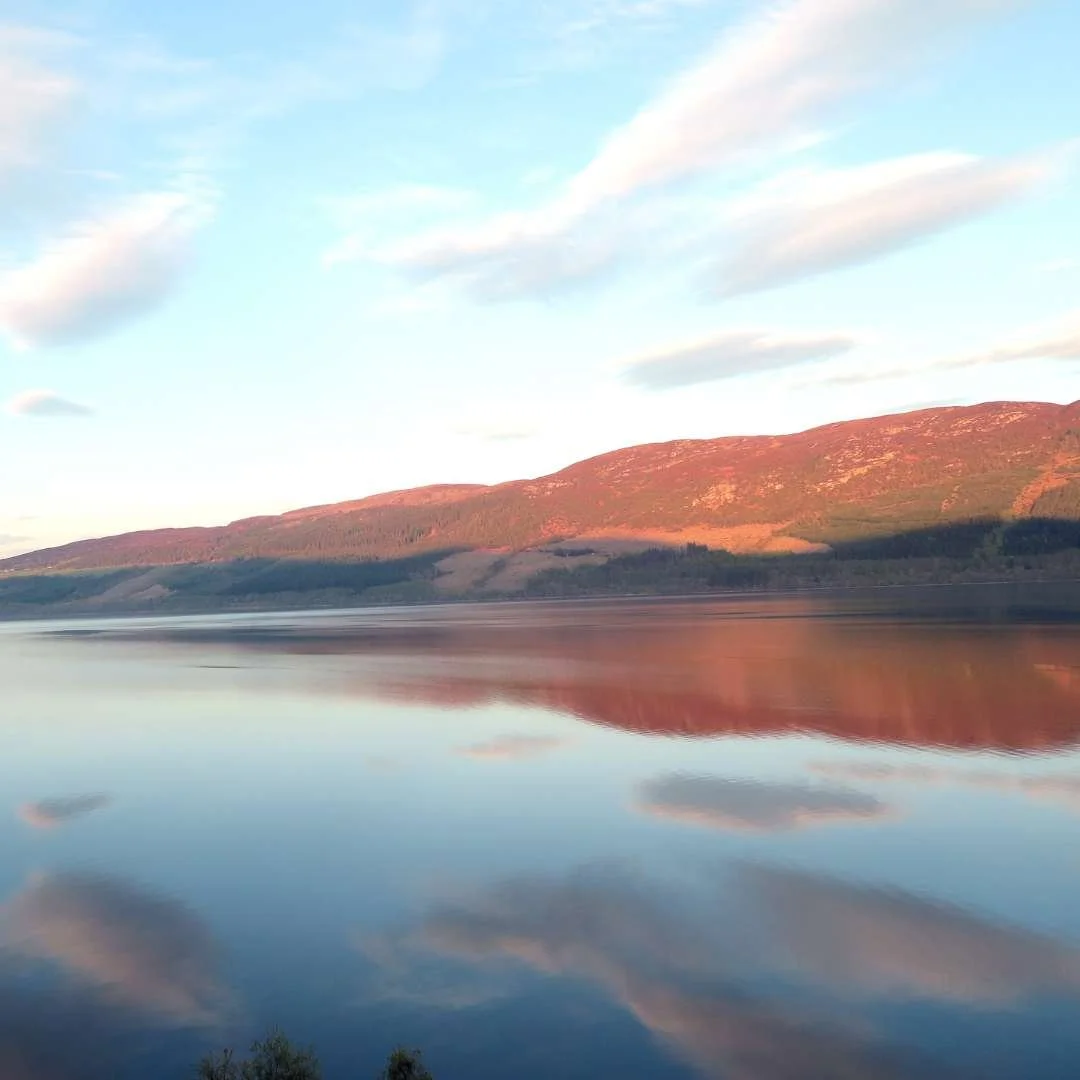
But even without the monster, Loch Ness would still have presence. It is a long, deep and unusually dark loch stretching through the Great Glen, a natural fault line that cuts across the Highlands from coast to coast. The hills rise steeply around it, and the water can look almost black in certain light.
Places like Urquhart Castle add to this mood, its ruined walls standing above the shore and looking out across one of the most talked-about waters in the world.
And perhaps that is part of Loch Ness’s power. It sits between myth and geography. Visitors come because of a story, but they often leave remembering the landscape itself, the scale of the loch, the shape of the glen, and the feeling that this part of Scotland has been quietly drawing people in for centuries.
Inverness
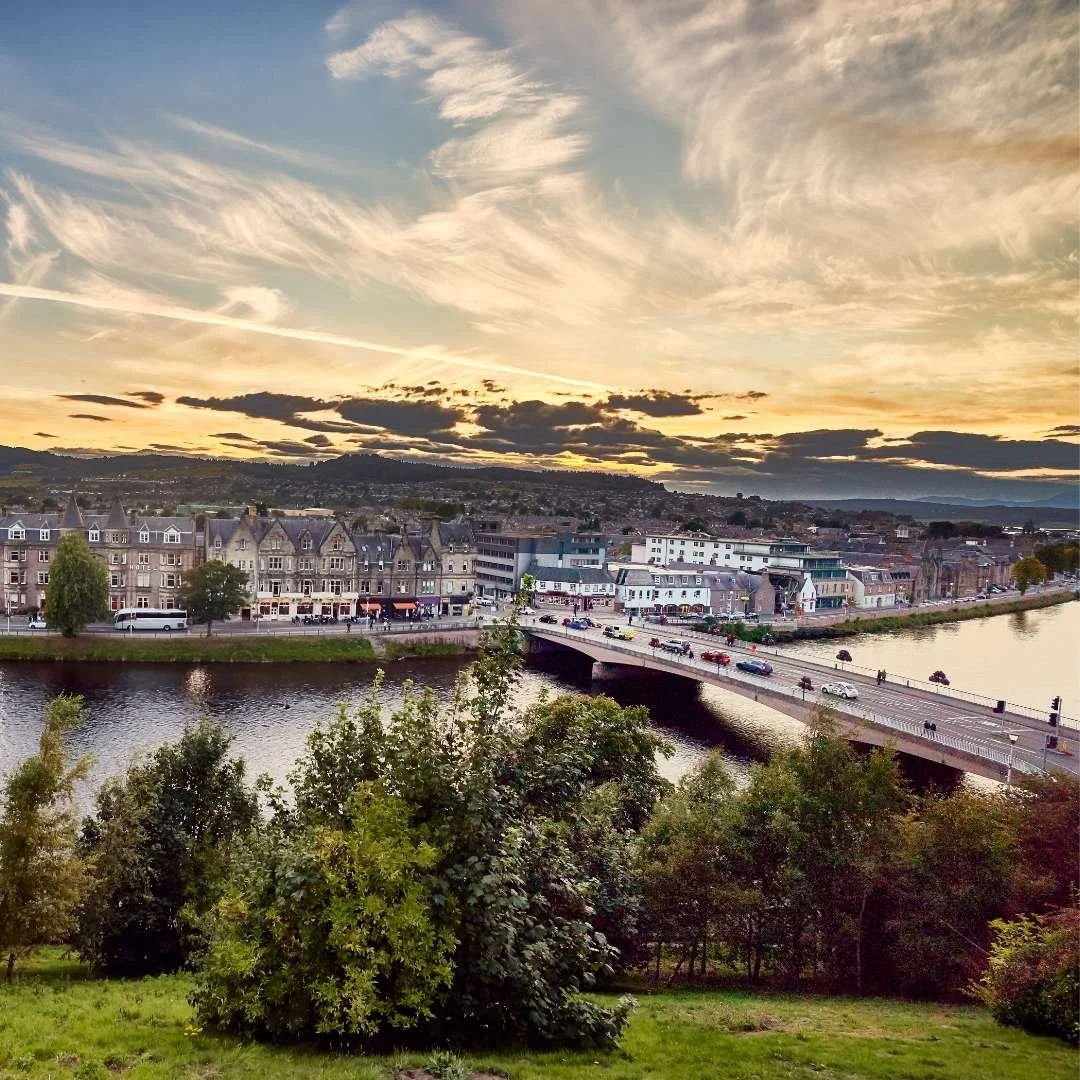
At the northern end of the Great Glen lies Inverness, often called the capital of the Highlands.
It is not a huge city by international standards, but it holds an important place in Scotland’s mental map. Because beyond here, the country begins to thin out. Roads lead north into more open spaces, more remoteness, fewer people, and longer distances between places.
The River Ness runs through the city centre, linking loch to firth and giving Inverness a calmer, more open feel than some of Scotland’s larger urban centres.
There is history here too, from its older streets and churches to nearby Culloden, where one of the most consequential chapters in Scottish history came to its end.
But for many travellers, Inverness is less about one single landmark than about position. It is a great base from which to explore the Highlands, while still returning to a cosy centre at the end of the day.
And because of that, Inverness often becomes one of the places people remember more fondly than they expect. It marks the point where Scotland begins to feel a bit wilder.
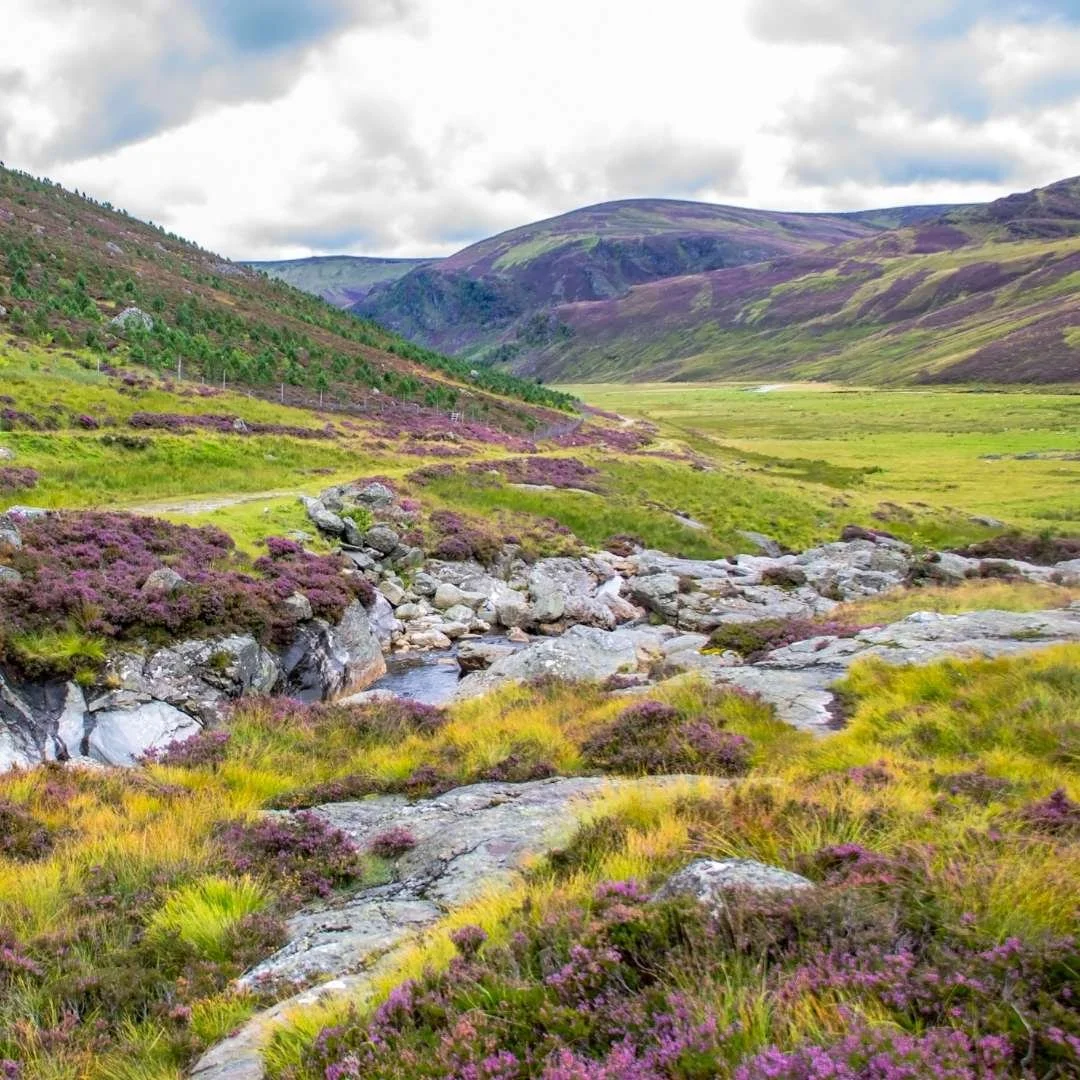
Cairngorms National Park
If western Scotland is often defined by steep peaks, sea lochs and dramatic glens, the Cairngorms reveal another side of the Highlands entirely.
This is a landscape of height, distance and weather. A place of broad mountain plateaus, ancient pine forests, heather moorlands, rivers, lochs and wide open glens.
It can feel less immediately dramatic than Glencoe or Skye, but over time it becomes just as impressive. There is more space here, more exposure, and the feeling of being high in a country that still holds large areas of real wilderness.
The Cairngorms are home to some of Scotland’s most distinctive habitats, including remnants of the old Caledonian forest, where Scots pine, red squirrels and capercaillie belong to a landscape that feels deeply rooted in the north.
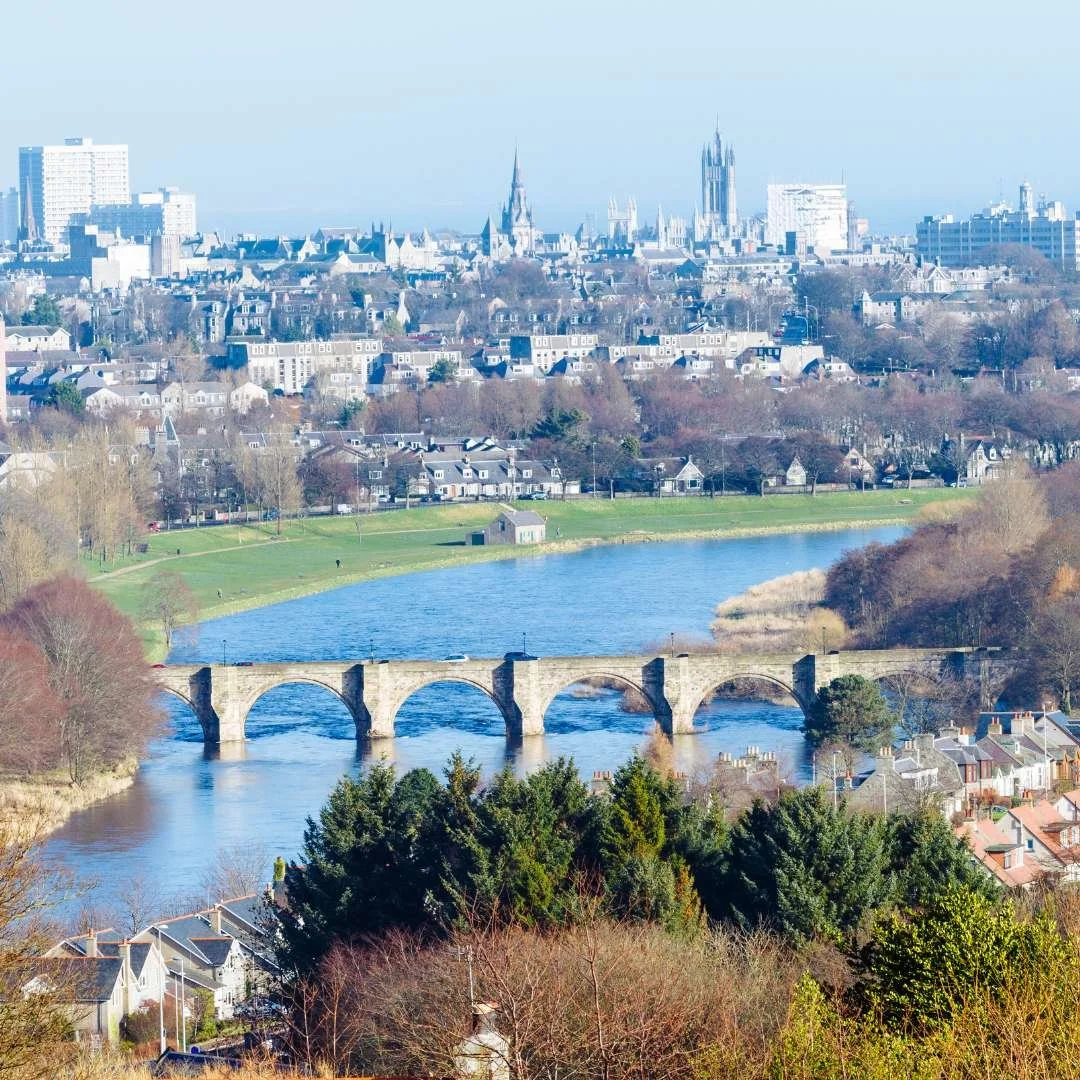
Aberdeen
On the east coast, Scotland takes on another character again.
Aberdeen, known for its granite architecture, has a very distinct look. It feels different from both Edinburgh and Glasgow. More tied to the North Sea, shaped by trade, fishing, industry and maritime life.
This has long been a working city, one connected to the sea. That gives Aberdeen a practical strength, a sense of having been built with purpose.
And yet there is elegance here too. Wide streets, solid civic buildings, long beaches, and a coastline that feels open to northern weather and northern light.
For some visitors, Aberdeen is not the most immediately romantic place in Scotland. But it does reveal something important: that this country is not only about Highland spectacle or medieval atmosphere. It is also about port cities, east coast identity, and communities shaped by a very different relationship with land and sea.
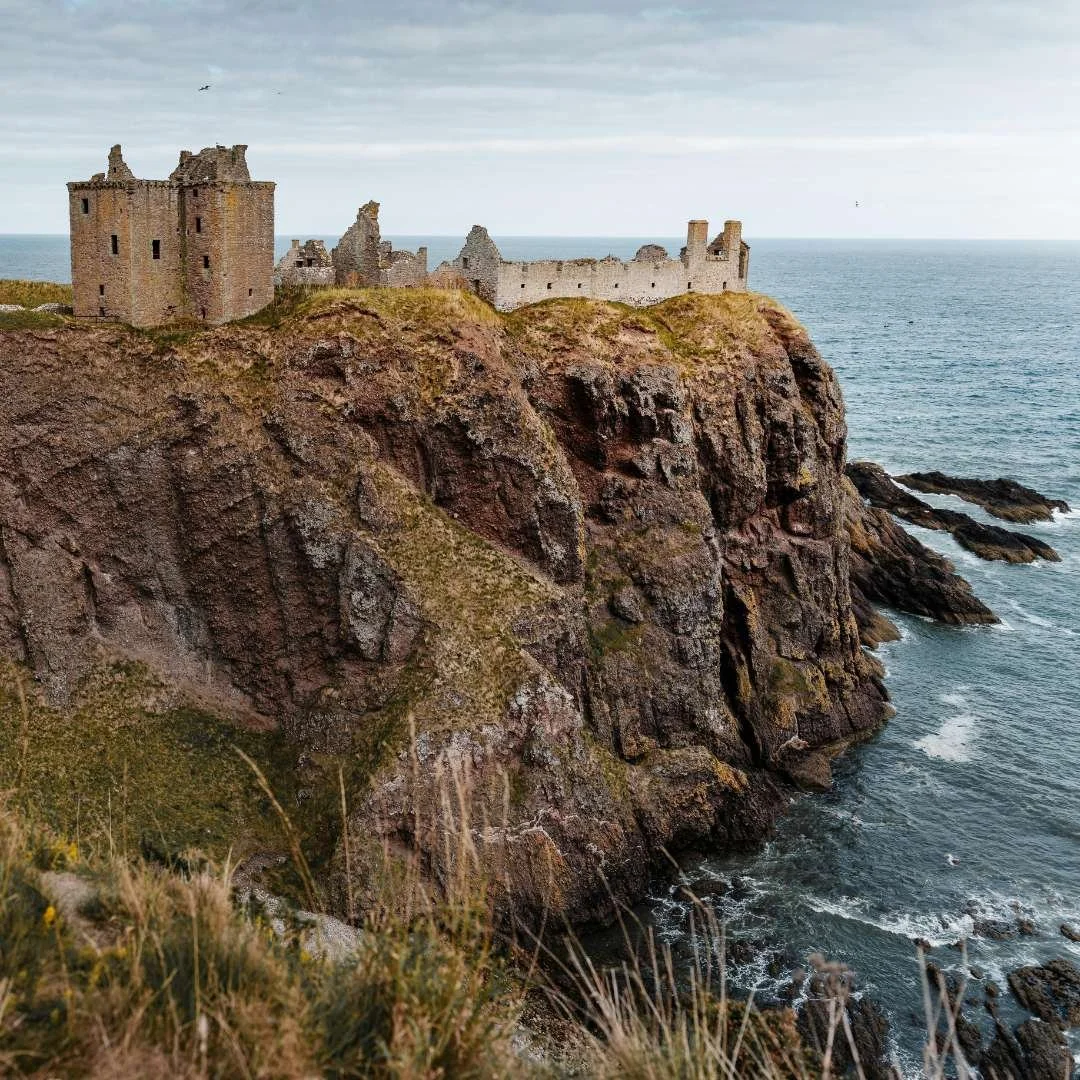
Dunnottar Castle
South of Aberdeen, the coast becomes more dramatic. On a rocky headland near Stonehaven, one of Scotland’s most striking ruins comes into view.
Dunnottar Castle stands in what feels like an almost impossible position, surrounded on three sides by steep cliffs and open sea.
Even before you know its history, the site has impact. You do not simply arrive at Dunnottar. You approach it across the landscape, seeing the cliffs, the sea, the narrow access, and the remains of walls that once made this one of the most formidable strongholds in the country.
Wind comes in hard from the North Sea. The grass moves across the headland. The ruin seems both exposed and protected.
And that combination is what makes Dunnottar so memorable. It is a place where the remains still feel tied to the rock beneath them.
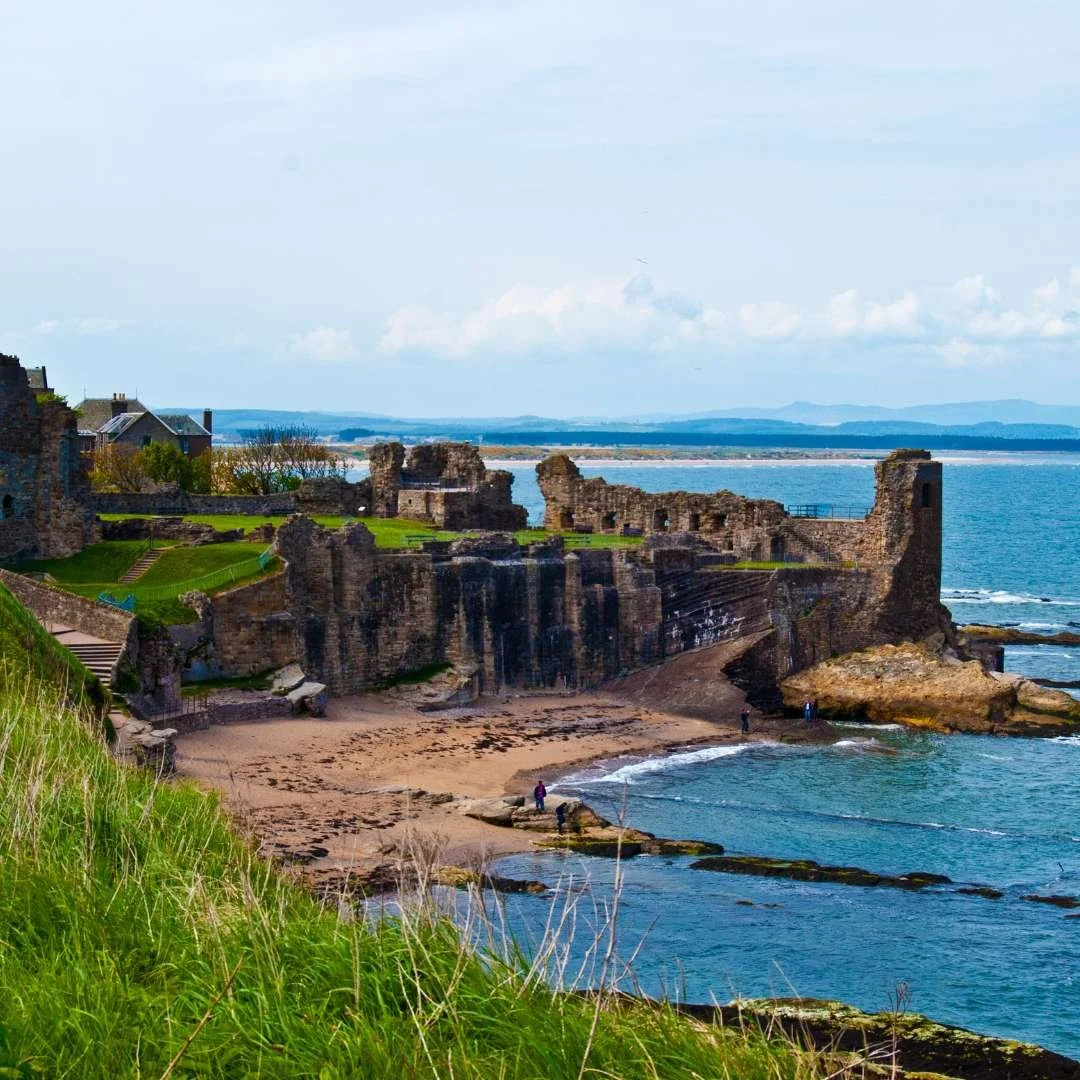
St Andrews
Not all of Scotland’s most important places are large.
St Andrews is relatively small, but its name carries unusual weight. It is known around the world for golf. It is also home to one of the oldest universities in the English-speaking world. And it is known for dramatic coastlines where ruined cathedral walls still face the North Sea.
That combination gives the town a very particular atmosphere. Students move through the old streets, golfers gather on courses that are part of sporting history, and visitors walk the beach, harbour and ruins.
St Andrews is one of those places where several Scotlands overlap. Religious history, academic tradition, international sport and east coast landscape all meet here.
Because of that, it has a character unlike anywhere else in the country. Not wild in the Highland sense, and not urban in the Glasgow or Edinburgh sense, but quietly distinctive and unmistakably Scottish.
Stirling
If Edinburgh represents the historic face of Scotland, Stirling often feels like one of the places where the national story becomes more concentrated.
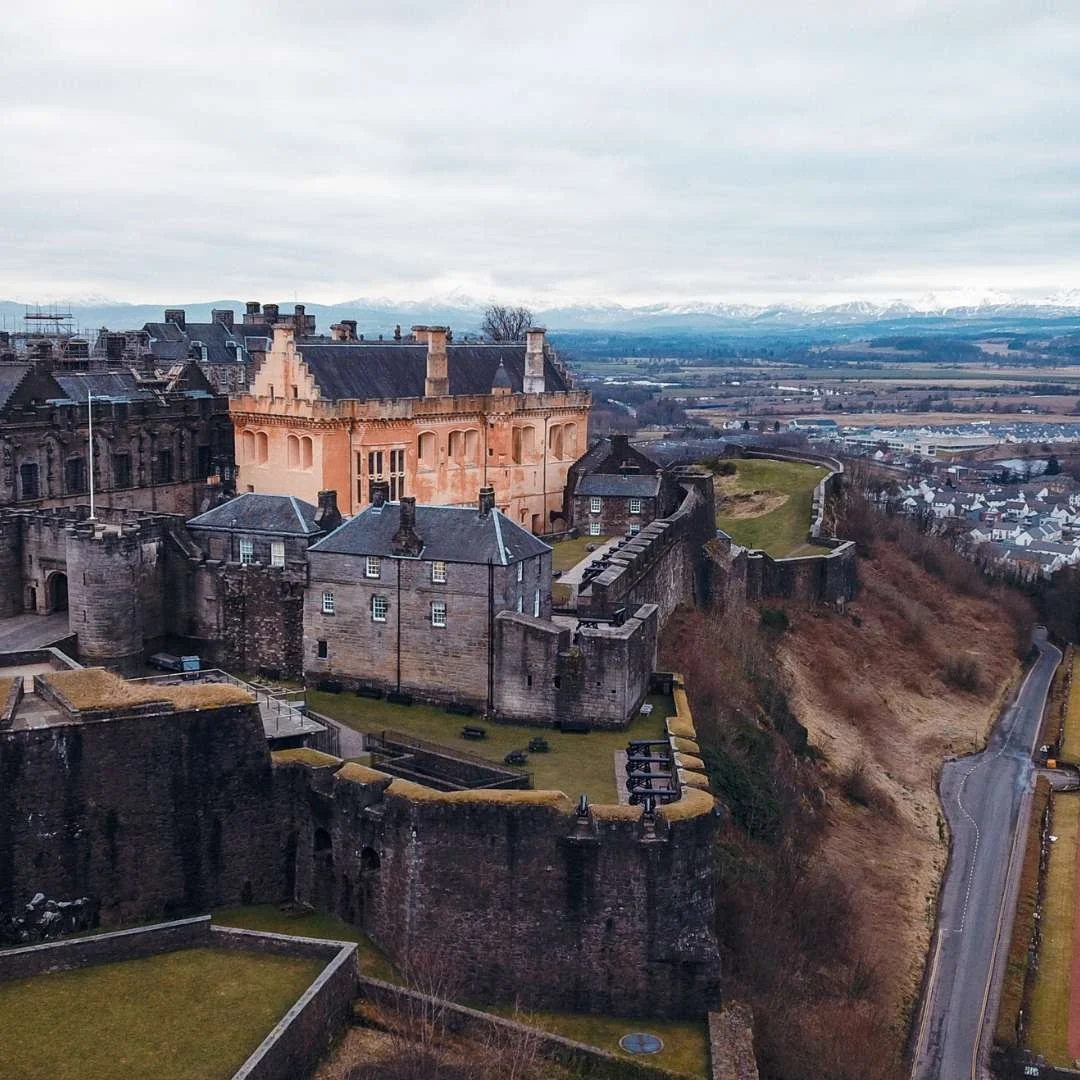
Rising above the town is Stirling Castle, one of the country’s great strongholds. Sitting high on volcanic rock, it dominates the surrounding landscape in much the same way Edinburgh Castle does, though with a totally different mood and scenery.
Here, the sense of military and political importance is especially strong. This was a place connected to kings, queens, battles and turning points in Scottish independence. Nearby lie landscapes associated with figures like William Wallace and Robert the Bruce.
And yet Stirling is not only about national symbolism. It is also simply a striking place. The streets of the old town climb upwards towards the castle, and the surrounding countryside seen from above is beautiful in its own right, full of soft green landscapes stretching in every direction.
For visitors interested in Scotland’s history, Stirling is an essential stop.
Doune Castle
Not every memorable castle in Scotland needs to be enormous.
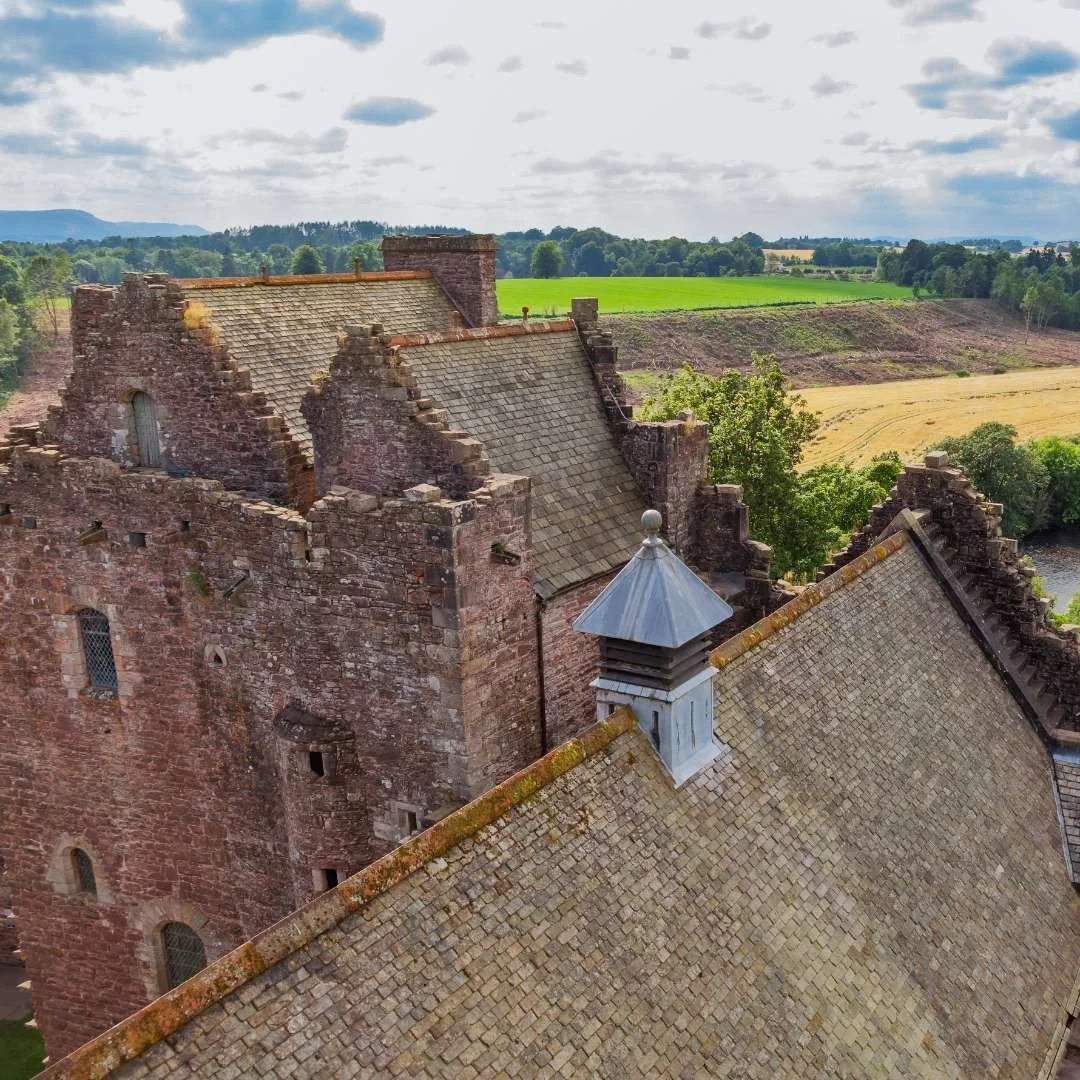
Doune Castle, sitting near the River Teith, has a different kind of appeal. It is more compact than Stirling, less imposing than Edinburgh, and yet in some ways easier to imagine as a place actually lived in.
Its great hall, tower and courtyard still hold a strong sense of structure. You can picture movement here. Daily life, feasting, conversation and the routines of the people who once passed through it.
But even without those associations, the castle stands on its own. It is solid, contained, and very well suited to the landscape around it.
Loch Lomond
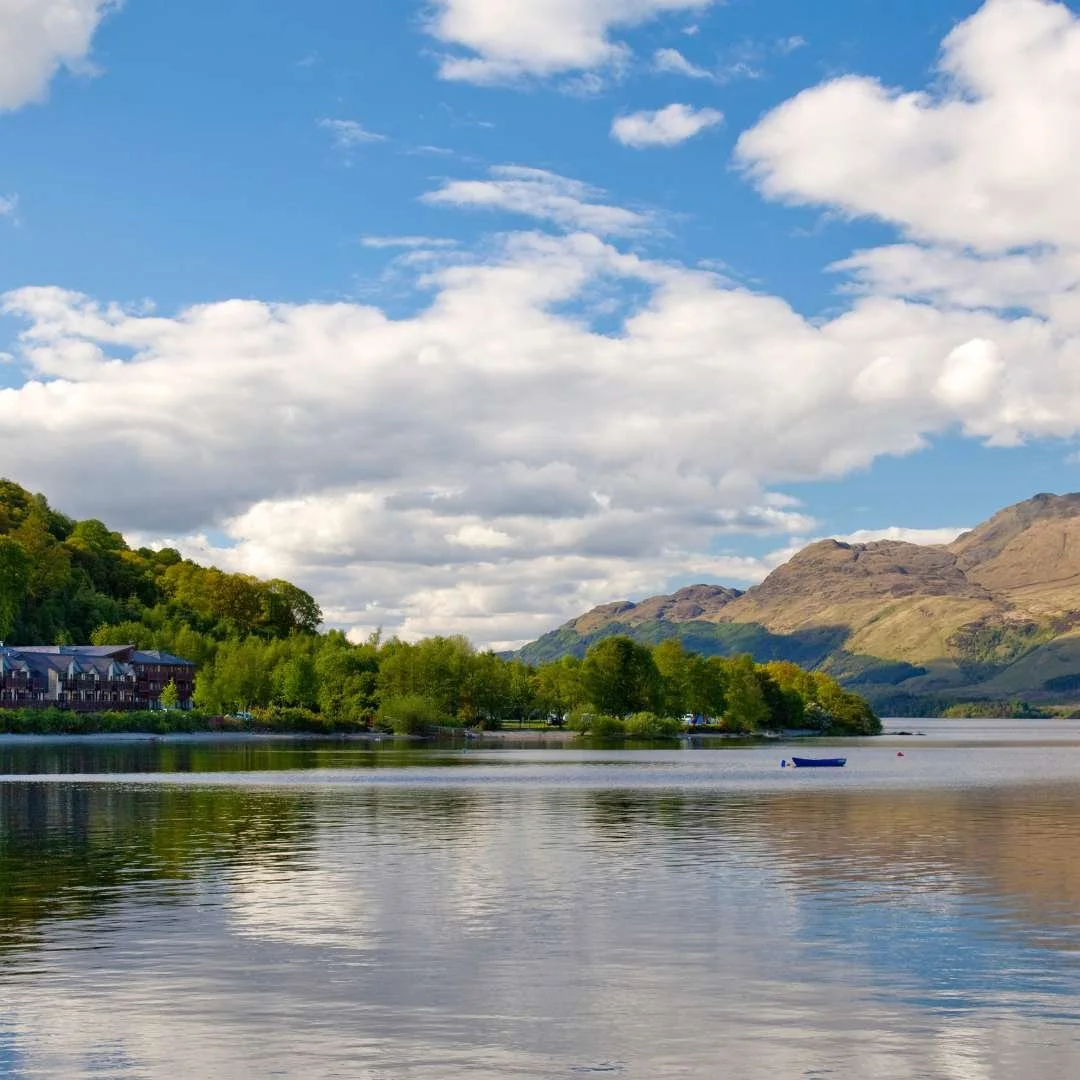
To the north-west of Glasgow lies Loch Lomond, one of the places where many people first feel that they are leaving the Lowlands behind and entering the more recognisable Highlands.
From certain viewpoints, you can look south and still see gentler, rolling land. On calm days, the loch is serene. People head out on paddleboards or boats. In rain and north wind, it shifts quickly into something moodier and more reflective of the wilder country beyond.
That transition is part of what makes Loch Lomond so memorable. It feels like a threshold.
Fort William and Ben Nevis
If Loch Lomond marks a beginning into the Highlands, Fort William places you firmly inside them.
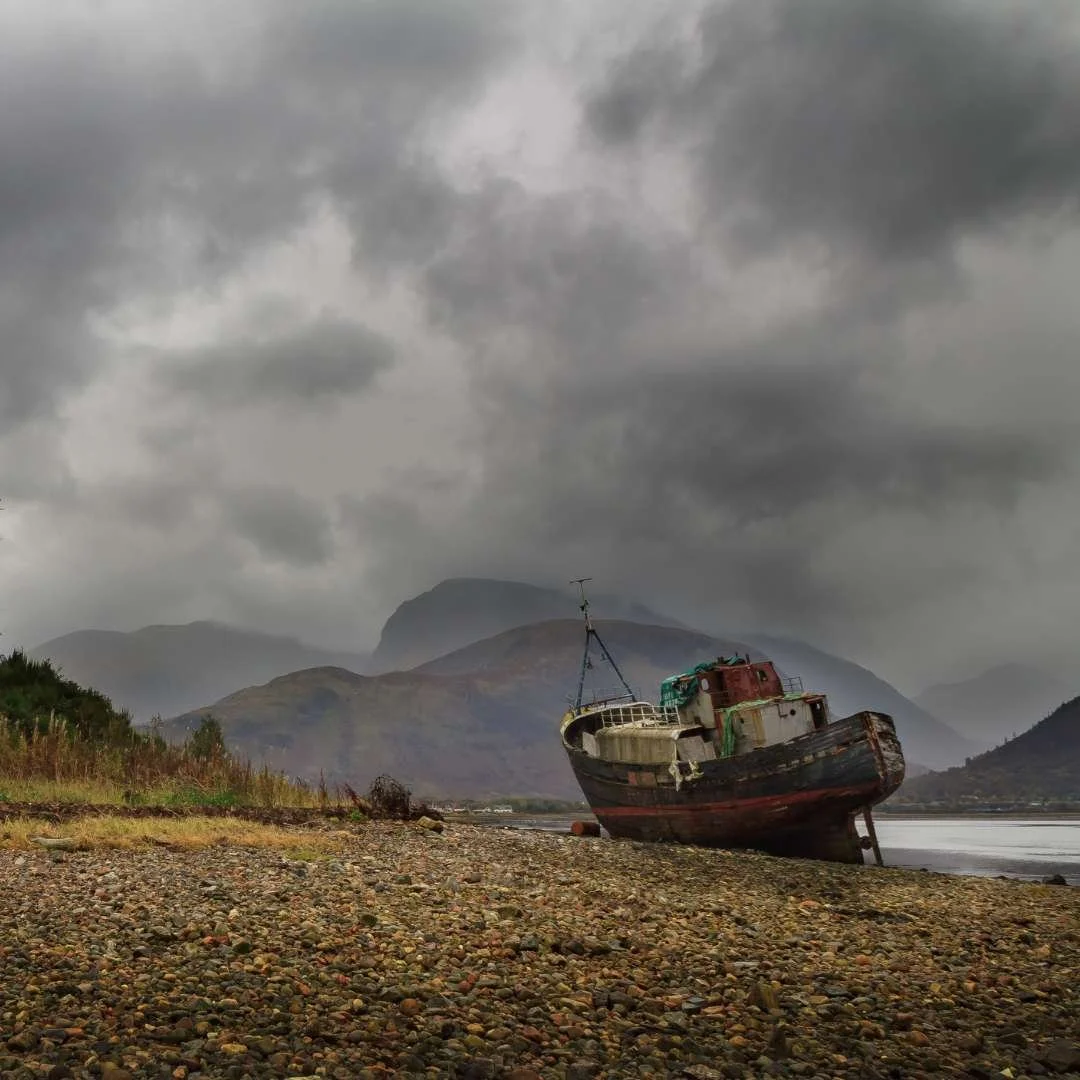
The town sits beneath some of the most imposing landscapes in the country, with Ben Nevis rising nearby, the highest mountain in Britain. Fort William has long been a practical Highland town, a base for walkers, climbers and travellers moving through the west.
It does not charm in quite the same way as some smaller villages, but its importance comes from where it is and the landscape that surrounds it.
Glenfinnan
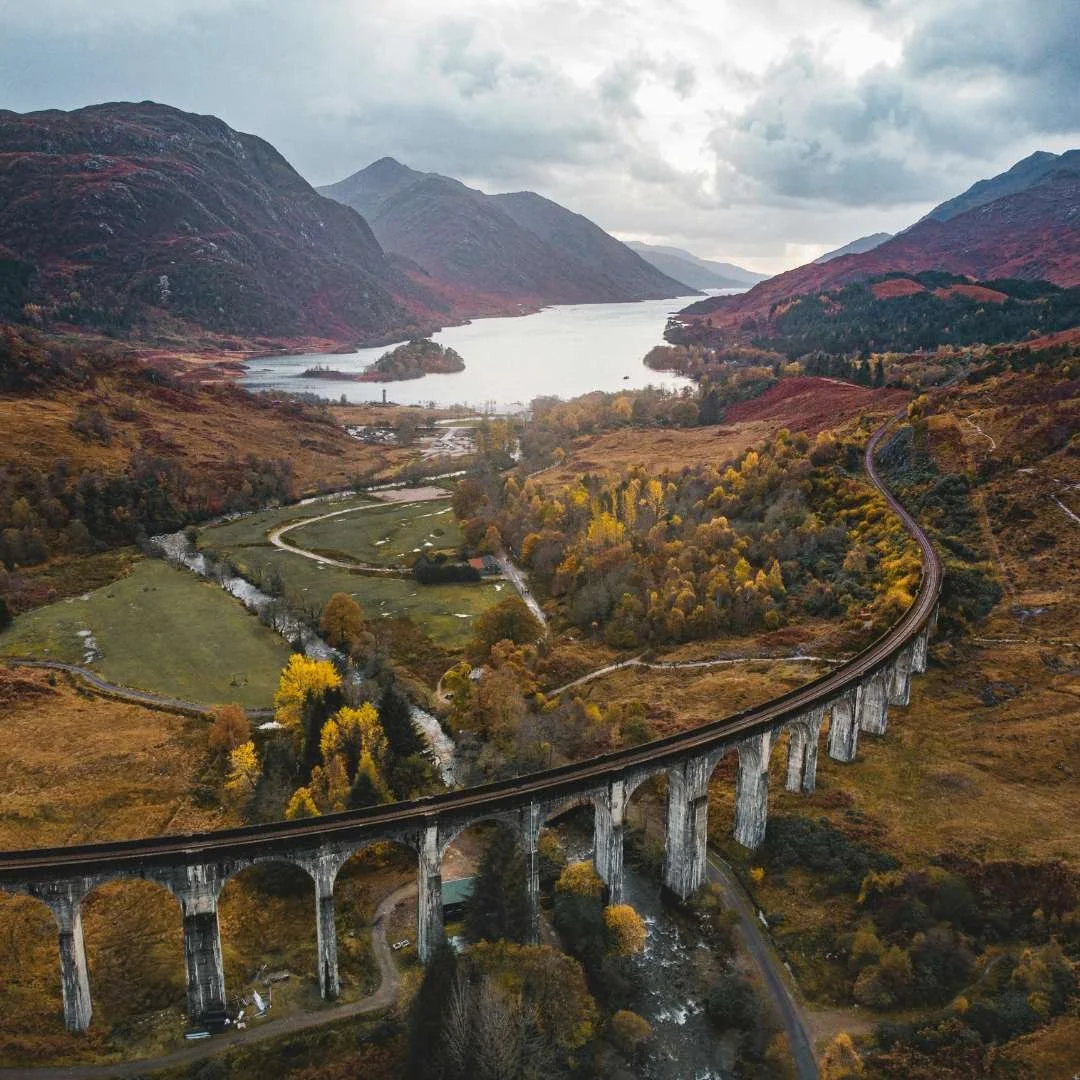
A short journey west of Fort William brings you to Glenfinnan, where one of Scotland’s best-known structures lies.
The Glenfinnan Viaduct is a railway bridge, famous around the world for its appearance in the Harry Potter films. But it is also simply a beautiful spot. Loch Shiel stretches out in the distance, and when a train crosses the viaduct, the whole scene feels cinematic by default.
Then there is the Glenfinnan Monument, marking the place where Bonnie Prince Charlie raised his standard in 1745 at the beginning of the Jacobite rising.
So once again, the landscape and the history come together. Visitors arrive for the beauty and perhaps the film connection, but they are also stepping into a place tied to one of the great emotional narratives of Scotland’s past.
That combination helps explain why Glenfinnan stays so firmly in people’s minds.
Isle of Arran
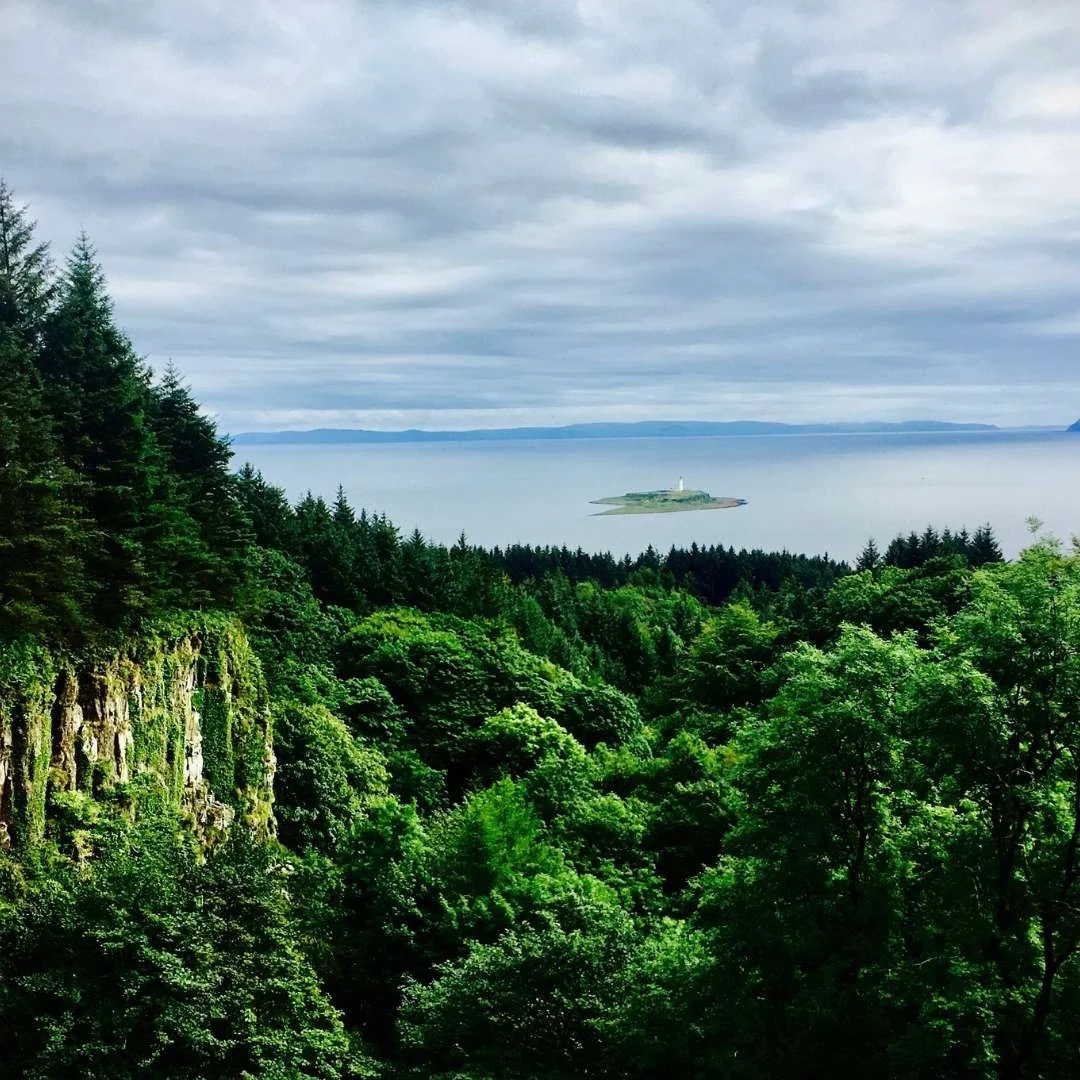
There is a reason Arran is often described as Scotland in miniature.
Within one relatively small island, you can find many of the things people associate with the country as a whole. Mountains, gentler grass-covered landscapes in the south, coastlines, castles, standing stones, forests and villages.
It is a place that brings together several different sides of Scotland in one small space.
And because Arran is so close to the mainland, it has long been one of the easier islands to reach. It is welcoming, accessible, and gives you that feeling of stepping into a different pace of life as soon as you arrive.
The ridge of Goat Fell gives Arran its more rugged Highland feel. The coastal roads and settlements balance that with something quieter and more lived-in.
Taken together, Arran offers a surprisingly full picture of Scotland in compact form.
Isle of Islay
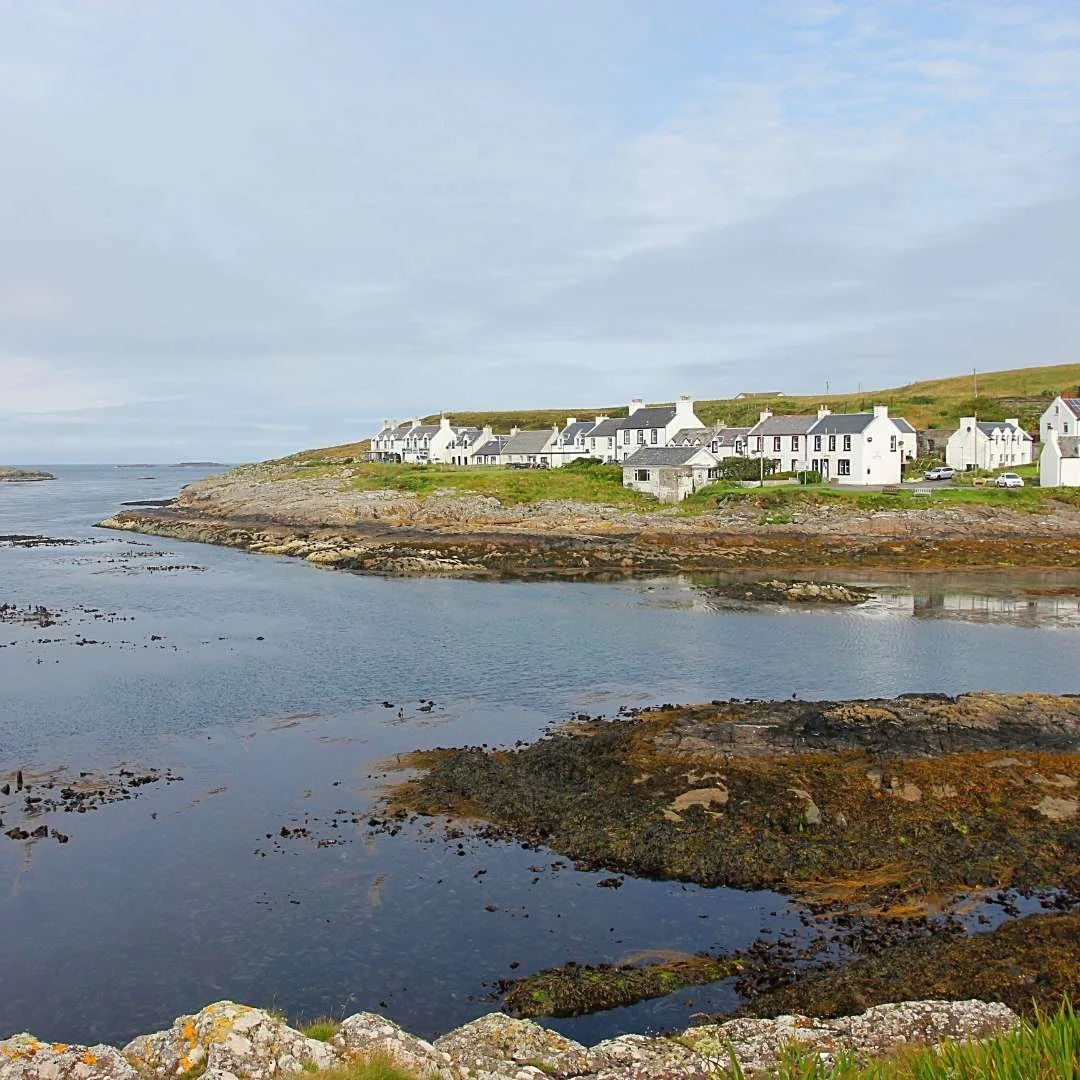
Further west lies Islay, an island known around the world for one thing in particular: whisky.
Its distilleries have made the name famous, especially among those who enjoy smoky peated single malts. It is a small island, but home to a remarkable number of working distilleries, making it one of Scotland’s great whisky destinations.
For visitors though, Islay is rarely just about tasting whisky. It is also about seeing where that character comes from. The peat, the water, the weather, and life on this Atlantic edge of Scotland.
That is what makes Islay special. Well, that and of course all the drams you might be tasting.
Outer Hebrides: Lewis and Harris
Some Scottish islands feel more connected to the mainland. The Outer Hebrides feel more remote.
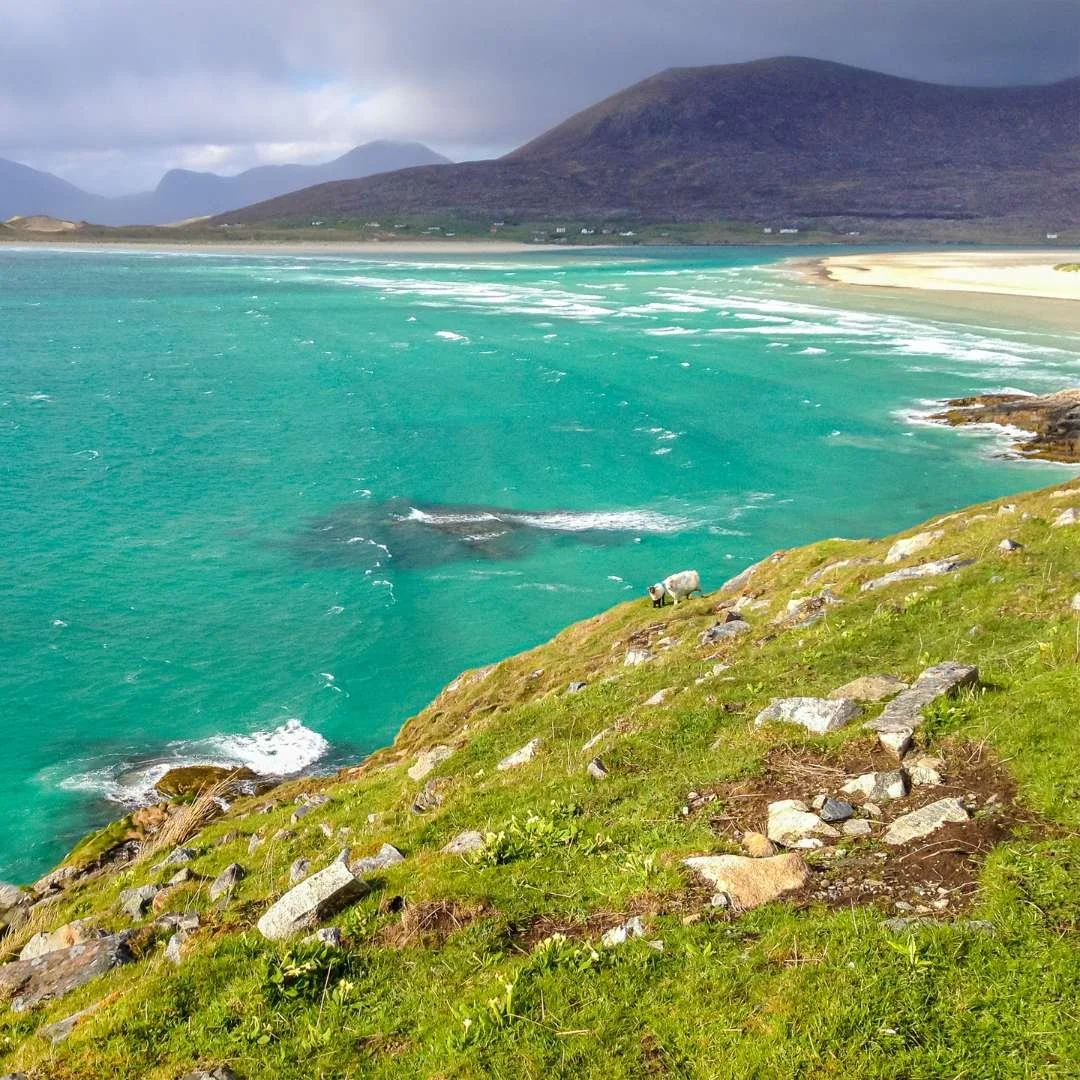
This long chain of islands off the west coast sits on the Atlantic edge, where weather, sea, landscape and language all come together in a slightly different way from mainland Scotland.
The sense of exposure here is strong. The beaches are stunning, with white sand and turquoise waters, though you may not always get the weather to match the colours. Settlements are often small, the roads are quiet and often single track, and life moves at a slower pace.
Gaelic also remains an important part of daily life, giving the islands a particularly strong sense of cultural identity.
Callanish Standing Stones
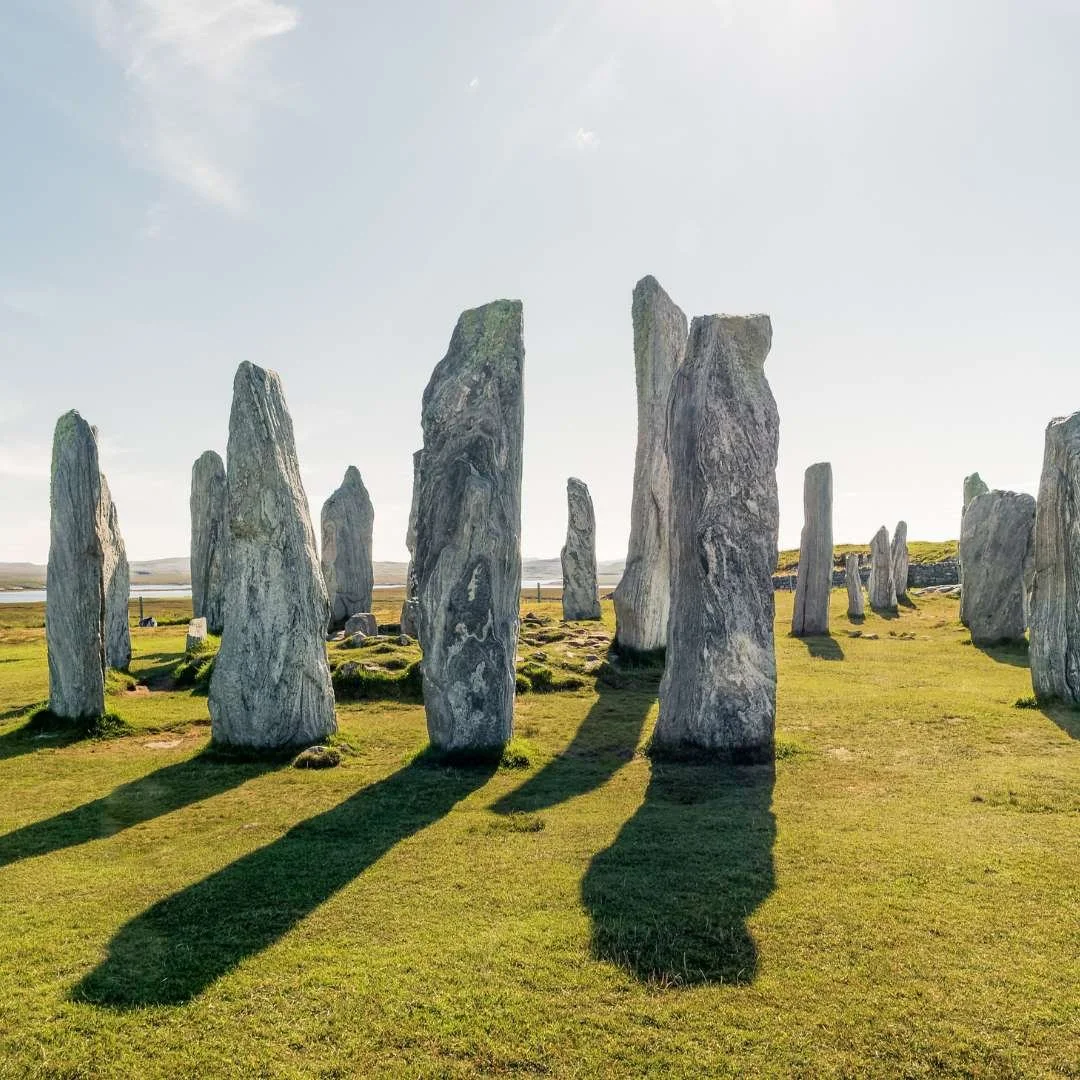
On the Isle of Lewis in the Outer Hebrides stands one of the most remarkable ancient sites in Scotland: the Callanish Standing Stones.
They rise from the moor in a formation that still feels mysterious today. Raised thousands of years ago, they belong to a much earlier Scotland, a prehistoric one.
The stones stand with a quiet authority in the open landscape, surrounded by peatland, low hills and the changing Hebridean sky.
It is one of those places that makes you feel the depth of time in Scotland particularly strongly.
Orkney
Far to the north, beyond the Scottish mainland, Orkney shows yet another side of the country.
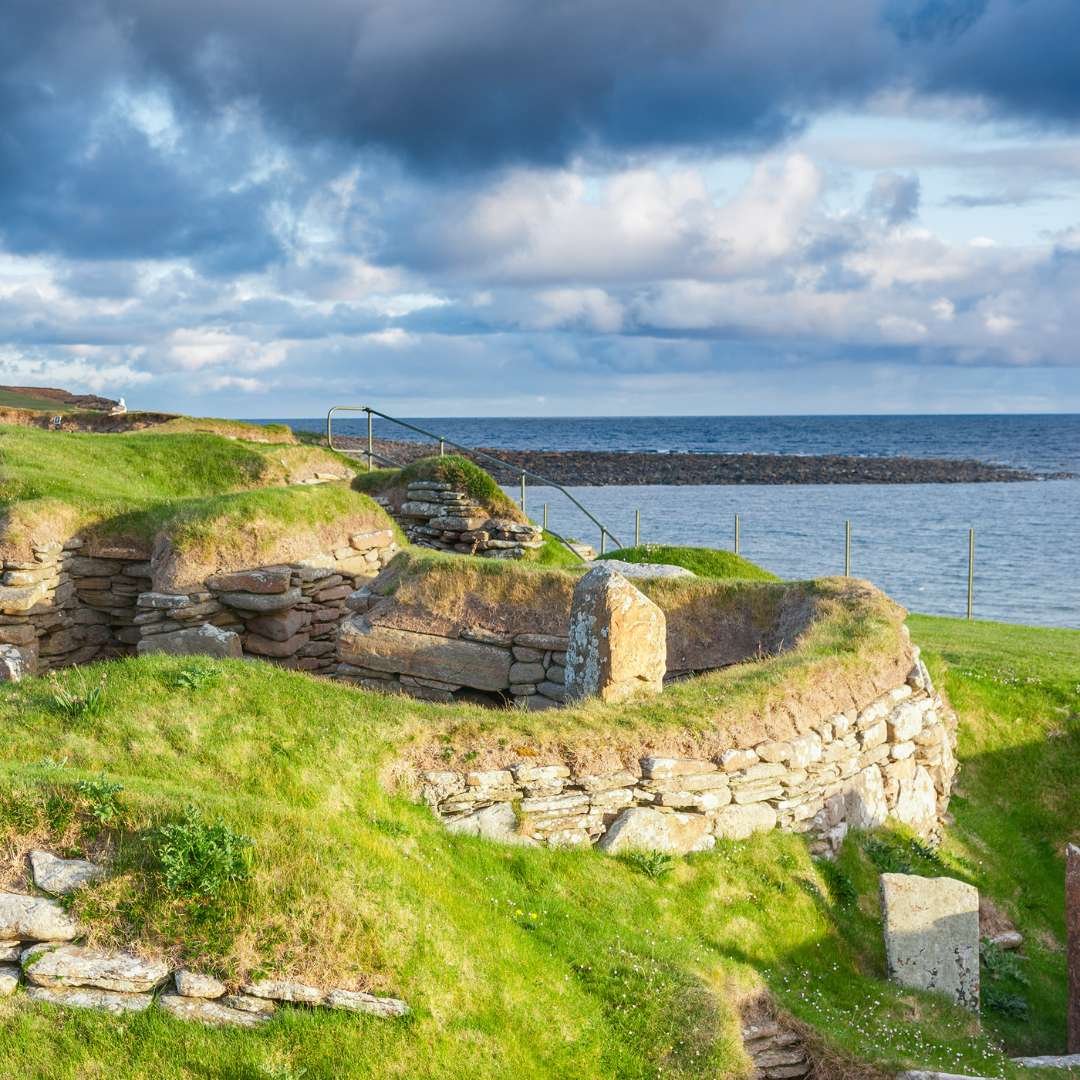
These islands do not immediately match the Highland image many visitors expect. They are lower, flatter and more open to the wind and the sea. But they are shaped by a long human history, and that is one of the great reasons people come here.
Prehistoric settlements, chambered cairns and stone circles survive with remarkable presence. Places like Skara Brae and the Ring of Brodgar remind visitors that some of Scotland’s earliest and most important history began not with castles and cities, but with farming communities and ceremonial landscapes thousands of years old.
But Orkney is not only about prehistory. Its story also includes strong Norse influence, maritime tradition and a continuing relationship with the sea.
That layering gives Orkney its particular character. It is northern, remote, but never empty. A place of deep history and long human presence on the edge of the North Atlantic.
And it is well worth a visit.
Come and experience Scotland’s Wild
Scotland is not one single place. It is cities, castles, mountains, islands and lochs, each with its own character. And that is what makes travelling here so rewarding.
You can cover a lot of ground in a relatively small country, but the experience keeps changing from one region to the next. So many of our visitors leave after their trip already wanting to come back and see more.
For those who want to experience Scotland in a more thoughtful and personal way, travelling with a small-group tour can make a real difference. With Experience Scotland’s Wild, you get the chance to see the highlights, but also to better understand the places in between, hear the stories, and be guided through the country in a more meaningful way.
Because in Scotland, those quieter moments are often the ones that stay with you the most.