

Scotland is packed with famous sights. From castles and lochs to Highland glens and dramatic islands, there is no shortage of places that make it onto postcards and travel bucket lists.
But beyond the best-known landmarks, there is another side to the country that often gets overlooked. It is a side of Scotland filled with quiet beauty, wild corners, deep history, character, and places that feel genuinely unexpected.
That is exactly what this video is about.
If you are planning a trip and want to go a little beyond the usual route, these are 20 places in Scotland that deserve far more attention.
1. Sandwood Bay
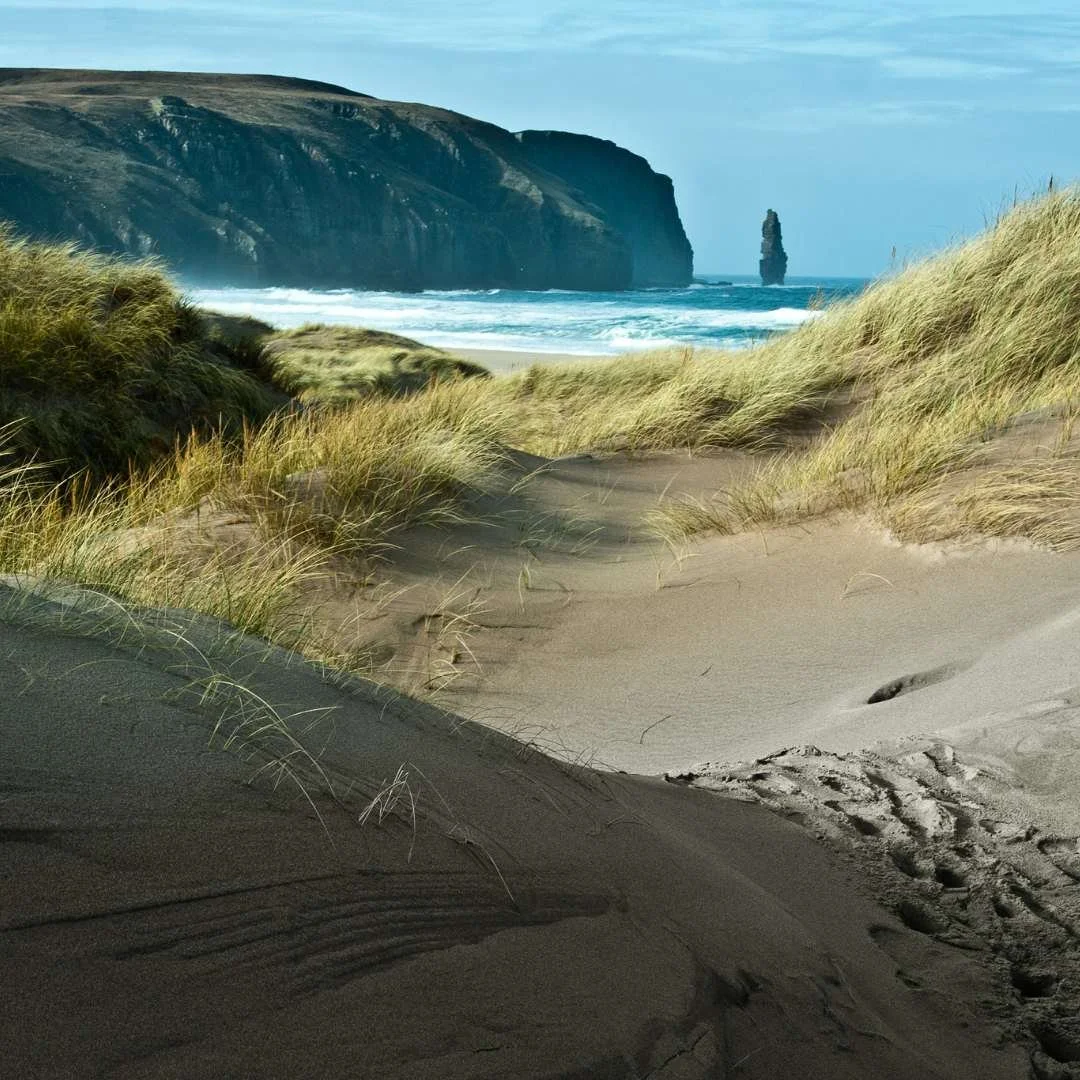
Hidden away on Scotland’s far north-west coast, Sandwood Bay feels like the edge of the world. It is one of those places that still feels truly remote, and that is a huge part of its appeal.
There are no roads leading directly to the beach, no cafés, no visitor centre, and no shortcuts. To reach it, you need to walk roughly four miles across open moorland. But when you finally arrive, the reward is extraordinary.
You are met with sweeping golden sand, crashing Atlantic waves, dunes, and the dramatic sea stack of Am Buachaille rising from the shore. It feels wild, quiet, and beautifully untouched. Sandwood Bay is often described as one of Britain’s most unspoilt beaches, and once you see it for yourself, it is easy to understand why.
2. Assynt
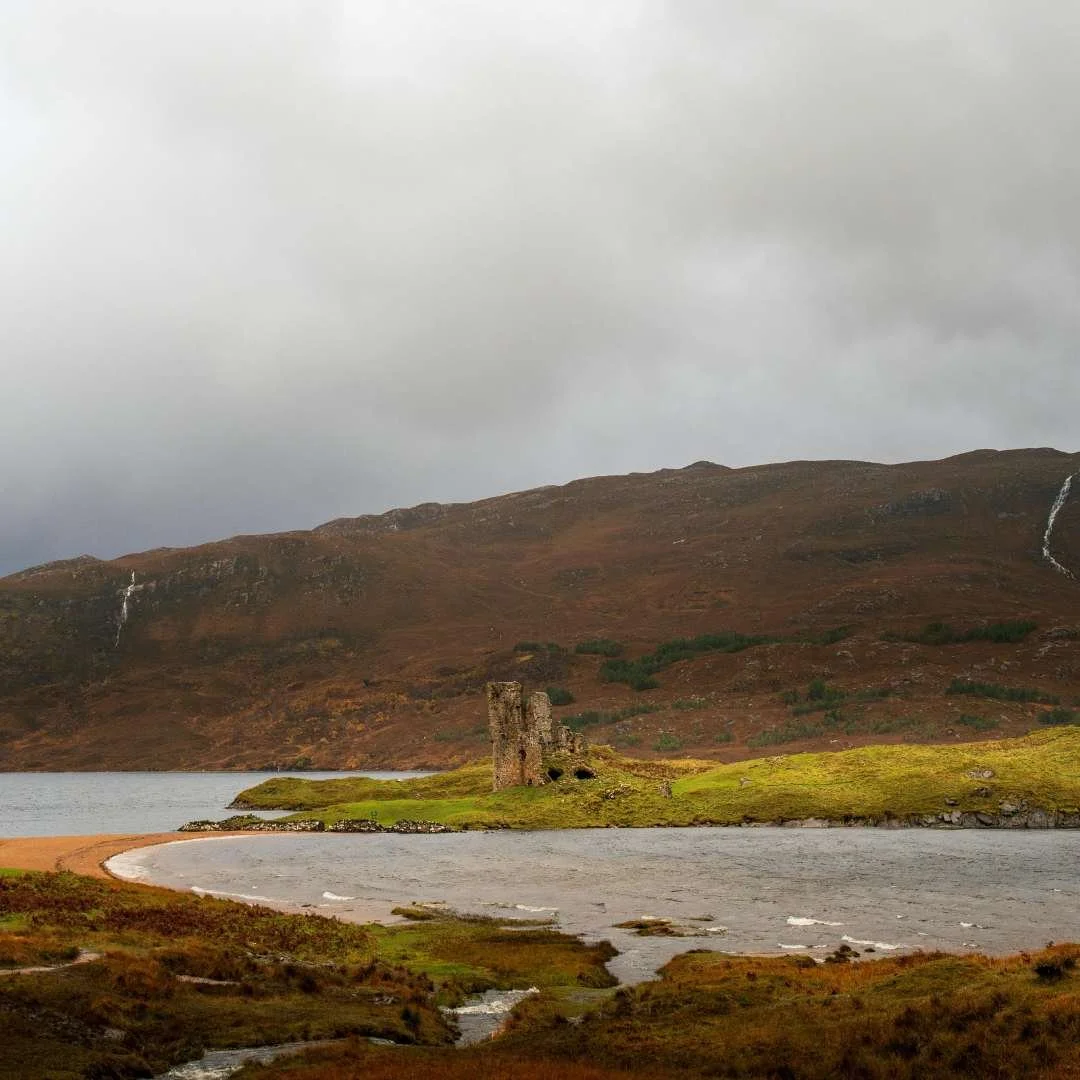
Assynt is one of the most striking and unusual landscapes anywhere in Scotland. Located in the north-west Highlands, just north of Ullapool, it has a raw, untamed quality that makes it unforgettable.
What makes Assynt so distinctive is the shape of the land. Instead of long mountain ranges, the peaks rise individually from the landscape, creating a skyline of isolated giants. Mountains like Suilven and Stac Pollaidh seem to stand alone above a patchwork of lochs, moorland, and winding single-track roads.
It is a photographer’s dream, but even if you are just passing through, it leaves a huge impression. With hundreds of freshwater lochs scattered across the area and some of the most dramatic scenery in the UK, Assynt feels both peaceful and otherworldly at the same time.
3. Knoydart Peninsula
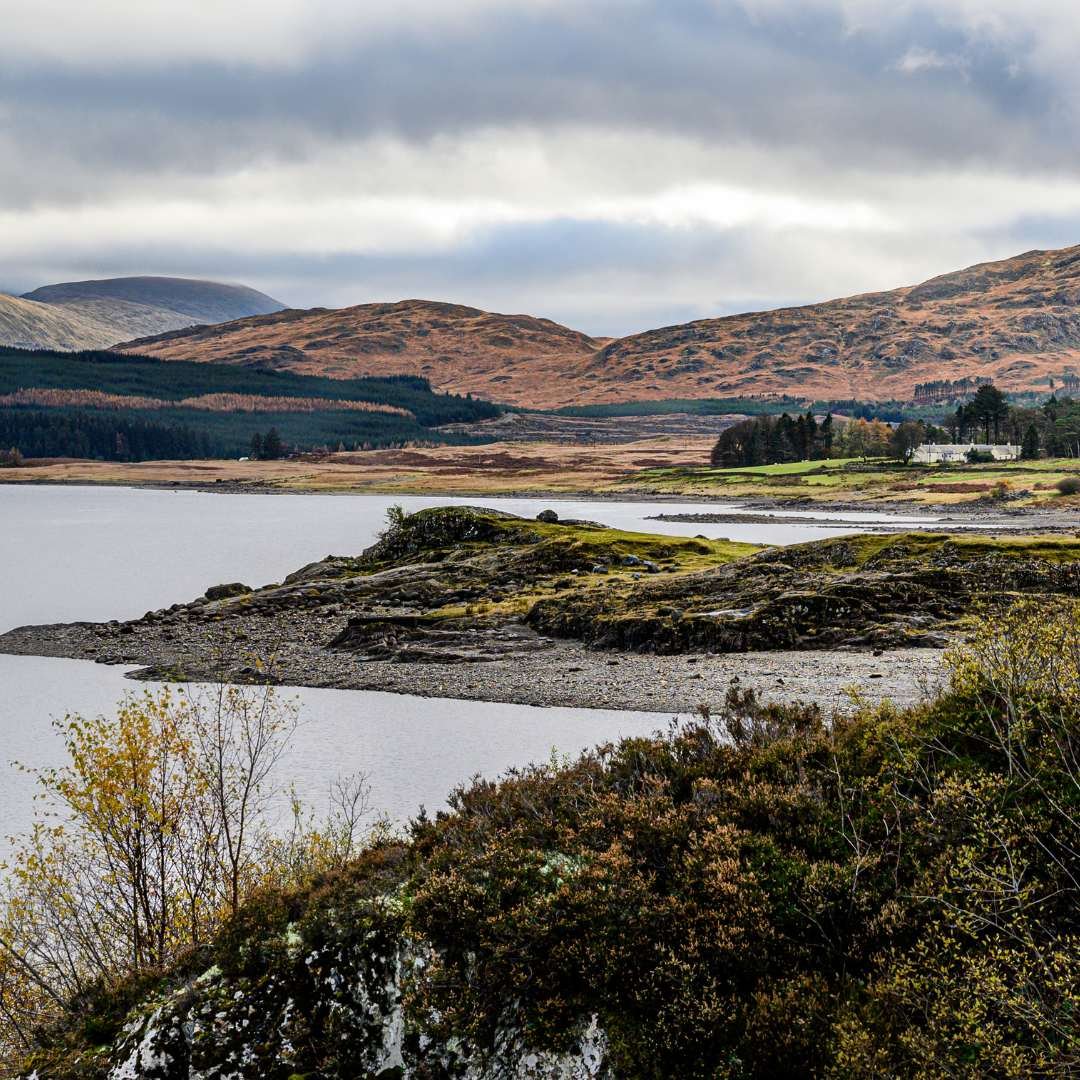
Knoydart is often described as Britain’s last wilderness, and it is easy to see why. This is a place where roads disappear and the sense of adventure really begins.
There are no public roads linking Knoydart to the mainland, so most visitors arrive either by boat or after a long and rugged hike. That lack of easy access is exactly what makes the peninsula so special. It has a feeling of isolation that is rare in modern Britain.
Once you arrive, you are met by towering mountains, sea lochs, roaming red deer, and an incredible sense of calm. Despite its remoteness, there is also a strong community spirit here. Knoydart is not about convenience. It is about wilderness, scenery, and experiencing Scotland in a much more stripped-back and authentic way.
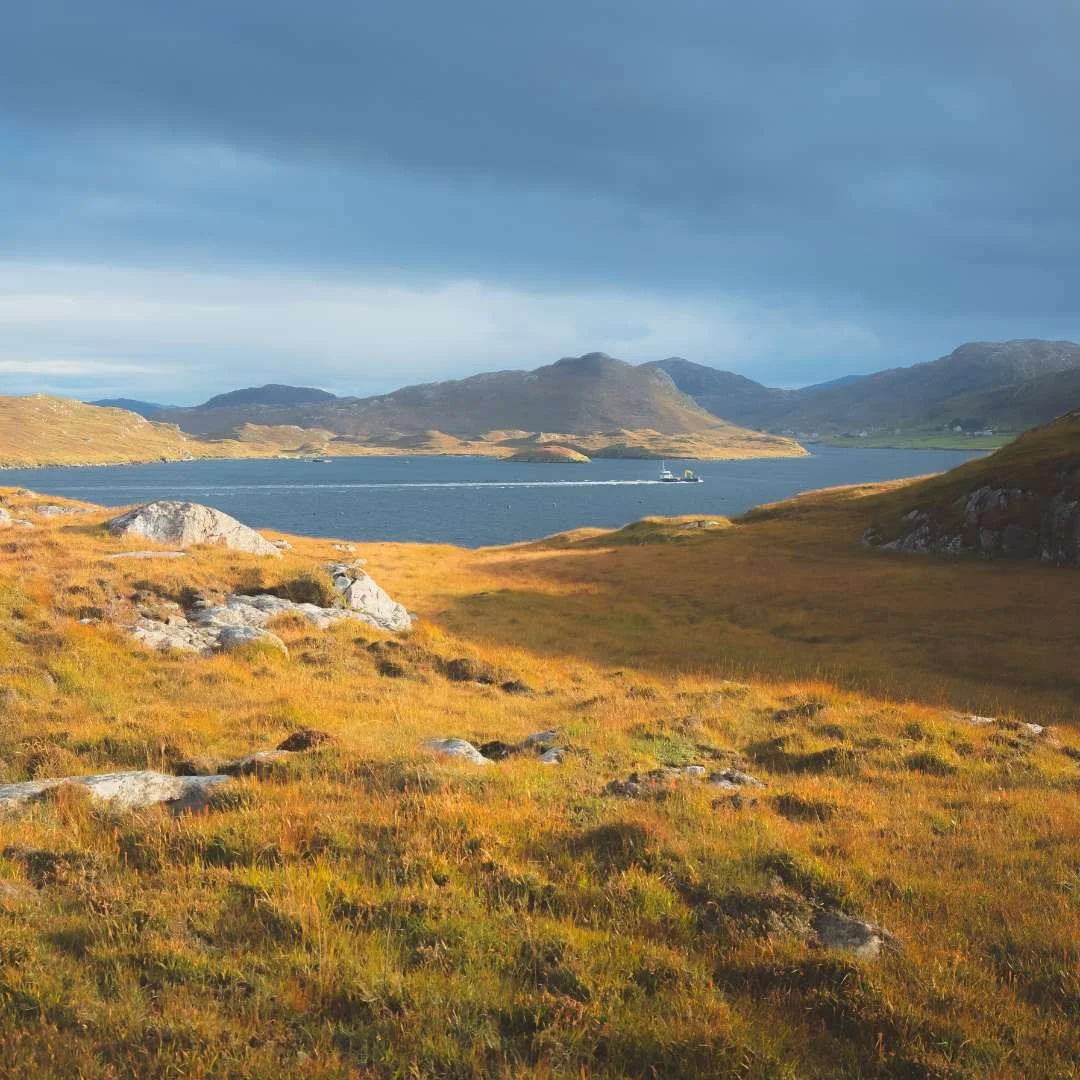
4. Isles of Lewis and Harris
Lewis and Harris offers a completely different side to Scotland. Shaped by the Atlantic and rich in culture, history, and dramatic coastline, it is one of the most memorable parts of the country.
The beaches here are stunning. Places like Luskentyre and Uig often look more like the Caribbean or the Maldives than the Outer Hebrides, especially on a bright day. White sand and turquoise water are set against wide open skies and moorland, with far fewer crowds than you might expect.
But these islands are about much more than scenery. Lewis in particular is steeped in history, from the famous standing stones at Callanish to Gearrannan Blackhouse Village and the many brochs scattered across the landscape. Gaelic culture remains strong too, woven into everyday life, music, and tradition. A trip to Lewis and Harris is atmospheric, beautiful, and full of depth.
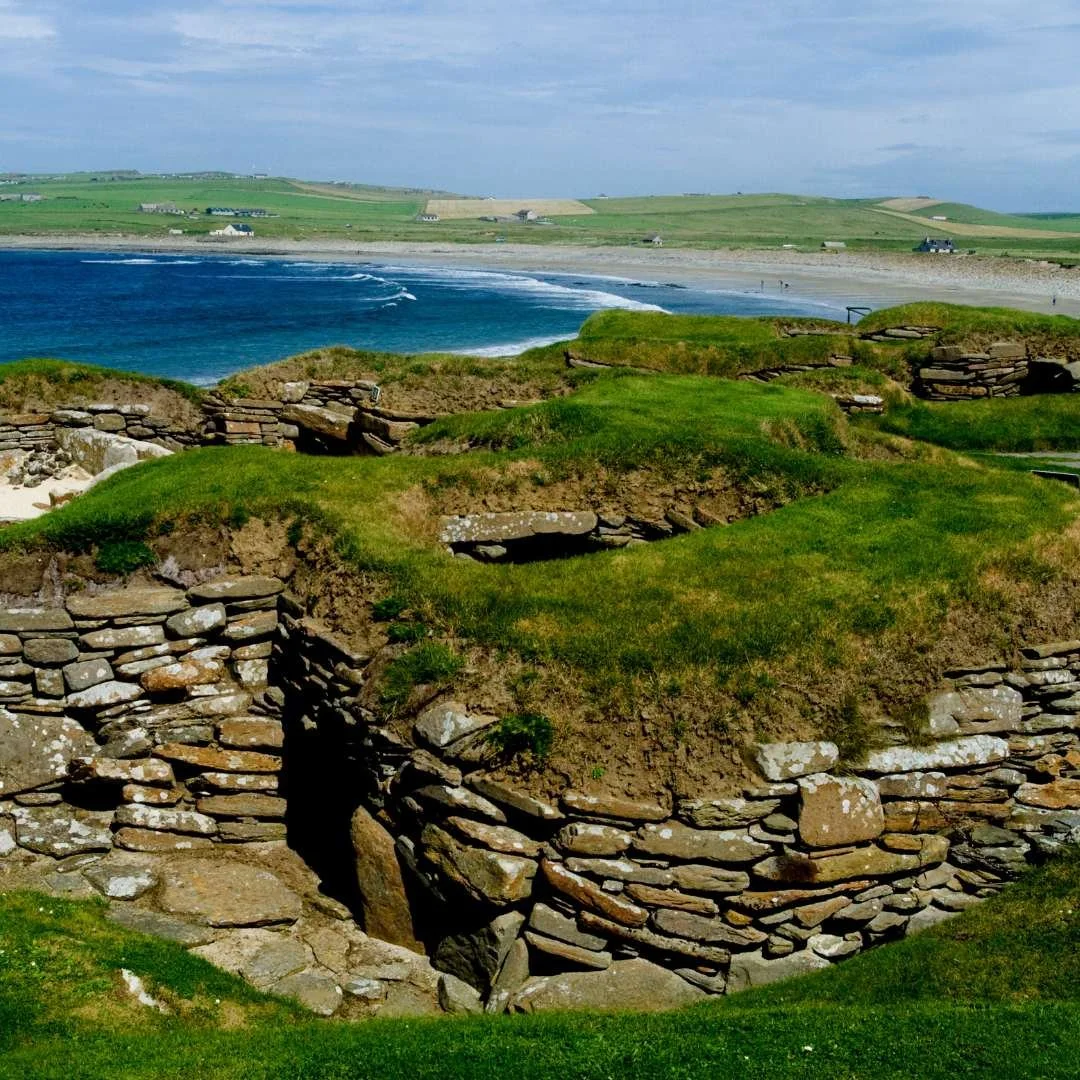
5. Skara Brae
Skara Brae is one of the most remarkable historic sites in Scotland. Located on Orkney, this prehistoric village is older than the pyramids and offers an extraordinary glimpse into life more than 5,000 years ago.
For thousands of years, it lay hidden beneath sand dunes until it was eventually uncovered by a storm. Today, it is one of the best-preserved Neolithic settlements in Europe.
Stone houses, passageways, and even ancient furniture can still be seen, giving visitors a rare and very tangible connection to the people who once lived here. Set against Orkney’s wild coastline, Skara Brae is not just fascinating archaeologically. It also makes you pause and think about how deep Scotland’s history really runs.
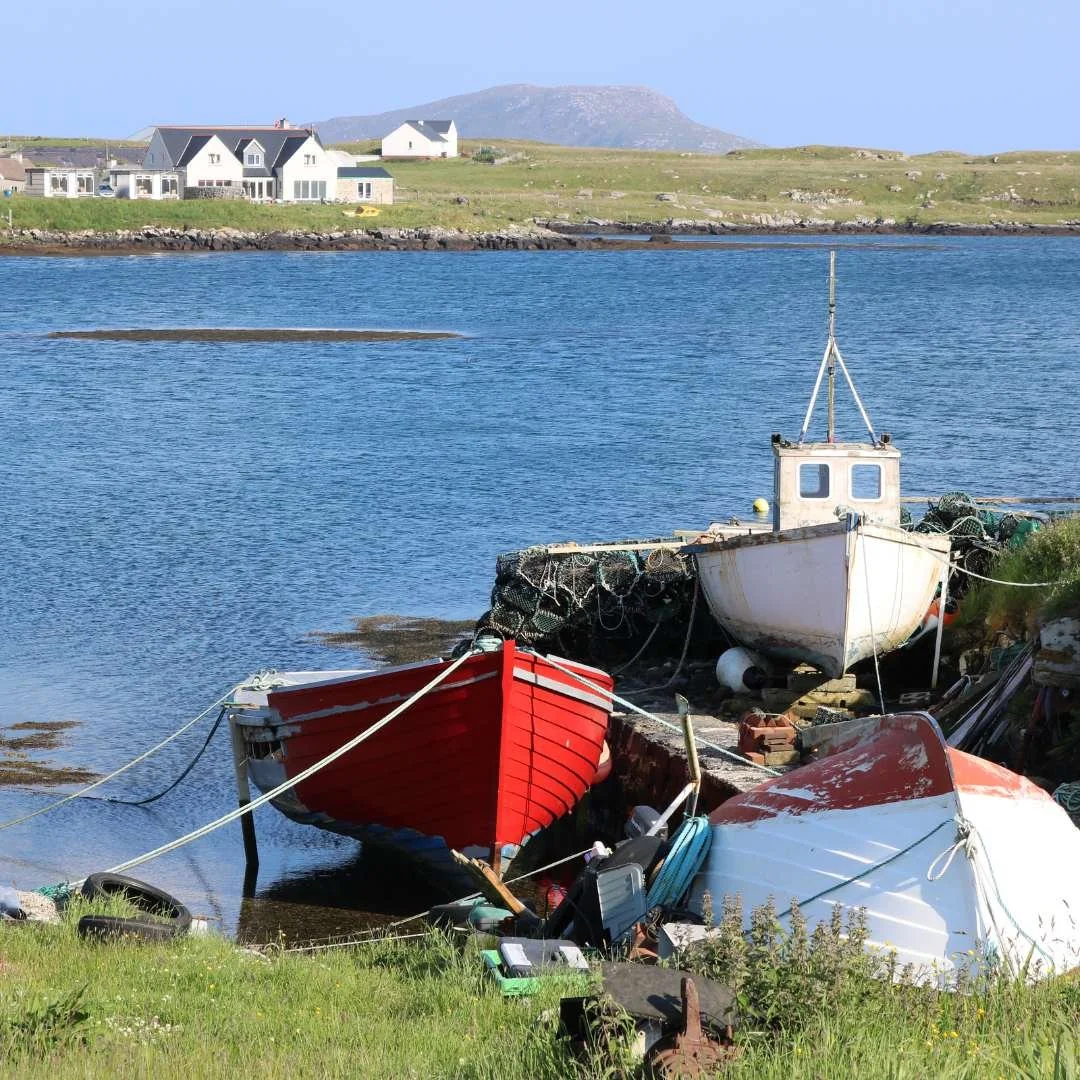
6. Isle of Barra
Barra may be small, but it has huge character. It is one of Scotland’s most charming islands and easily one of the most memorable.
It is best known for its beach airport, where scheduled flights land directly on the sand, but that is only one part of its appeal. Beyond that, Barra is a beautiful island of white beaches, clear waters, rugged hills, and quiet roads.
You can climb Heaval, the island’s highest point, for wide views across the Hebrides, or look out over Kisimul Castle sitting proudly in the bay. Barra feels relaxed, scenic, and full of personality. It is the kind of island that stays with you.
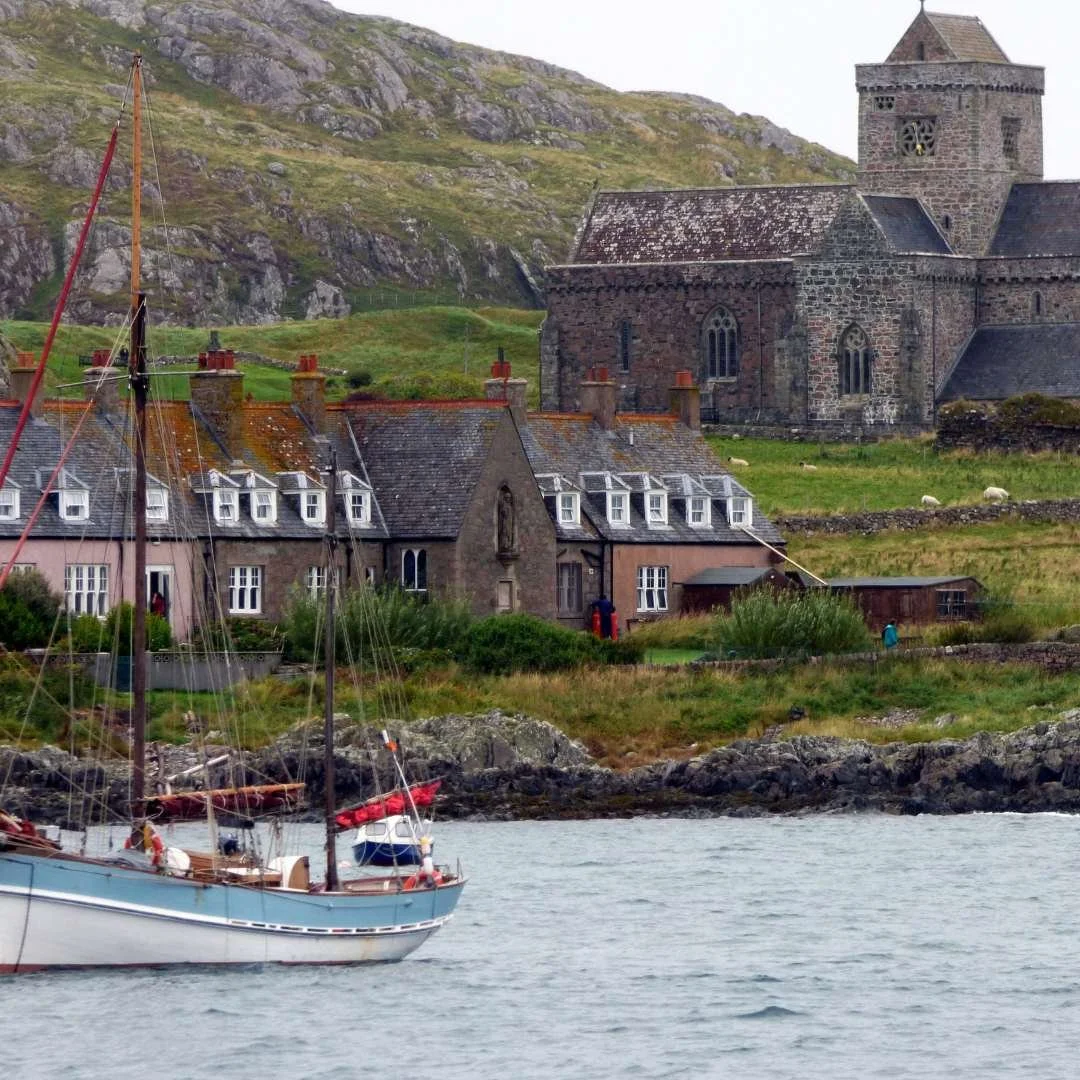
7. Isle of Iona
Peaceful, spiritual, and undeniably beautiful, Iona is one of Scotland’s most special islands.
Lying just off Mull, it is widely known as the birthplace of Christianity in Scotland, and Iona Abbey still draws visitors from all over the world. Its spiritual significance is a huge part of the island’s identity.
But even for those without a particular interest in its religious history, Iona is worth visiting for its atmosphere alone. The beaches are bright and beautiful, the waters are clear, and there is a stillness here that feels very different from many other places. Cars are generally not used by visitors, which adds to the calm. Whether you explore on foot or by bike, Iona has a rare sense of quiet.
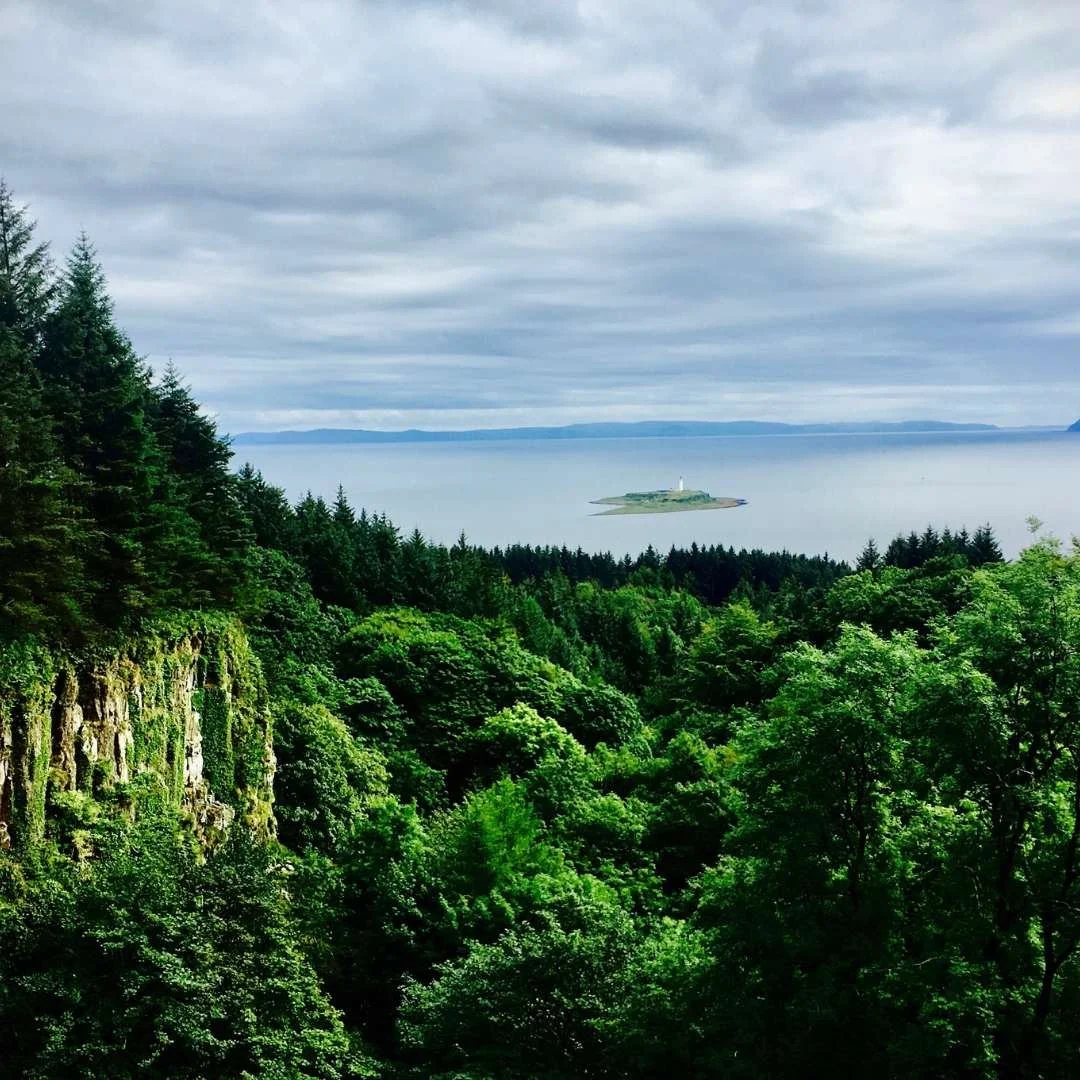
8. Isle of Arran
Arran is often called “Scotland in miniature”, and it is one of the best examples of how much variety can fit into one island.
In the north, the landscape is mountainous and dramatic, with Goatfell dominating the skyline and offering superb views across the Firth of Clyde. In the south, things soften into rolling hills, woodland, and gentler coastline.
Arran also has castles, standing stones, whisky, beaches, caves, and charming villages, all within a relatively easy distance of one another. For anyone wanting a little bit of everything Scotland has to offer without travelling too far, Arran is hard to beat.
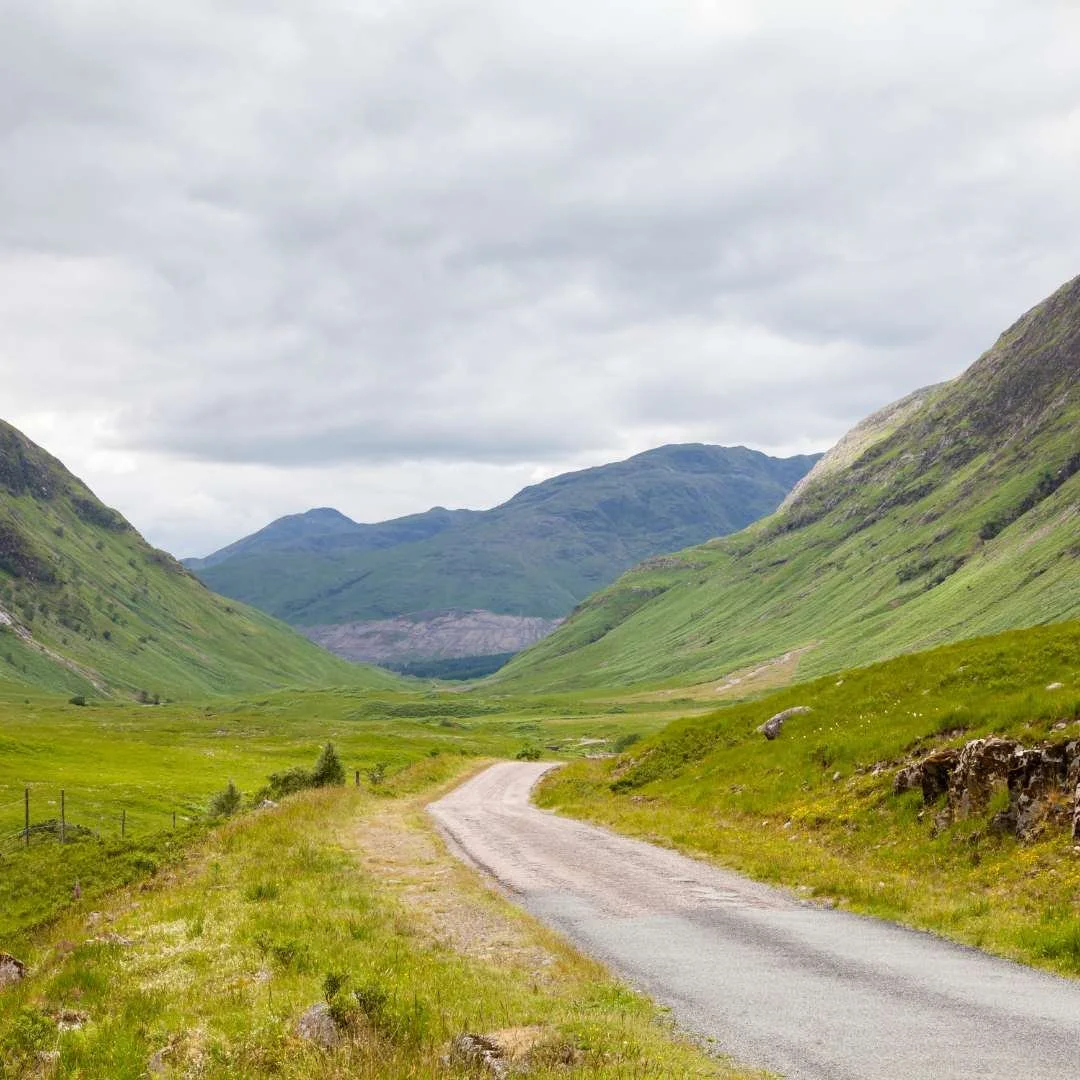
9. Glen Etive
If you are looking for a truly cinematic Highland landscape, Glen Etive delivers.
The single-track road into the glen winds through dramatic scenery, following the River Etive as steep mountains rise around you. It is one of those drives where the journey itself is the highlight.
On a clear day, the scale of the landscape is impressive enough. On a misty day, it becomes even more atmospheric, with the whole glen taking on an almost otherworldly feel. Glen Etive is perfect for a scenic drive, a short walk, or simply stopping the car and taking in the silence and scale of the Highlands.
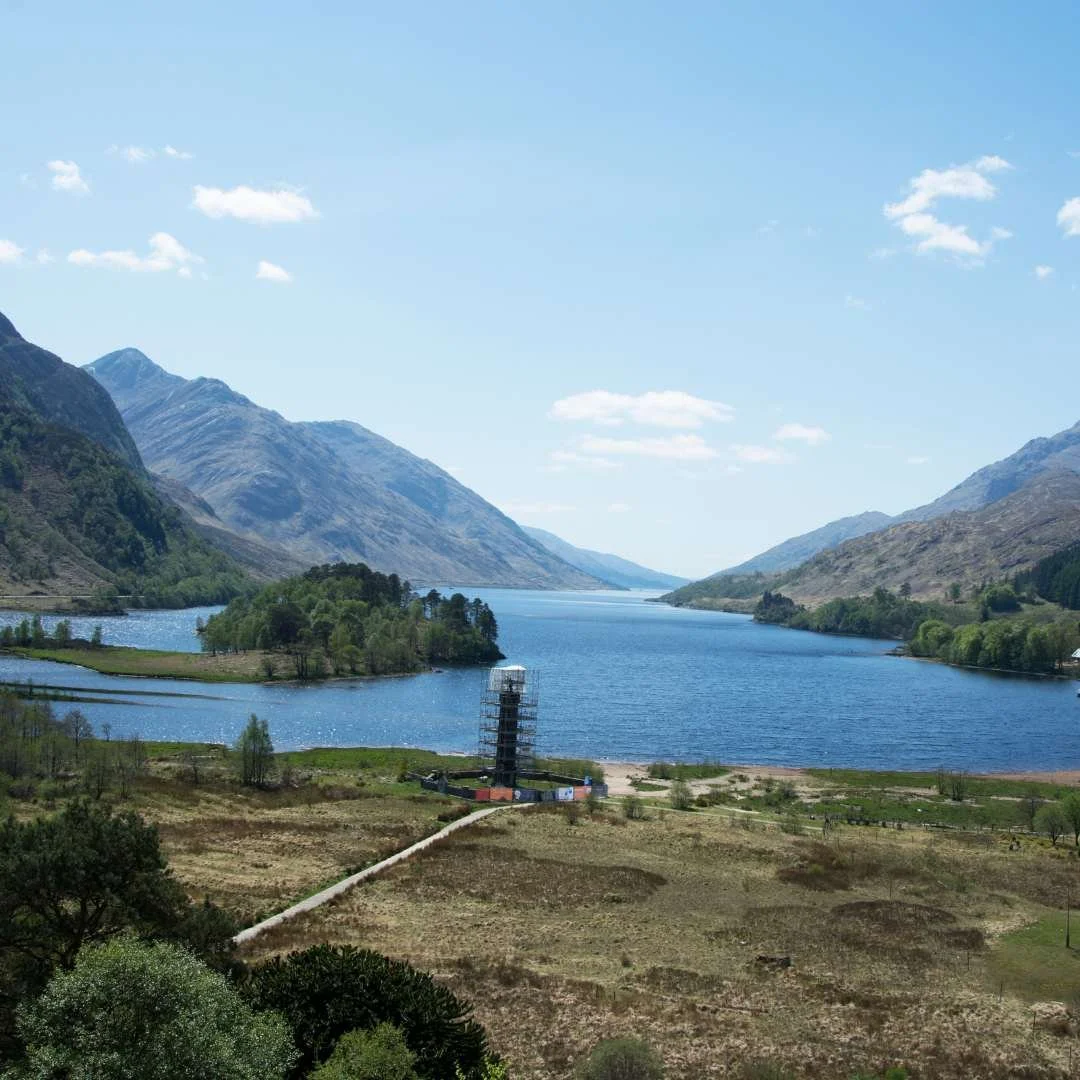
10. Loch Shiel
With so many lochs across Scotland, it takes something special to stand out, and Loch Shiel certainly does.
Long, narrow, and framed by mountains, it stretches through some of the west Highlands’ most dramatic scenery. At its head stands the Glenfinnan Monument, adding even more presence to an already impressive setting.
On a calm day, the reflections here can be extraordinary, with the surface of the loch acting like glass. There is something about Loch Shiel that feels deeply cinematic, but never forced. It is simply a beautiful example of a Scottish loch at its most atmospheric.
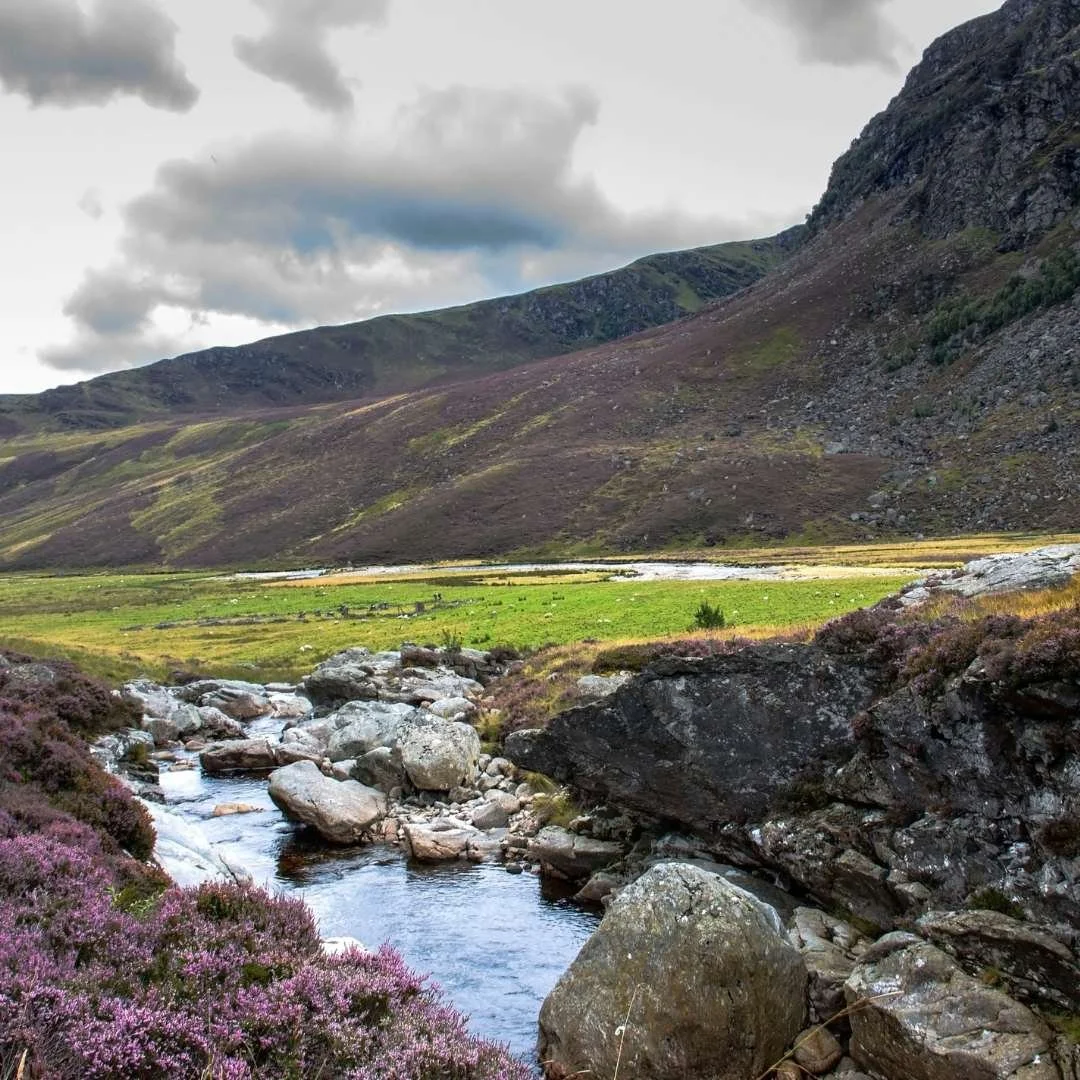
11. Cairngorms National Park
The Cairngorms is the UK’s largest national park, and it offers an incredible range of landscapes and experiences.
This is a region of sweeping mountain plateaus, ancient Caledonian pine forests, lochs, rivers, and rich wildlife. It feels vast, and there is always more to explore.
In winter, the Cairngorms becomes a snowy playground for walking and snowsports. In summer, it opens up for hiking, cycling, watersports, and long scenic days outdoors. Towns like Aviemore make excellent bases, but the real draw is the space, beauty, and sense of adventure the park offers.
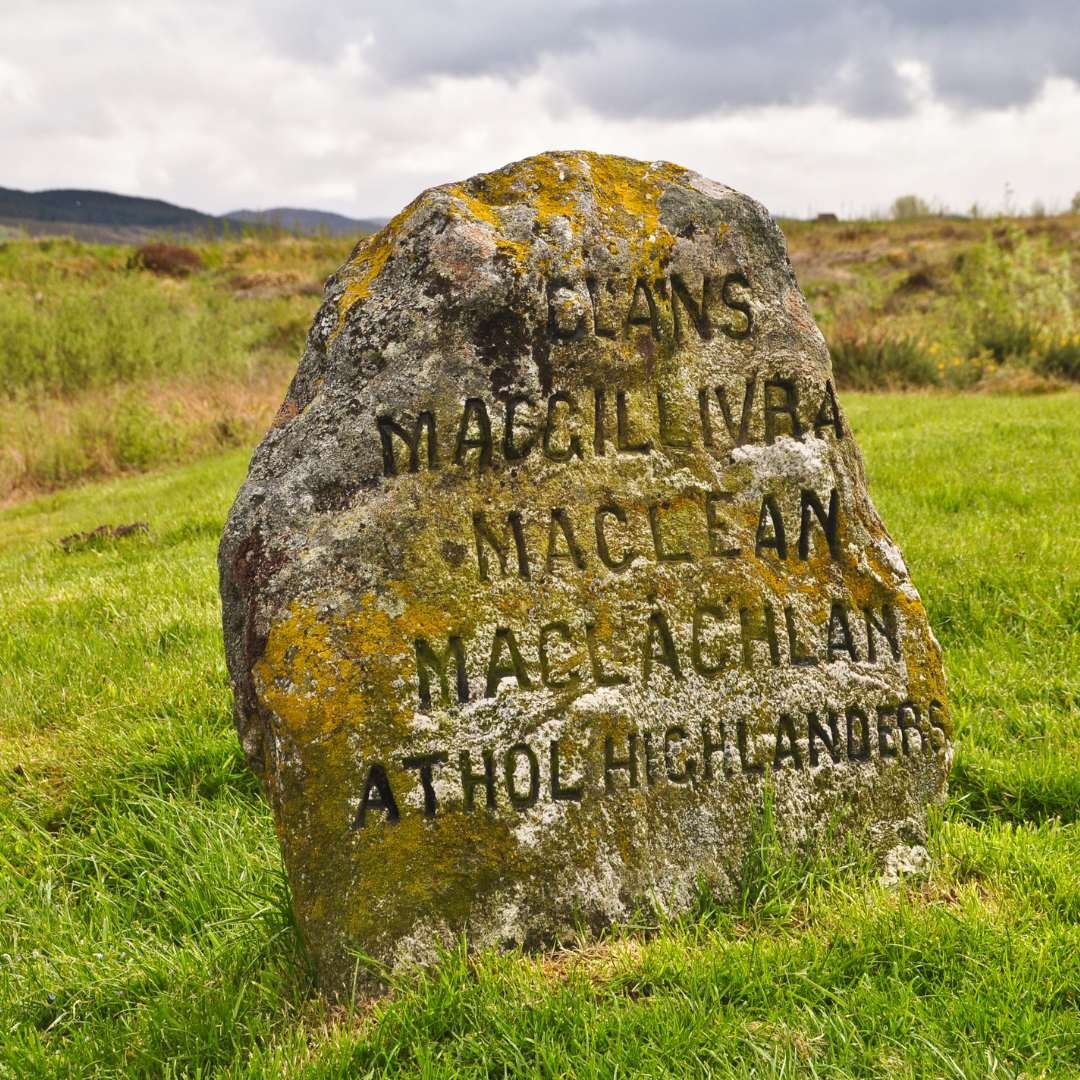
12. Culloden Battlefield
Culloden is one of the most powerful historic sites in Scotland. It is not simply somewhere to visit. It is somewhere to feel.
It was here in 1746 that the final Jacobite rising came to a devastating end. The battle itself lasted less than an hour, but its consequences reshaped Highland life and left a mark that is still felt today.
The battlefield is quiet now, open and windswept, with clan markers and a memorial cairn standing across the moor. Walking here can be deeply moving. Culloden is a place of remembrance as much as history, and it remains one of the most emotionally significant places in the country.
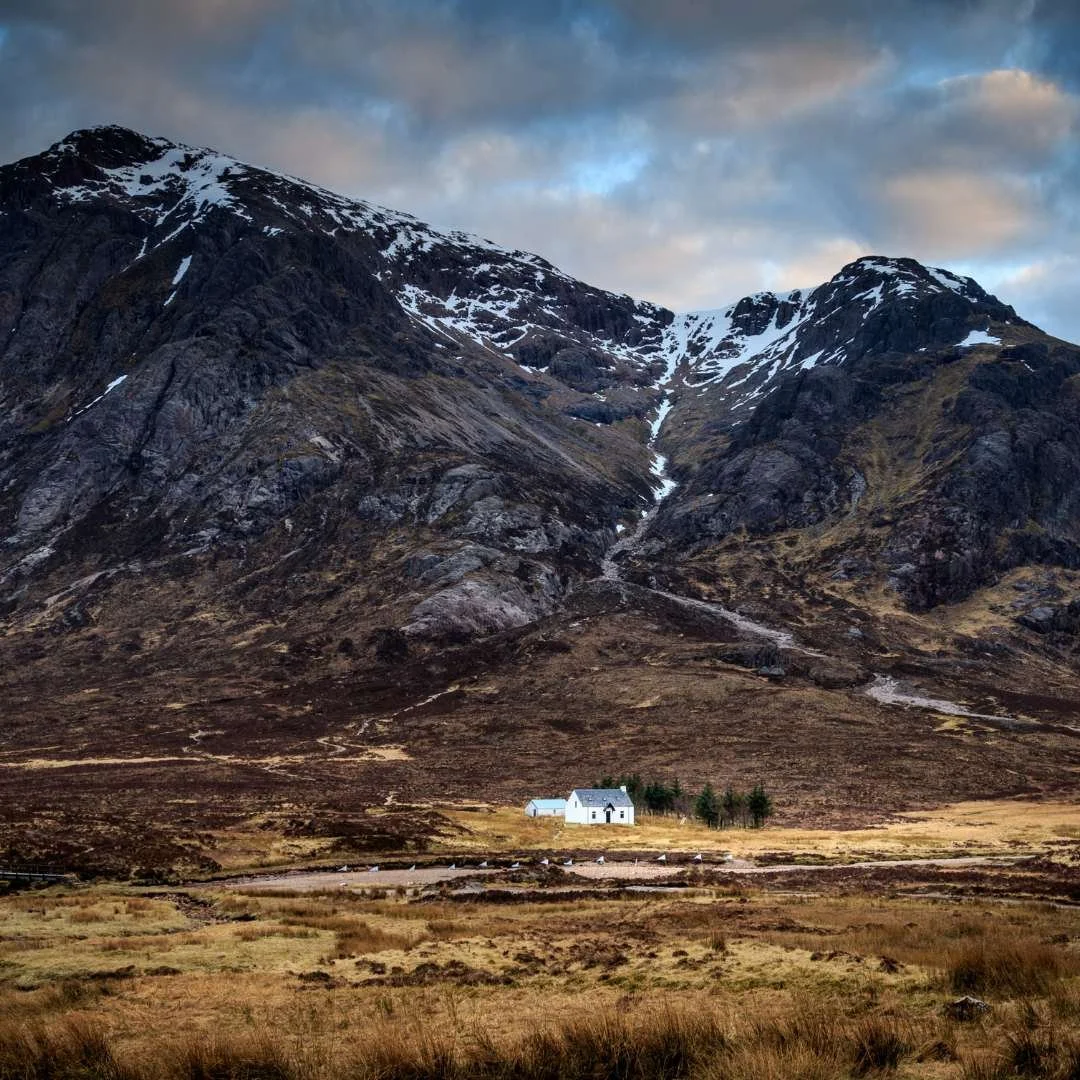
13. Glen Coe
Glen Coe may be one of Scotland’s best-known landscapes, but it still deserves a place on any list like this.
It is one of the most recognisable and awe-inspiring glens in the country, carved by glaciers and surrounded by dramatic peaks and ridges. The Three Sisters are especially iconic, rising sharply from the valley floor and creating one of Scotland’s most famous views.
But Glen Coe is not only about scenery. It also carries a dark and powerful history, most famously the massacre of 1692. That sense of tragedy adds another layer to the landscape, especially on misty days when the whole glen feels haunting and heavy with story.
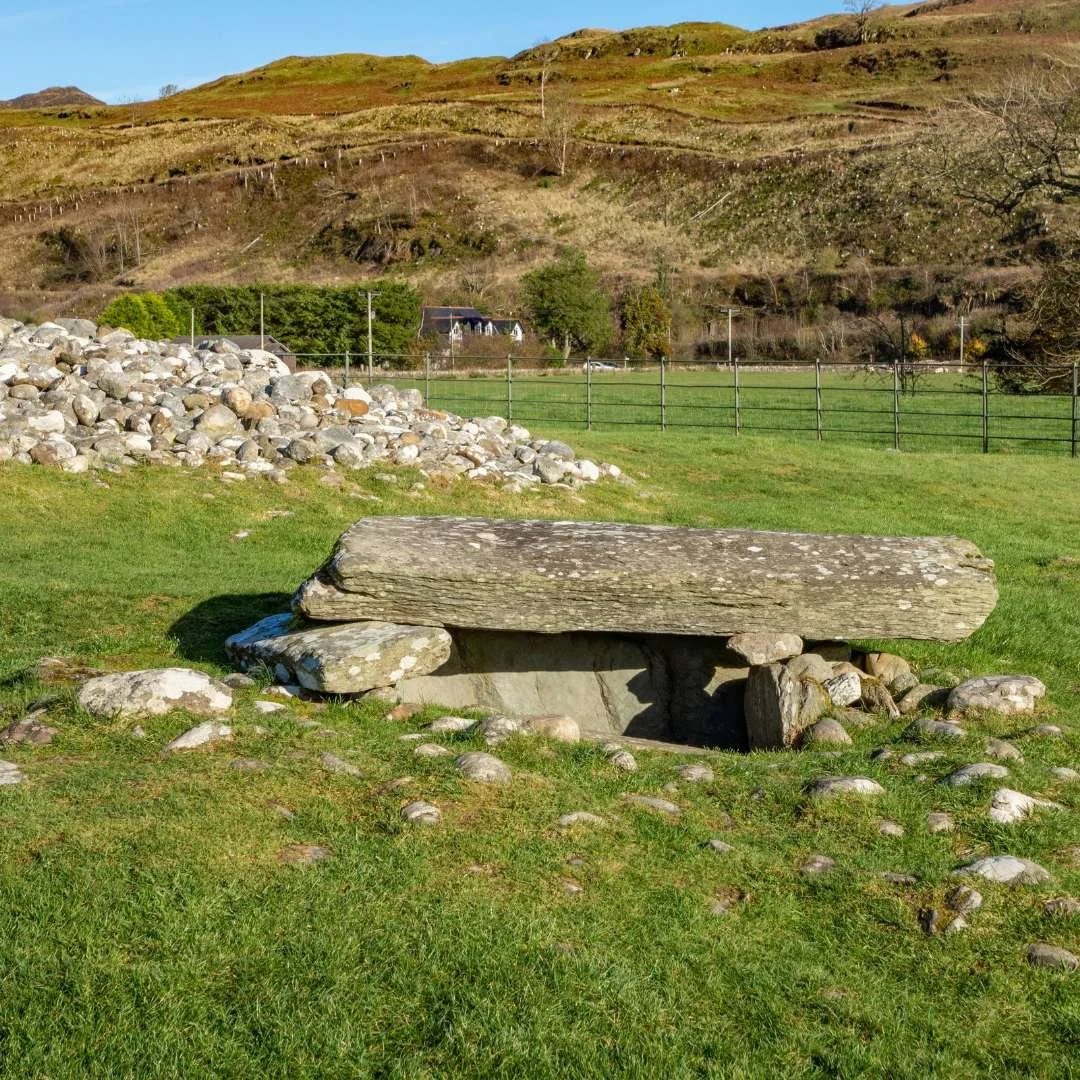
14. Kilmartin Glen
Few places in Scotland feel as ancient and sacred as Kilmartin Glen.
This peaceful landscape in Argyll contains one of the most important concentrations of prehistoric remains in Europe. Within a relatively small area, you will find standing stones, burial cairns, rock carvings, and other monuments dating back thousands of years.
It is the contrast that makes Kilmartin Glen so memorable. At first glance, it appears to be a quiet rural landscape of green fields and gentle hills. But beneath that calm surface lies a place of enormous historic depth. Walking here feels like moving through layer after layer of human story.
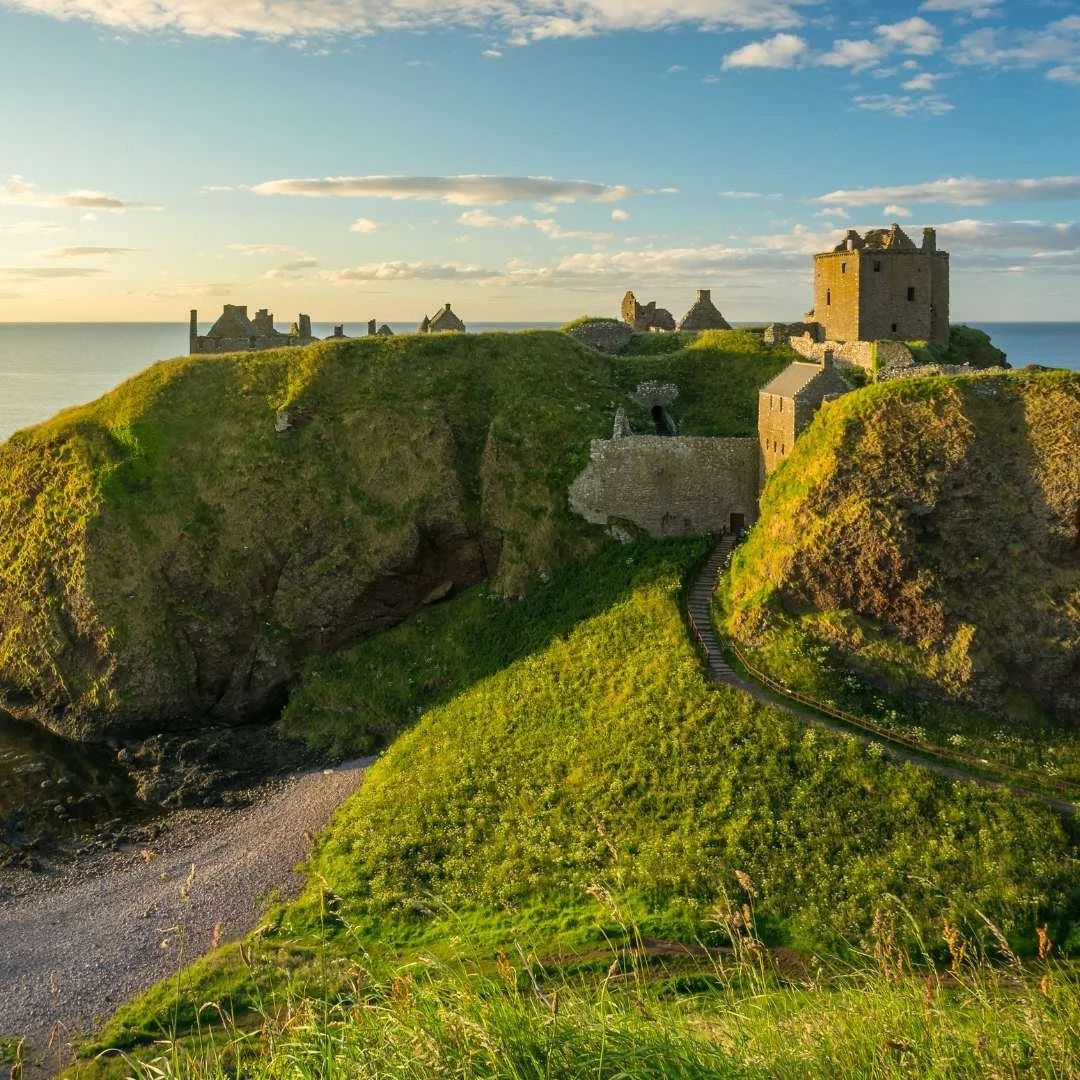
15. Dunnottar Castle
Dunnottar Castle is dramatic in every sense. Perched on a cliff edge above the North Sea, it is one of the most cinematic castle sites in Scotland.
The ruined fortress is approached by a narrow path that heightens the sense of arrival, and once you reach it, the views are spectacular. Sea cliffs, crashing waves, and the exposed coastline all add to its atmosphere.
Dunnottar also played an important role in Scottish history, with links to William Wallace and the protection of the Honours of Scotland from Cromwell’s army. It is one of those places that feels grand, wild, and full of story all at once.
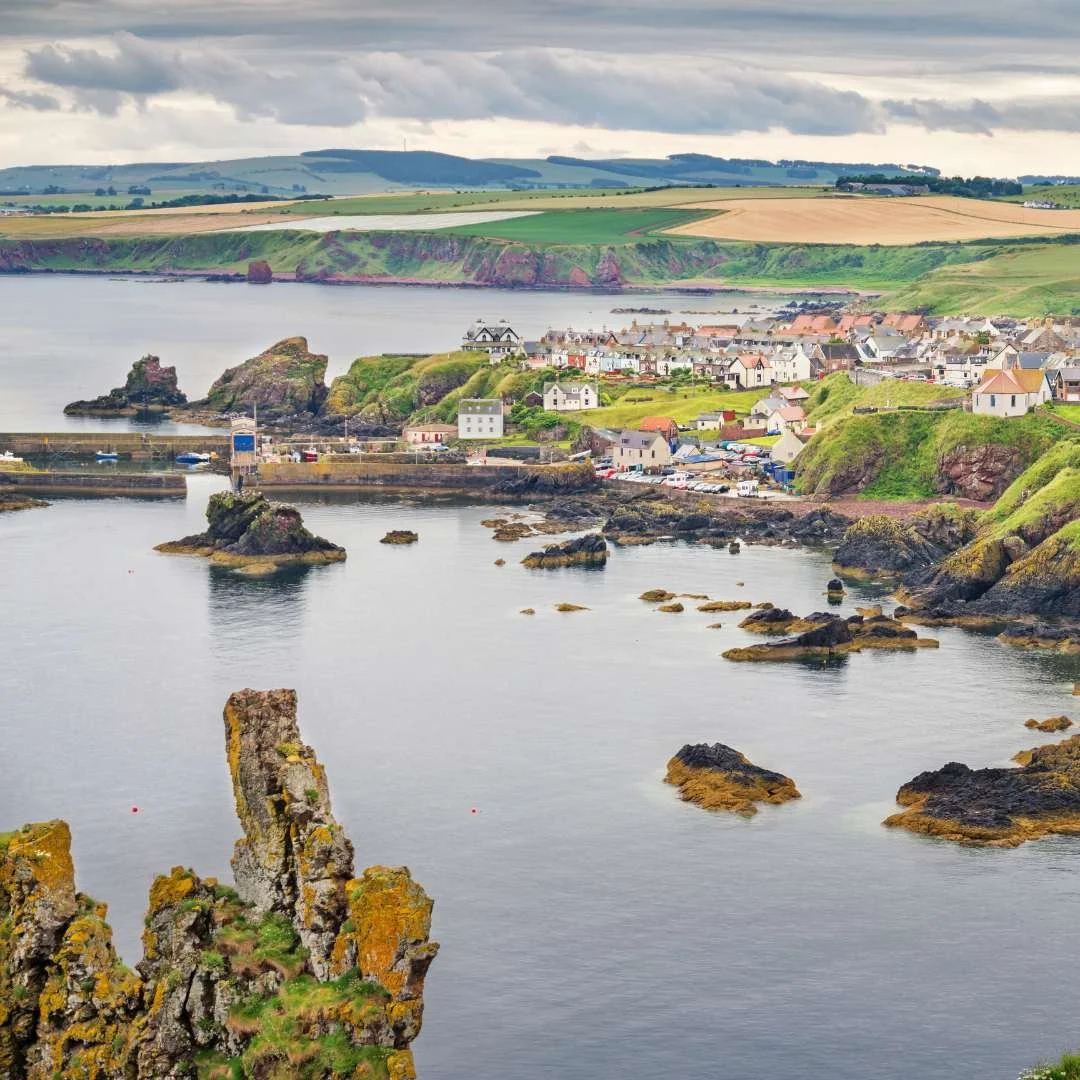
16. St Abbs
St Abbs is one of the loveliest coastal villages in Scotland and a perfect reminder that some of the country’s most appealing places are also among its quietest.
This small fishing village is full of charm, with colourful cottages gathered around the harbour and dramatic cliffs rising nearby at St Abb’s Head. The contrast between the peaceful village and the rugged coastline is part of what makes it so memorable.
The area is also known for wildlife, diving, and film connections, but even without that, it would still be worth visiting. St Abbs captures the authentic beauty of Scotland’s east coast in a way that feels relaxed and unspoilt.
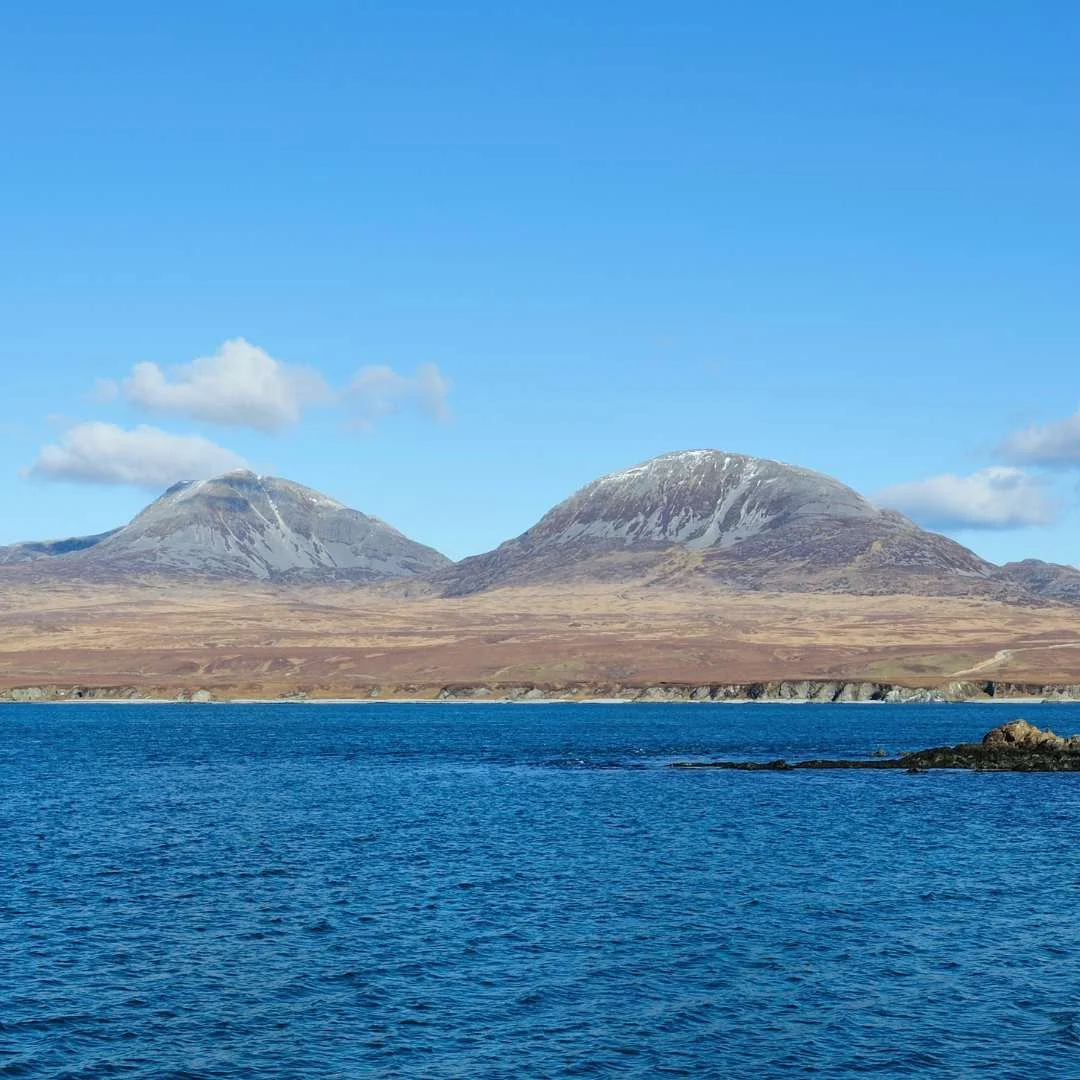
17. Isle of Jura
Jura is wild, rugged, and wonderfully sparse. It is a place for big landscapes, quiet roads, and a real sense of space.
Often called Deer Island, Jura is home to more deer than people, and it certainly feels remote. The landscape is dominated by the Paps of Jura, three iconic peaks that rise dramatically above the island.
There are hidden bays, winding roads, and of course whisky too. But more than anything, Jura offers stillness. For anyone looking to experience one of Scotland’s quieter and more rugged islands, it is a brilliant choice.
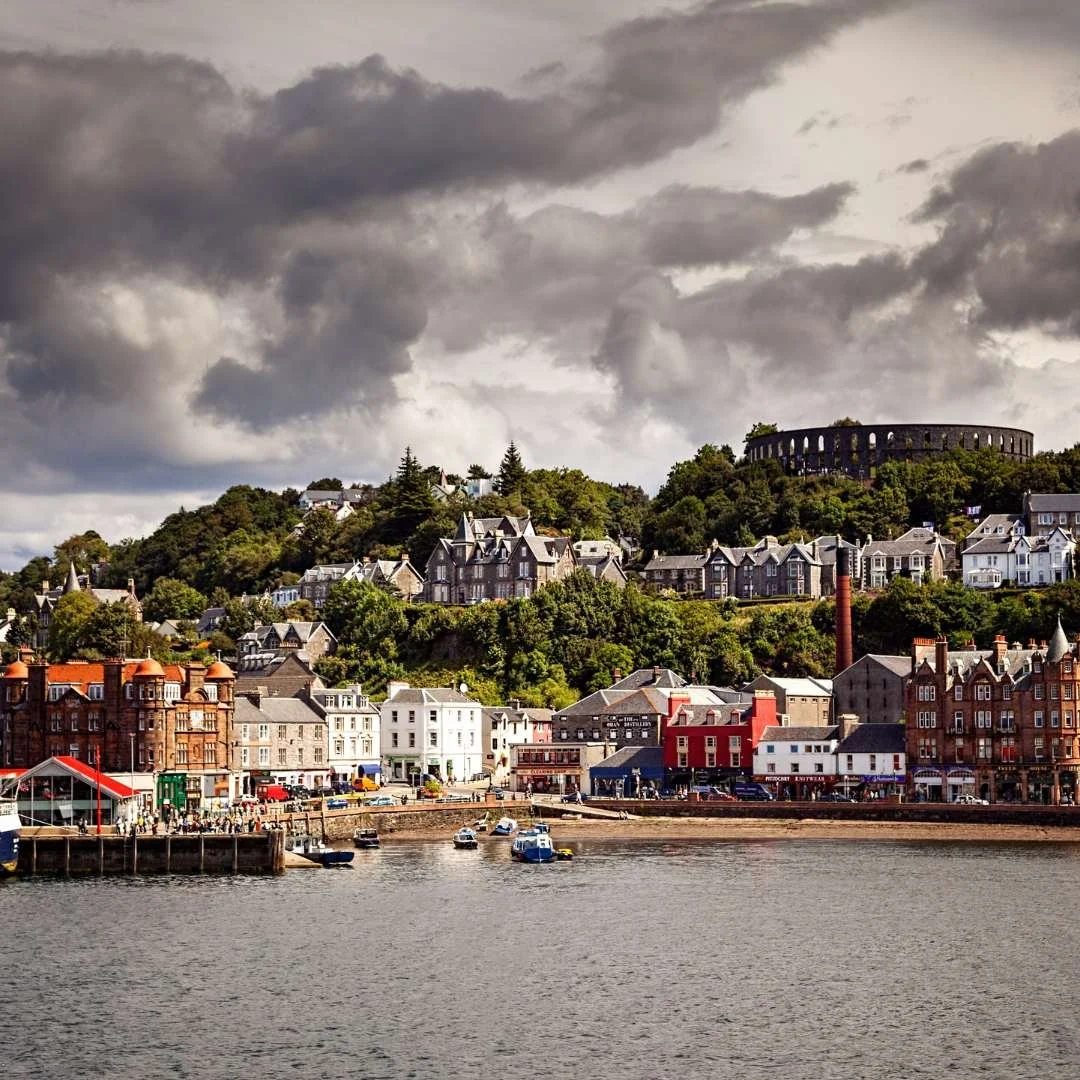
18. Oban
Oban is often called the gateway to the isles, and for good reason. This west coast harbour town is where many Scottish adventures begin.
Ferries leave regularly for islands including Mull, Barra, Coll, Tiree, and Lismore, making Oban an ideal base for exploring the west coast. But the town itself has plenty to offer too.
You can climb up to McCaig’s Tower for views over the harbour, watch boats coming and going, and enjoy some of Scotland’s finest seafood by the water. Oban blends scenery, culture, and convenience in a way that makes it both lively and welcoming.
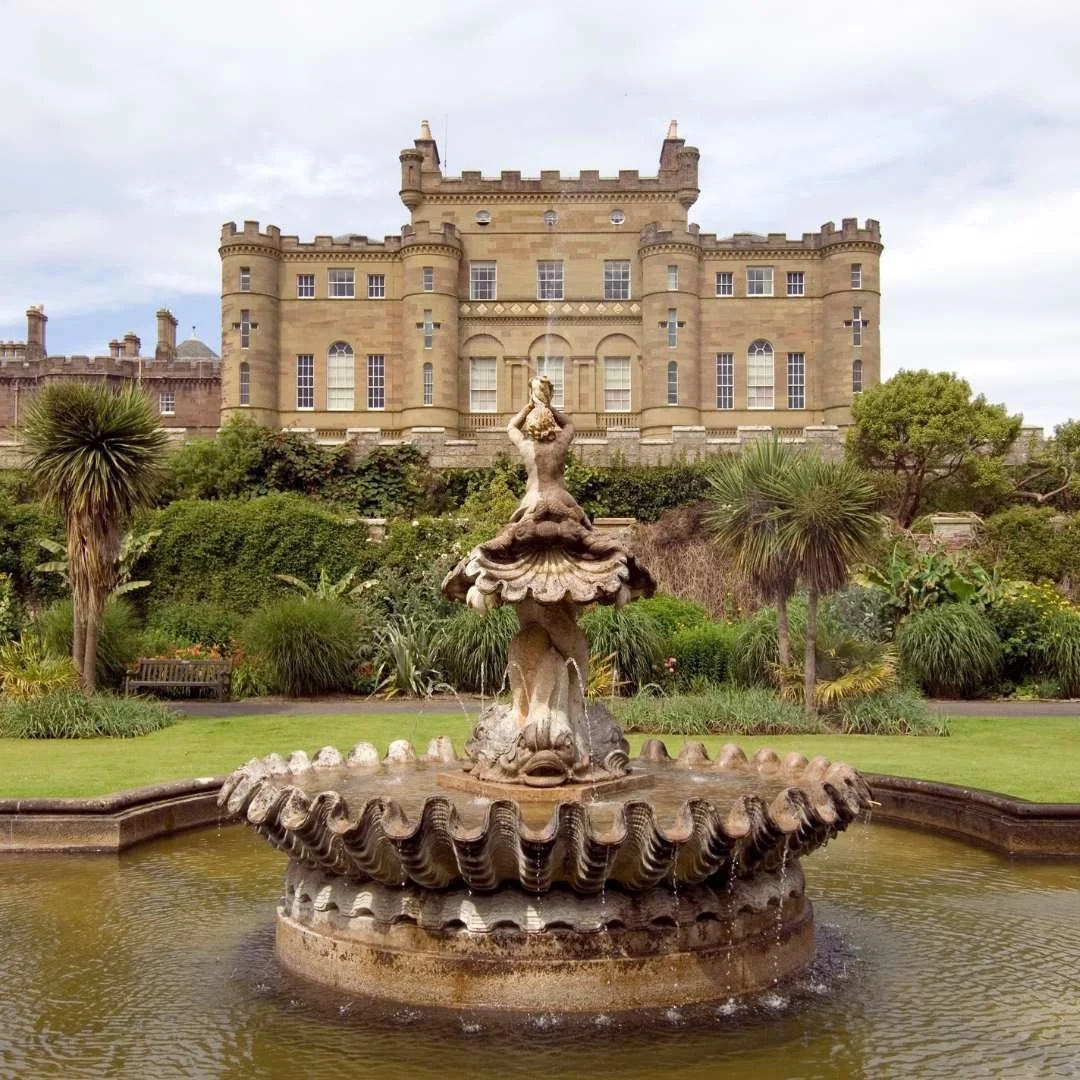
19. Culzean Castle and Country Park
On the Ayrshire coast, Culzean Castle offers a slightly different side of Scotland.
Grand and elegant, the 18th-century castle sits high above the sea with wonderful views across the Firth of Clyde. The setting is beautiful, with cliff-top drama balanced by landscaped gardens, woodland walks, and refined interiors.
Inside, the castle tells stories of Scottish nobility and life in a very different era. Outside, the grounds make it easy to spend an entire day exploring. Culzean is polished and impressive, but still deeply connected to Scotland’s history and landscape.
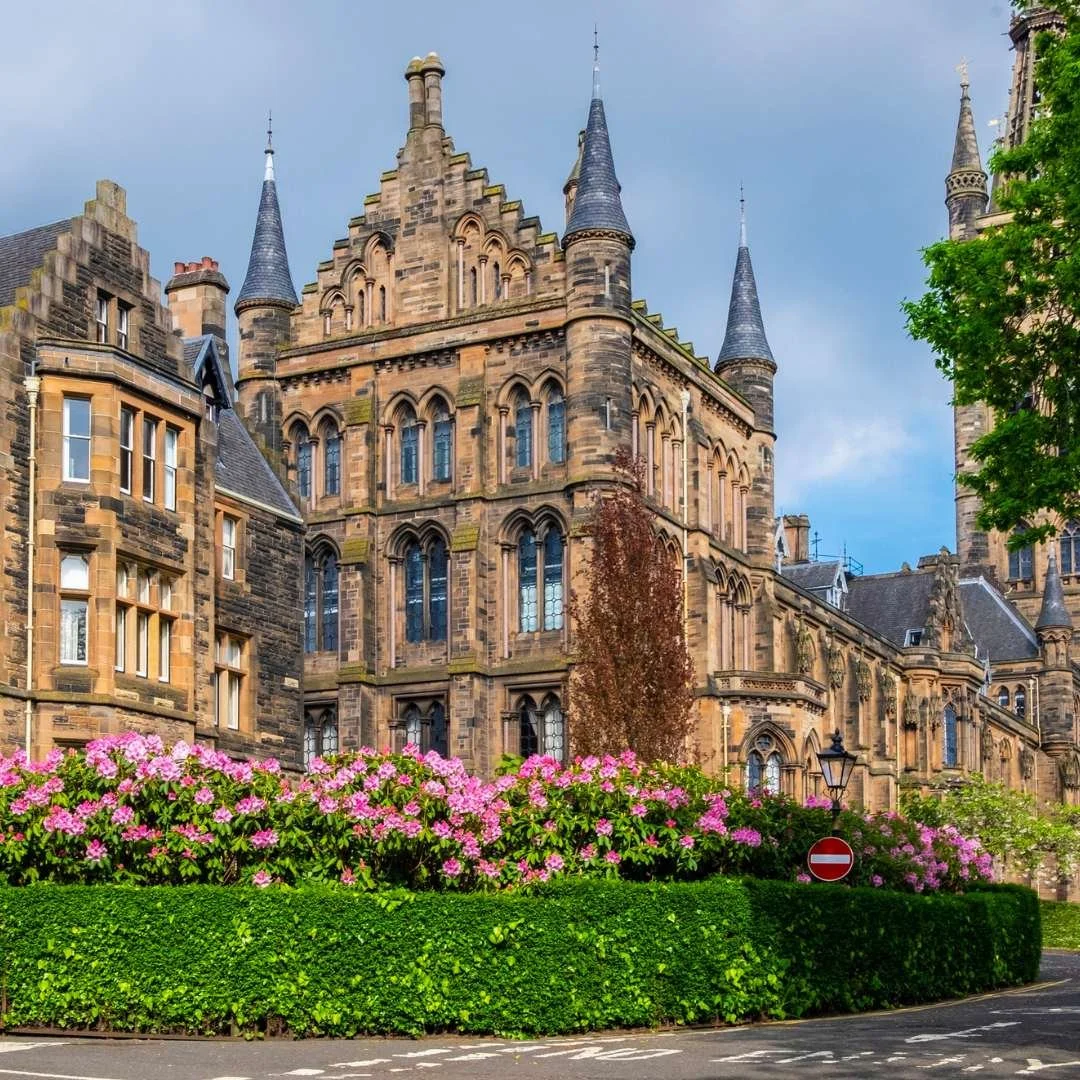
20. Glasgow
Glasgow is a reminder that Scotland is not just about remote glens, castles, and islands. It is also about energy, creativity, humour, and modern culture.
As Scotland’s largest city, Glasgow has a bold personality of its own. It is full of Victorian architecture, live music, museums, street art, and a strong working-class identity that gives the city real character.
For many first-time visitors, what stands out most is the warmth of the people. Glasgow feels lived-in, welcoming, and full of life. It is a brilliant contrast to Scotland’s wild landscapes and proof that the country’s modern identity is just as compelling as its past.
These 20 places are only a glimpse of what Scotland has to offer. That is one of the best things about travelling here. No matter how many times you visit, there is always something new to discover.
From remote beaches and ancient monuments to island communities, mountain roads, coastal villages, and vibrant cities, Scotland has a way of staying with you long after you leave.
If this blog has inspired your next trip, you can also watch the full video here.
And if you would like to experience Scotland with a small group and a storytelling guide, take a look at our tours at Experience Scotland’s Wild. We visit Scotland’s iconic places, but we also love going beyond the guidebooks to show you the places that make the country feel truly special.