Scotland doesn’t just produce great landscapes, it produces great people, too. And what I love most is how often the story starts somewhere small: an island town, a crofting community, a windswept coastline, or a Highland city that feels a world away from the big stages where people end up.
Right now, people are Googling “Where is Stephen from The Traitors from?” and suddenly the Isle of Lewis is on their radar, not because of a guidebook, but because a real person with a real accent and a real island background has caught their attention.
In this blog, we’ll be looking at famous Scots (living and dead), organised by the places they’re connected to, with a few travel suggestions to help you go beyond “Oh, that’s where they’re from” and actually experience the places for yourself.
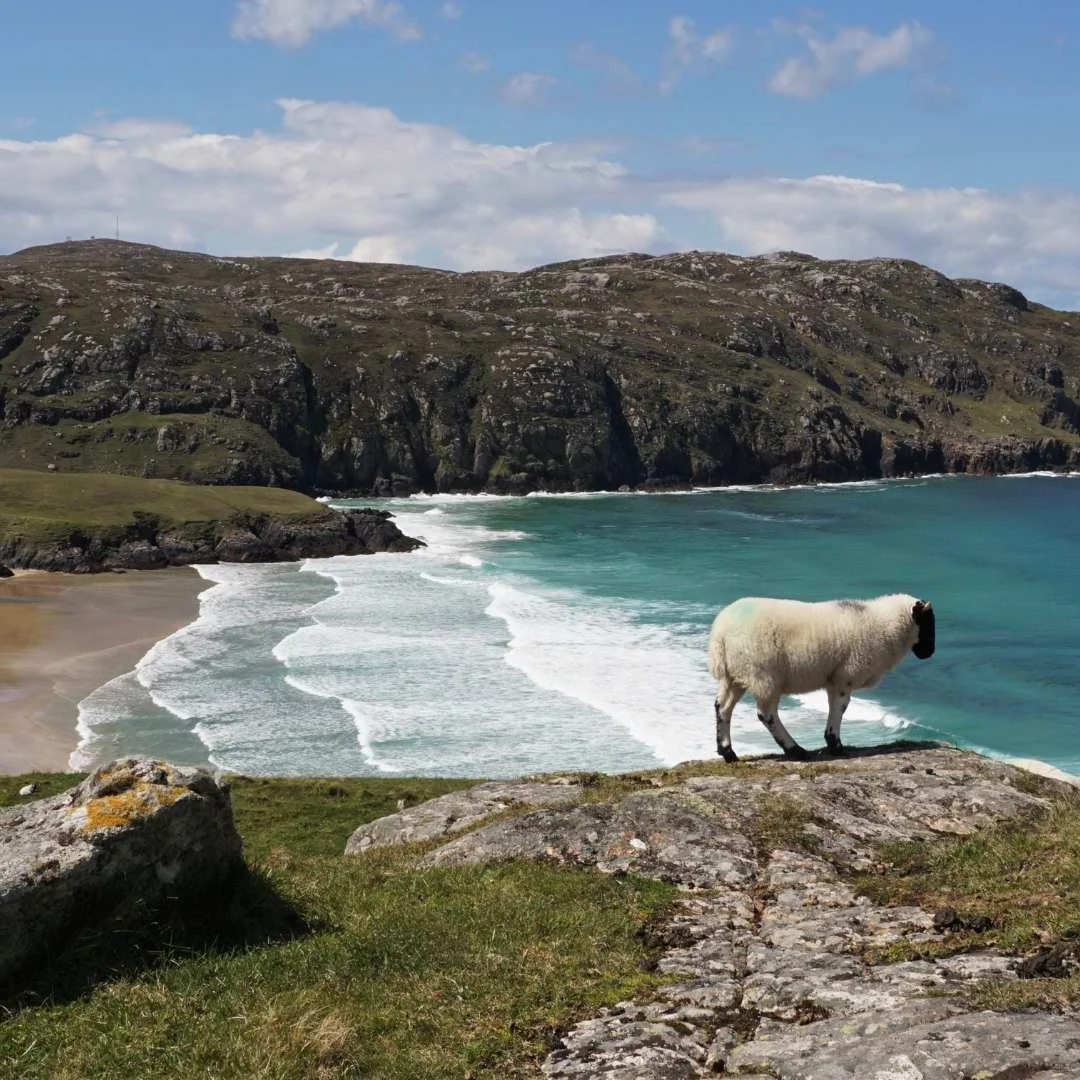
But Seriously, Where is Stephen from The Traitors from?
Stephen Libby (BBC’s The Traitors) is from the Isle of Lewis in Scotland’s Outer Hebrides — and it’s a place that tends to leave a mark on you.
Stephen is 32 and works as a cyber security consultant (he’s now based in London), but you can still hear the islands in his voice — and he’s even said that his regional accent helps people relax around him, because they “let their guard down” more quickly.
That’s partly why Lewis has suddenly become a “where is that?” destination for so many viewers. If you’re used to thinking of Scotland as Edinburgh streets, Glencoe mountains, or Skye viewpoints… Lewis feels like a different country. It’s big skies and Atlantic weather, long quiet roads, peat moorland, beaches that look tropical on a sunny day (until the wind reminds you you’re in the Hebrides), and communities that feel properly lived-in rather than built for tourism.
What’s also lovely is that Stephen hasn’t tried to hide where he’s from. In interviews, he’s talked about how much his family supported him, including being the first person in his family to go to university — and if he won, one of his big motivations was giving back to his parents. He’s also posted a very Hebridean little moment on social media, writing “Mo chreach sa thàinig… your boy from the Hebrides is going into the castle.”
Why Scotland’s “famous people” stories hit differently
Scotland has a way of making people interesting before they ever become well-known.
Maybe it’s the weather (you learn resilience quickly). Maybe it’s the history under your feet. Or maybe it’s because even our small places feel like they’ve got a strong identity — Skye is not just an island, Lewis isn’t just a dot in the sea, Orkney isn’t just “the north”.
They’re their own worlds.
This list isn’t meant to be a definitive “top 100 Scots ever.” It’s a travel-friendly way of connecting people to places — and giving you a few ideas for what to see when you get there.
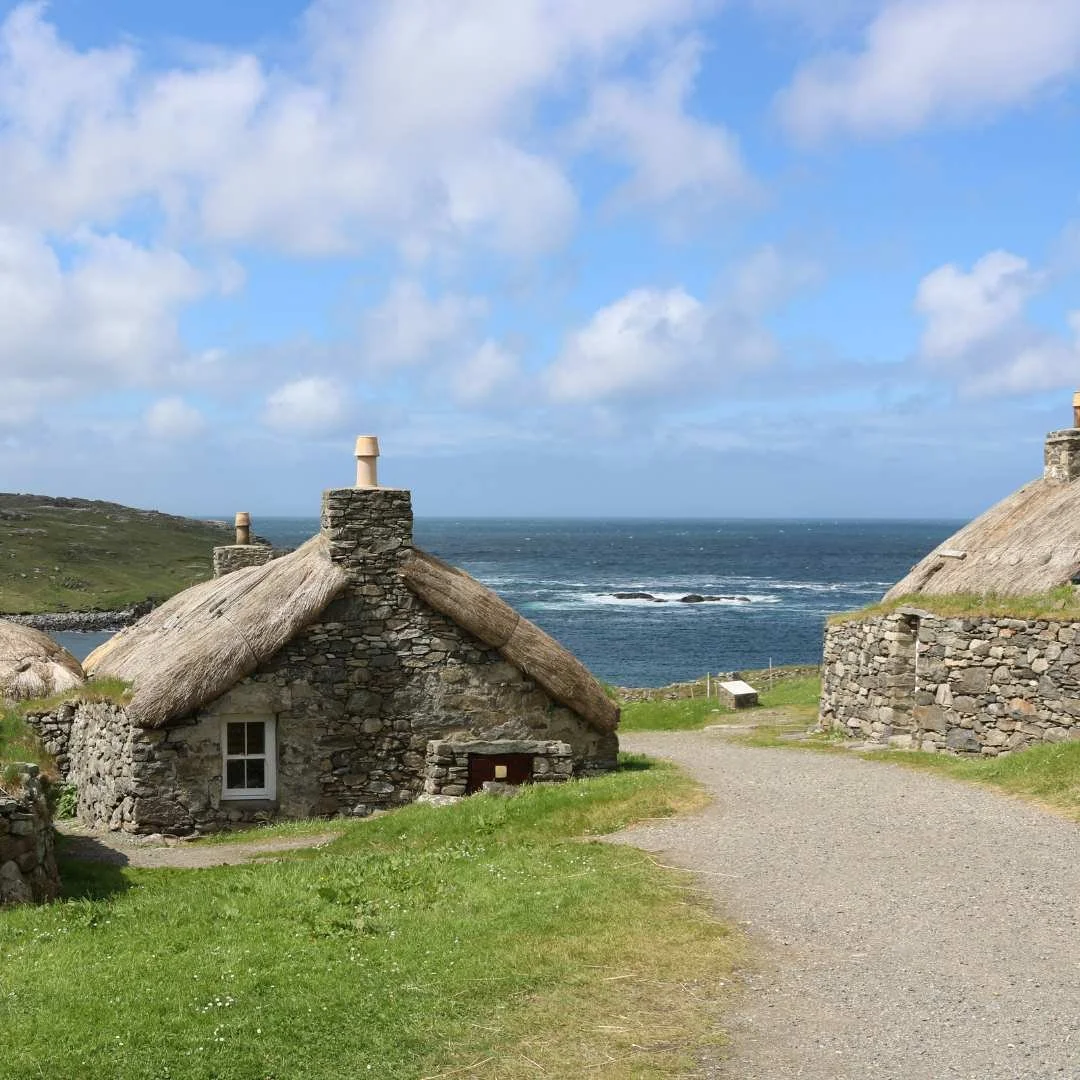
Sir Alexander Mackenzie (explorer) — born in Stornoway, Lewis
Born in Stornoway on the Isle of Lewis in 1764, Sir Alexander Mackenzie began life at the edge of the Atlantic — then set off to explore a far bigger world. As a fur trader with the North West Company, he pushed into Canada’s interior in search of a route to the Pacific.
In 1789, he travelled the great river that now bears his name all the way to the Arctic Ocean, and in 1793, he completed the first recorded crossing of North America north of Mexico, reaching salt water at Bella Coola. To mark the moment, he painted a message on a coastal rock — “Alex Mackenzie from Canada by land” — using vermilion mixed with bear grease. It’s a brilliant story to picture while you’re in Stornoway, looking out at the same Atlantic horizon that launched him.
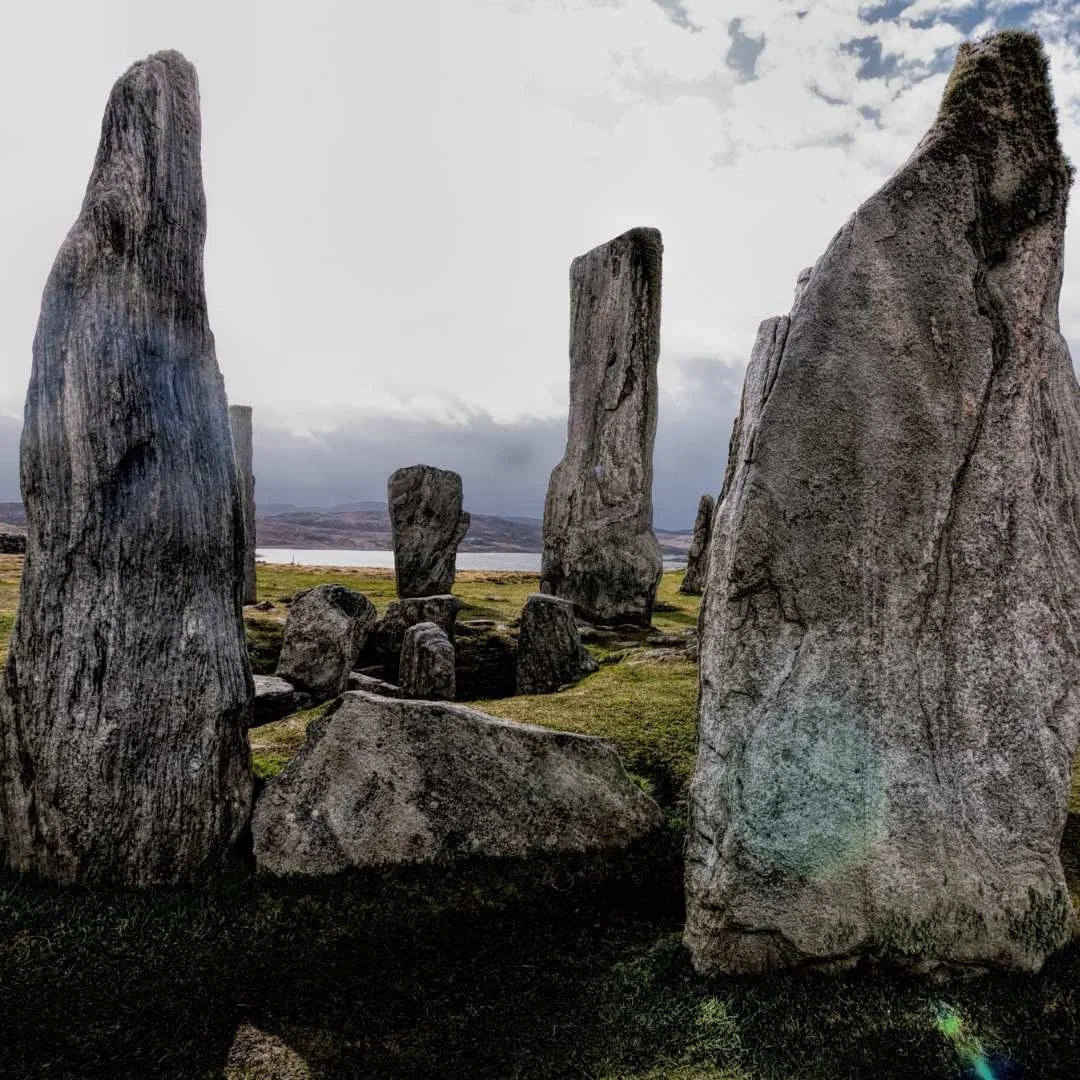
Hans Matheson (actor) — born in Stornoway, Lewis
Hans Matheson is proof that Hebridean roots can take you a very long way. Born in Stornoway on the Isle of Lewis, he grew up mostly in the south of England, but often spent summer holidays back on Lewis with family, keeping those island ties close.
Raised in a creative household — his father, Iain “Ado” Matheson, is a folk musician and painter — it’s no surprise Hans became both an actor and a musician himself.
On screen, you might recognise him from Sherlock Holmes (as Lord Coward), The Tudors (Thomas Cranmer), or period dramas like Tess of the d’Urbervilles and Doctor Zhivago.
If Lewis has just jumped onto your radar, our Outer Hebrides: Lewis & Harris tour is the easiest way to experience the island properly — beaches, standing stones, and the kind of views you don’t forget.
Isle of Skye: the island that keeps producing legends
Skye is one of those places where the scenery is the headline, but the people are the story. It’s shaped poets, musicians, adventurers, and characters who feel properly Scottish.
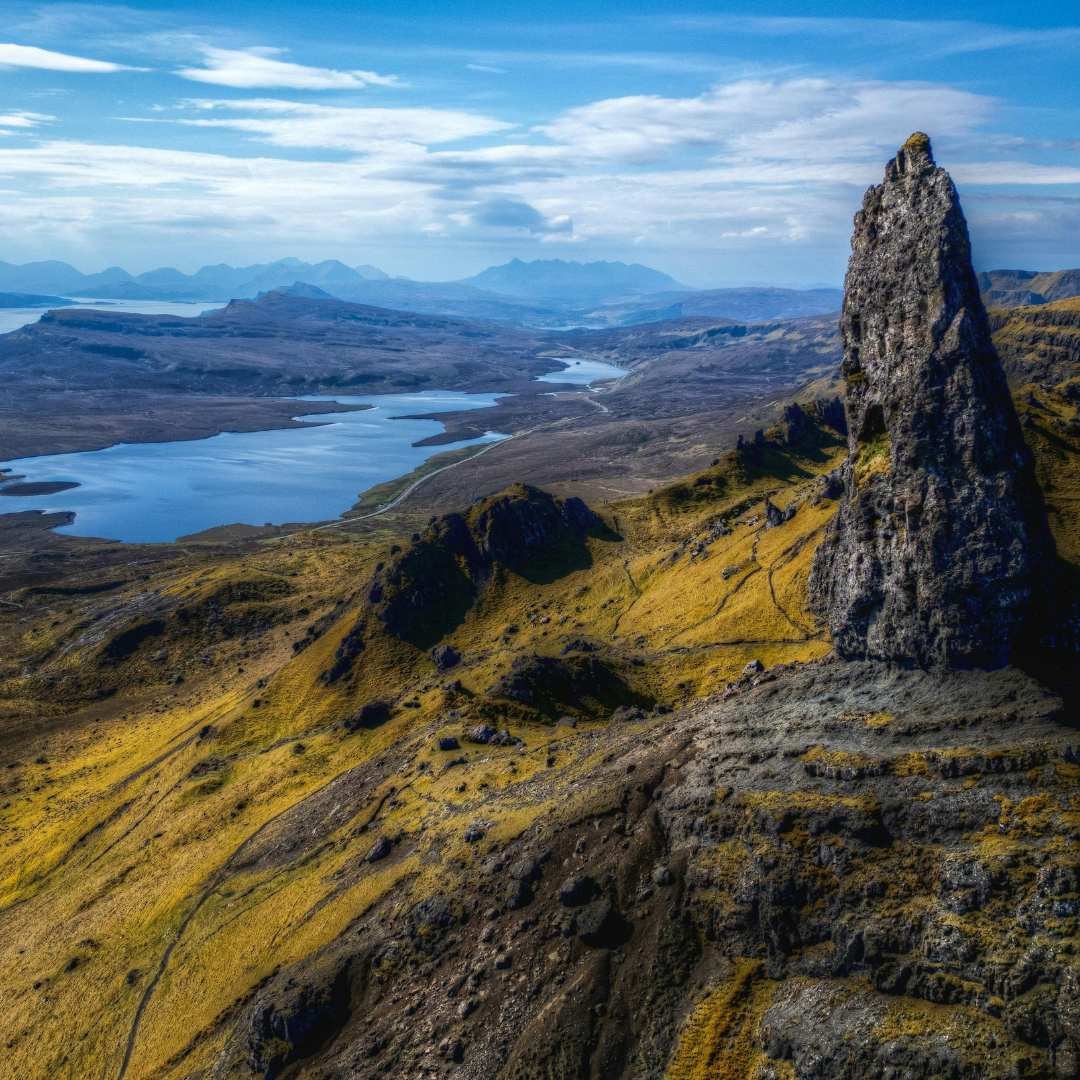
Màiri Mhòr nan Òran (Mary MacPherson) — Skye’s great Gaelic poet
Màiri Mhòr nan Òran — “Big Mary of the Songs” — was born Mary MacDonald in Skeabost on Skye in 1821, and became one of the most important Gaelic poets of the 19th century.
Her songs gave a powerful voice to ordinary Highlanders, especially during the land agitation that followed the Clearances, when crofters fought back against harsh rents and evictions.
After her husband died, she moved to Inverness to support her family — and was even imprisoned for 40 days after being accused of theft, an experience she described as deeply humiliating and later poured into her work. She died in Portree in 1898, and her last home overlooking the harbour is still marked today with a plaque.
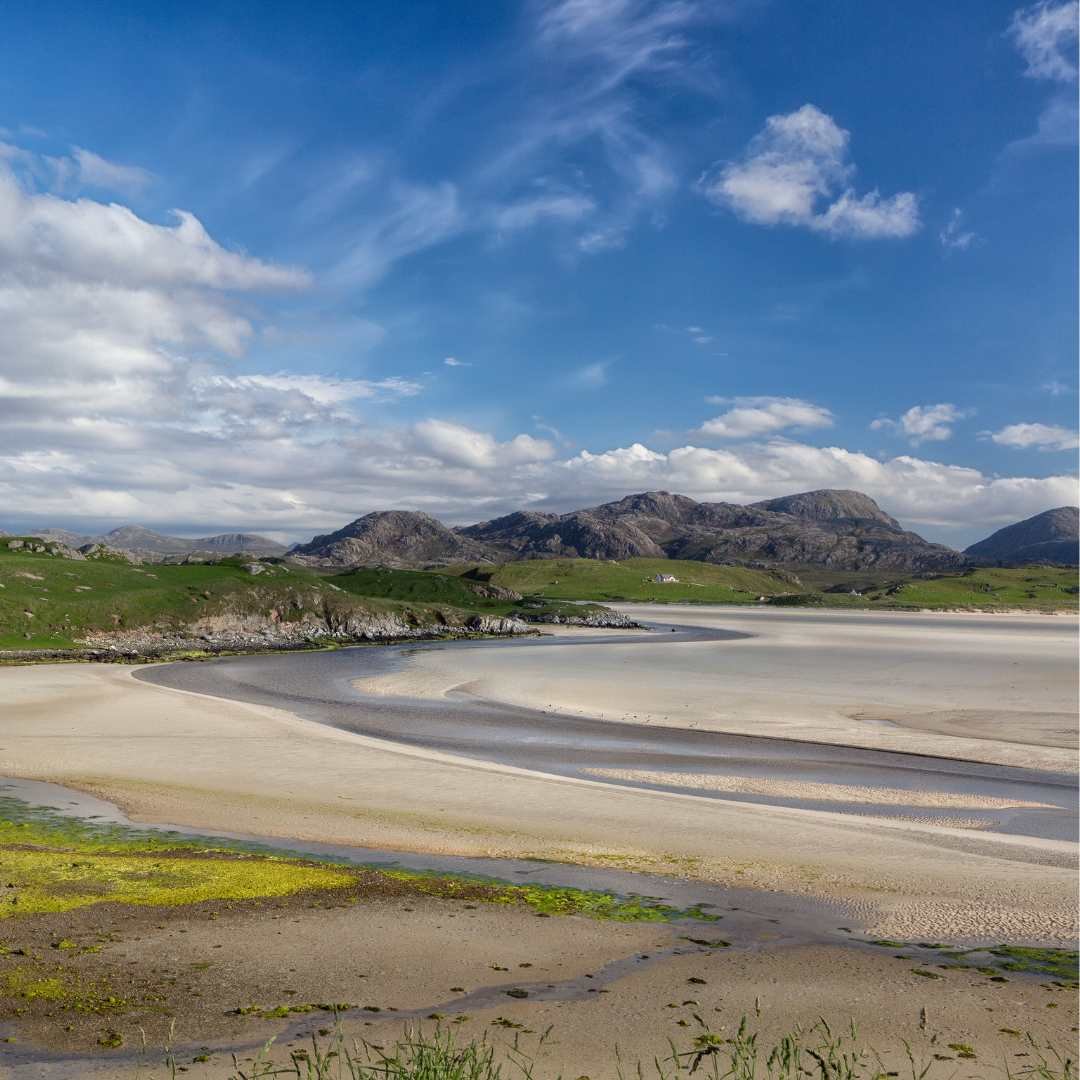
Donnie Munro (Runrig) — born in Uig, Skye
Born in Uig on the Isle of Skye, Donnie Munro became one of the most recognisable voices in modern Scottish music as the frontman of Runrig during their biggest years.
Runrig helped bring Gaelic culture to huge audiences, and in 1995 their single “An Ubhal as Àirde (The Highest Apple)” made chart history as the first Scottish Gaelic song to chart in the UK (it reached the UK Top 20).
Munro left the band in 1997 to pursue politics, later returning to the islands through Gaelic education and culture work — including a role at Sabhal Mòr Ostaig on Skye. If you’re visiting Uig today, it’s easy to see why this landscape inspires big music: wide skies, sea views, and that “edge of the world” feeling Skye does so well.
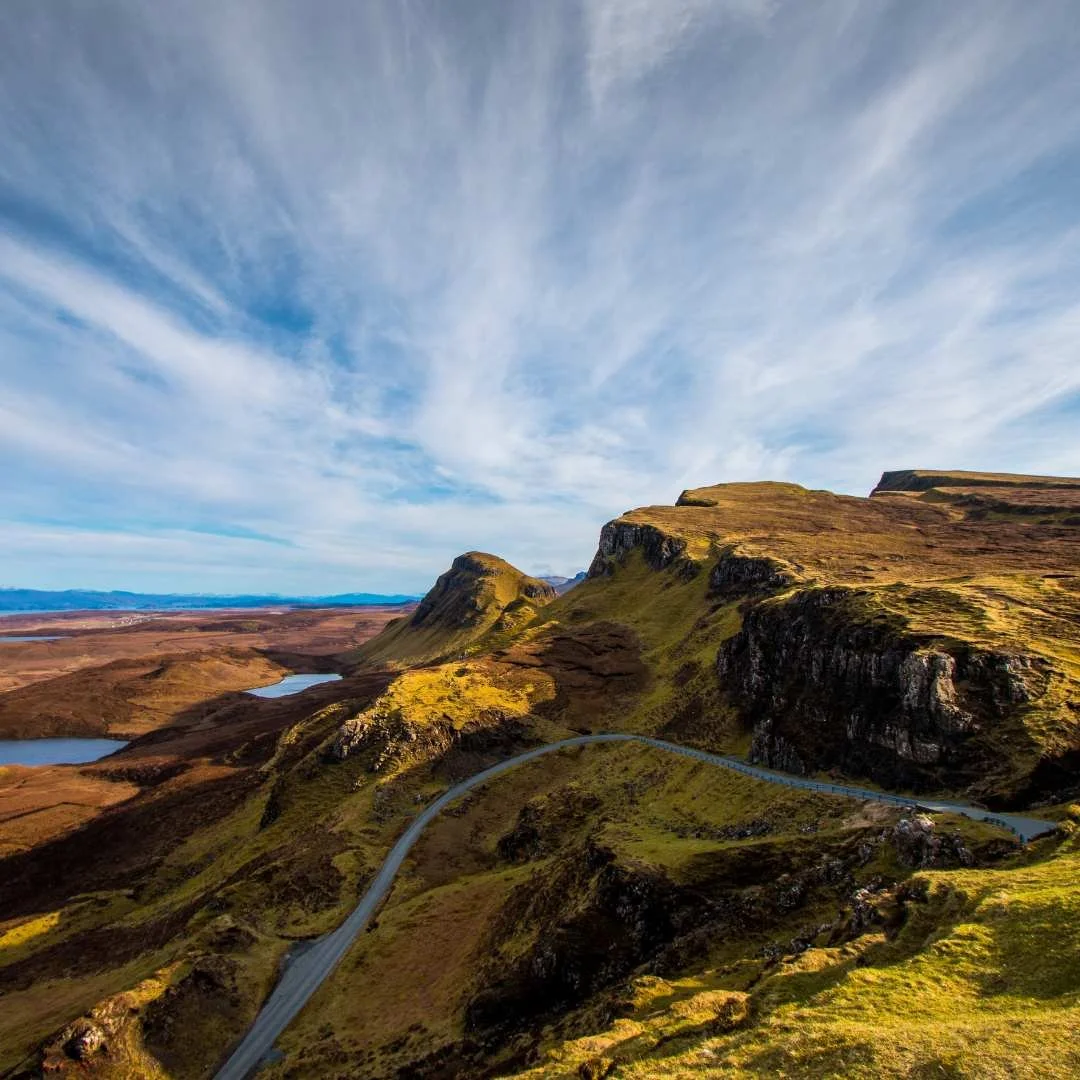
Danny MacAskill (bike trials) — from Dunvegan, Skye
Danny MacAskill is one of Skye’s modern icons — a world-famous trials rider who grew up in Dunvegan, on the island’s north-west coast. He first exploded onto the global stage in 2009 with the viral “Inspired Bicycles” video, filmed around Edinburgh, which changed his life overnight.
But one of his most cinematic moments came when he returned to his roots for “The Ridge”, a film set on Skye and inspired by the dramatic landscape of the Cuillin. Even if you’re not here to ride anything, Dunvegan is a brilliant place to slow down and take in Skye’s wild side — sea views, big skies, and that “edge of the world” feeling the island does so well.
Skye’s the showstopper island — and if you want to experience it properly, our Isle of Skye tours run as 3, 5, or 7-day adventures in a genuinely small group.
Orkney: poets, memoirs, and a different kind of wild
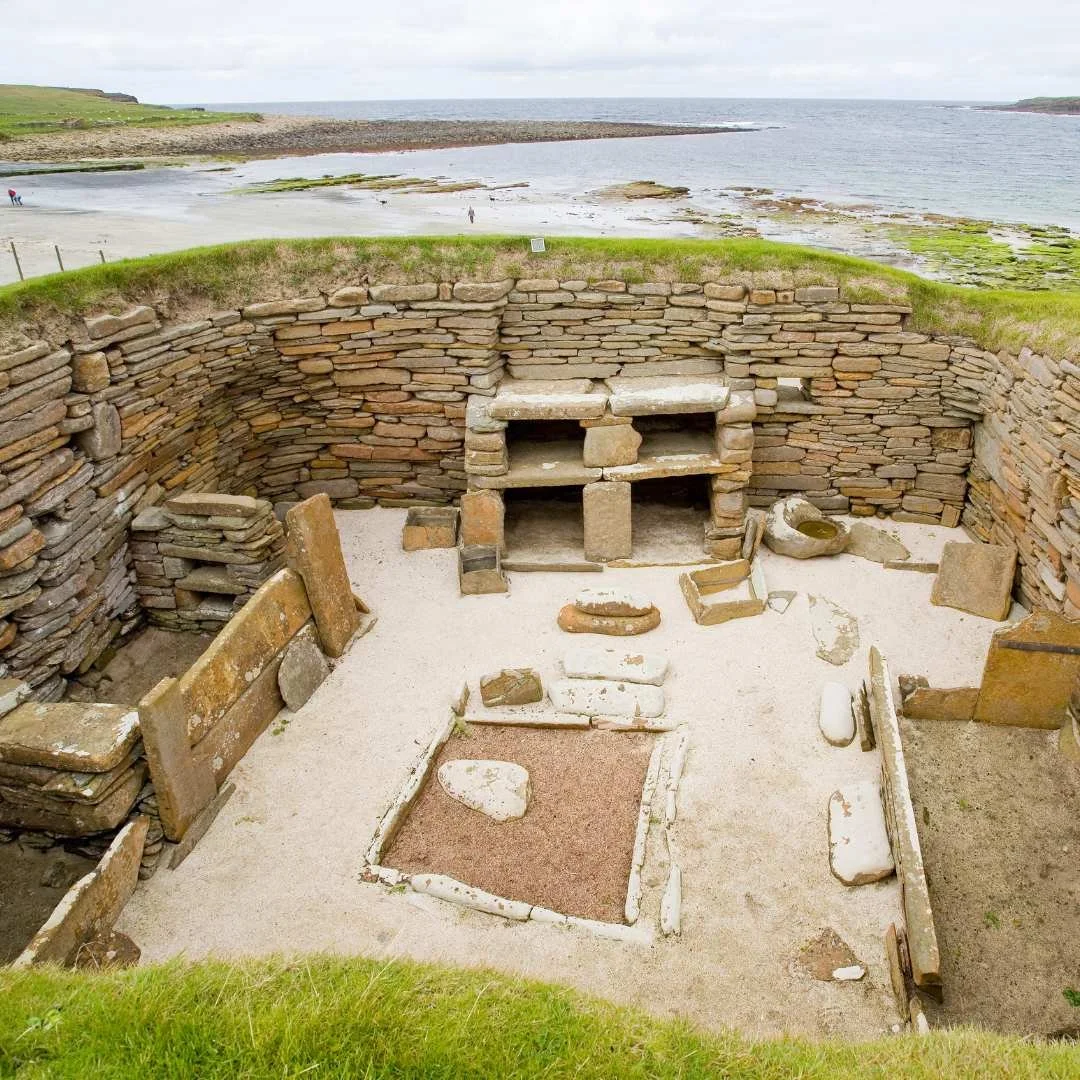
Orkney is often described as “mysterious”, but I think it’s more accurate to say it’s its own world. The land certainly feels older here. You’ll find all sorts of historical sites dating back thousands of years and in pretty good nick, considering.
And it has produced writers who capture that feeling perfectly.
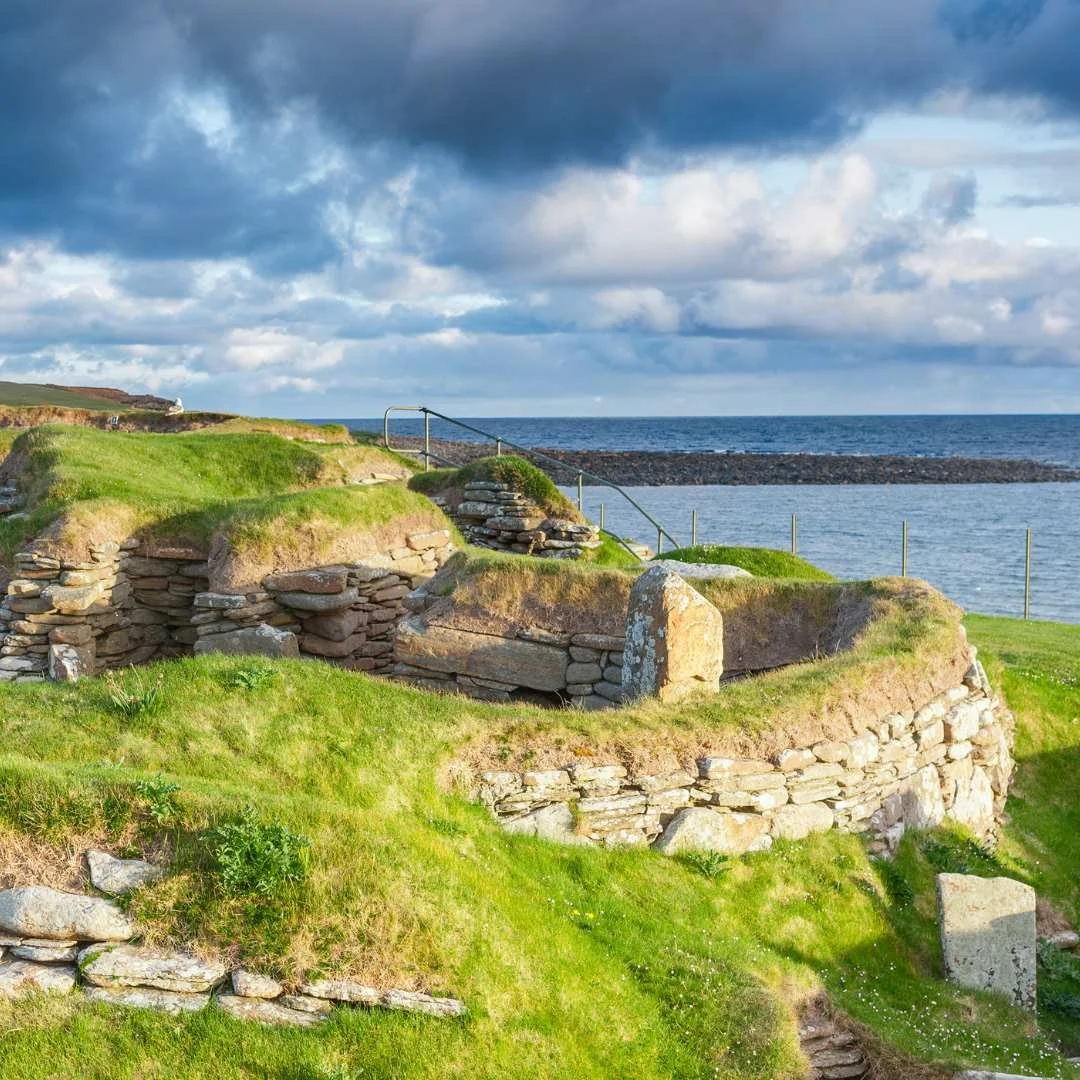
George Mackay Brown — born and lived in Stromness, Orkney
If Orkney has a “house poet”, it’s George Mackay Brown. Born in Stromness in 1921, he spent almost his entire life in this waterfront town, writing stories and poems soaked in Orcadian history, sea-light and quiet island ritual. After a childhood shaped by poverty and long periods of illness, he found his voice through journalism (writing for The Orkney Herald) and later studied at Newbattle Abbey College and the University of Edinburgh, before returning home to Orkney.
His work earned major recognition, including an OBE (1974), and his novel Beside the Ocean of Time won Saltire Scottish Book of the Year and was shortlisted for the Booker Prize.
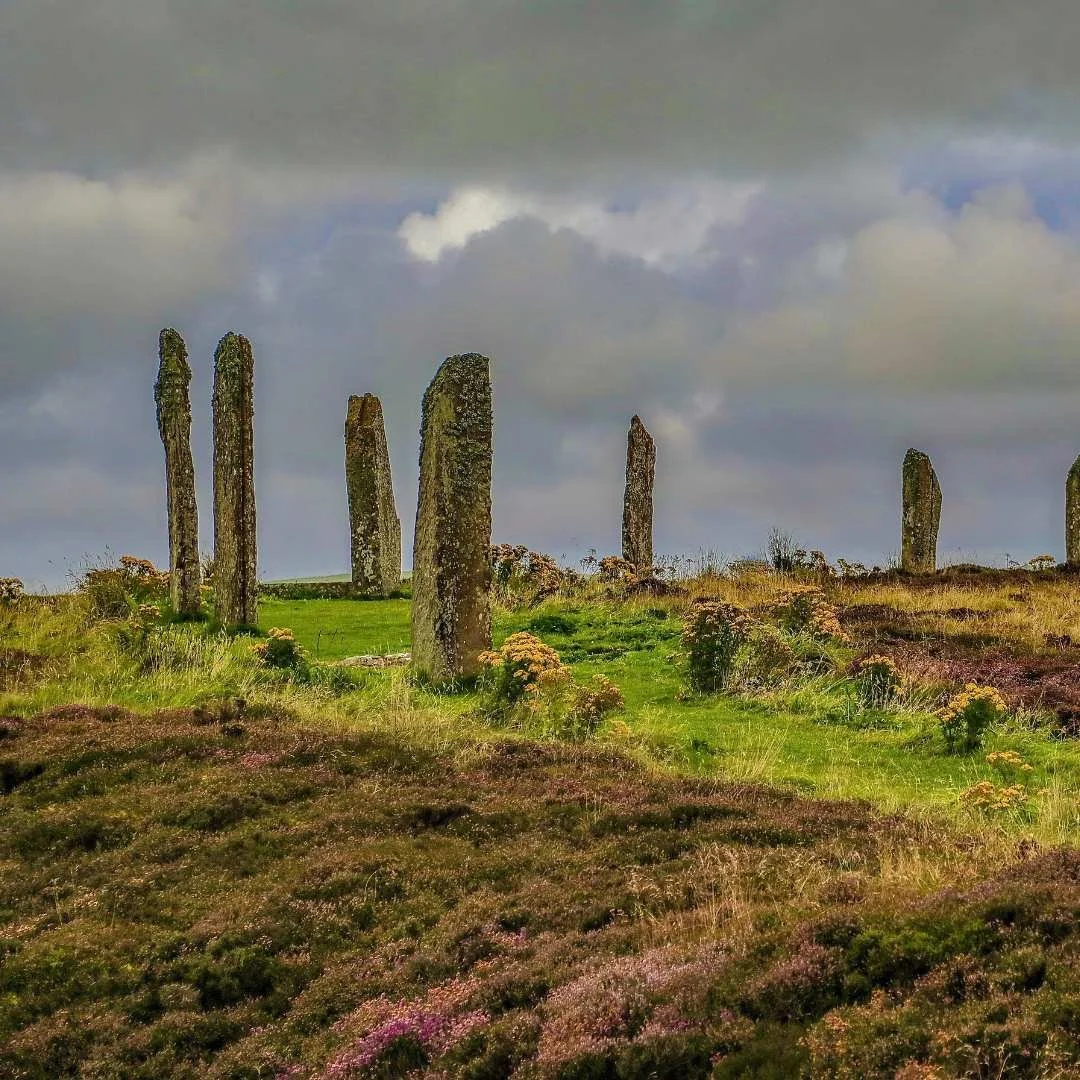
Edwin Muir — born in Deerness, Orkney
Edwin Muir was born in Deerness, Orkney, in 1887, on a farm called Folly, and spent his early years surrounded by the kind of quiet, traditional island life that later became his idea of “Eden”. But at 14, everything changed.
His father lost the farm, and the family moved to Glasgow — a shift Muir experienced as a brutal plunge into an industrial world of hardship, grief and factory work. That contrast between Orkney’s open space and the “fallen” modern world shaped his writing for the rest of his life. Later, he and his wife, Willa Muir, helped bring Franz Kafka to English-speaking readers through their translations.
Amy Liptrot — Orkney as a place of return
For a modern Orcadian story, Amy Liptrot’s memoir The Outrun captures Orkney not as a postcard backdrop, but as a place you can come back to when life unravels. After ten years in London, she returned home to recover from alcoholism — swapping nightclubs and chaos for sea air, silence, and the steady rhythm of island days.
The book blends raw honesty with beautiful nature writing, and it struck such a chord that it went on to win the Wainwright Prize, with a major film adaptation following, starring Saoirse Ronan. It’s a reminder that Orkney isn’t just “somewhere to visit” — it’s somewhere that can reset you. Even simple moments, like cold-water swimming on an Orcadian beach, become part of the healing.
If Orkney’s ancient sites have caught your attention, you’ll love our Orkney Islands & North Coast 500 tour — five days of Highland coastline and 5,000 years of history.
Inverness: the Highlands’ small city with big stories
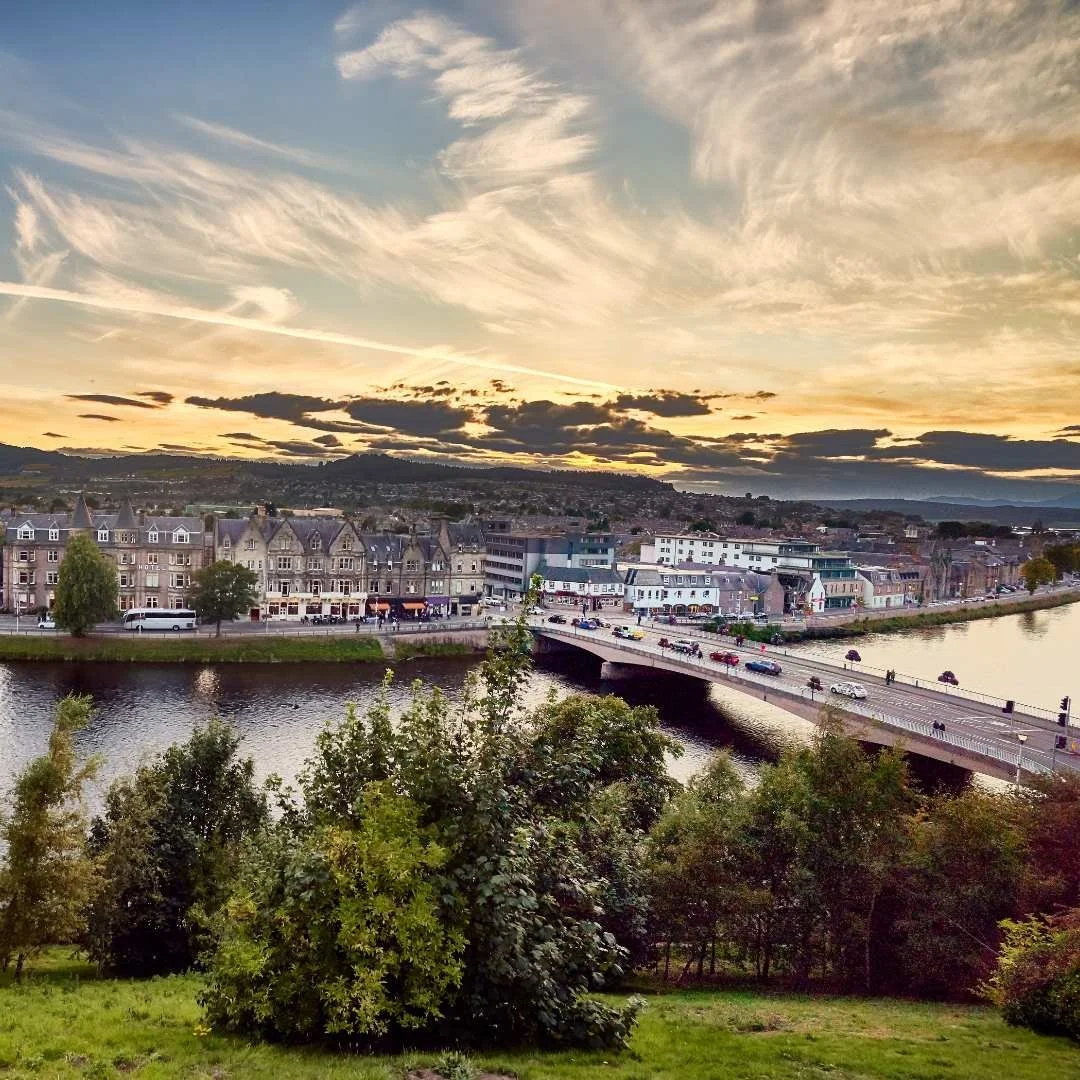
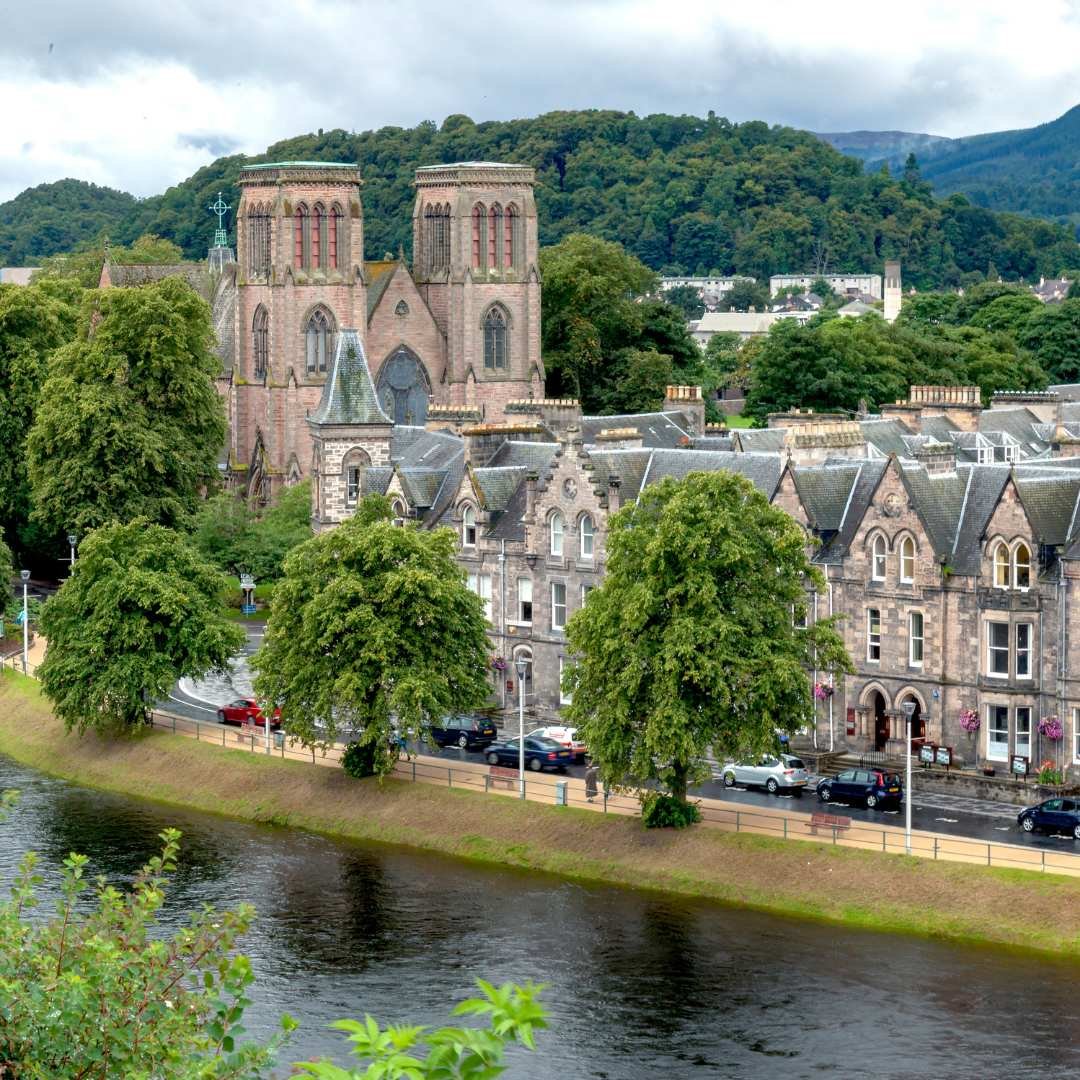
Inverness is one of the best places to base yourself in Scotland because it gives you the best of both worlds:
a city with cafés and comfort, and serious landscapes just a short drive away.
And it’s produced a surprising number of well-known names.
Karen Gillan — born in Inverness
If Inverness feels like a quiet gateway to the Highlands, Karen Gillan is proof that huge careers can start in places that still feel grounded. She was born in Inverness in 1987, and later moved away as a teenager to study acting — first in Edinburgh, then London — before landing the role of Amy Pond in Doctor Who, which launched her onto the world stage.
These days, she’s best known globally as Nebula in the Marvel films, but she’s also stepped behind the camera as a filmmaker. Inverness still shows up in her story too — she’s spoken openly about her Highland roots and supported local mental health work back home.
Lorne Balfe — born in Inverness (film & TV composer)
Born in Inverness, Lorne Balfe is one of Scotland’s biggest modern success stories in film and TV music — the kind of composer whose work you feel before you even notice it. His love of music started early: his childhood home even had a residential recording studio, and by eight years old he was already writing and selling ad jingles. At just 13, he became the youngest member of the Edinburgh Symphony Orchestra as a percussionist, touring professionally around Scotland.
Today, he’s known for cinematic scores including Mission: Impossible – Fallout, Black Widow, and work on Top Gun: Maverick. And Inverness feels like the perfect “origin point” for that: calm, grounded, but surrounded by landscapes made for movie moments.
Final thoughts: it’s not just where they’re from — it’s what the place gives you
The best thing about Scotland is that it still feels like it has corners with real identity. Real places, where people grew up with history, community, and landscapes that shape how you see the world.
So whether you found Lewis because of The Traitors, fell in love with Skye through music and poetry, or want Orkney’s quieter kind of wild… It’s all connected.
And if you want to see these places without the stress of planning every detail, our small-group tours are built for travellers who want Scotland to feel real, not rushed.