

Why Scotland Feels Different: A Journey Through the Landscapes, Cities & Islands of Scotland
Scotland can look small on a map. A country tucked into the northern edge of Britain, with a population smaller than many major cities around the world. And yet, once you begin to travel through it, it rarely feels small at all.
For many people, Scotland begins as an image in their head — a castle on a cliff, a road through the Highlands, a loch beneath a grey sky, and the sound of bagpipes drifting through an old street.
But the real country is much more than that.
It’s not only dramatic scenery. Scotland is a place shaped by geology, language, history, culture, and distance. A country where the east and west feel very different, where the islands have their own unique identities, and where even places only a few hours apart can seem to belong to completely different worlds.
In this guide, we’re going to travel through the places, landscapes, and stories that give Scotland its character. From Edinburgh and Glasgow to the Highlands, Glencoe, Skye, castles, lochs, ancient sites, and coastal roads — to understand what it is that makes Scotland feel the way it does.
Not just beautiful, but memorable.

Introduction to Scotland
Part of Scotland’s appeal is that it contains so much contrast in such a relatively small space. To the south and east, you have gentler farmland and rolling countryside. But to the west and north, the landscape begins to open out and become far more rugged and dramatic.
The mountains grow steeper, the roads narrow, and the weather shifts more quickly. Then there are the islands — some close enough to the mainland to feel connected, others exposed fully to the Atlantic, shaped as much by sea and wind as by the land beneath them.
Elsewhere, fertile valleys and industrial belts helped shape another side of Scotland entirely — one of shipbuilding, engineering, trade, and cities that expanded rapidly during the modern era.
Even the weather creates different moods across the country. The west is generally wetter, softer in light, richer in greens, and more exposed to Atlantic weather systems. The east is often slightly drier, brighter, and in places unexpectedly gentle.
That’s one of the first things many visitors notice. Scotland is not one repeated landscape over and over again. It’s a patchwork of very different places tied together by history, culture, and an incredibly strong sense of identity.
Edinburgh
For many visitors, Scotland begins in Edinburgh — and it’s easy to understand why.
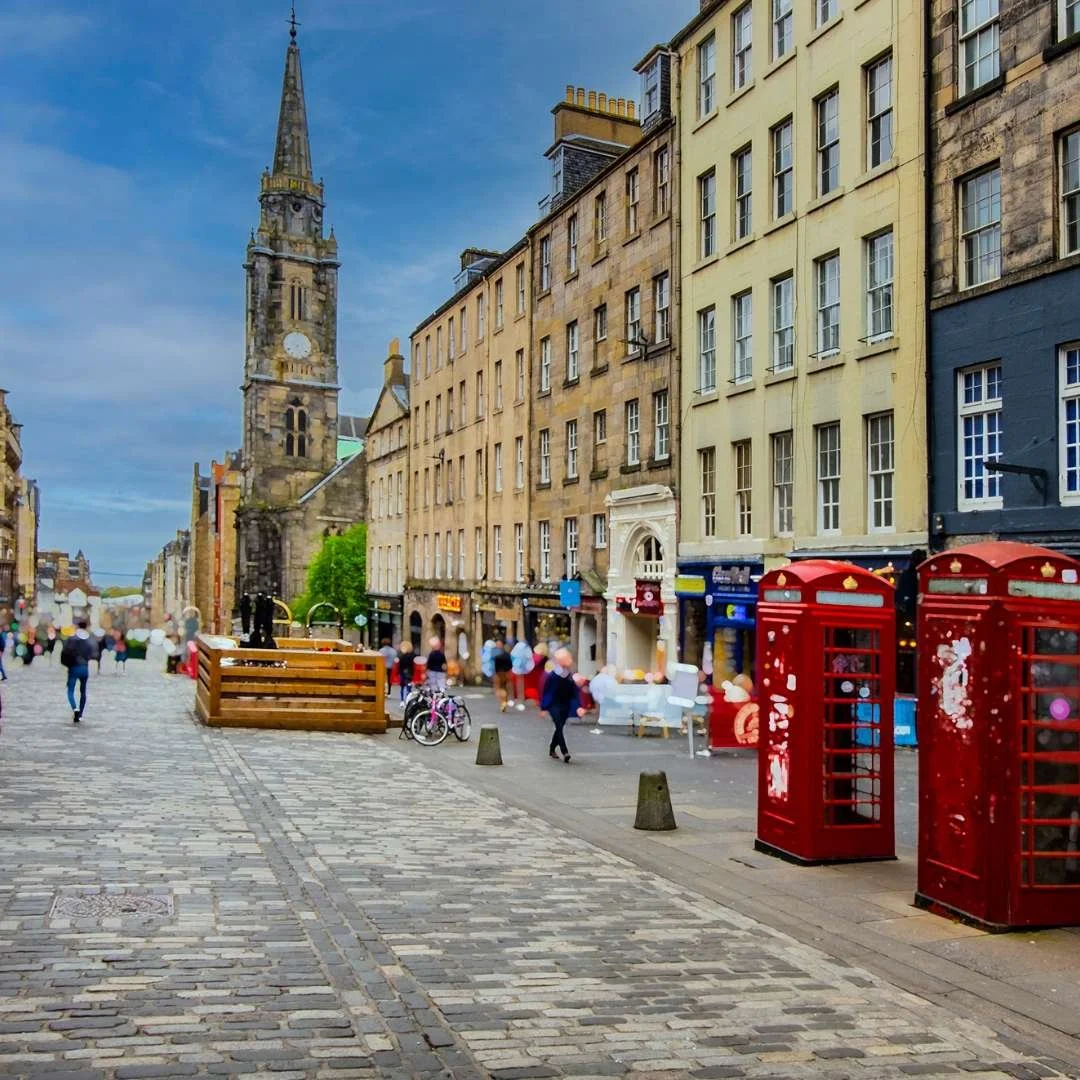
The city makes an immediate impression. Streets rise and fall over a series of hills, while above them all sits Edinburgh Castle, standing high on volcanic rock. Few cities announce themselves quite so clearly.
In the Old Town, narrow closes and steep streets still follow the lines of the medieval city. The Royal Mile cuts through the centre, linking the castle to Palace of Holyroodhouse past churches, courtyards, old tenements, and centuries of political and religious history.
Then beside it appears another Edinburgh entirely — the Georgian elegance of the New Town, with its symmetry, wide streets, and orderly design. Together, these two sides give Edinburgh its unique dual character. It can feel dark and dramatic one moment, graceful and almost continental the next.
Above it all rises Arthur's Seat, a reminder that this capital city was shaped not only by people, but by volcanic fire and ancient geology long before them.
For first-time visitors, Edinburgh often delivers exactly what they hoped Scotland would feel like — historic, atmospheric, walkable, and full of character.
Glasgow
If Edinburgh is the city people imagine first, Glasgow is often the one that surprises them most.
Glasgow doesn’t rely on postcard romance. It’s bigger in personality, looser around the edges, more modern in places, and deeply shaped by industry, migration, music, art, and working life.
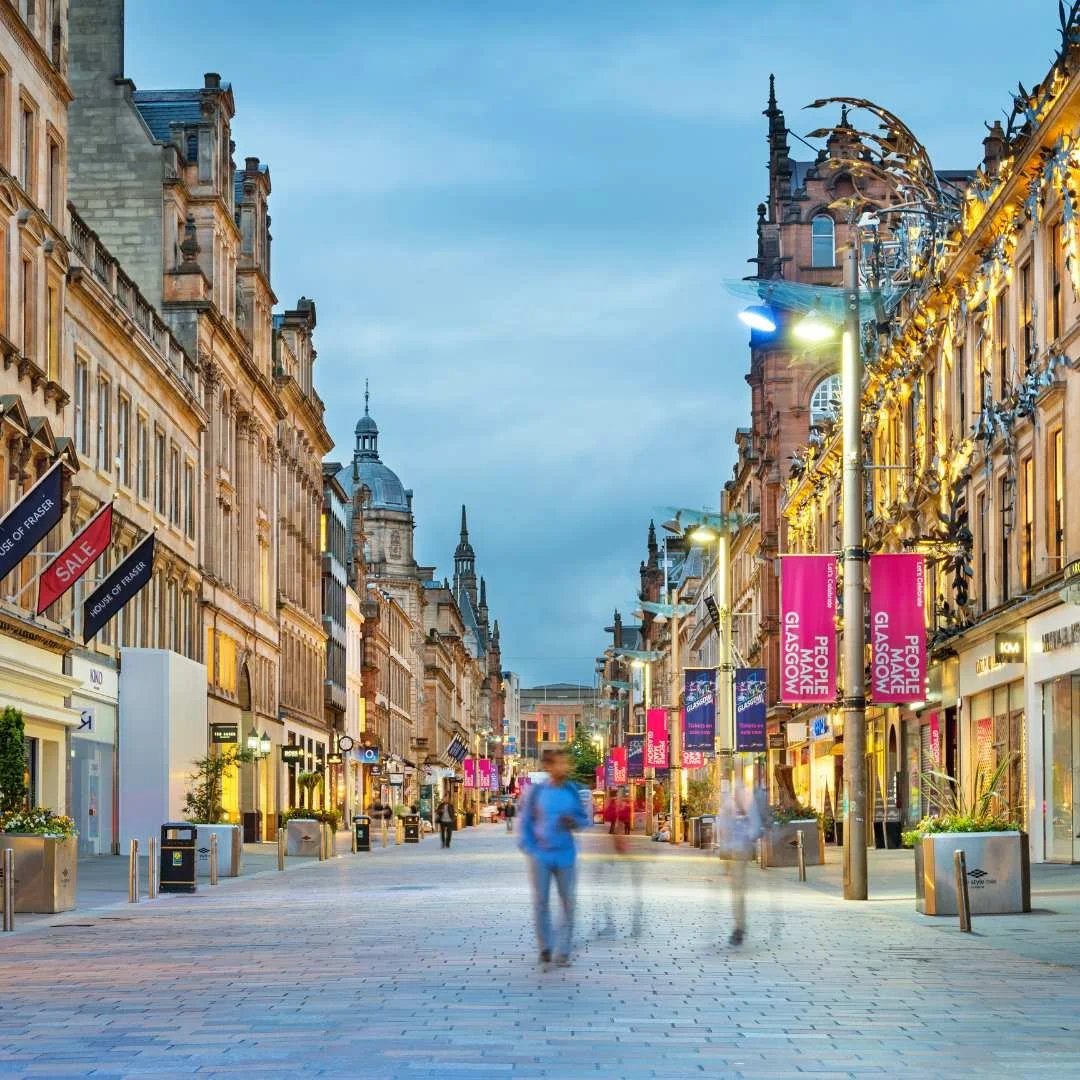
Built by trade and shipbuilding along the River Clyde, the city still carries the scale and confidence of its industrial past. Grand Victorian buildings, wide streets, and heavy stone façades give Glasgow a powerful presence.
But Glasgow’s real energy comes from what’s happening now. Live music, football, murals, galleries, nightlife, humour, and strong local identity all shape the atmosphere here.
The West End around the university feels entirely different from the Merchant City or the riverside districts. Glasgow is urban, creative, outspoken, and constantly reinventing itself.
For some visitors, Glasgow becomes the place that feels most alive. Not polished. Not always cinematic. But perhaps the most human.

The Highlands
For many travellers, the Scottish Highlands are the reason they come to Scotland in the first place.
This is the image that draws people from around the world — long single-track roads with sheep wandering ahead of your car, shifting weather, open glens, dark lochs, and mountains disappearing into cloud.
But the Highlands are not one single landscape. Some regions are broad and empty, filled with moorland, peat, lochans, and skies that seem endless. Others are steep, jagged, and dramatic, carved by glaciers into deep valleys and towering ridges.
There’s a sense of space here that visitors often underestimate. Journeys that look short on a map can easily become full-day adventures once you factor in weather, viewpoints, winding roads, and the constant temptation to stop and admire the scenery.
And that’s really the Highlands’ power. They don’t simply ask to be looked at through a car window. They slow you down. They ask for your time. And in return, they often give people the version of Scotland they remember most strongly.

Glencoe
If one place captures the emotional power of the Highlands, it’s Glencoe.
Even before you know its history, the landscape affects you. The valley narrows, mountains close in around the road, and the famous Three Sisters rise sharply above the glen floor.
Waterfalls appear after rain — something you can almost always count on in Scotland — and cloud drifts between the ridges in constantly changing light.
Then there’s the history. In 1692, Glencoe became the site of one of the most infamous events in Scottish history, when members of Clan MacDonald were killed in a massacre that still casts a shadow over the glen today.
Isle of Skye
If Glencoe is one of Scotland’s great mainland landscapes, Isle of Skye is its island counterpart.
Few places have become so closely associated with the modern image of Scotland. And despite its popularity, Skye earns its reputation.
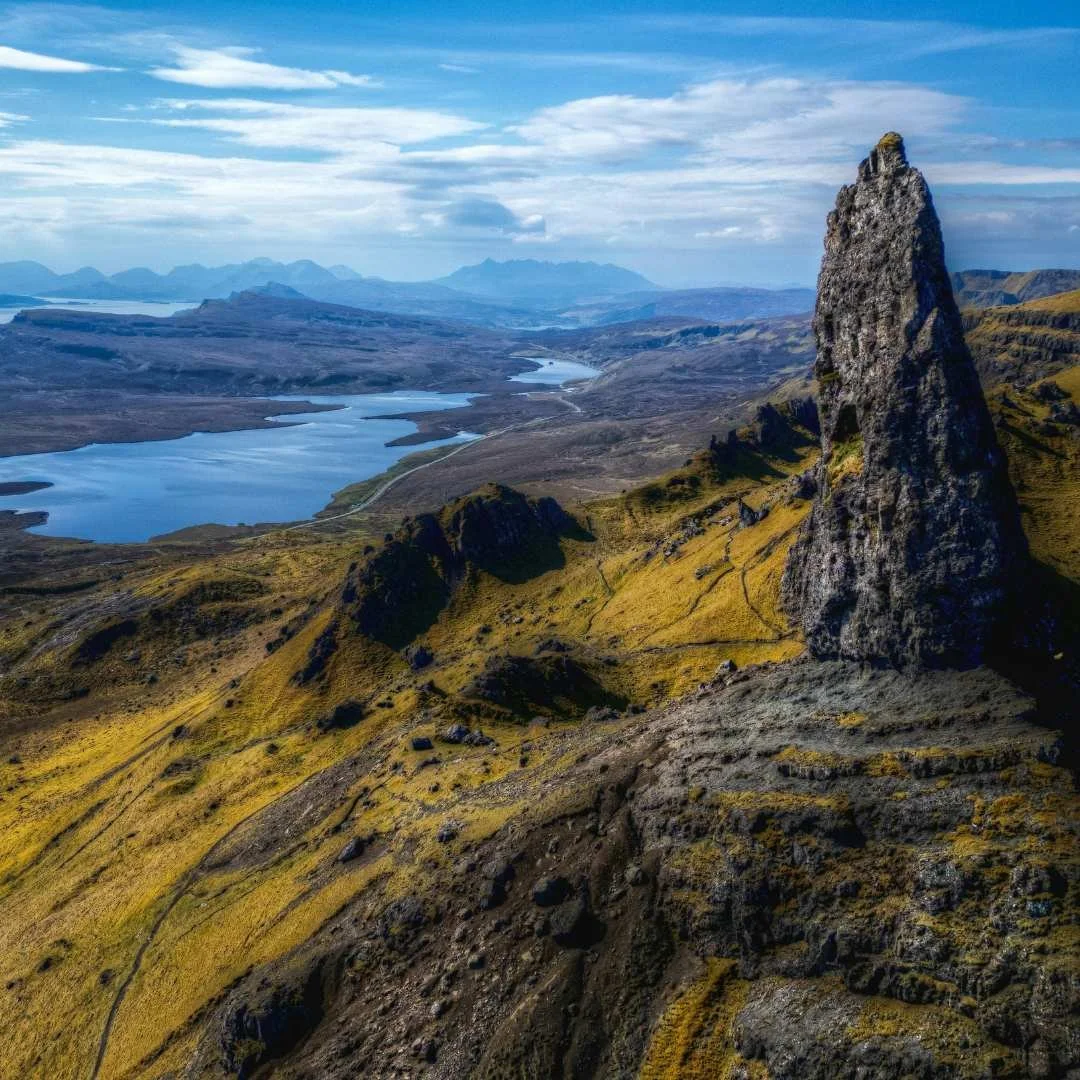
The landscape feels constantly in motion — ridges, cliffs, landslides, pinnacles, waterfalls, and sweeping coastlines all colliding together. The Cuillin Mountains dominate one horizon, while elsewhere the island softens into bays, moorland, and sea cliffs.
Landmarks like Old Man of Storr, the Quiraing, Neist Point, and the Fairy Pools have become iconic for good reason.
What makes Skye feel so powerful is that it seems mythic without needing exaggeration. The weather changes quickly, the light transforms the landscape hour by hour, and every part of the island feels different from the last.
For many visitors, Skye becomes the place they remember most. The place where Scotland feels at its most intense.
Eilean Donan Castle
Not far from Skye, Eilean Donan Castle appears exactly where many people imagine Scotland should look most like itself.
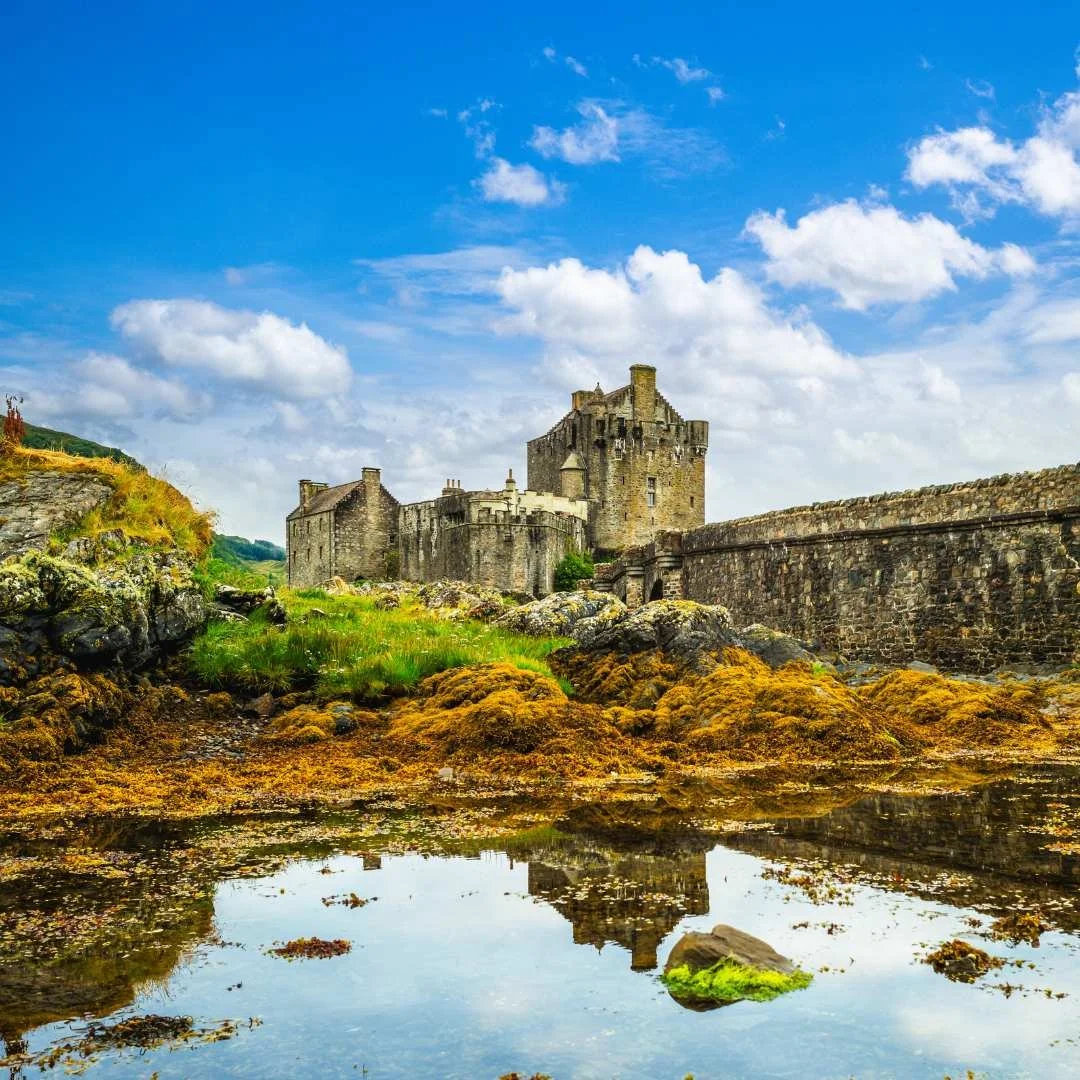
Set on a small tidal island where three sea lochs meet, connected to the mainland by a narrow stone bridge, it’s one of the most photographed places in the country.
The original stronghold dates back to the medieval period, though much of what visitors see today is the result of later restoration. But what makes the castle memorable is really the setting itself — the surrounding lochs, the Highland backdrop, and the way the atmosphere can shift from calm to dramatic in minutes.
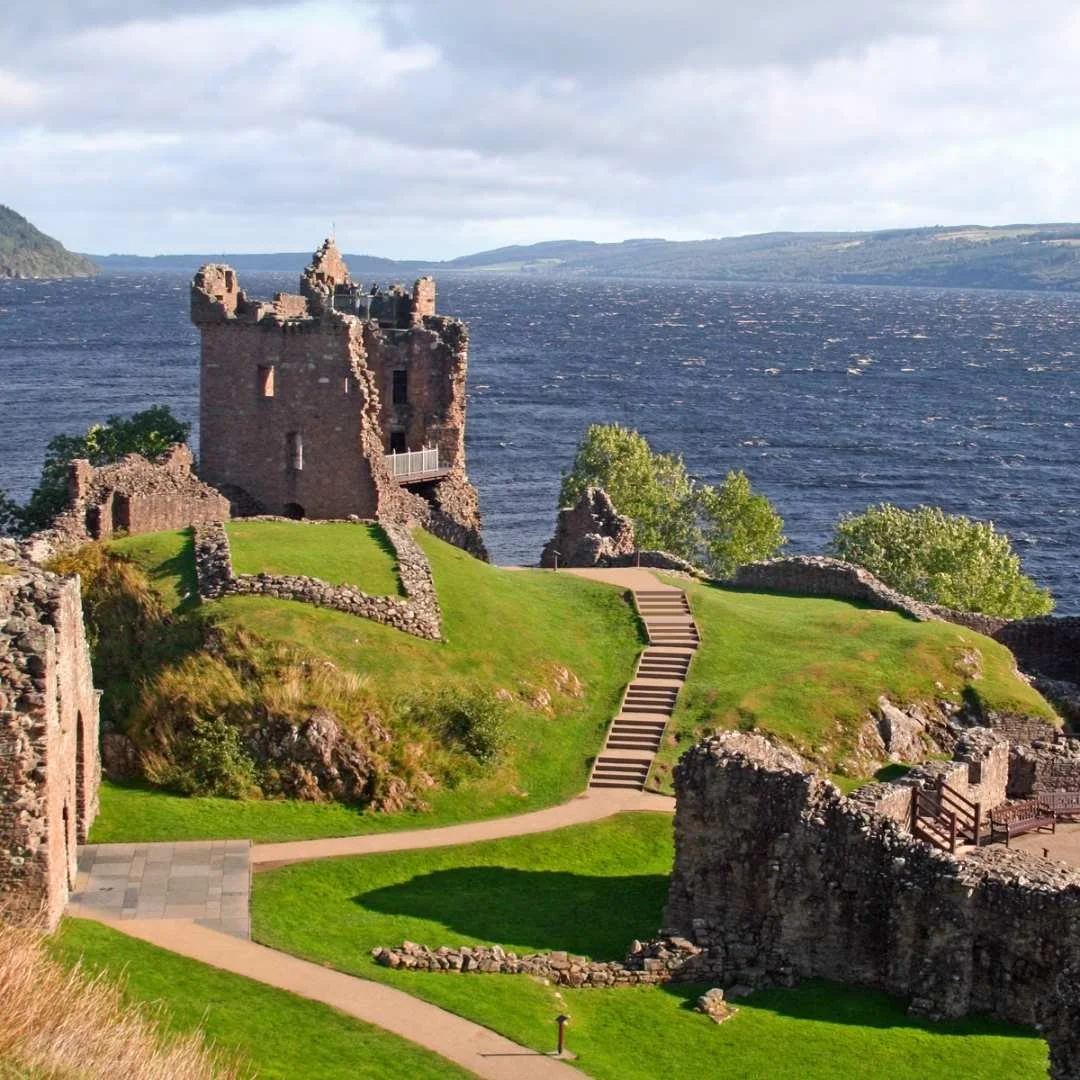
Loch Ness
No loch in Scotland is more famous than Loch Ness.
Its name has travelled far beyond Scotland thanks to the legend of the Loch Ness Monster, but even without the myth, the loch would still feel imposing.
Stretching through the Great Glen fault line, Loch Ness is long, deep, and unusually dark. In certain weather, the water can appear almost black beneath the steep surrounding hills.
Places like Urquhart Castle add to the atmosphere, their ruined walls overlooking one of the most talked-about bodies of water in the world.
Visitors may arrive because of the monster story, but they often leave remembering the landscape itself.
Come Experience Scotland’s Wild
Scotland is not one single place. It’s cities, castles, mountains, islands, and lochs — each with its own character. And that’s what makes travelling here so rewarding.
You can cover a huge amount of ground in a relatively small country, but the experience keeps changing from one region to the next. It’s one of the reasons so many visitors leave already planning a return trip.
For those wanting to experience Scotland in a more personal and thoughtful way, travelling with a small-group tour can make a real difference. With Experience Scotland's Wild, you get the chance not only to see the highlights but to understand the stories, landscapes, and quieter moments in between.
Because in Scotland, those quieter moments are often the ones that stay with you the longest.